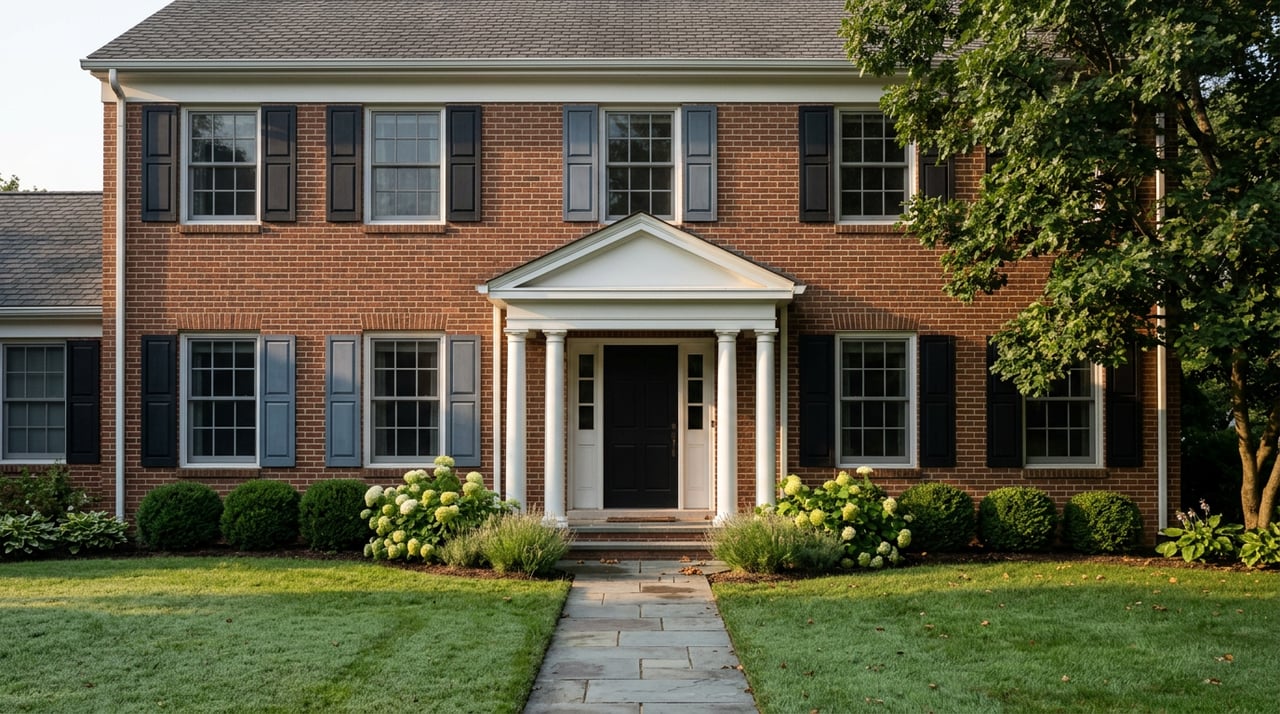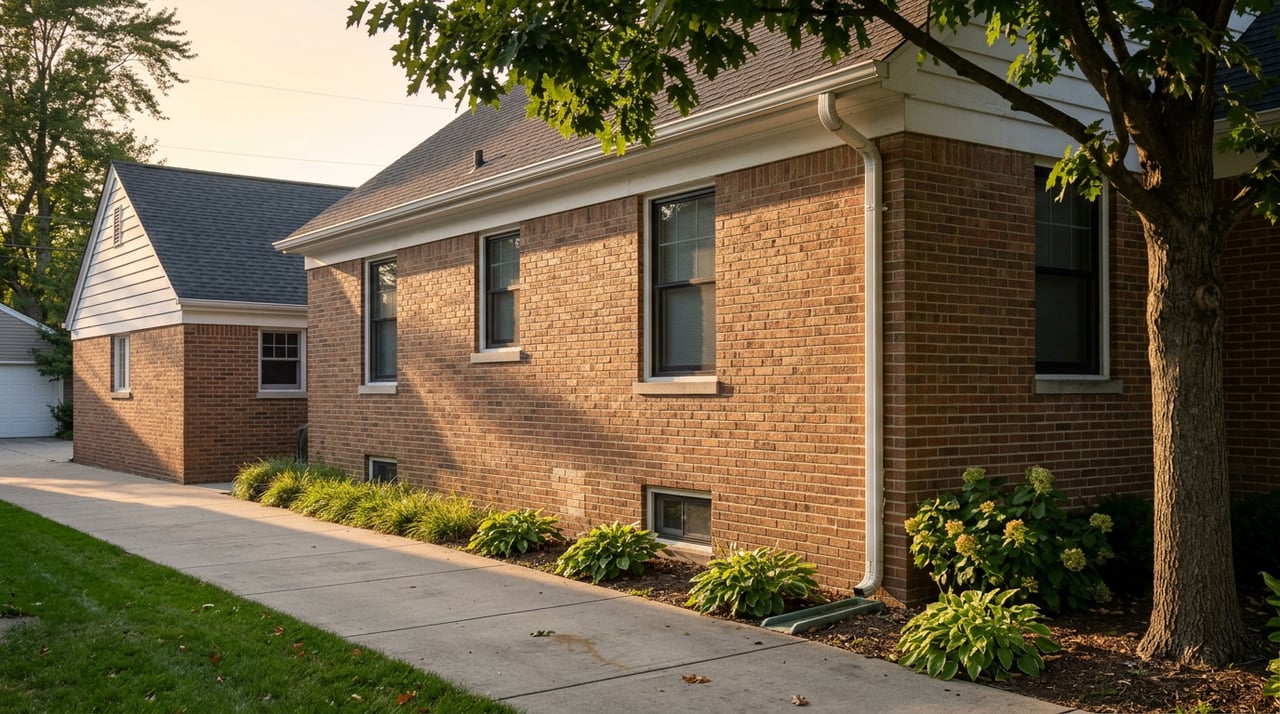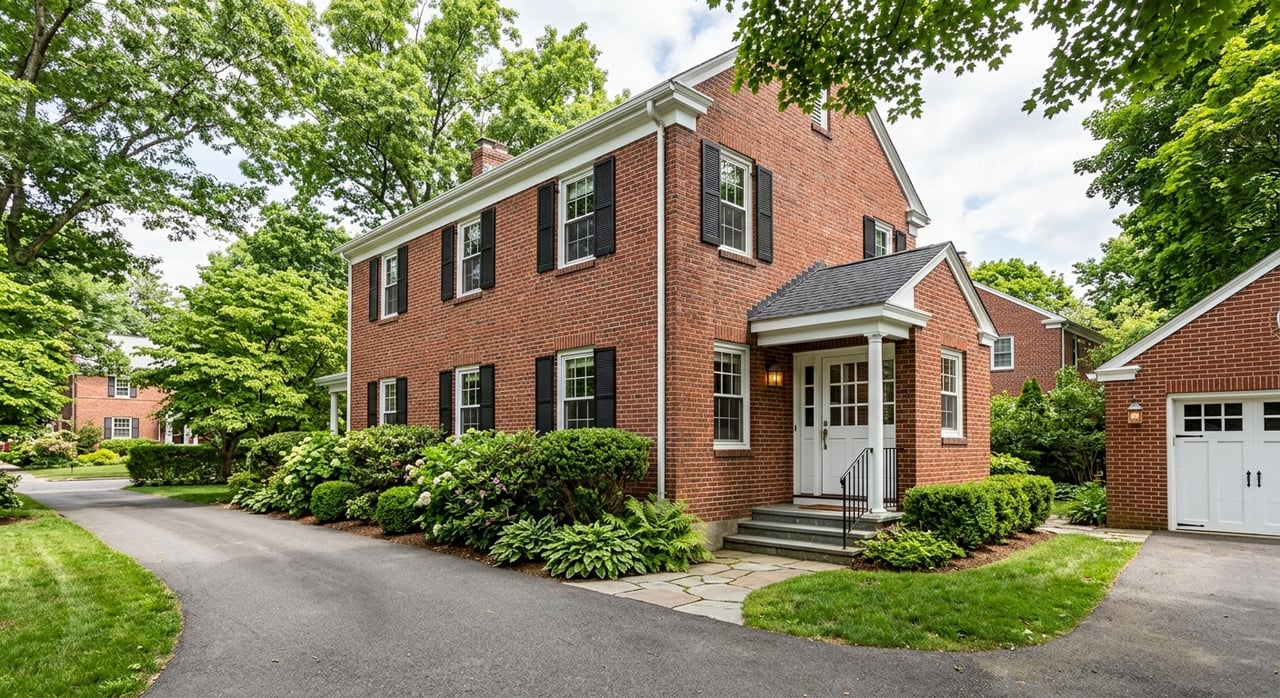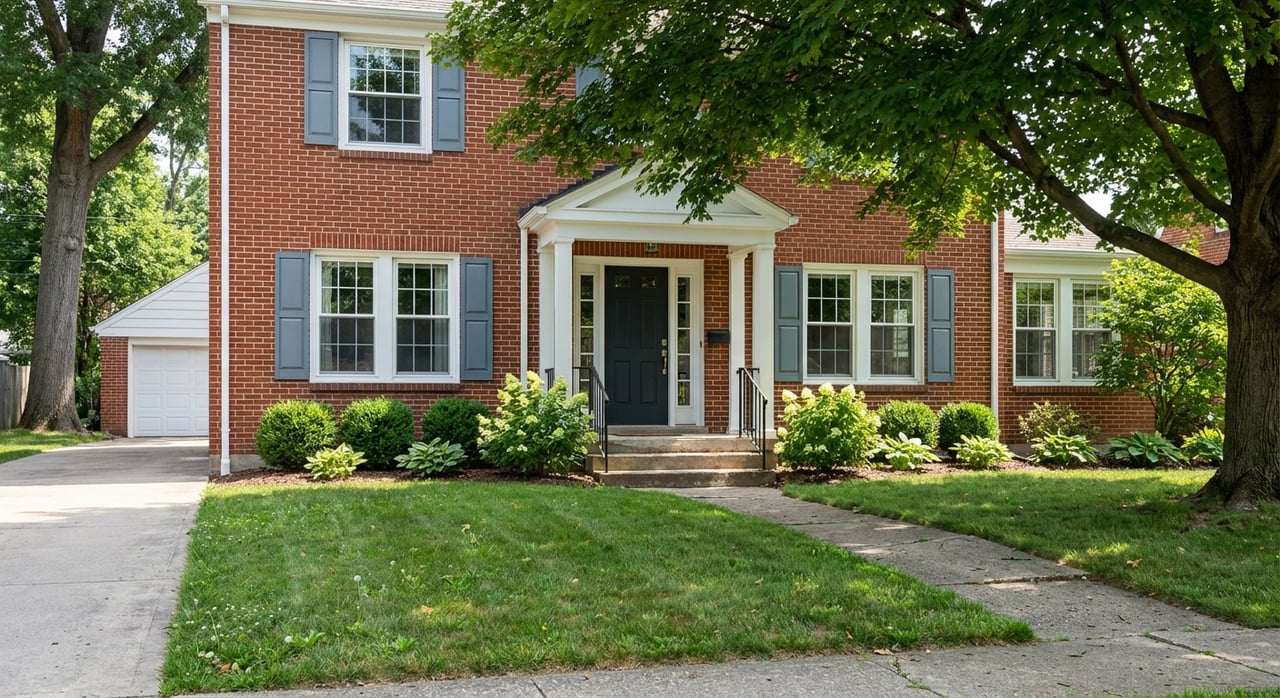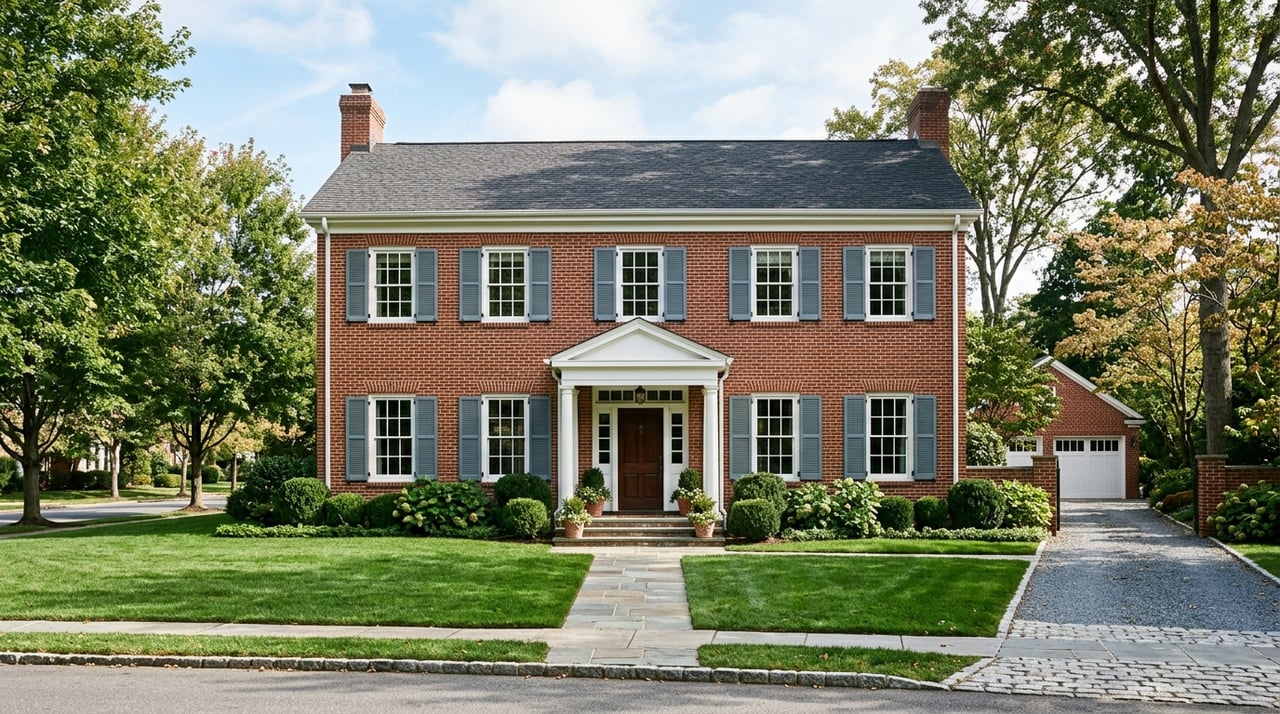
Picture a buyer under contract on a brick ranch with a La Grange mailing address. The inspection turns up an addition that was never permitted, so the buyer picks up the phone to call the village and ask how strict enforcement tends to be on unpermitted work. Except there is no village to call. The house sits in La Grange Highlands, an unincorporated pocket of Cook County that borders the Village of La Grange but answers to none of its offices. The permit question goes to the Cook County Building and Zoning department downtown instead, and the timeline, the paperwork, and the person who picks up the phone are all different from what a village-side buyer would expect.
That gap is the thing worth understanding before you fall for a listing photo. Two homes can share the same "La Grange, IL" address line and sit under two entirely different governments, and the boundary between them is invisible from the street.
Where the Line Actually Falls
La Grange Highlands is a roughly 600-acre unincorporated community that sits south of the Village of La Grange, bordered by Countryside, Indian Head Park, and Western Springs. The La Grange Highlands Civic Association, the volunteer group that functions as the closest thing the area has to local government, describes it plainly: the Highlands is governed by the laws of unincorporated Cook County, not by a municipality of its own. There is no mayor, no village board, no local ordinance office. Zoning questions, tree removal permits, and building permits all route to the Cook County Building and Zoning department at the county's downtown administration building. Public safety runs through the Cook County Sheriff. Fire coverage comes from the Pleasantview Fire Protection District, a special taxing district that also serves Countryside, Hodgkins, Burr Ridge, and other nearby communities rather than the Highlands alone.
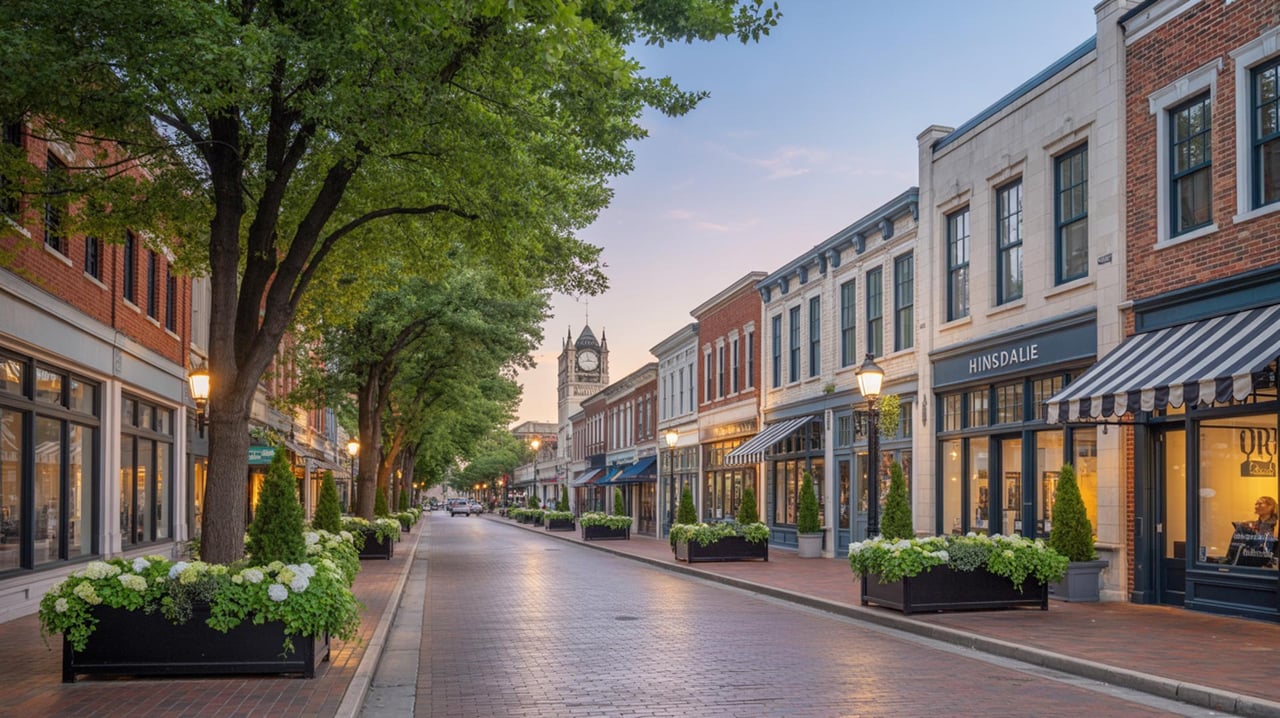
The Village of La Grange, just to the north, is the opposite kind of place administratively. It is an incorporated, non-home-rule municipality with a board-manager government, its own Community Development Department at 53 S. La Grange Road, and its own building code adopted under the village's own municipal code. Permit applications go through the village's online portal, and the village's own posted FAQ states that the window from initial submittal to first plan review typically runs 10 to 15 working days, with follow-up reviews usually faster. The village runs its own police department too. If you have a problem with a restaurant, a drainage complaint, or a coyote sighting after hours, there is a village staffer or a non-emergency police line whose job is to take that call.
None of this shows up in a listing description. Both areas carry La Grange in their name, both sit inside the same rough geography, and a buyer scrolling photos has no reason to suspect that one address reports to a mayor and the other reports to a county office an hour away by car.
What That Difference Actually Touches
| Village of La Grange | La Grange Highlands | |
|---|---|---|
| Government | Incorporated, board-manager municipality | Unincorporated Cook County |
| Building permits | Village Community Development Dept., online portal, 10-15 day initial review | Cook County Building and Zoning |
| Police | La Grange Police Department | Cook County Sheriff |
| Fire | Village-served | Pleasantview Fire Protection District |
| Typical lot | In-town lots near a walkable downtown | Half-acre or larger |
| Typical housing stock | Mixed vintages, many pre-1940 | Ranch-style, largely 1950s-1970s |
The table looks like a list of bureaucratic trivia until you're the one waiting on a permit or trying to reach someone about a code question on a Saturday. A buyer planning a kitchen addition on a village lot can expect a village staffer to answer the phone during business hours and a documented review window. A buyer planning the same addition on a Highlands lot is working directly with a county department that also handles permits for the rest of unincorporated Cook County, a much larger and slower-moving system with no dedicated local liaison.
The Price Story Is Actually a Product Story
It would be easy to read the price gap between these two areas as one market outperforming the other. The more accurate read is that they are selling two different physical products that happen to share a name.
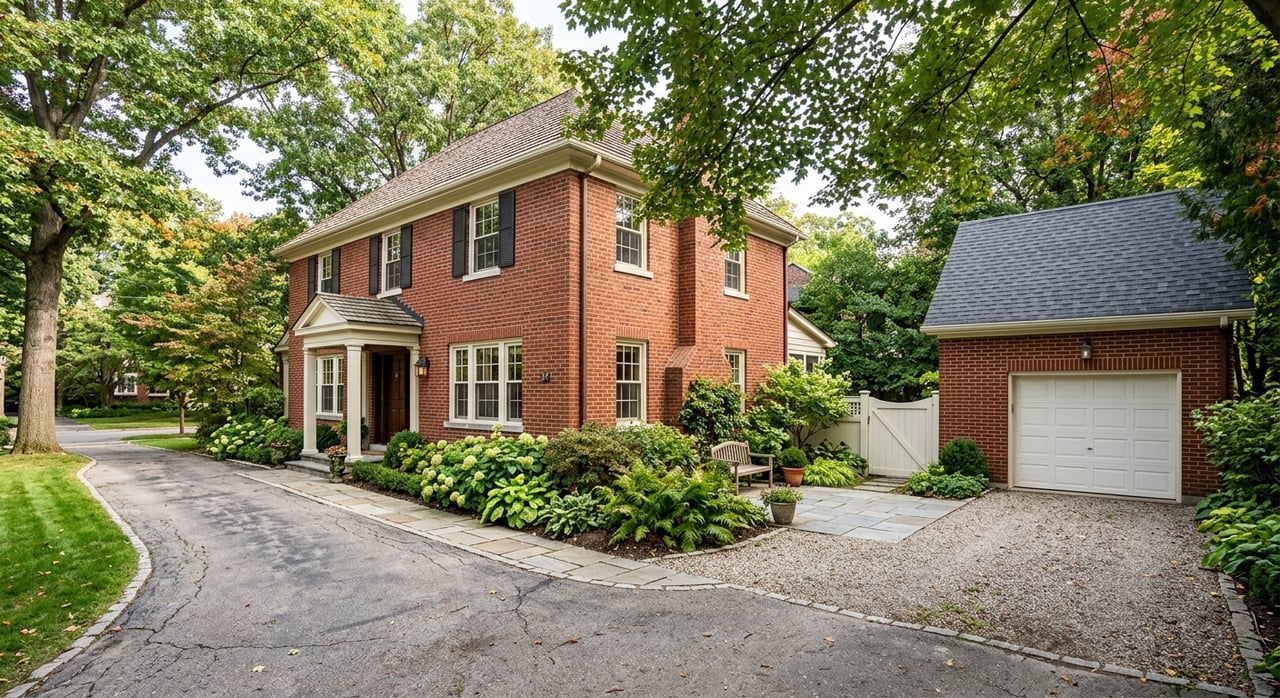
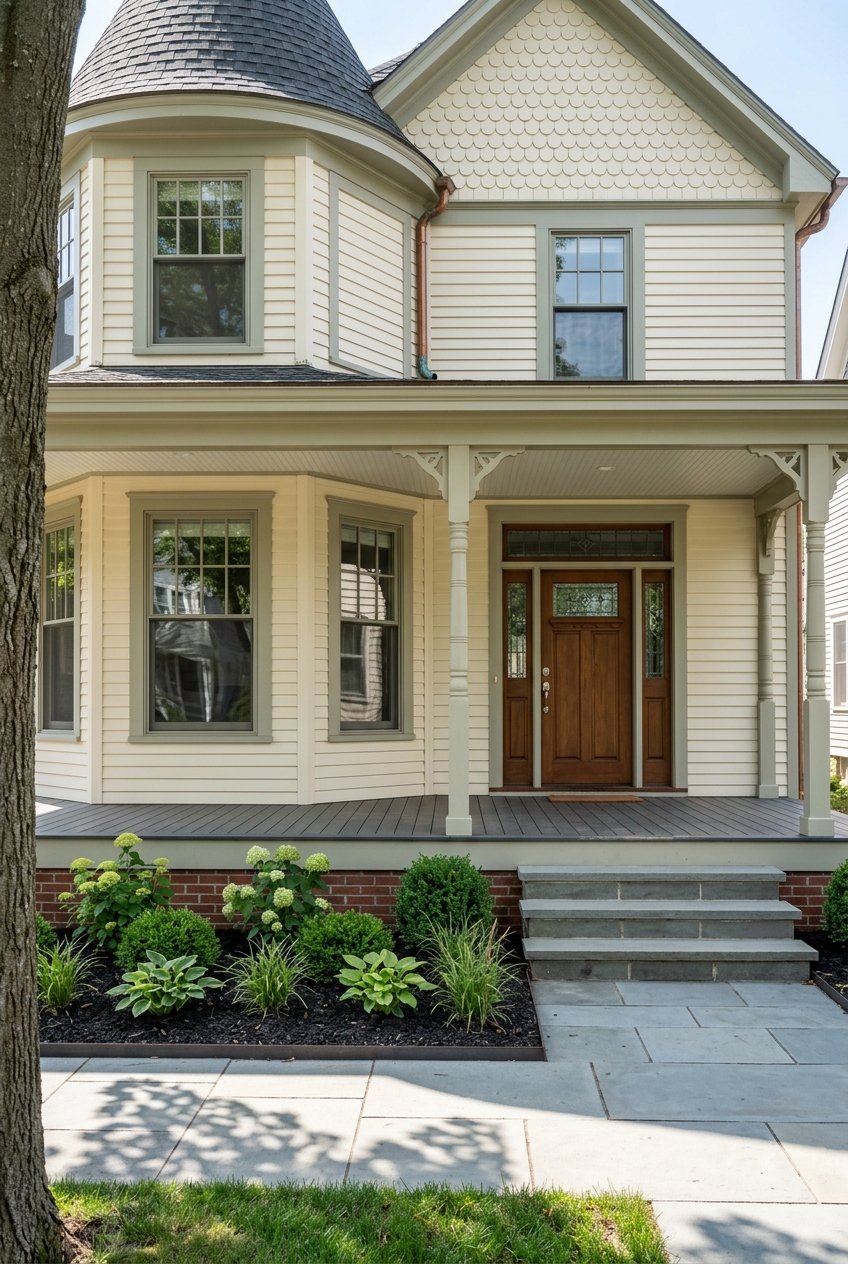
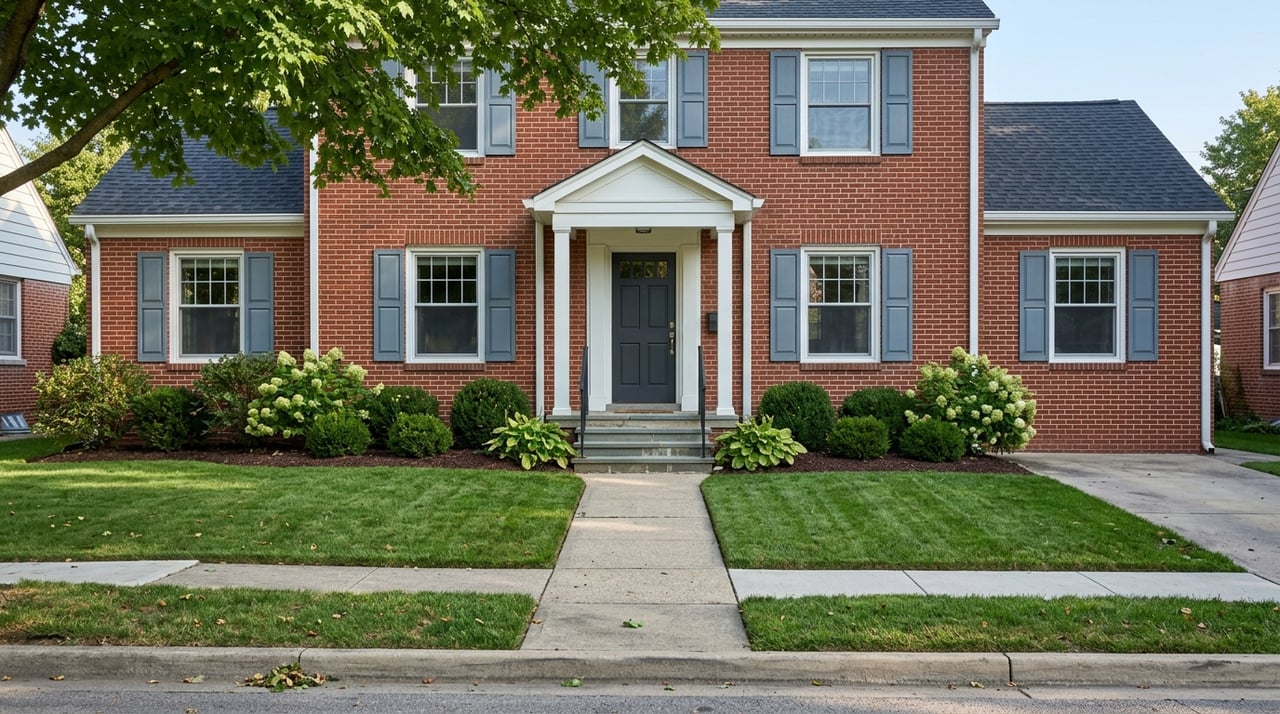
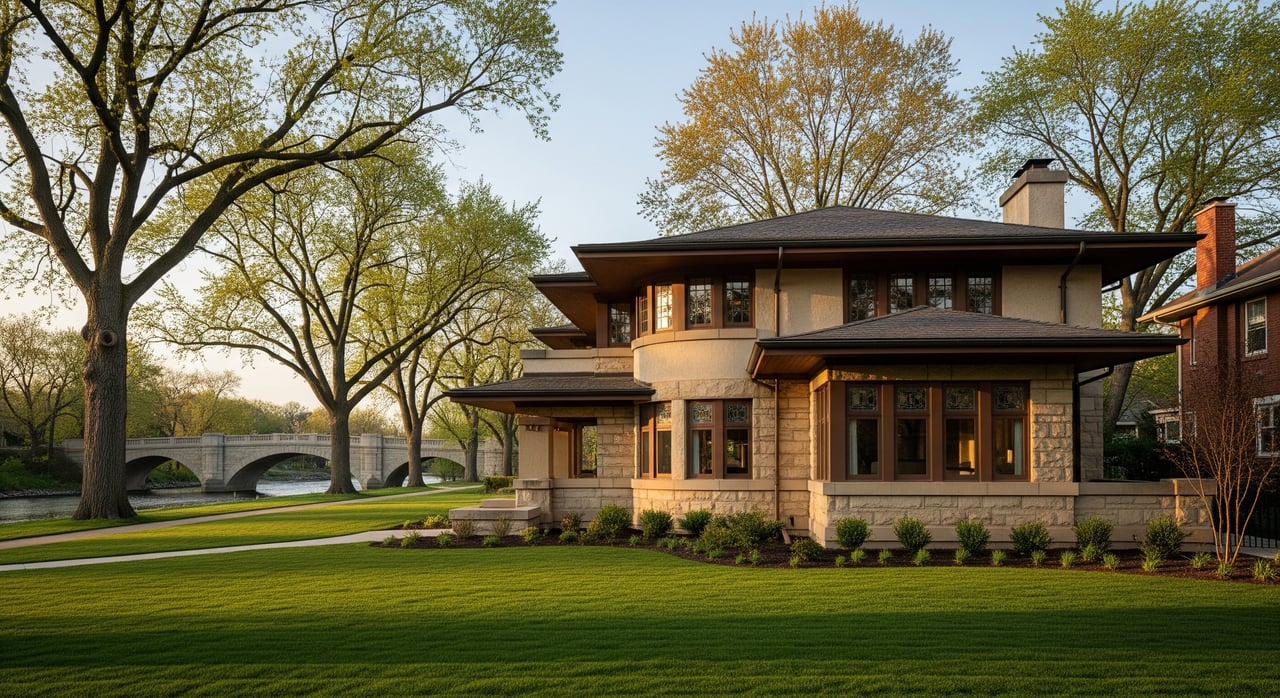
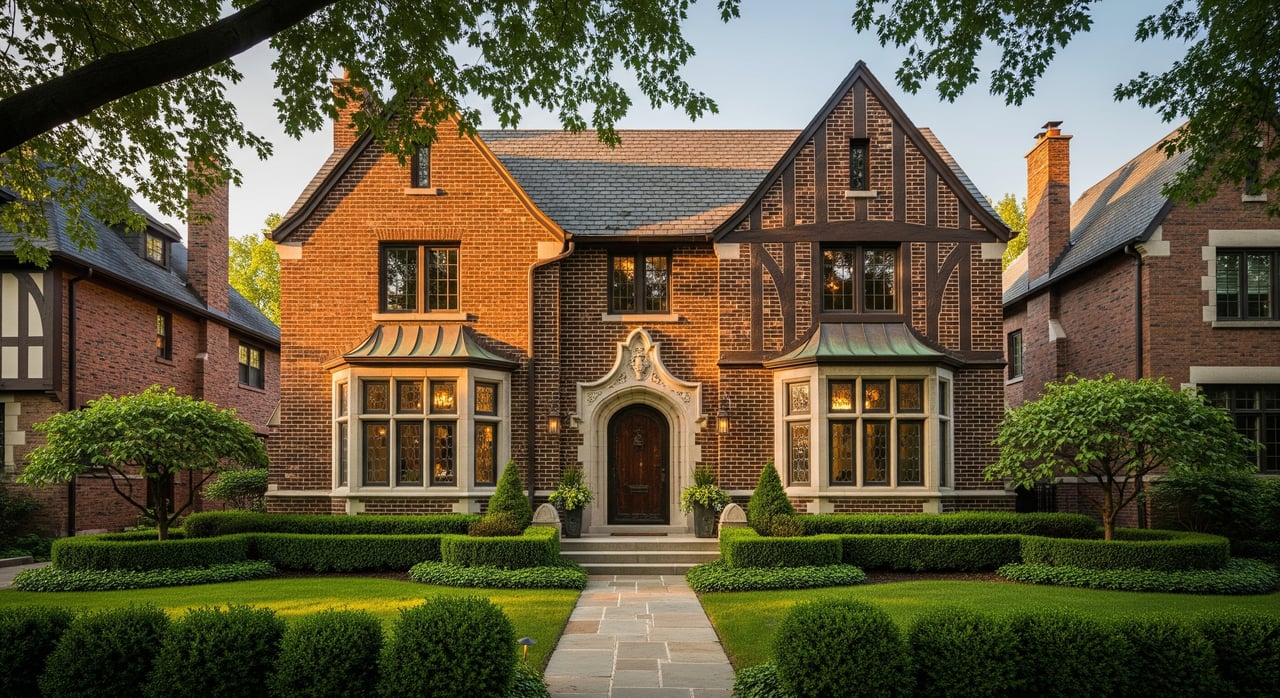
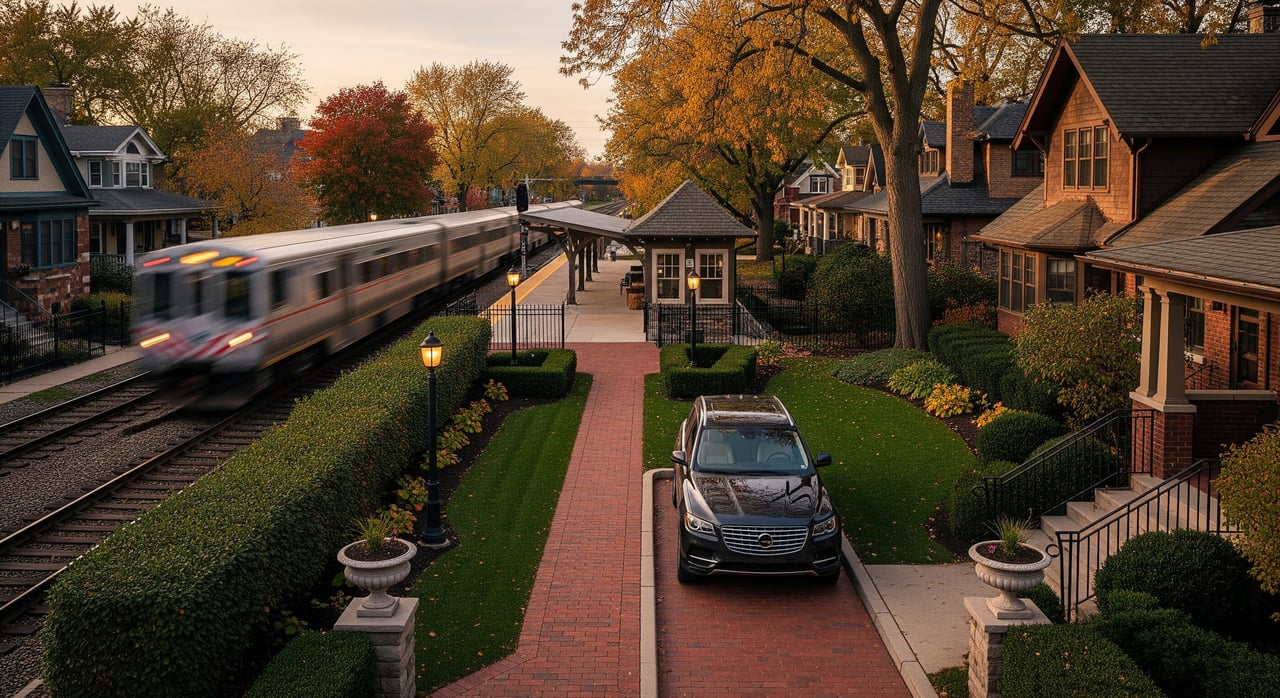
In the twelve months ending June 2026, detached homes in the Village of La Grange carried a median sale price around $775,000, up close to 9 percent year over year, with list-to-sale ratios running above 100 percent and homes typically going under contract within about a month. That number reflects walk-to-train lots inside a 2.52-square-mile village with two Metra stations on the BNSF line, La Grange Road and Stone Avenue, both offering express service to Union Station in roughly 25 to 30 minutes. It also reflects a housing stock that includes the La Grange Village Historic District, more than 1,000 buildings spanning late-19th and early-20th-century styles, several of them designed by Frank Lloyd Wright during his years working under Louis Sullivan.
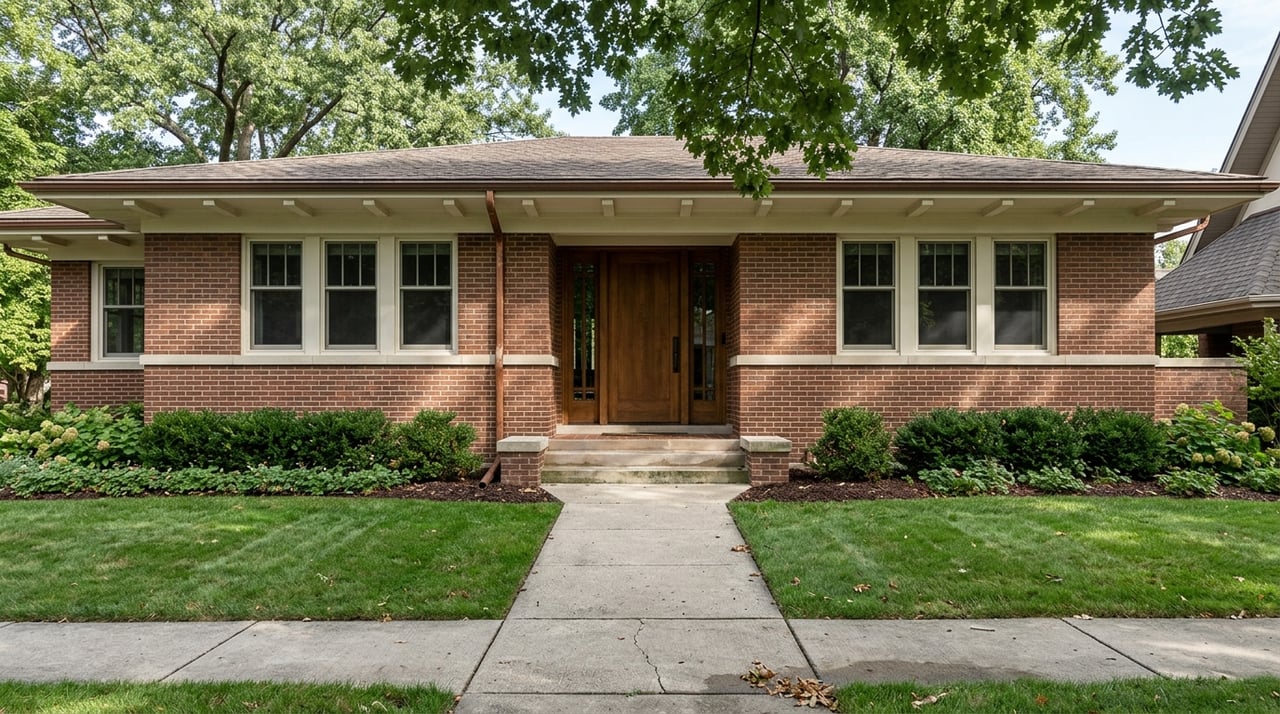
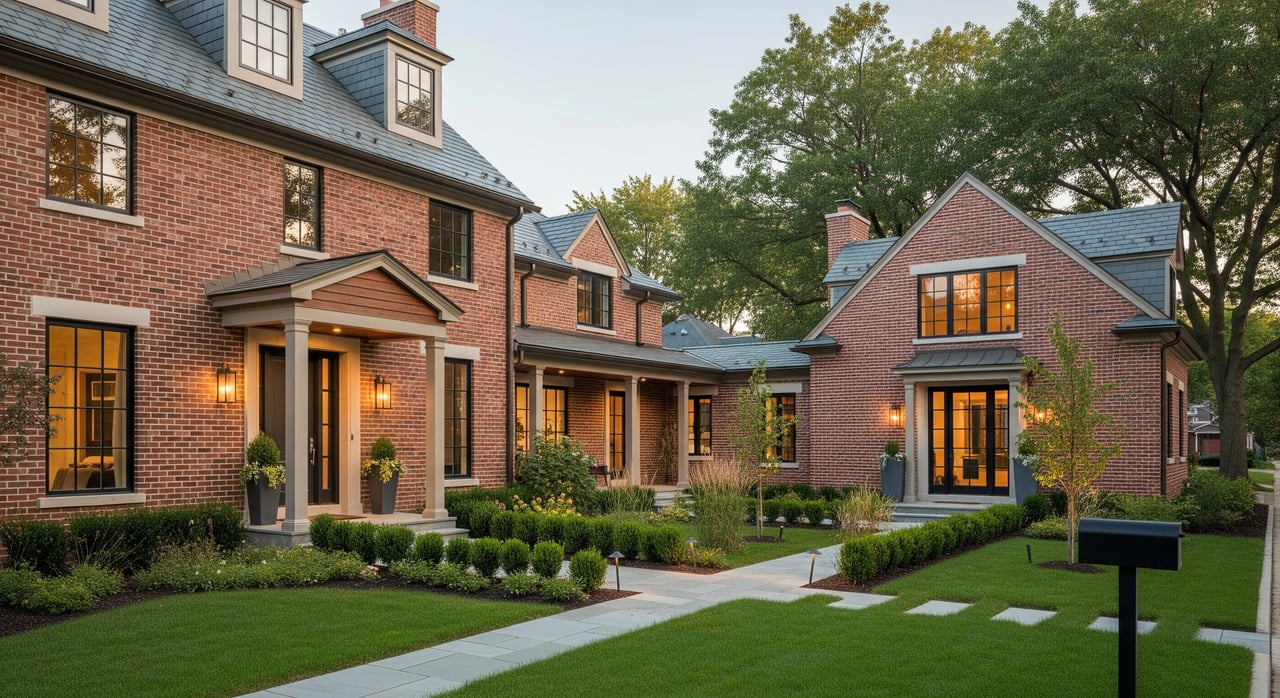
La Grange Highlands tells a different story, and the numbers themselves show why the boundary is genuinely blurry. Depending on which streets a given tracker includes, trailing twelve-month medians for the Highlands land anywhere from the high $500,000s to the low $700,000s. Some trackers fold in addresses that carry a Countryside mailing address but sit inside the same unincorporated pocket, others don't, and the spread between those figures is itself evidence of how porous this boundary is on paper even though it's sharp in practice. What stays consistent across every source is the physical product: half-acre or larger lots, predominantly ranch-style homes built between the early 1950s and late 1970s, with a steady trickle of teardowns replaced by new construction on those same oversized parcels.
So the price difference isn't really "La Grange costs more than the Highlands." It's closer to "walkable in-town lots near two train stations cost more per square foot than half-acre ranch lots a mile and a half south," which happens to be true almost anywhere in the western suburbs. The governance split is a separate fact riding along on the same map line.
What This Means If You're Comparing the Two
If your priority is a short commute, a walkable downtown, and a village staff you can call by name when something needs fixing, the incorporated Village of La Grange is built for that. You're paying for proximity to the BNSF stations and for a municipal apparatus that handles permits, code enforcement, and public safety locally.
If your priority is a bigger lot, a quieter street, and you don't mind driving a few minutes to I-294 or I-55, La Grange Highlands offers that at a different price point and a different administrative arrangement. Just go in knowing that your building permit, your zoning variance, and your first call after a break-in all route through Cook County rather than a village office three blocks from your front door.
Neither setup is better. But a buyer who assumes both addresses answer to the same government is going to be surprised at exactly the wrong moment, usually mid-renovation or mid-closing, when the answer to "who do I call" turns out to be a county department instead of the village hall they pictured.
A Few Straight Answers
Is La Grange Highlands part of the Village of La Grange? No. It's a separate, unincorporated community governed by Cook County. It borders the village but has never been annexed into it.
Do Highlands homes attend La Grange schools? Mostly not the same district. La Grange Highlands is served by LaGrange Highlands School District 106, with Highlands Elementary and Highlands Middle School, and Lyons Township High School for secondary students. That's a separate district from the ones serving most of the village.
Does the unincorporated status affect resale? It doesn't cap value, but it does change the paperwork trail. Any permitted work on a Highlands home was filed with Cook County, not the village, so buyers' agents and appraisers researching permit history need to know which office to check.
Comparing two neighborhoods that share a name takes more than a portal search and a drive-by. If you're weighing a village lot against a Highlands lot, or trying to figure out which permitting timeline you're actually signing up for, the Anne Monckton Group can walk the actual boundary lines with you before you write an offer. Book an appointment and we'll help you find the right La Grange for what you're trying to do.