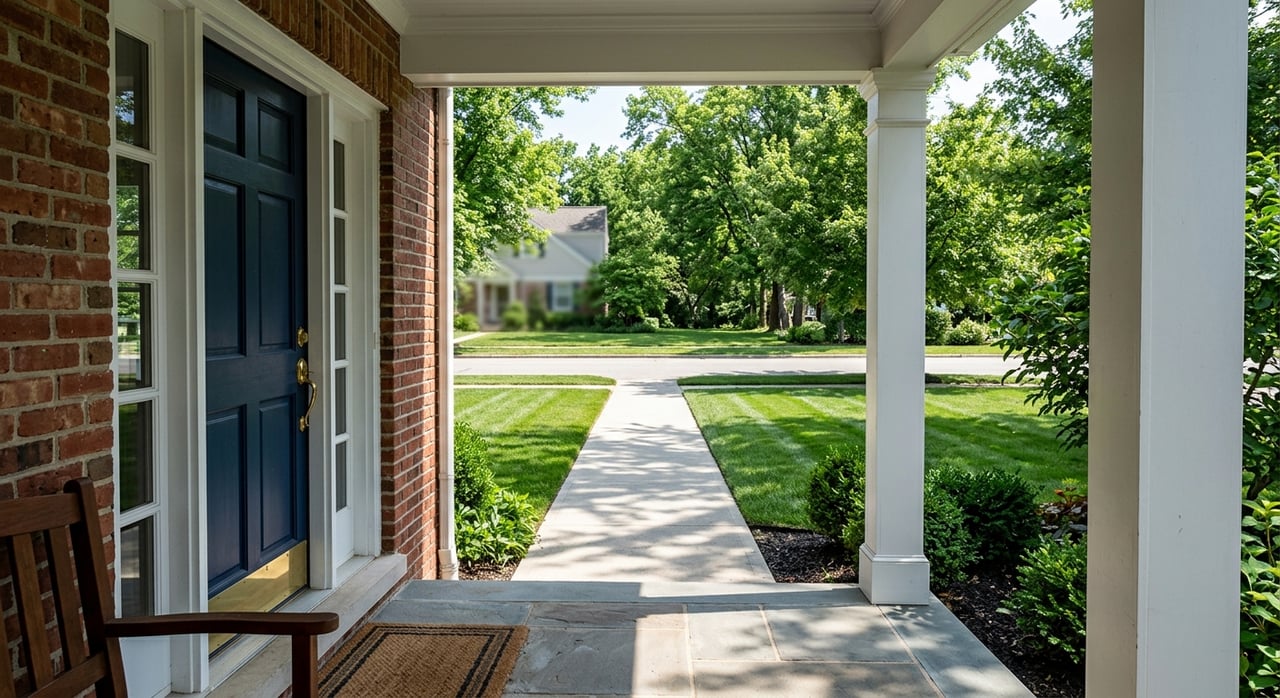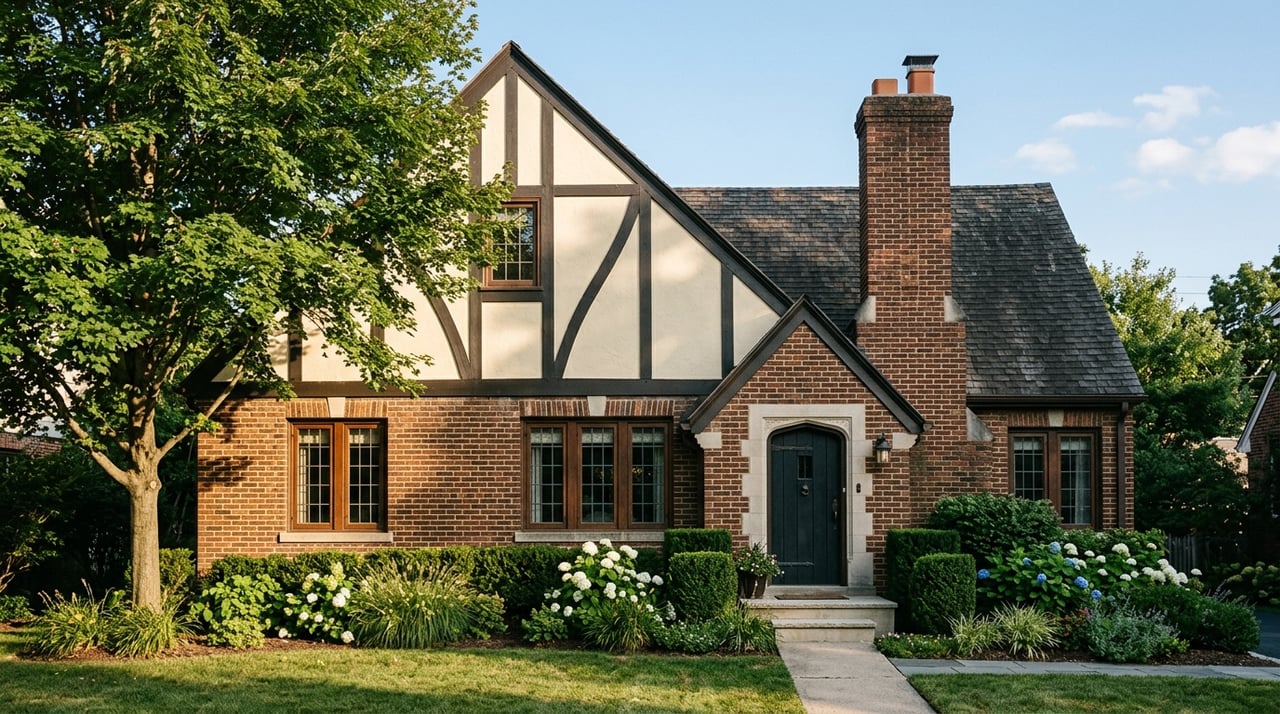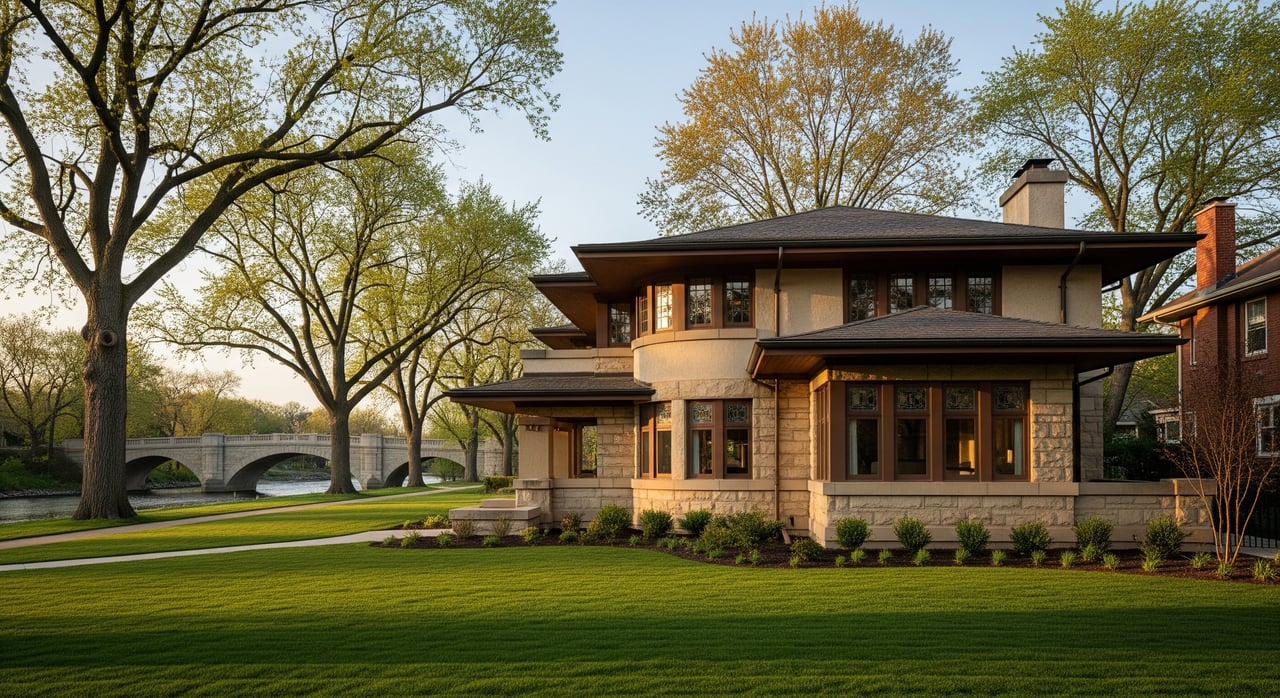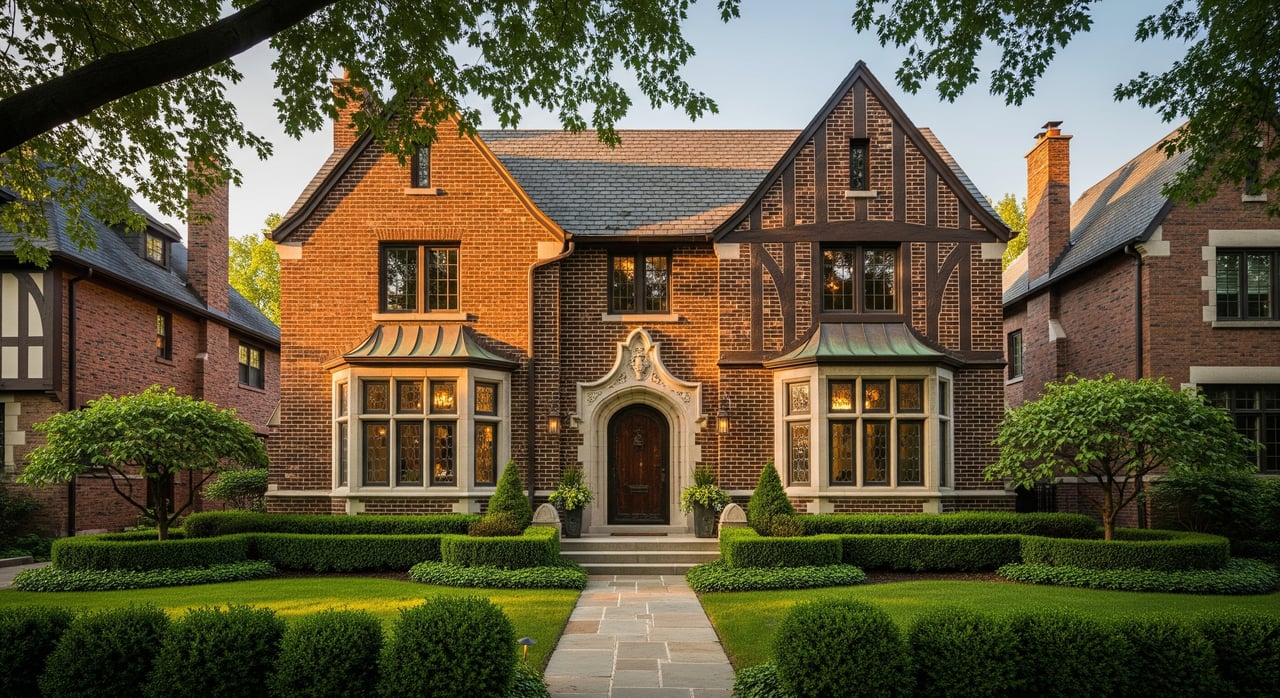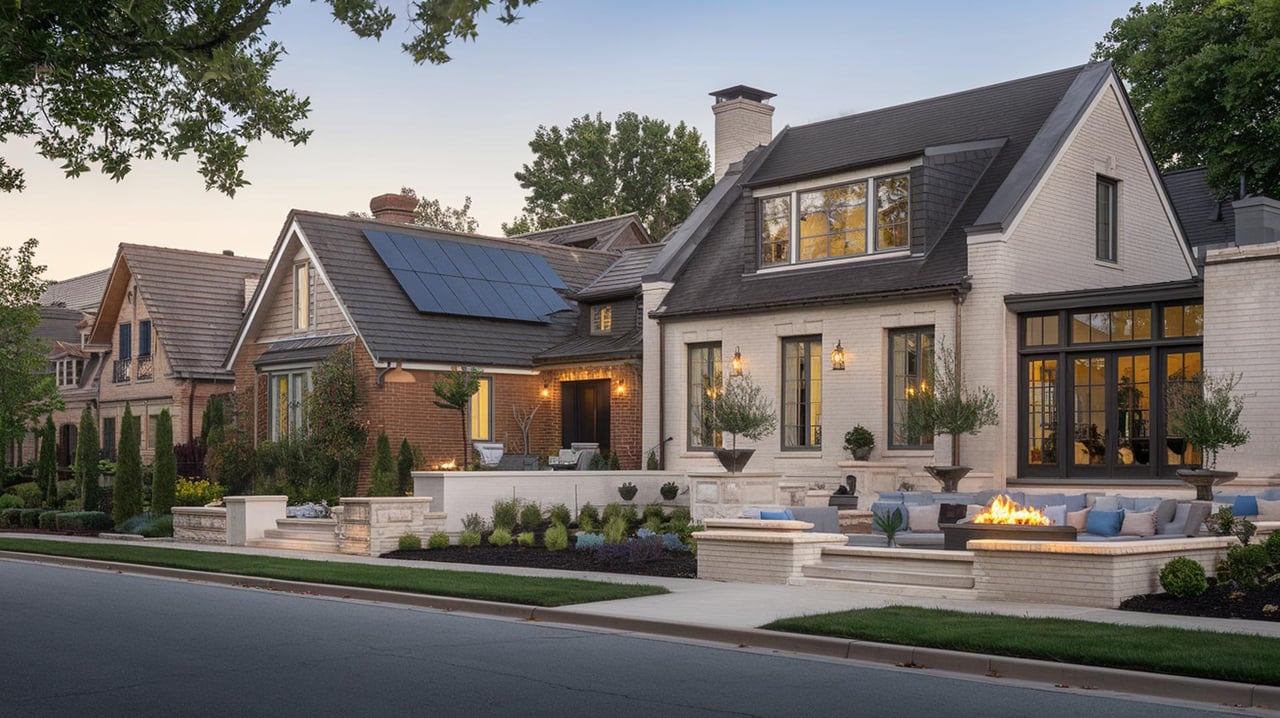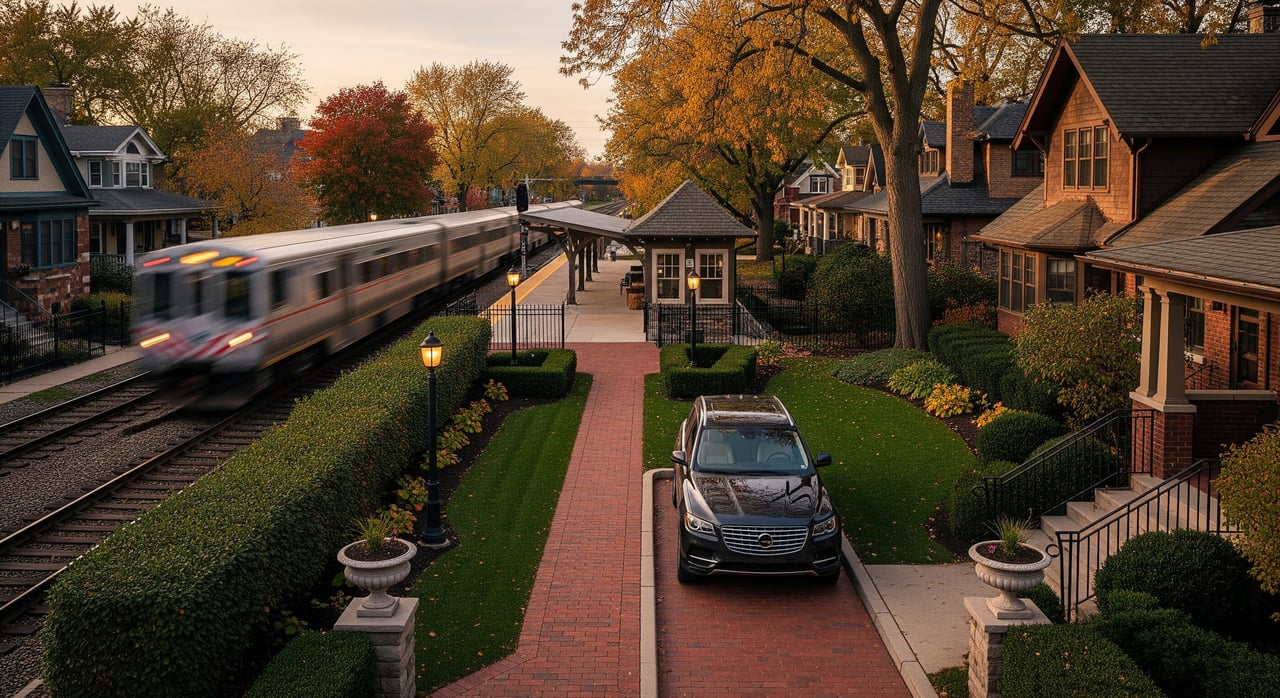
If you love the idea of doing more of daily life on foot, by bike, or by train, La Grange should be on your radar. For many buyers, the goal is not giving up a car completely. It is finding a suburb where everyday routines feel easier, more connected, and less dependent on driving. In La Grange, that lifestyle is most realistic near downtown and the two Metra stops. Let’s dive in.
Why La Grange Supports Car-Light Living
La Grange has a physical layout that helps a car-light routine work. The village is about 13 miles west of downtown Chicago and covers roughly 2.5 square miles, which supports a more compact feel than many suburbs.
Village materials consistently describe La Grange as walkable, with a dense downtown, two BNSF stations, and a strong mix of shops and restaurants. That combination matters because it lets you stack errands, meals, and transit into the same trip instead of driving from place to place.
The key distinction is this: La Grange is better described as car-light than car-free. You can reduce how often you drive, especially if you live near the village core, but many households will still want a car for some regional trips.
Downtown La Grange Makes Daily Errands Easier
Downtown is the center of the car-light story. The village highlights that you can shop, conduct business, visit the library, go to a movie theater, and grab a meal within walking distance of nearby homes.
That kind of concentration changes how a weekday or weekend feels. Instead of planning a series of separate drives, you may be able to walk to coffee, stop by a store, pick up what you need, and head home in one loop.
The downtown and West End also add to the experience with wide sidewalks, boutiques, coffee shops, and restaurants. Community events such as the Pet Parade, Craft Show, West End Art Festival, and Holiday Walk bring even more activity into the village core.
Transit Access Is a Major Advantage
One of La Grange’s biggest strengths is rail access. The village has two stations on Metra’s BNSF line, La Grange Road and Stone Avenue, and village materials note that nearly 5,000 passengers a day use those stations.
For many buyers, that matters as much as walkability. A neighborhood can feel pleasant on foot, but a true car-light routine is much easier when you can also reach Chicago by train for work, appointments, or outings.
The village transportation materials note that both stations are on the BNSF commuter line between Aurora and Chicago Union Station. The village also identifies both stations as fully accessible, which is an important practical detail for many riders.
Metra ticket vending machines are available at both La Grange stations. That can make occasional train use simpler, especially if you are not commuting on the same schedule every day.
Pace Adds Flexibility
La Grange also has Pace bus stops, which adds another layer of mobility. Even if you mainly walk or take Metra, bus access can help fill in gaps for local trips.
That extra flexibility is part of what makes a car-light setup more realistic. You are not relying on one single mode of transportation for every need.
Biking Can Extend Your Range
If you want to live with fewer car trips, biking can make a big difference. La Grange’s Bike to Metra guide notes that bike racks are available near both stations, making it easier to combine cycling and rail.
The same guide recommends planning and test-riding your route in advance. That is especially helpful if you are moving from a more driving-oriented area and want to build confidence with a new routine.
The village also notes that Pace buses can serve as a backup ride home. Metra allows bikes on many reverse-commute, off-peak, and weekend trains, which can make biking feel more practical for recreation and flexible commuting.
Parks and Recreation Stay Close to Home
A car-light lifestyle is not just about commuting. It also works better when recreation and open space are woven into the neighborhood.
The Park District of La Grange serves an area that closely matches the village boundary and maintains 66.7 acres of parkland across 13 locations. That gives residents multiple options for nearby outdoor time without needing to leave town.
Several parks are embedded in the local street grid. Stone Park includes a playground and half-court basketball, Gordon Park includes a walking and jogging path, splash pad, fitness stations, and a skate spot, and Gilbert Park includes a preschool building, playground, tennis courts, and a walking and jogging path.
Waiola Park adds another walking and jogging path along with sports fields. When parks are spread through the village instead of pushed to the edges, it becomes easier to fit movement and play into everyday life.
School Routines Depend on Your Address
For families, one of the biggest questions is whether school-day logistics can stay local. In La Grange, that answer depends on your exact attendance area because the village is served by multiple school districts.
The village school page lists District 102, District 105, District 106, and District 204. It also lists schools including Cossitt Avenue School, Ogden Avenue School, Gurrie Junior High, Seventh Avenue School, Spring Avenue School, Highlands Elementary and Middle School, and Lyons Township High School.
That means school-related walkability is highly location-specific. A home that feels close to downtown may or may not line up neatly with your preferred daily route, so buyers should look at each address in detail.
There are some helpful local supports for families trying to keep routines nearby. The Park District’s BASE program includes before and after school care at listed sites including Cossitt Avenue School and Ogden Avenue School.
The village’s safety guidance also reinforces a walk-to-school culture. It recommends designated walking routes, following crossing guards, and considering a walking school bus arrangement, and it notes a 20 mph speed limit around schools.
Where Car-Light Living Works Best
In practical terms, the strongest car-light lifestyle is usually near downtown, the La Grange Road and Stone Avenue stations, and the central cluster of parks, civic destinations, and schools. This is where the village’s amenities are most concentrated.
As you move toward the outer edges of the village, routines may become more driving-oriented. That does not make those areas less appealing, but it can change how often you reach for the car.
For buyers, this is where local guidance matters. Two homes can both have a La Grange address but support very different daily patterns depending on how close they are to the station, downtown services, and the places you visit most often.
Sidewalks Matter More Than You Think
One small but meaningful local detail is La Grange’s 50/50 sidewalk replacement program. It signals ongoing village attention to pedestrian infrastructure, which supports the long-term quality of a walkable environment.
When you are evaluating a home for lifestyle fit, these details count. Walkability is not just about distance on a map. It is also about the quality of the routes you will actually use.
What Buyers Should Think About First
If your goal is to live car-light in La Grange, start with your most common weekly trips. Think about how often you need to get to the train, pick up daily essentials, reach a park, or manage school-related stops.
Then compare those routines against specific home locations. A house that is a little closer to downtown or a station may support the lifestyle you want far better than one that looks similar on paper.
It also helps to be honest about your version of car-light living. For some buyers, that means walking to dinner and taking Metra into the city. For others, it means managing school mornings, park visits, and errands without needing to drive every time.
Why This Matters in a Home Search
Lifestyle fit is easy to underestimate during a search. Square footage, finishes, and lot size matter, but your day-to-day experience often comes down to how easily you can move through the village.
In La Grange, the right location can give you a more connected routine with a mix of walking, biking, and transit. That is one reason the village continues to appeal to buyers who want suburban space without giving up convenience.
If you are trying to balance commute patterns, family routines, and a walkable suburban feel, a local, address-level strategy can make all the difference. To explore homes and neighborhoods that fit the way you want to live, connect with The Anne Monckton Group.
FAQs
Is La Grange a good place for car-light living?
- Yes. Village materials support La Grange as a compact, walkable suburb where car-light living is most realistic near downtown and the two BNSF stations.
Can you live car-free in La Grange, Illinois?
- For most households, La Grange is better described as car-light rather than fully car-free, since some trips are still easier by car.
Does La Grange have good train access to Chicago?
- Yes. La Grange has two Metra BNSF stations, La Grange Road and Stone Avenue, with service on the line connecting Aurora and Chicago Union Station.
Are there bike options for Metra riders in La Grange?
- Yes. The village’s Bike to Metra guide says bike racks are available near both stations, and bikes are allowed on many reverse-commute, off-peak, and weekend Metra trains.
What parts of La Grange are most walkable?
- The strongest walkable areas are generally near downtown, the La Grange Road and Stone Avenue stations, and the central cluster of parks and civic destinations.
Do school routines in La Grange depend on the home address?
- Yes. La Grange is served by multiple school districts, so school-related walkability and daily routines depend on the specific attendance area for a given home.
Are parks easy to reach in La Grange?
- In many parts of the village, yes. The Park District maintains 66.7 acres of parkland across 13 locations, with several parks woven into the local street grid.