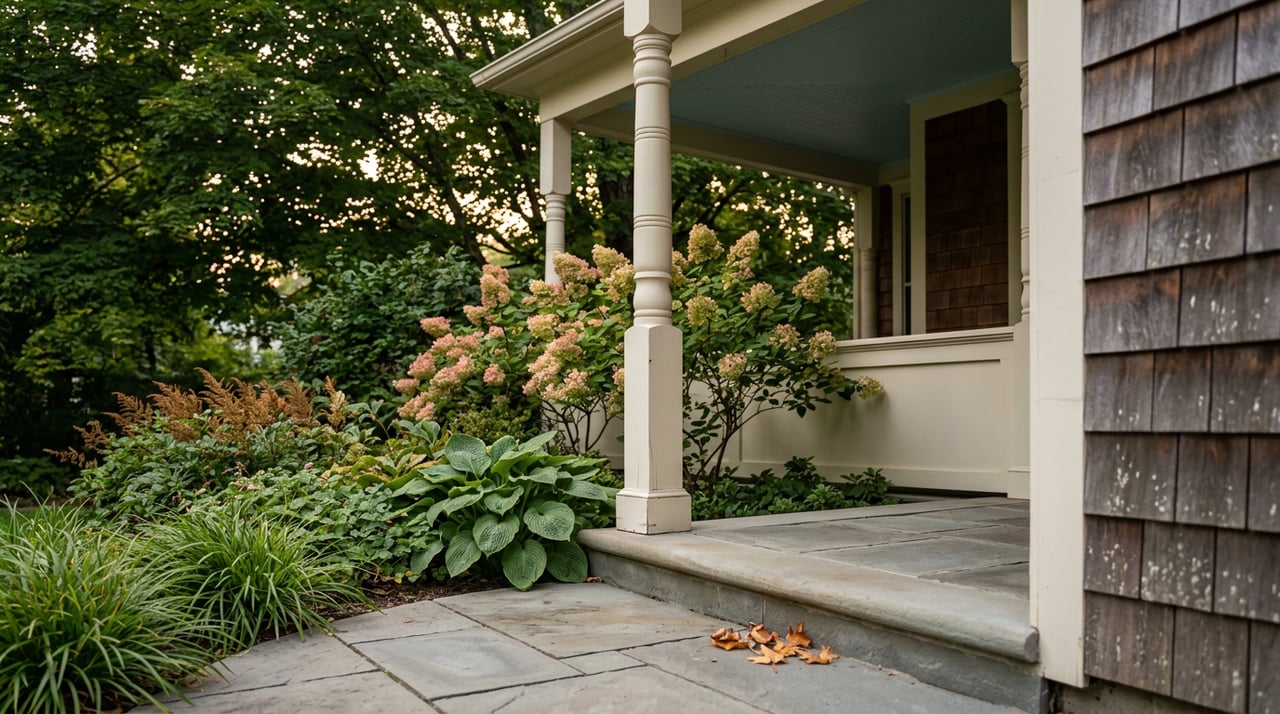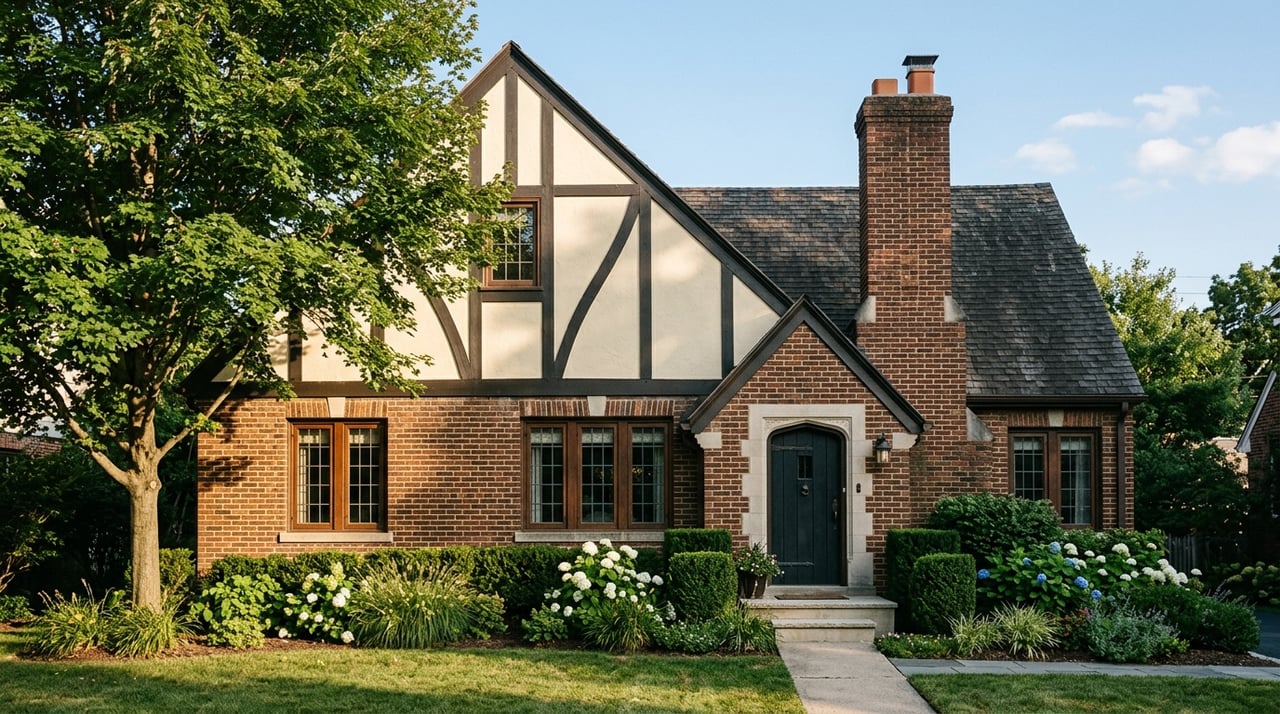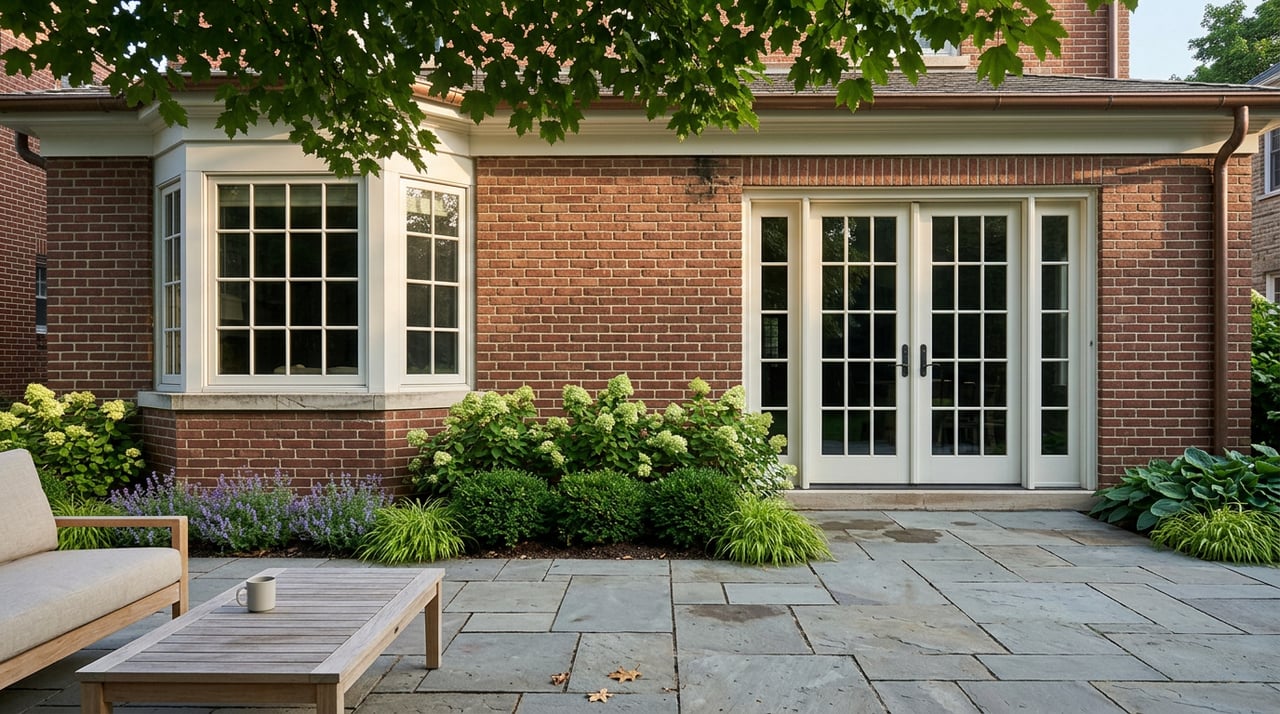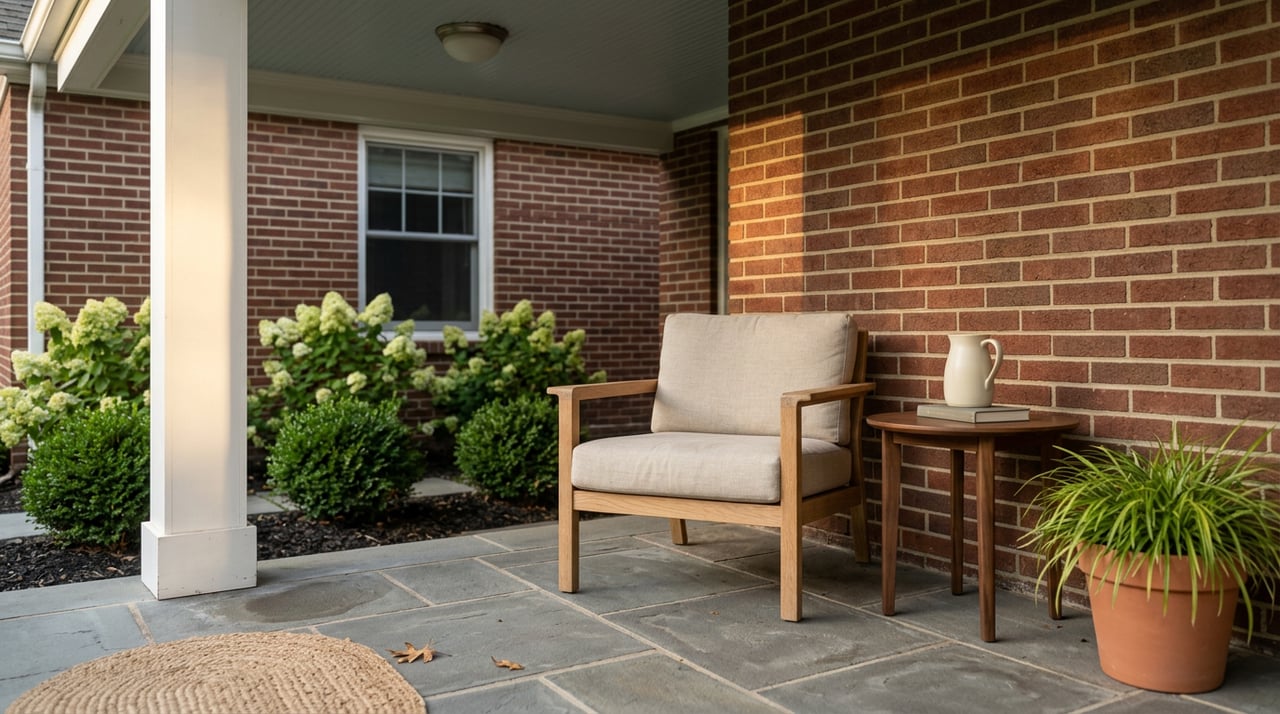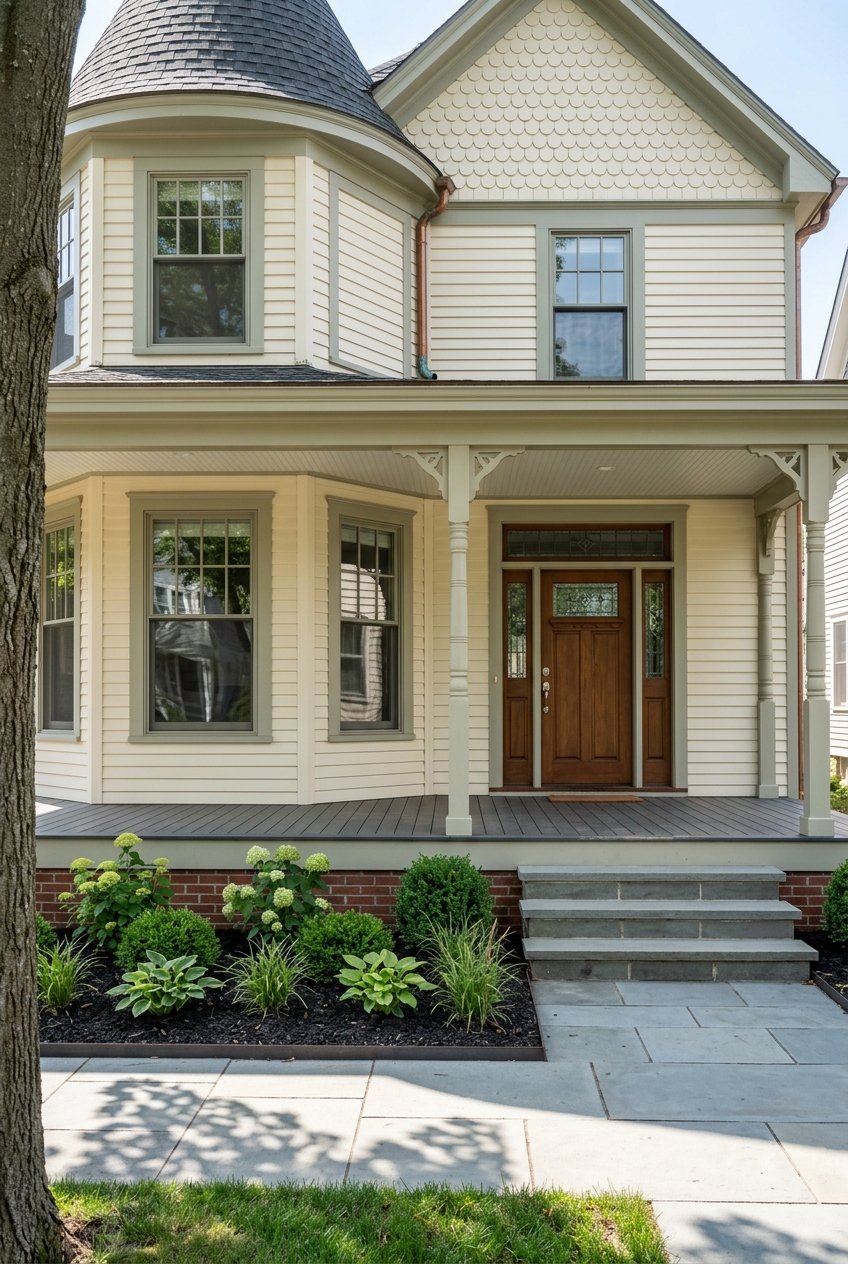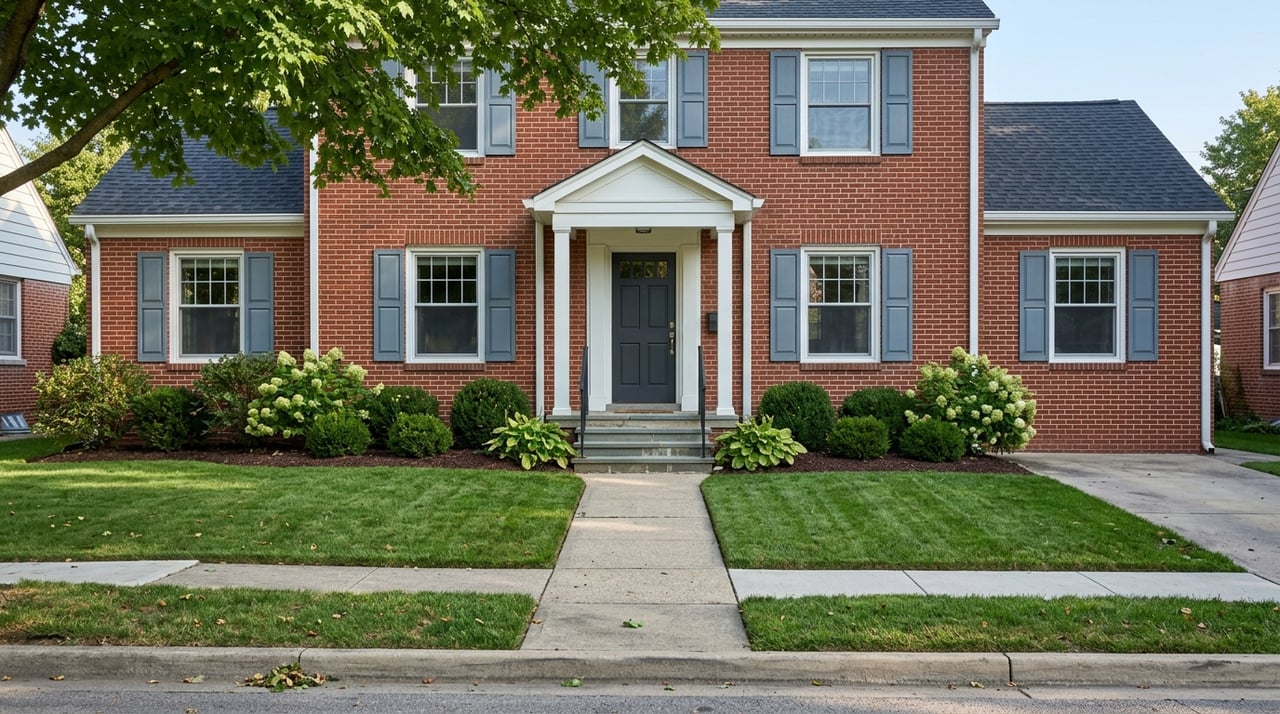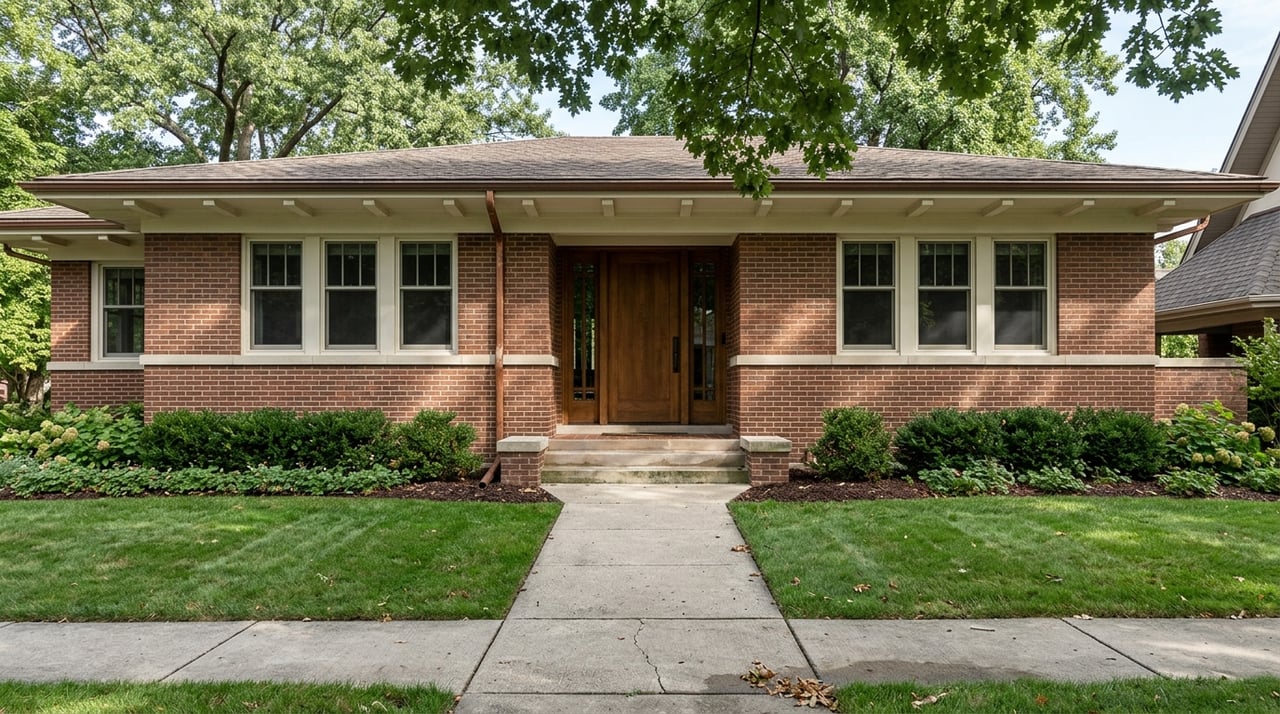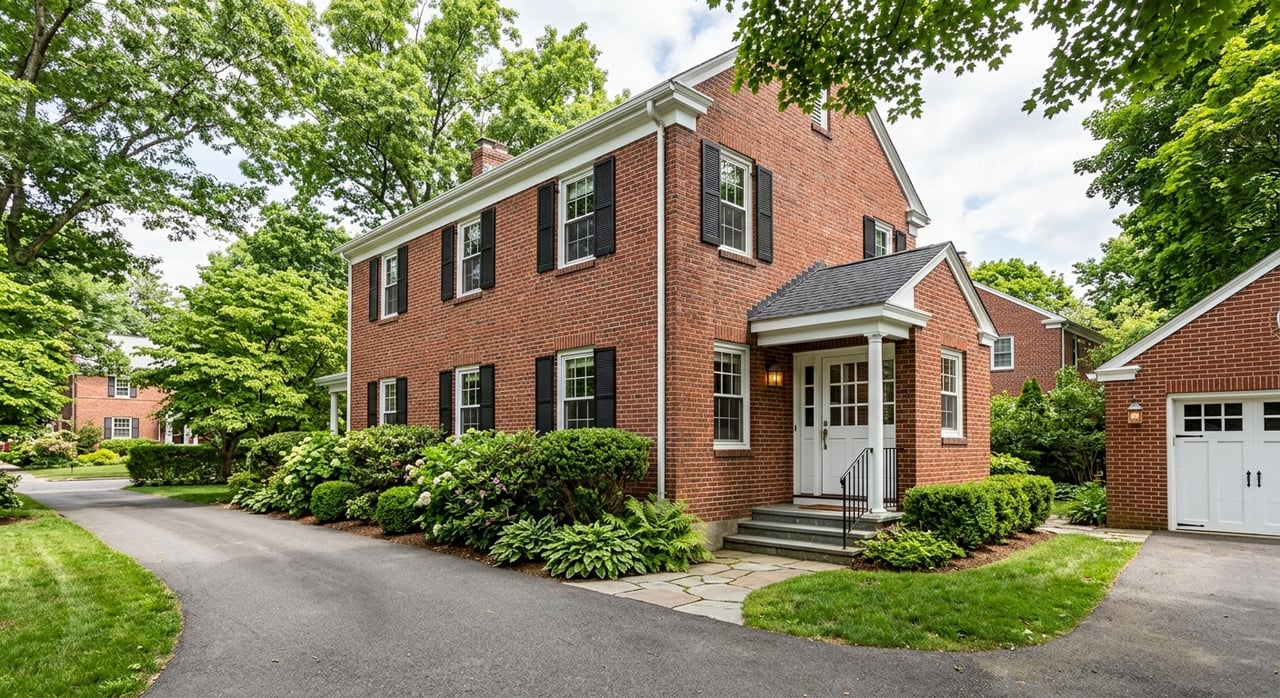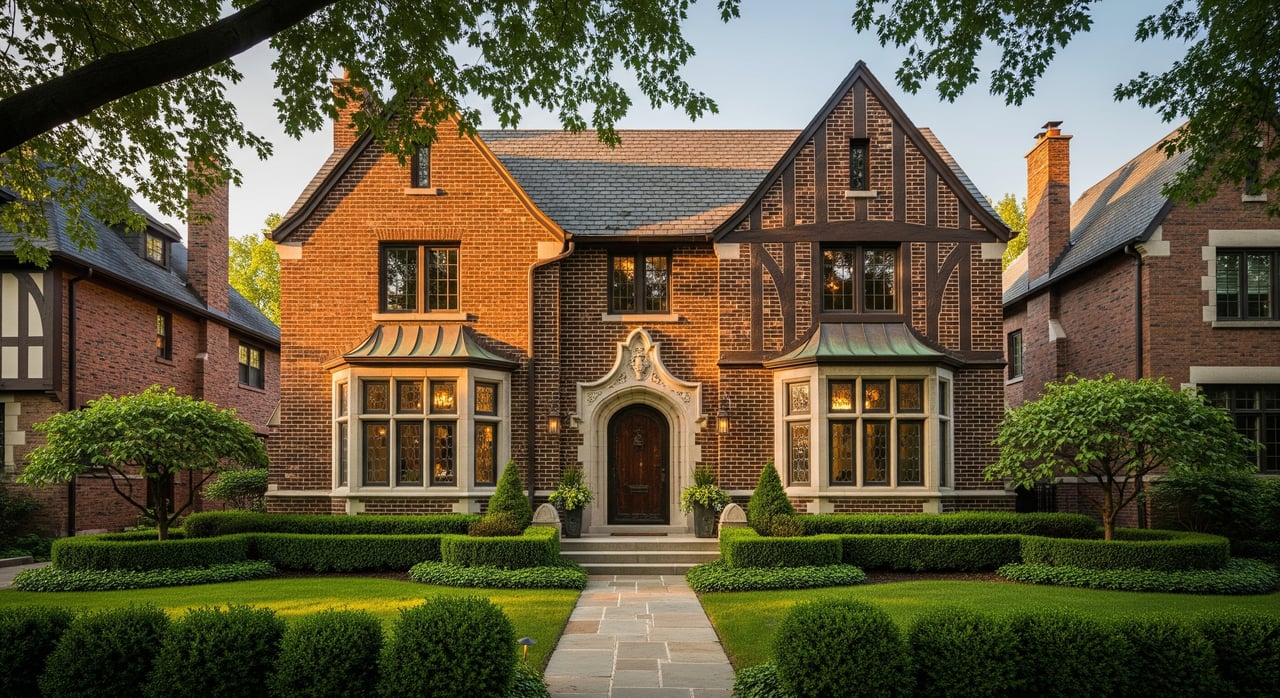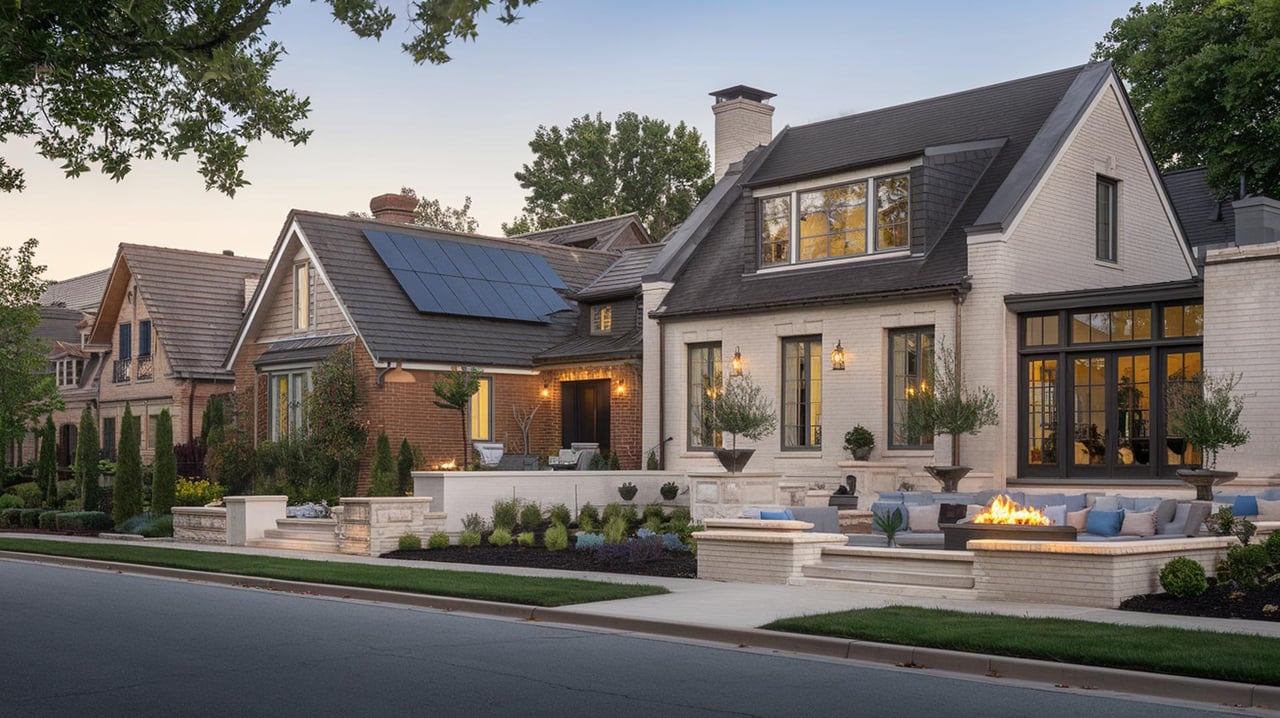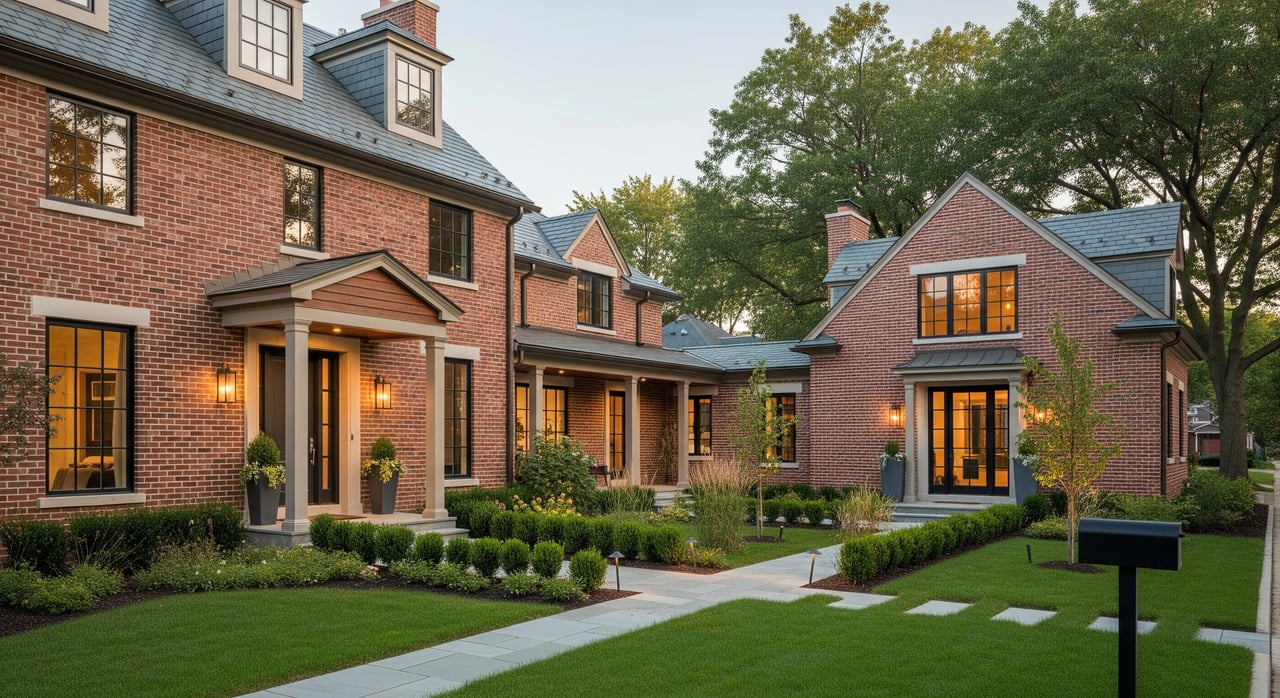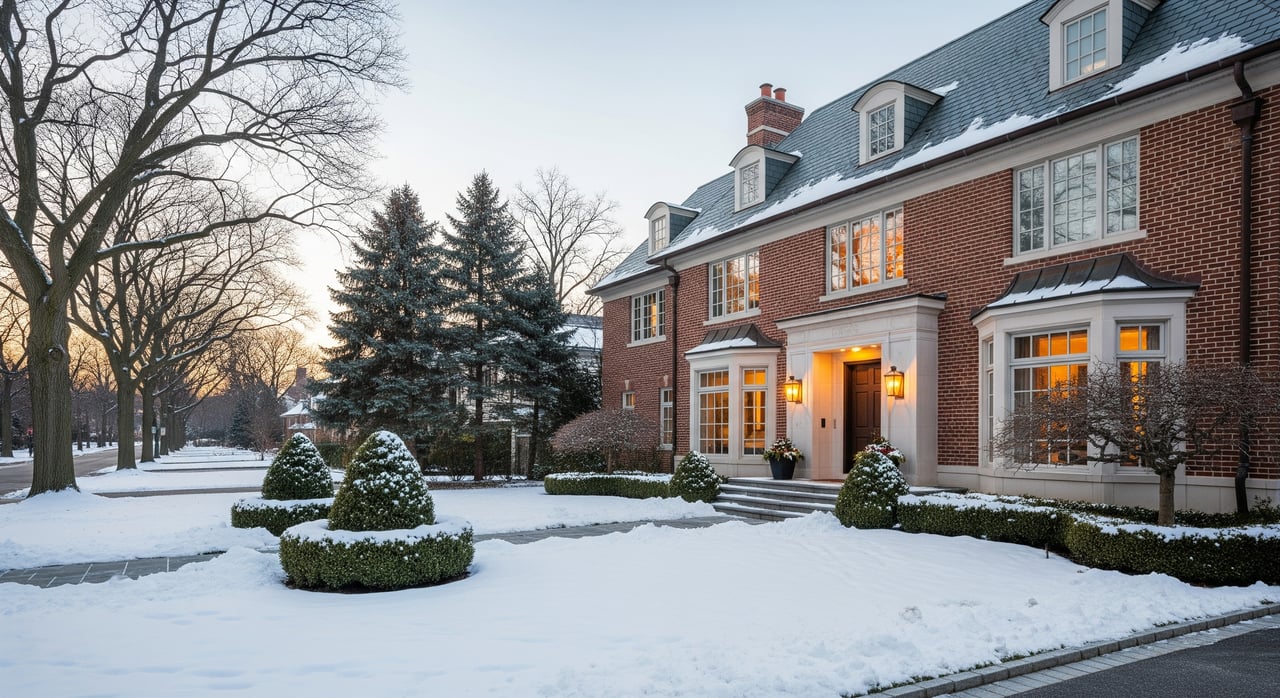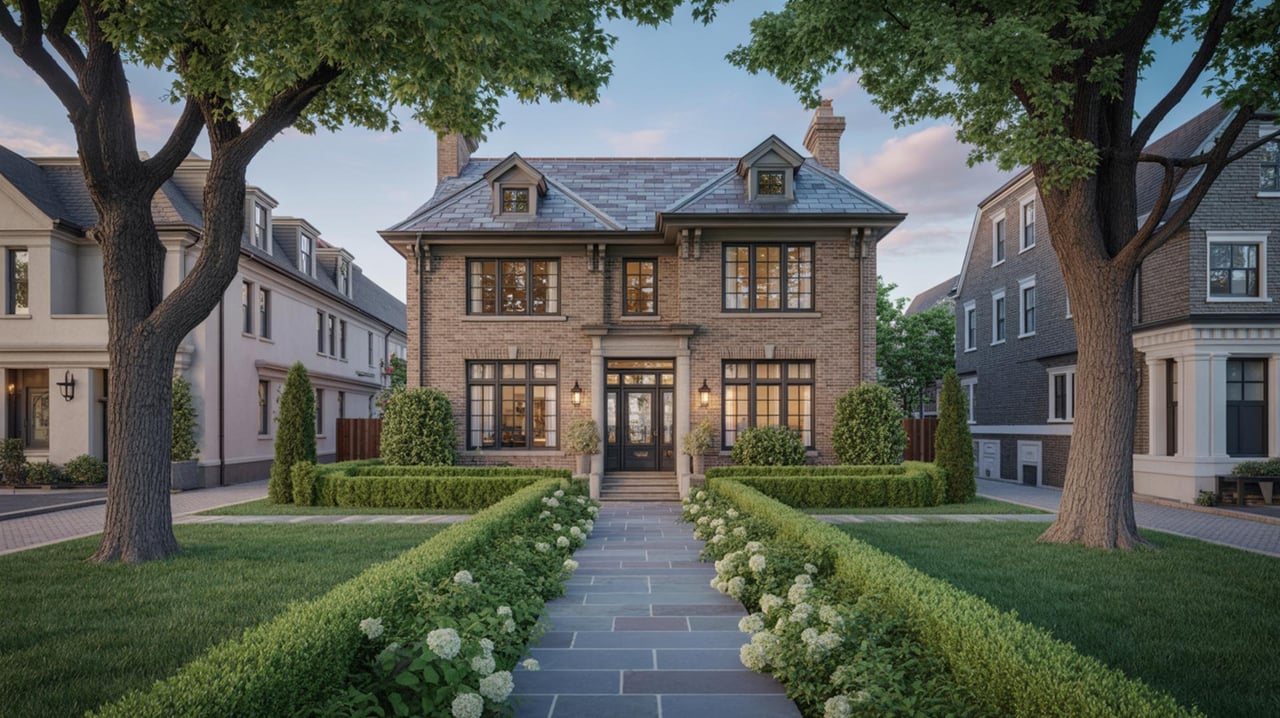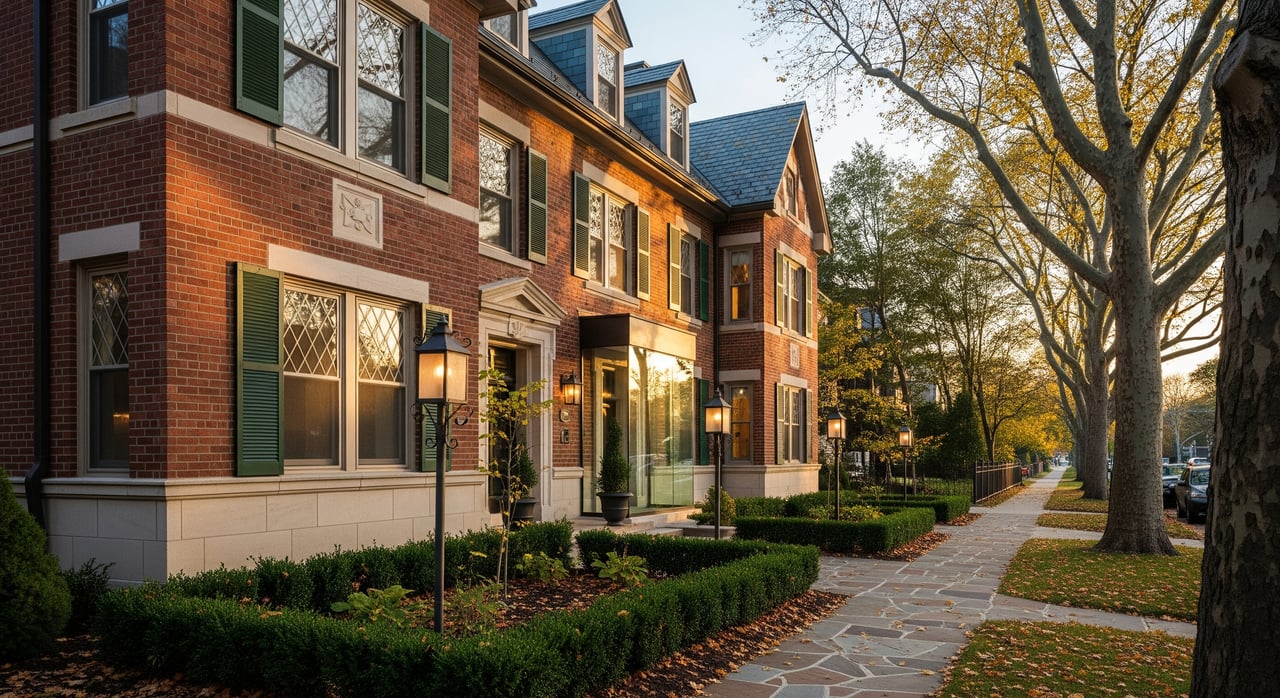
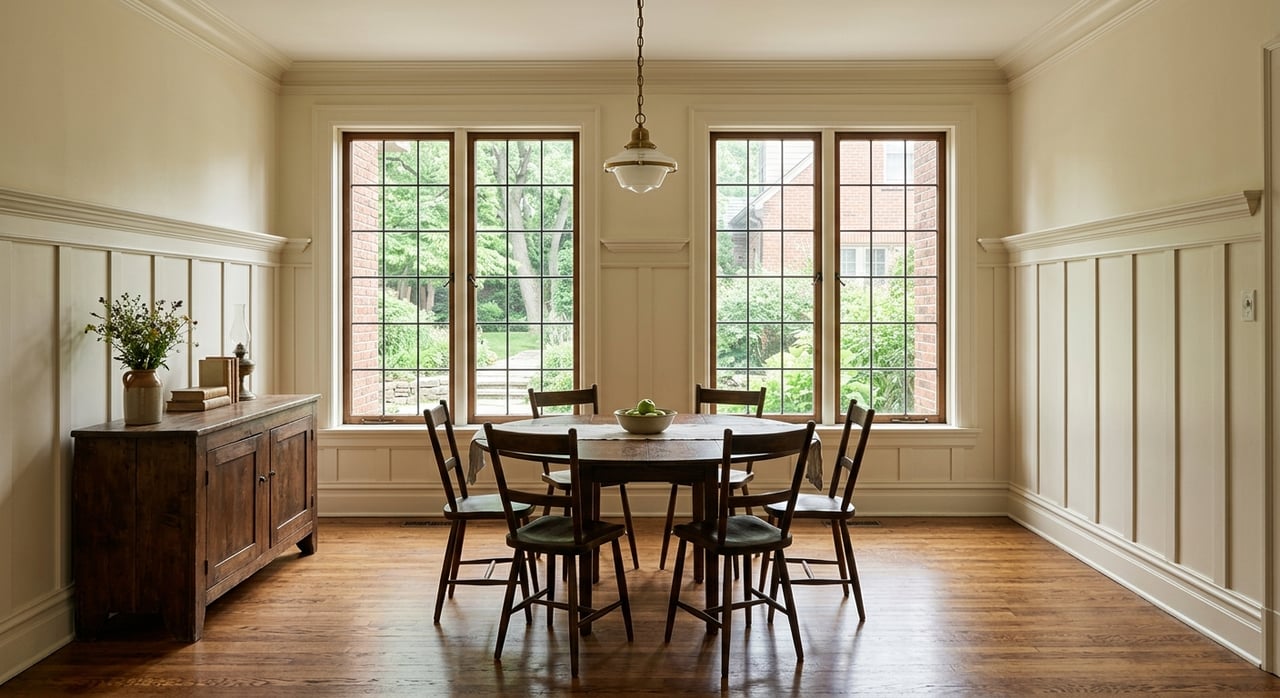
Wondering how to sell an older home in La Grange without losing the charm that makes it special? If you have lived in a vintage home for years, you may be weighing a familiar question: what should you update, what should you leave alone, and how do you present the house in a way that feels honest and compelling. The good news is that La Grange gives you a strong backdrop for that story, and with the right preparation, you can position your home to stand out. Let’s dive in.
Why older homes stand out in La Grange
Older homes are not a niche in La Grange. They are part of the village’s identity. CMAP’s 2025 housing profile found that 37.6% of La Grange homes were built in 1939 or earlier, and the median year built is 1951.
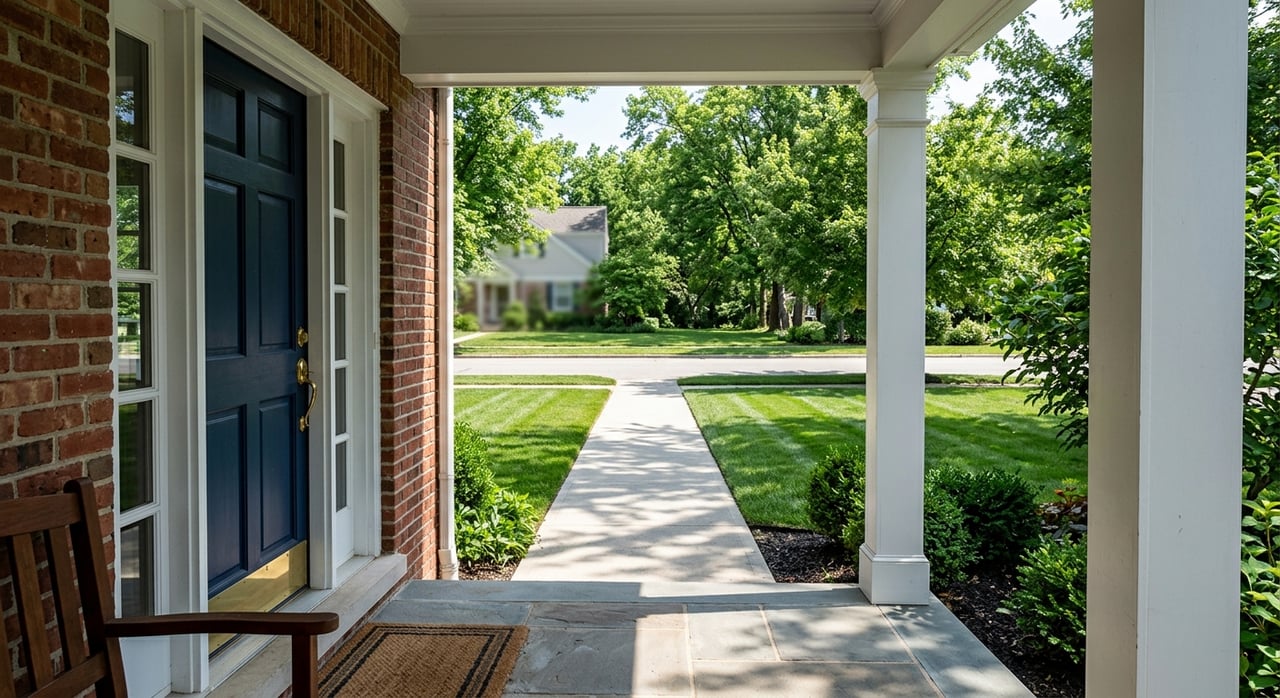
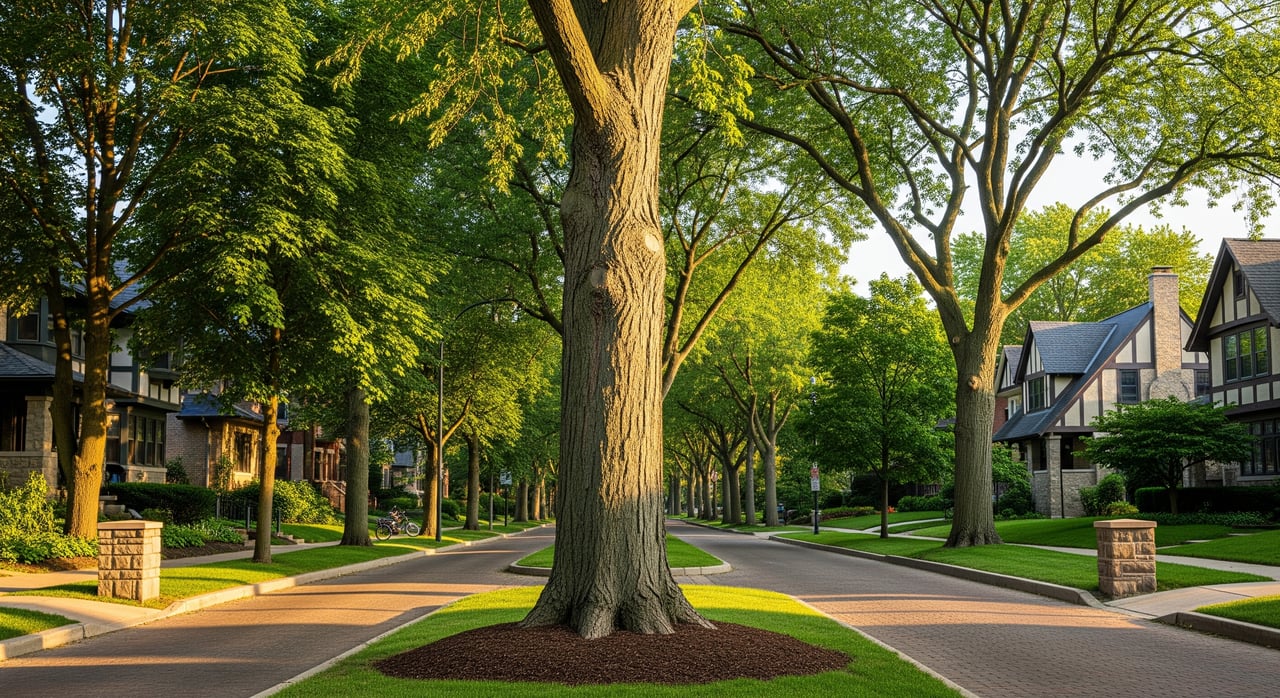
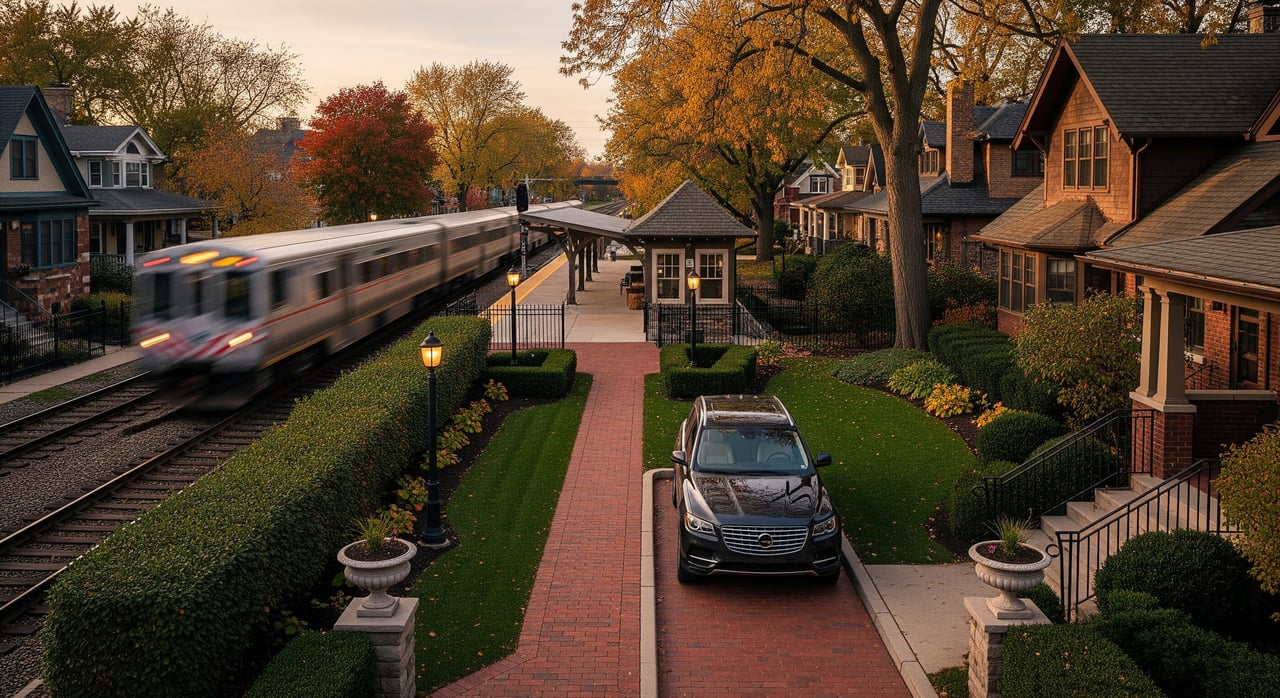
That matters when you sell. Buyers looking in La Grange are often already drawn to the area’s historic homes, traditional downtown, parks, and public transportation, all of which the village points to as part of its character and economic vibrancy. In other words, your home’s age can be an advantage when it is paired with thoughtful upkeep and clear documentation.
Current market conditions also support well-prepared sellers. As of April 30, 2026, Zillow estimated a typical La Grange home value of $653,168, with 26 active listings and 17 new listings. Redfin described La Grange as a very competitive market, with homes receiving about 3 offers on average and selling in around 50 days over the three months ending April 2026.
Lead with character, not apology
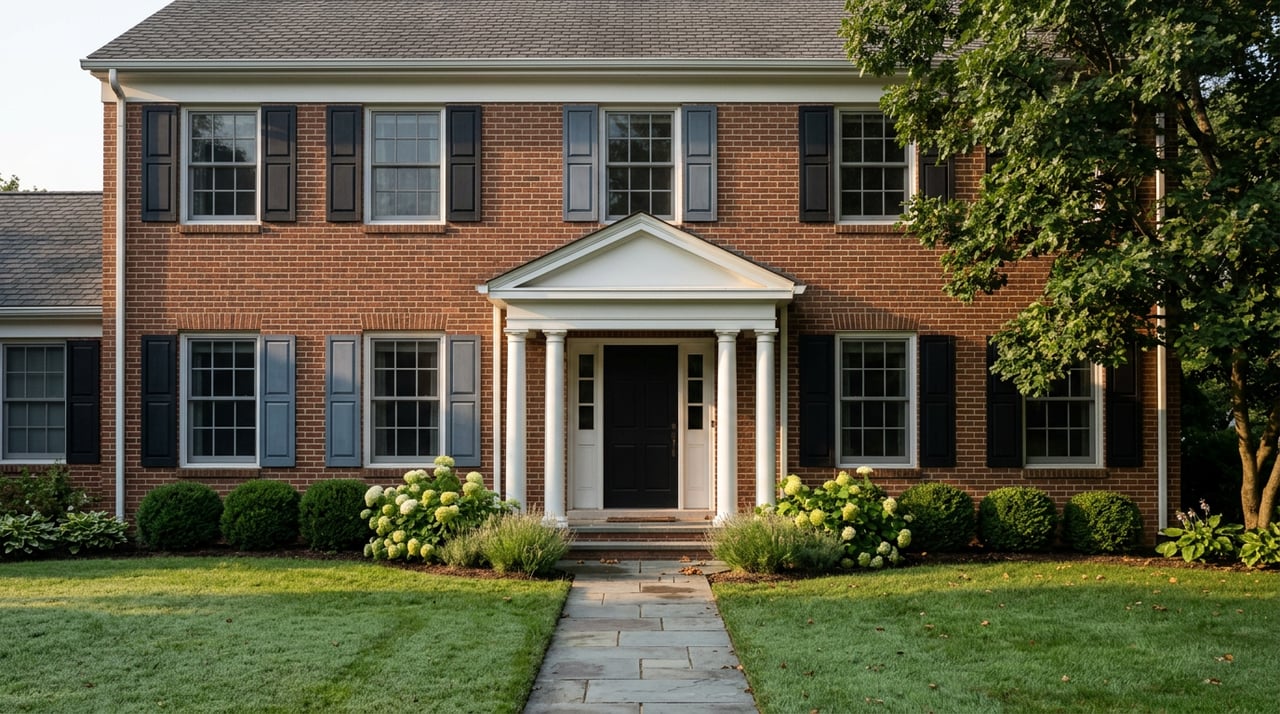
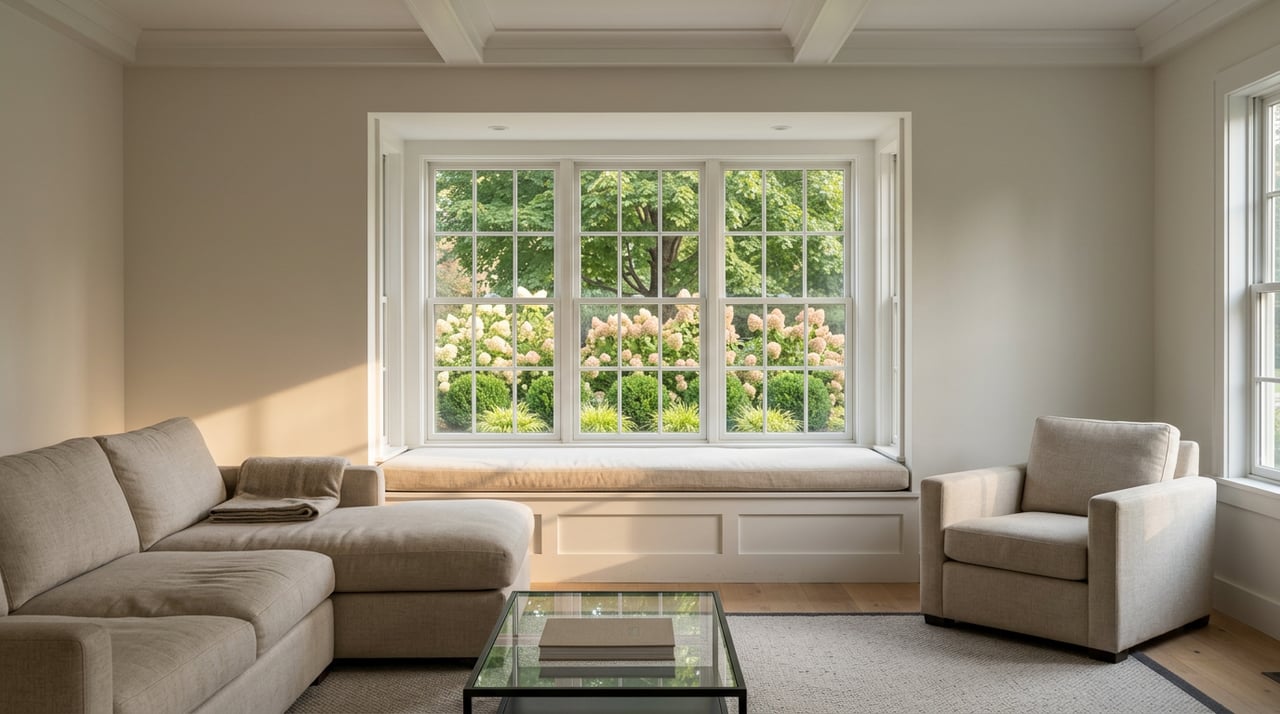
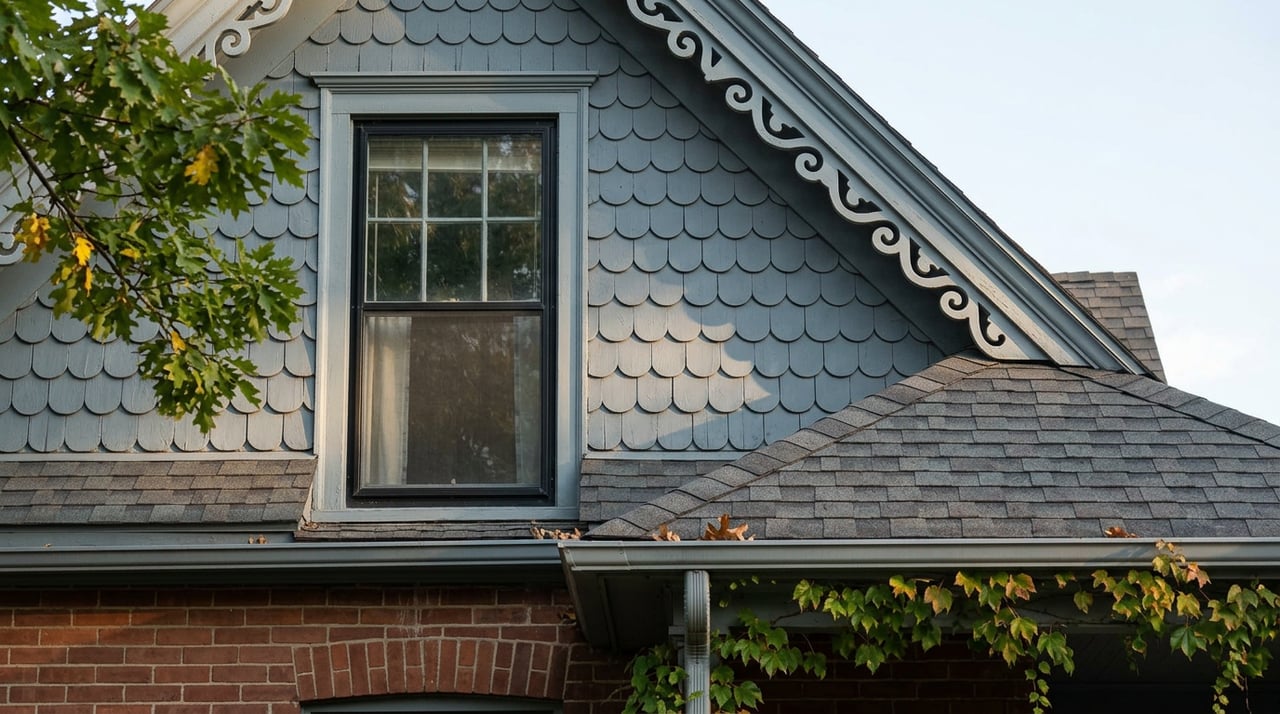
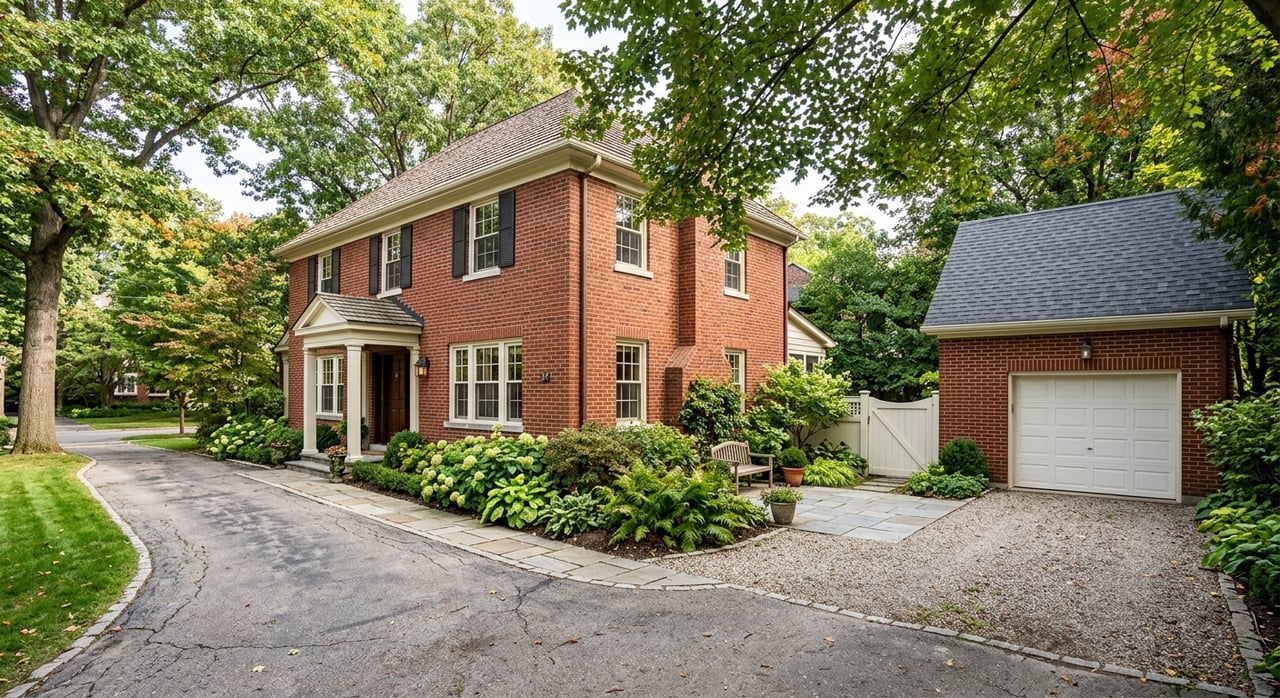
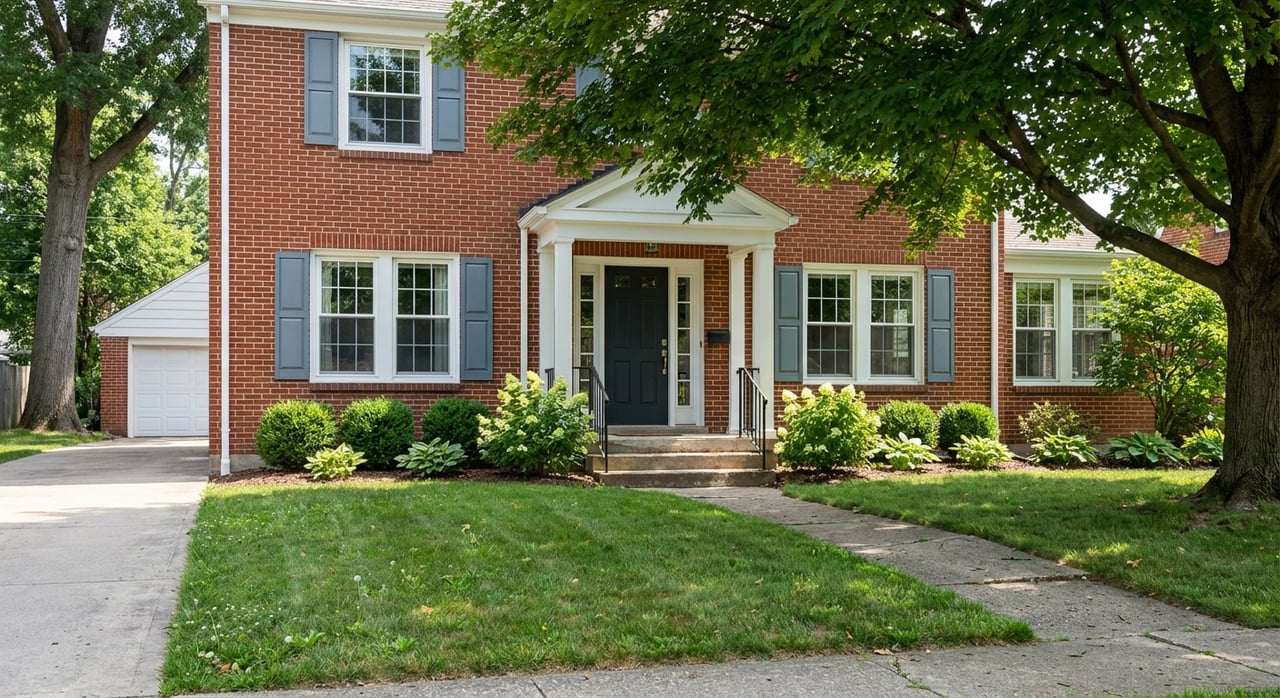
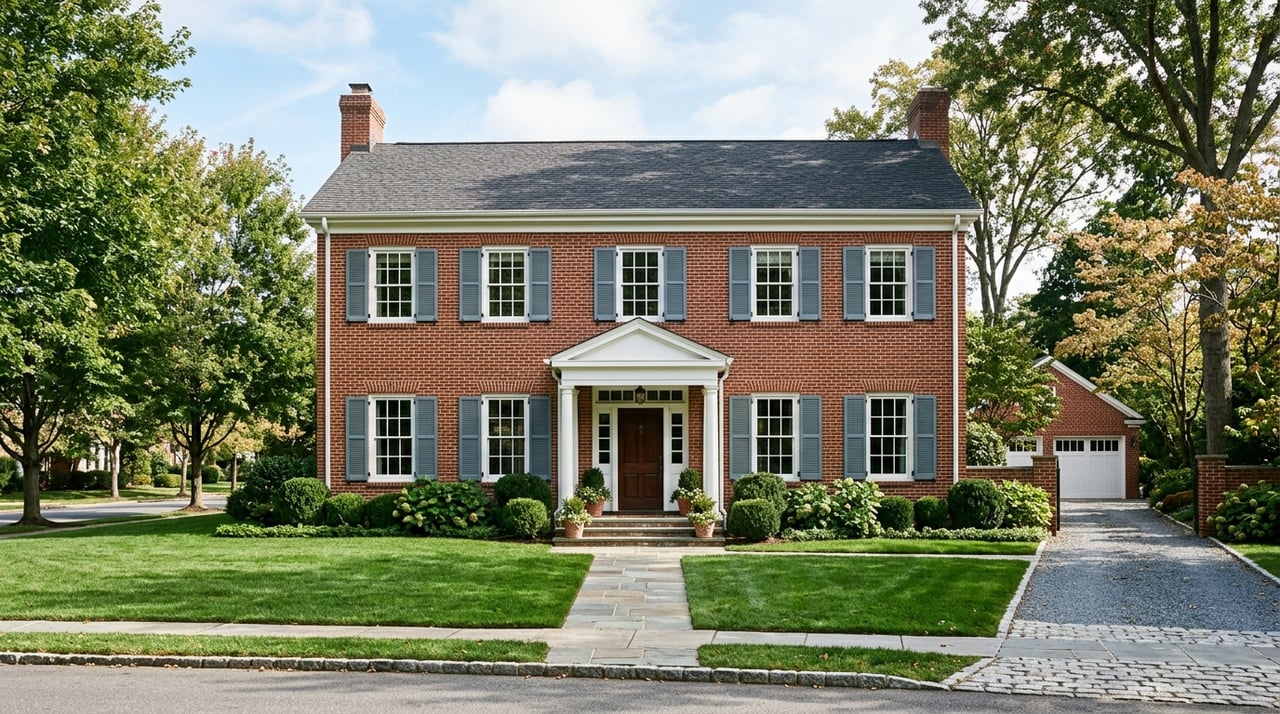
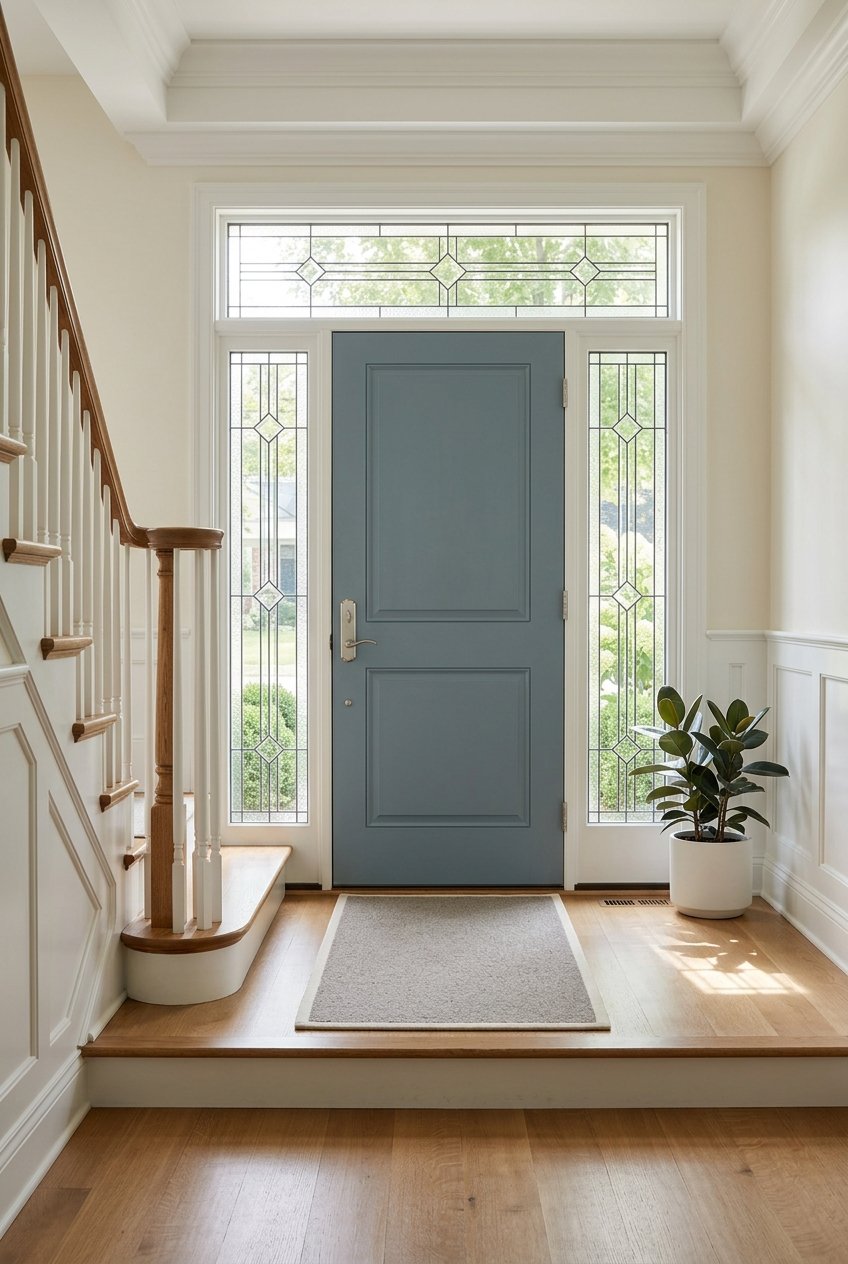
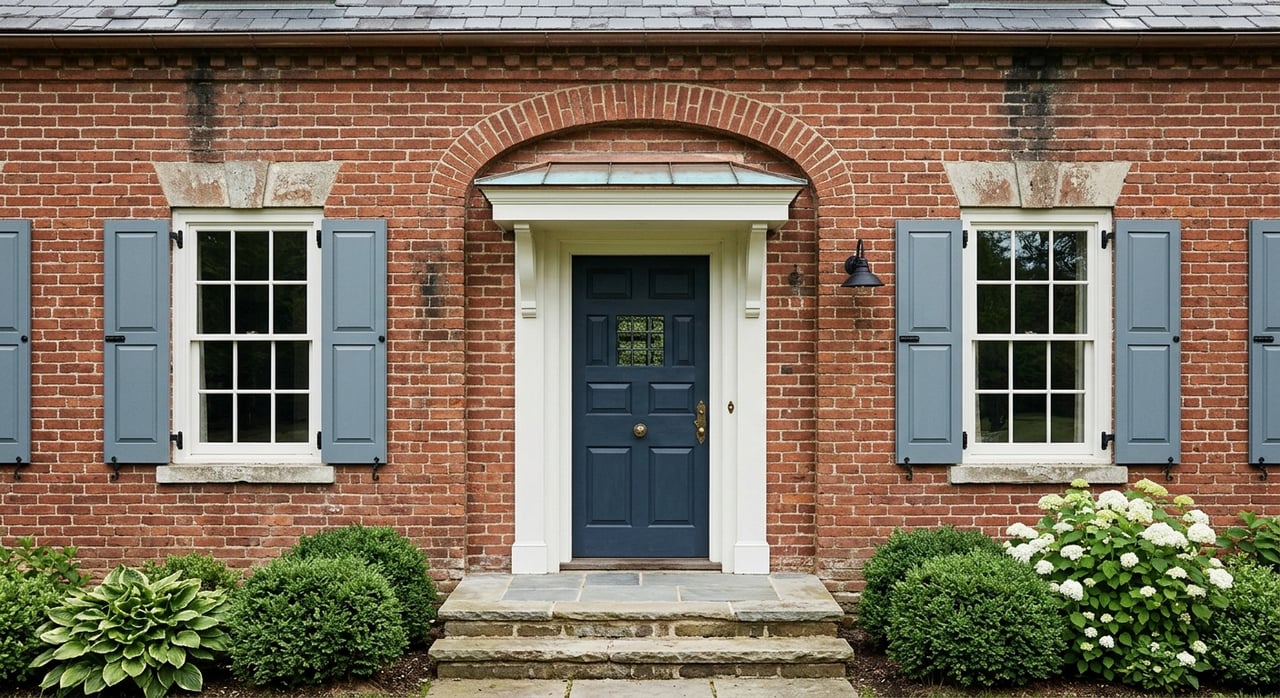
One of the biggest mistakes sellers make with older homes is treating original details like problems to explain away. In La Grange, period character can be part of the value. If your home has original millwork, hardwood floors, built-ins, stained glass, vintage doors, or period-appropriate architectural details, those features should be presented as assets.
That does not mean every older feature stays. It means your strategy should focus on preserving what gives the home personality while addressing anything that makes the property feel neglected or hard to maintain. Buyers tend to respond best when a home feels both authentic and cared for.
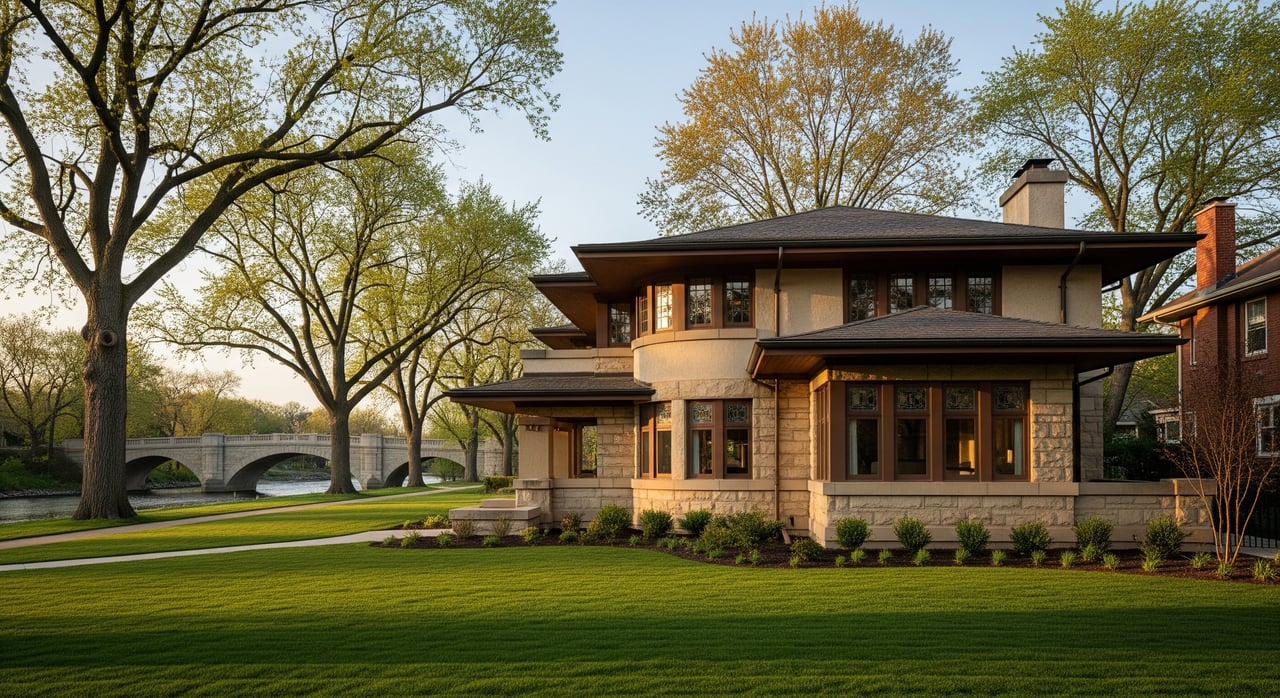
If your property sits within the broader historic fabric of La Grange, you may also have a richer story to tell. The La Grange Area Historical Society preserves property files with photographs, newspaper clippings, and historical documents, which can help sellers build a more meaningful narrative around a home’s background and place in the village.
Focus on updates that refresh
When you are preparing an older home for sale, the goal is usually not a full reinvention. It is a clean, polished presentation that helps buyers see themselves in the home while still appreciating its age and style.
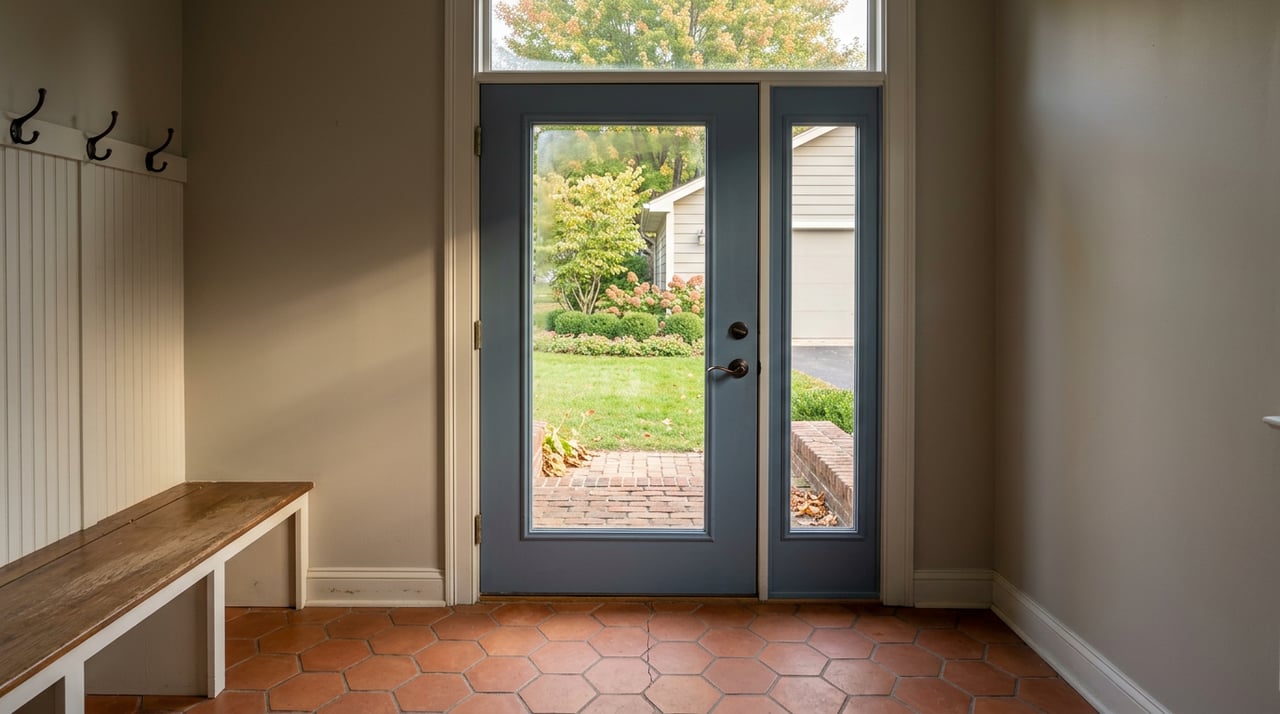
In La Grange, several common refresh projects generally do not require a permit. The village says painting, replacing existing flooring, replacing windows or doors in the same size, adding storm doors, weather stripping, and replacing fixtures or appliances in the same location generally fall into that category.
Those are often the highest-impact pre-list improvements for an older home because they can:
- Brighten tired spaces
- Improve first impressions
- Make the home feel move-in ready
- Preserve original scale and style
- Avoid unnecessary project delays
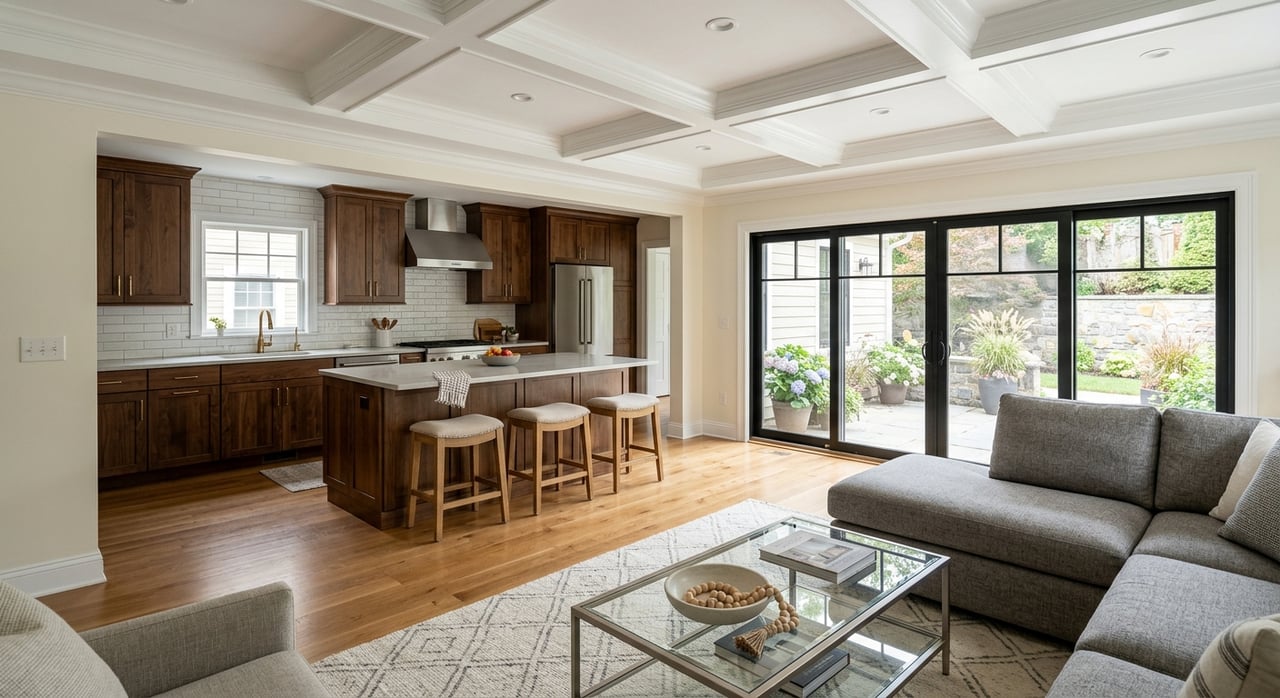
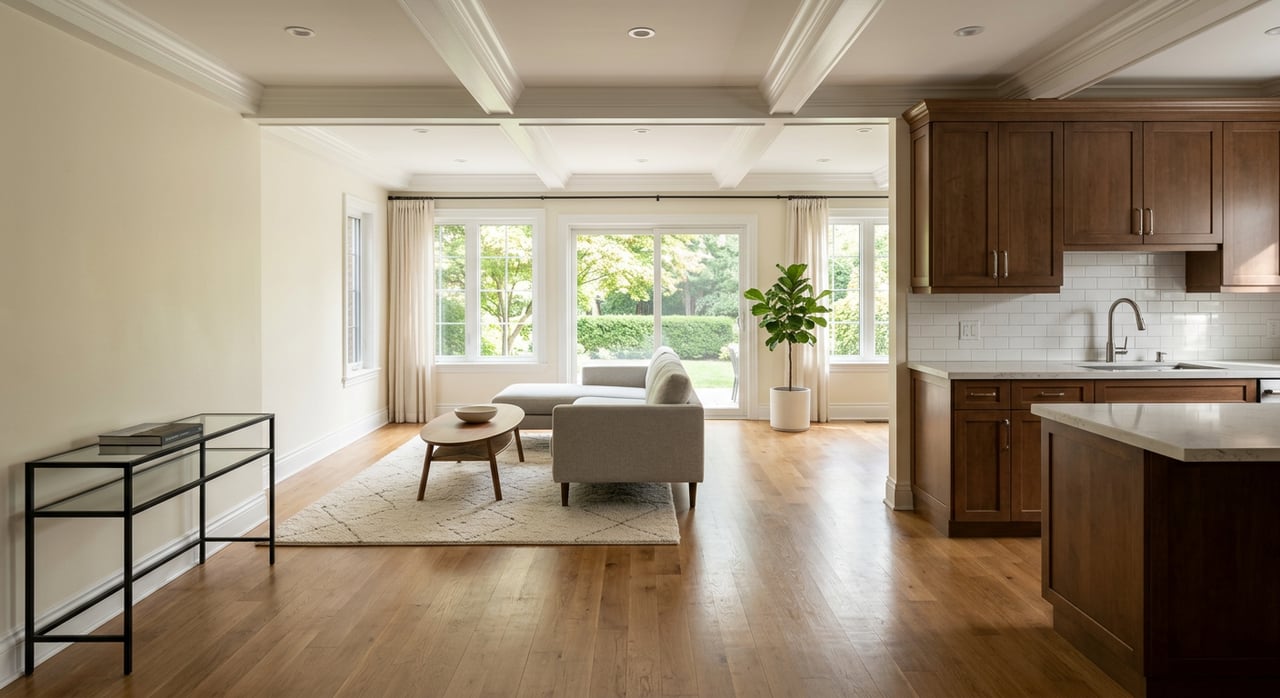
A fresh coat of paint, refinished or updated flooring, improved lighting, and a more cohesive finish palette can go a long way. In many cases, these changes make the house feel lighter and better maintained without stripping away the elements that make it distinctive.
Know what may require permits
Older homes often come with a longer repair list, but not every project should happen right before listing. In La Grange, more substantial work is more likely to trigger permit review.
The village identifies room remodels, additions, porch or deck work, structural changes, attic or basement finishing, window or door size changes, HVAC changes, fireplace installation, foundation waterproofing, electrical and plumbing alterations, siding replacement, roof repair, masonry or tuckpointing, fences, and demolition as work that requires a permit or express permit.
That matters for two reasons. First, permit-related work can affect your prep timeline. Second, the village warns that unpermitted work can result in a double permit fee.
If you plan to tackle repairs before listing, use contractors registered with the Community Development Department and keep records. In an older home sale, buyers often feel more confident when they can see invoices, permit history, and proof that updates were completed properly.
Consider a pre-list inspection
For older homes, surprises can be expensive. A pre-list inspection is not required by Illinois law, but it can be especially useful in La Grange given the age of much of the housing stock.
When more than one-third of homes in town were built before 1940, common older-home issues are not unusual. An inspection before you list can help you identify visible defects, decide what is worth repairing, and reduce the chance that a buyer’s inspection becomes the moment where the deal shifts.
A pre-list inspection can also help you separate issues into three categories:
- Items to repair before listing
- Items to disclose and price around
- Items that are cosmetic and better left alone
That kind of clarity is valuable. It helps you make decisions early instead of reacting under contract.
Handle Illinois disclosures carefully
Illinois sellers of qualifying residential property must complete the Residential Real Property Disclosure Report and deliver it before signing a contract. If you become aware of an error, inaccuracy, or omission before closing, Illinois law requires a written supplemental disclosure.
The statute defines a material defect as a condition that would have a substantial adverse effect on value or would significantly impair the health or safety of future occupants, unless you reasonably believe the condition has already been corrected. The statutory form also states that completing it creates legal obligations and that sellers may wish to consult an attorney before filling it out.
Timing matters here. If a material-defect disclosure is delivered after a contract is signed, the buyer may have a 5-business-day right to terminate and recover earnest money.
For an older home, this is one reason early preparation pays off. The more clearly you understand your home’s condition before you go live, the easier it is to disclose accurately and avoid avoidable friction later.
Don’t overlook lead-based paint rules
If your home was built before 1978, lead-based paint compliance should be part of your selling plan. Federal law generally requires sellers of most pre-1978 housing to disclose known information about lead-based paint and lead-based paint hazards, provide available records and reports, give the buyer the EPA and HUD pamphlet, include the required lead warning statement, and allow a 10-day period for a paint inspection or risk assessment unless the buyer waives it.
Lead issues also matter if you are doing work before listing. EPA recommends using a lead-safe certified contractor for renovation in pre-1978 homes because sanding, cutting, window replacement, and similar work can create hazardous dust and paint chips.
In practical terms, that means pre-list remodeling in an older La Grange home is not just about style. It is also about handling the work responsibly and keeping good records.
Market the home with proof and story
The strongest older-home listings in La Grange are usually both story-driven and documentation-driven. Buyers are often attracted to character, but they also want confidence.
That is why your marketing should do two things at once. It should show the home’s architectural personality and back it up with evidence of maintenance, improvements, and compliance.
A strong listing strategy may highlight:
- Original or period-appropriate details
- Documented repairs and updates
- Permit history when applicable
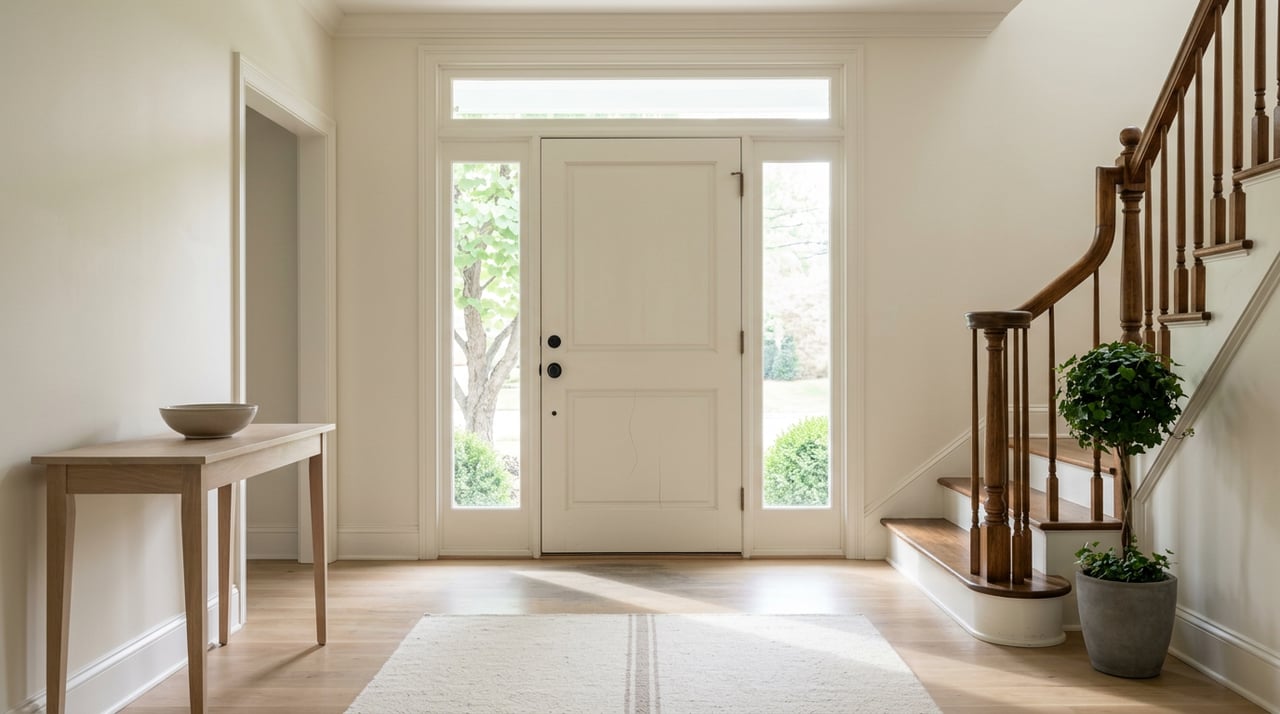
- Thoughtful staging that suits the home’s style
- The home’s connection to La Grange’s historic fabric
- Proximity to downtown, parks, and public transportation
This is where presentation matters. A well-staged older home should feel polished, warm, and easy to understand. Buyers should be able to appreciate the craftsmanship while also seeing that the house has been cared for over time.
Be careful with renovation potential
Some buyers will love an older home as-is. Others will immediately start thinking about additions, exterior changes, or larger remodels. That can be part of the conversation, but it needs to be handled carefully.
Before promising future renovation potential, sellers should verify whether the property falls within La Grange’s Design Review Overlay District. The village zoning code states that design review permits are required in that overlay.
That does not mean a buyer cannot make changes. It means you should avoid broad promises and instead encourage buyers to confirm zoning and permit rules for any future exterior plans. Accurate marketing builds trust, especially with homes that have architectural or historical significance.
What buyers want to see now
In a competitive market, buyers are usually looking for a balance of charm and confidence. They may love vintage architecture, but they still want the basics to feel solid.
For many La Grange older-home sales, that means the winning formula looks like this:
- Character that has been preserved
- Cosmetic updates that make daily living feel easier
- Deferred maintenance addressed where possible
- Clear disclosures
- Organized records for repairs and permits
- A pricing and marketing strategy that reflects both condition and location
This approach helps your home appeal to buyers who value authenticity but do not want to feel overwhelmed by unknowns.
Selling an older home well
Selling an older home in La Grange is rarely about making it look brand new. It is about helping buyers see the value in a home that has history, presence, and a place in the village’s architectural character.
When you combine smart cosmetic prep, careful documentation, early attention to inspections and disclosures, and marketing that highlights both lifestyle and craftsmanship, you give your home its best chance to compete. In a market where character still matters, that kind of preparation can make a real difference.
If you are getting ready to sell an older home in La Grange, The Anne Monckton Group can help you build a thoughtful plan for preparation, presentation, and pricing that respects your home’s character and positions it for a strong result.
FAQs
Is selling an older home in La Grange different from selling a newer home?
- Yes. Older homes often require more attention to condition, disclosures, permit history, and marketing details that highlight original character and documented updates.
Should you get a pre-list inspection for an older home in La Grange?
- A pre-list inspection is often helpful because La Grange has an older housing stock, and it can surface issues before a buyer’s inspection turns them into negotiation problems.
Do cosmetic updates in La Grange usually require a permit?
- Not always. The village says painting, replacing existing flooring, replacing windows or doors in the same size, weather stripping, storm doors, and replacing fixtures or appliances in the same location generally do not require a permit.
What work on an older La Grange home may require a permit?
- Projects such as remodels, additions, structural changes, attic or basement finishing, window or door size changes, HVAC changes, plumbing or electrical alterations, siding replacement, roof repair, masonry work, fences, and demolition may require a permit or express permit.
Does National Register status prevent a private owner from selling a La Grange home?
- No. The village says National Register listing for private property is honorary in nature, and owners remain free to maintain, manage, or dispose of the property absent federal involvement.
What lead-based paint rules apply when selling an older home in La Grange?
- For most homes built before 1978, sellers must disclose known lead-based paint information, provide available records and reports, include the required warning statement, give the buyer the EPA and HUD pamphlet, and allow a 10-day inspection period unless waived.
Should you market renovation potential for an older home in La Grange?
- Only carefully. If the property is in La Grange’s Design Review Overlay District, design review permits are required, so buyers should confirm zoning and permit rules before planning exterior changes.