Wondering whether a vintage home in La Grange is a dream find or a future project list? You are not alone. Many buyers love the character, craftsmanship, and curb appeal of older homes here, but you also want to know what you are really buying before you commit. This guide walks you through the biggest things to consider, from historic character and maintenance to inspections, permits, and value, so you can move forward with more confidence. Let’s dive in.
Why vintage homes matter in La Grange
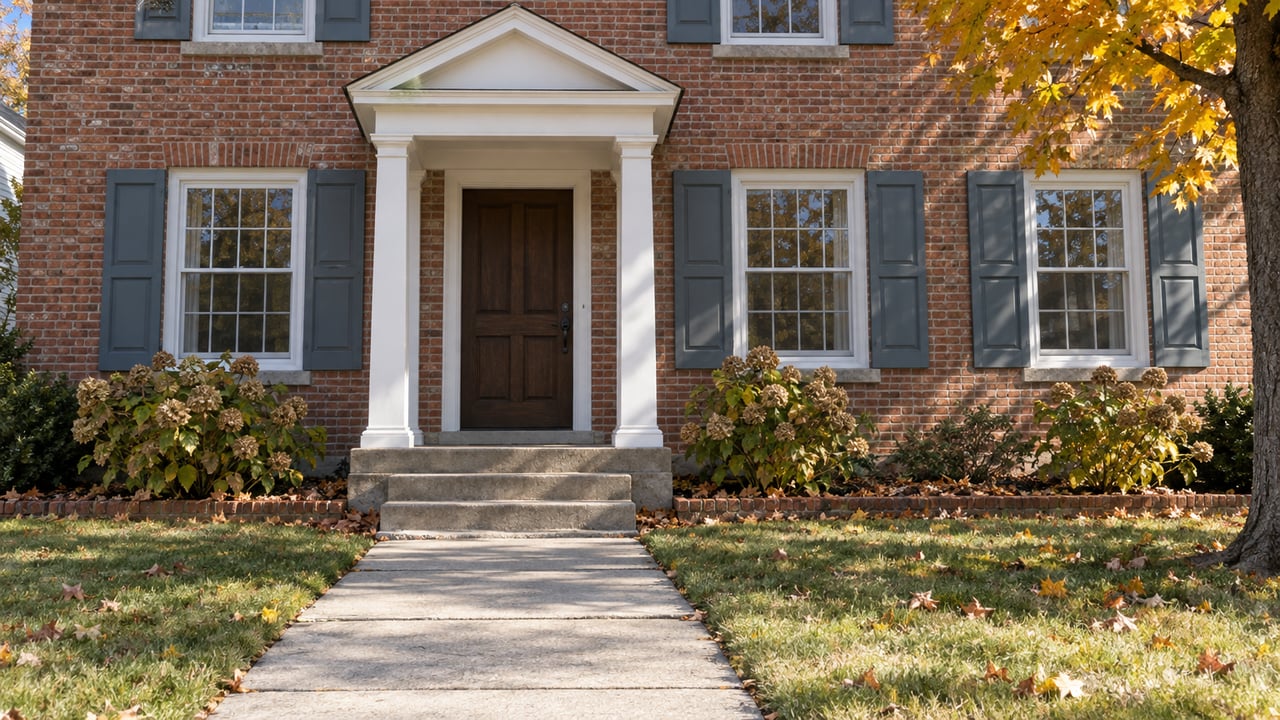
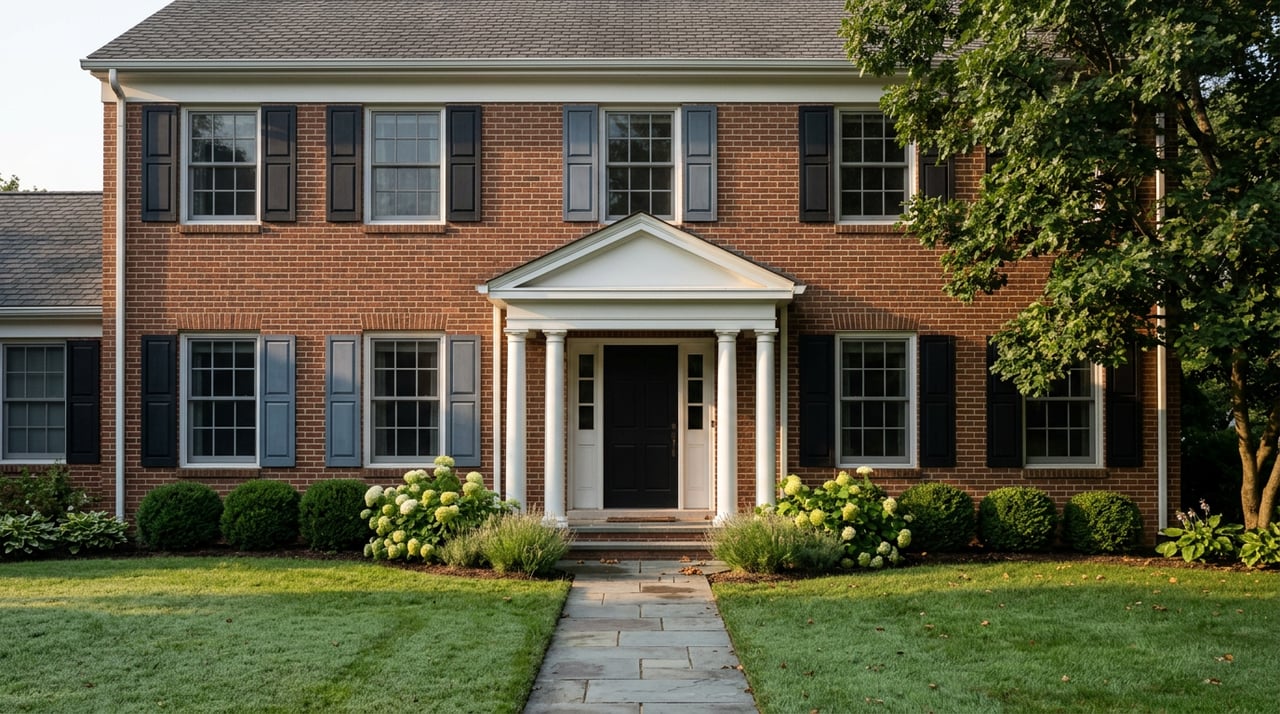
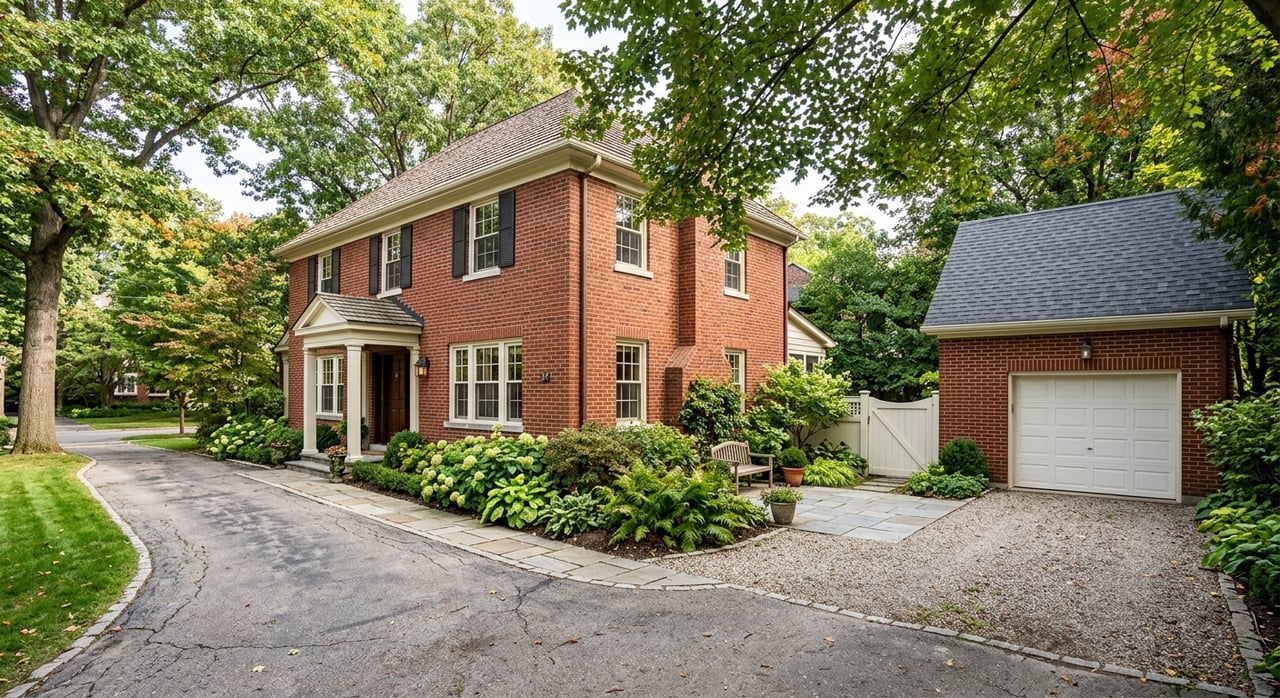
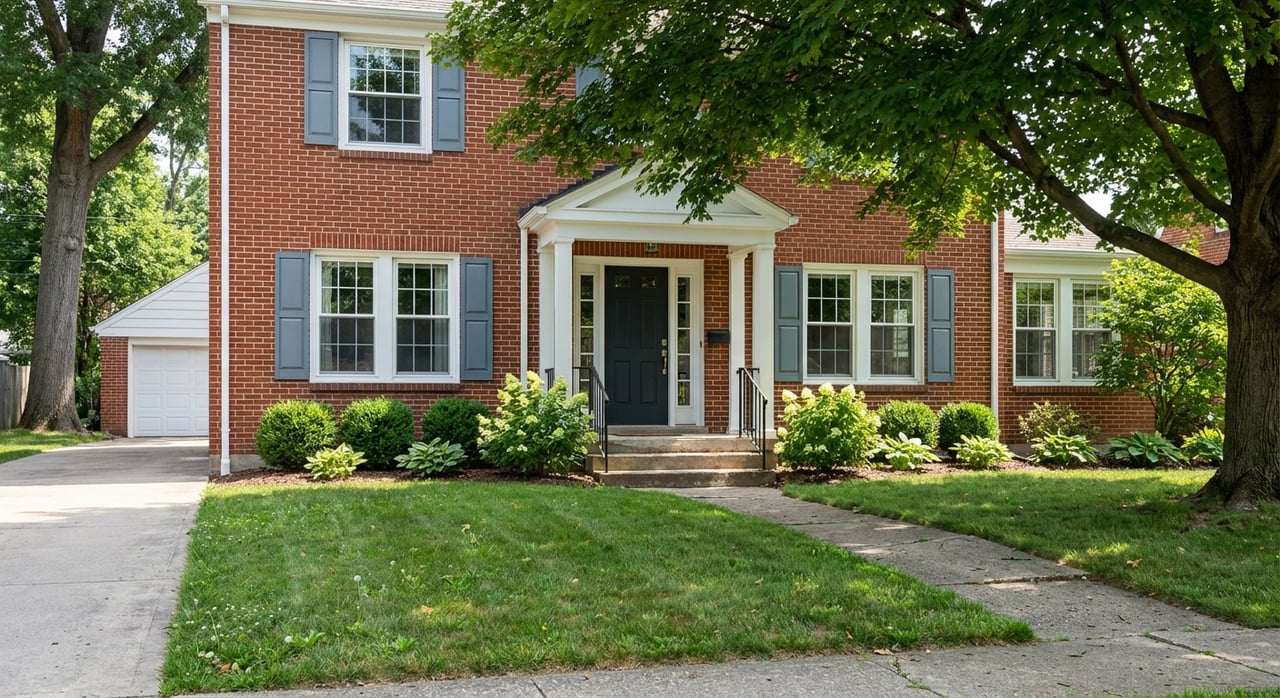
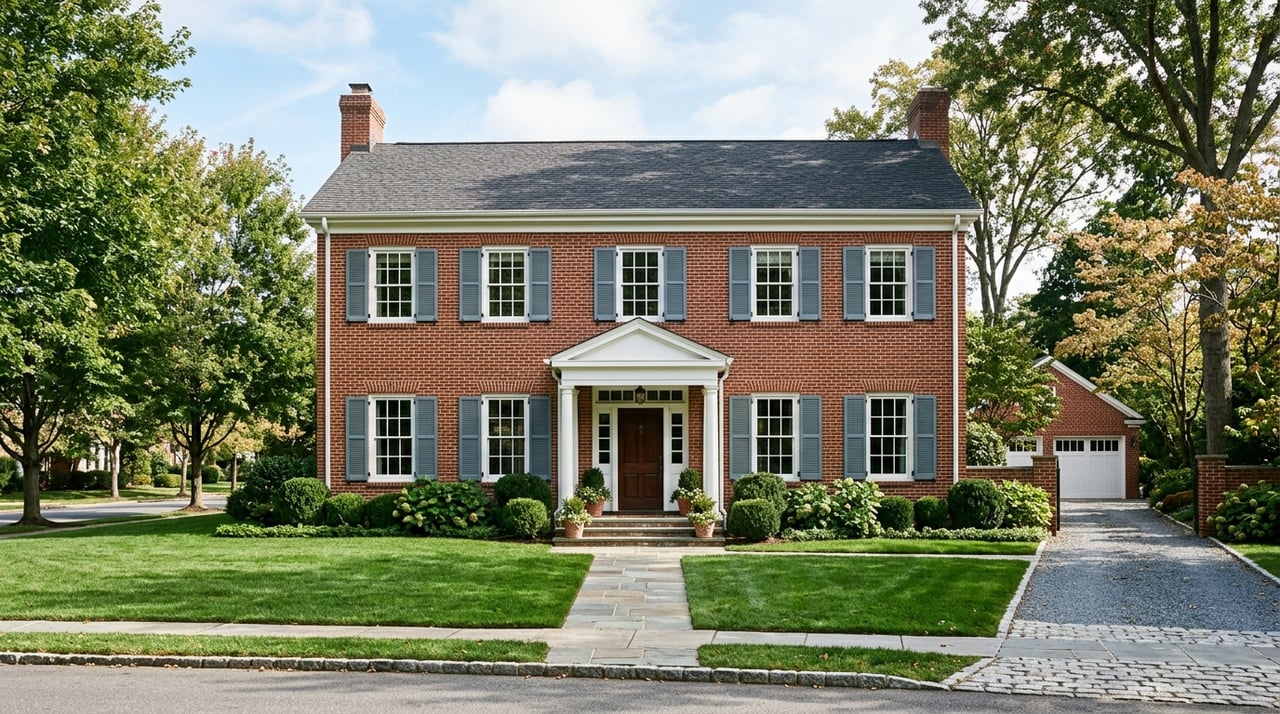
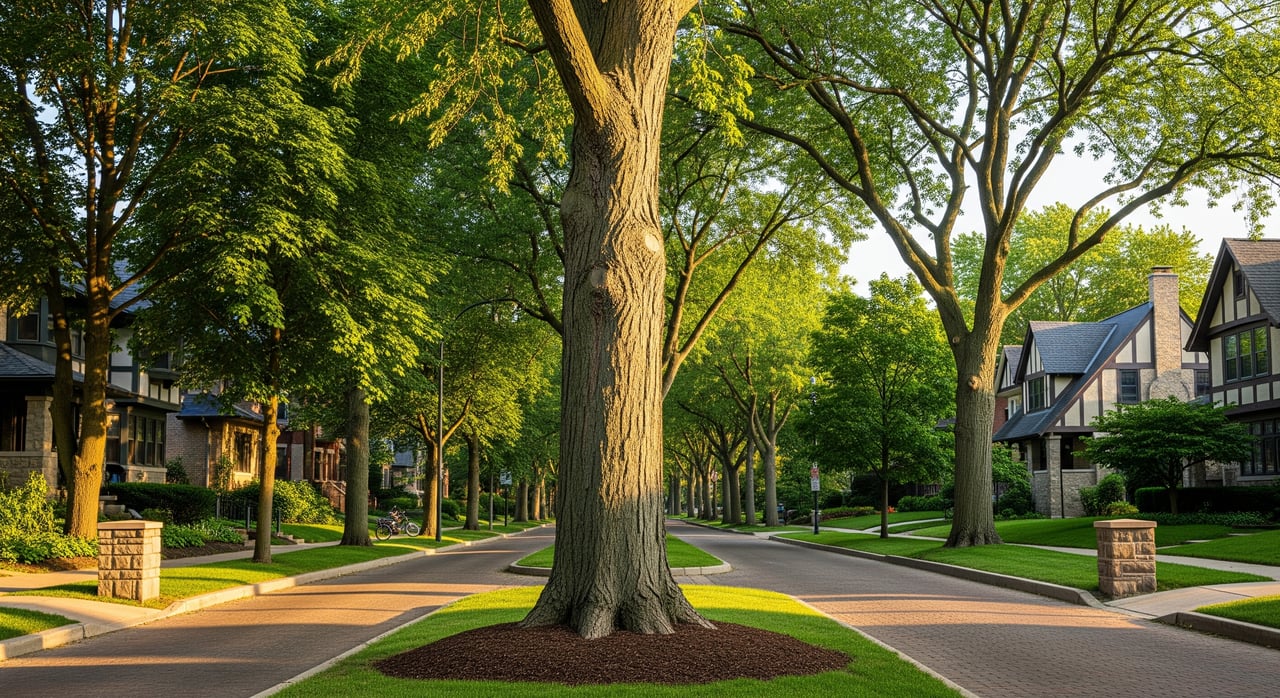
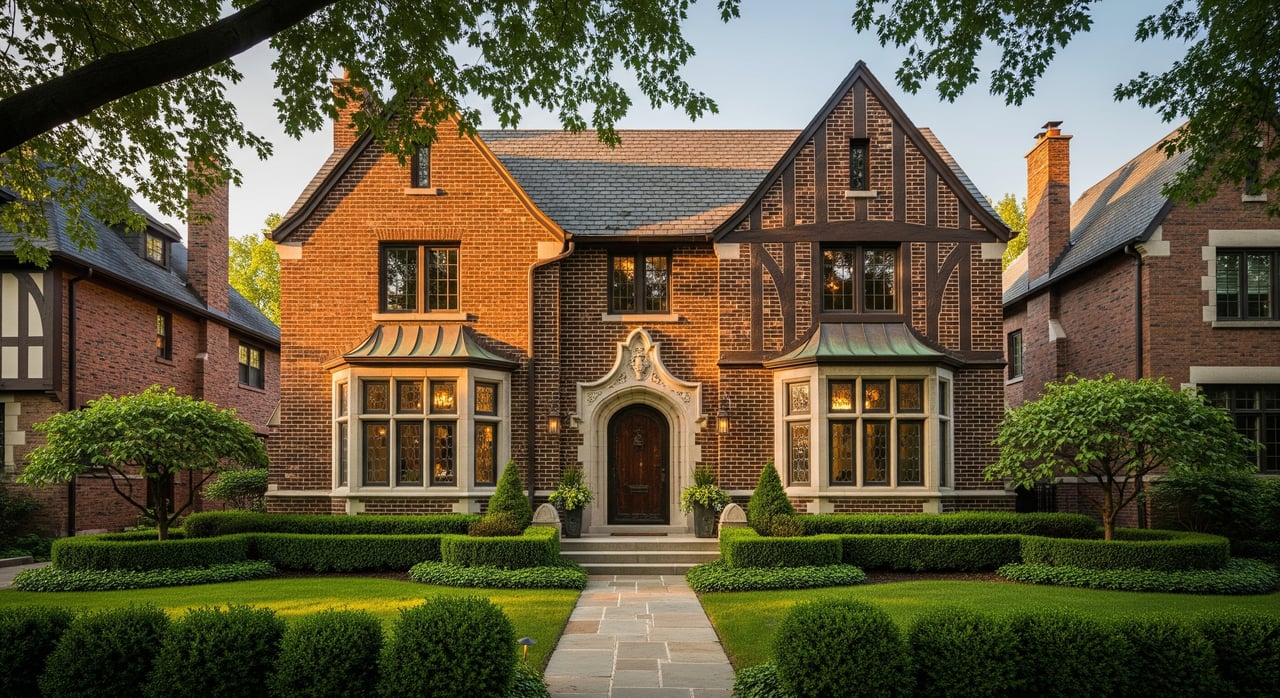
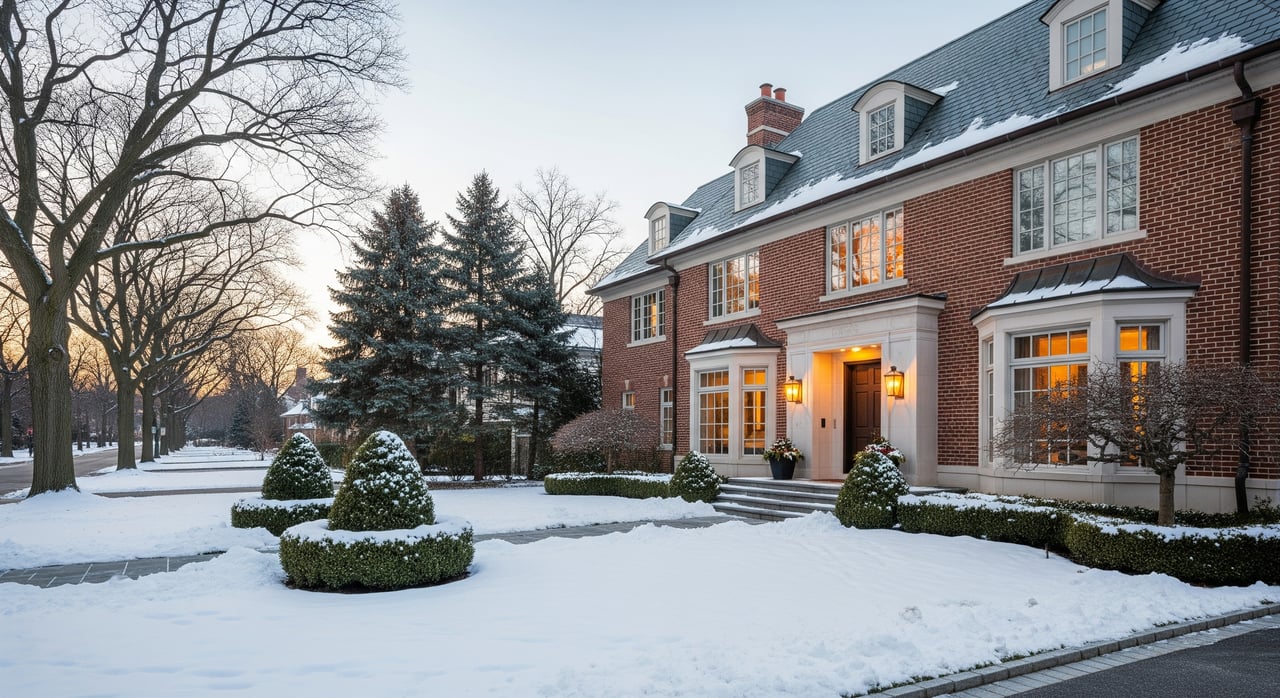
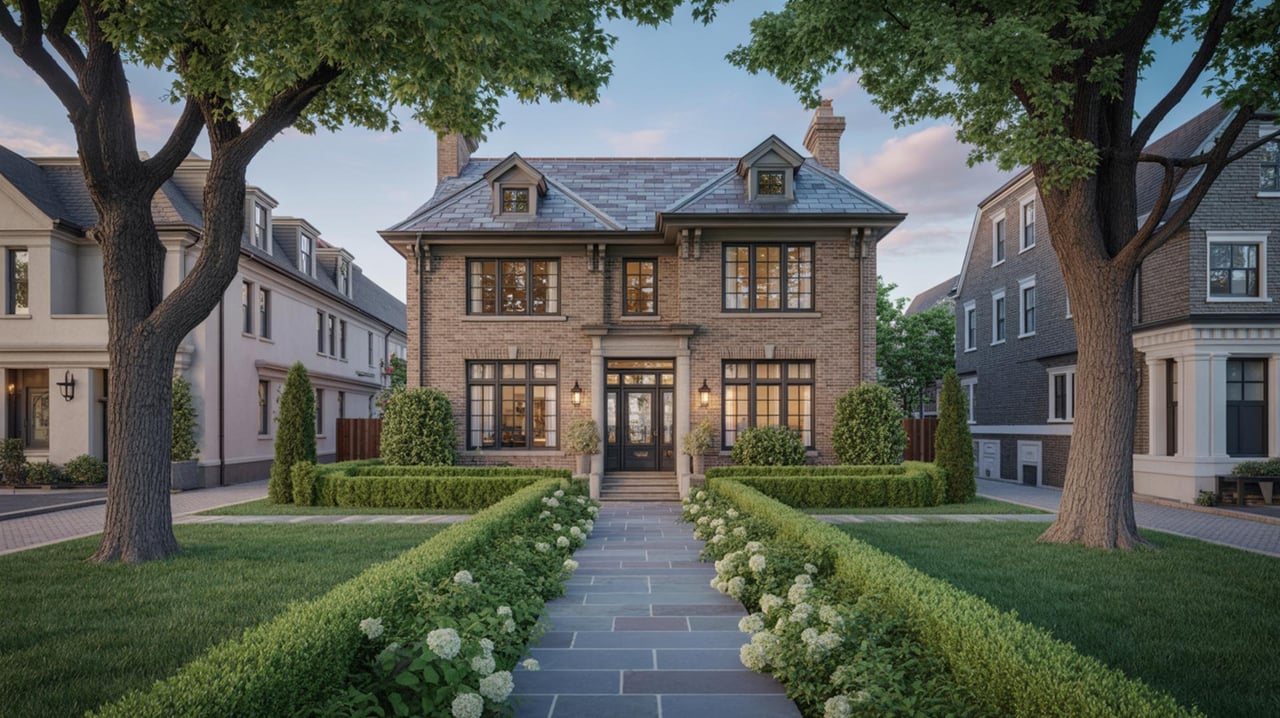
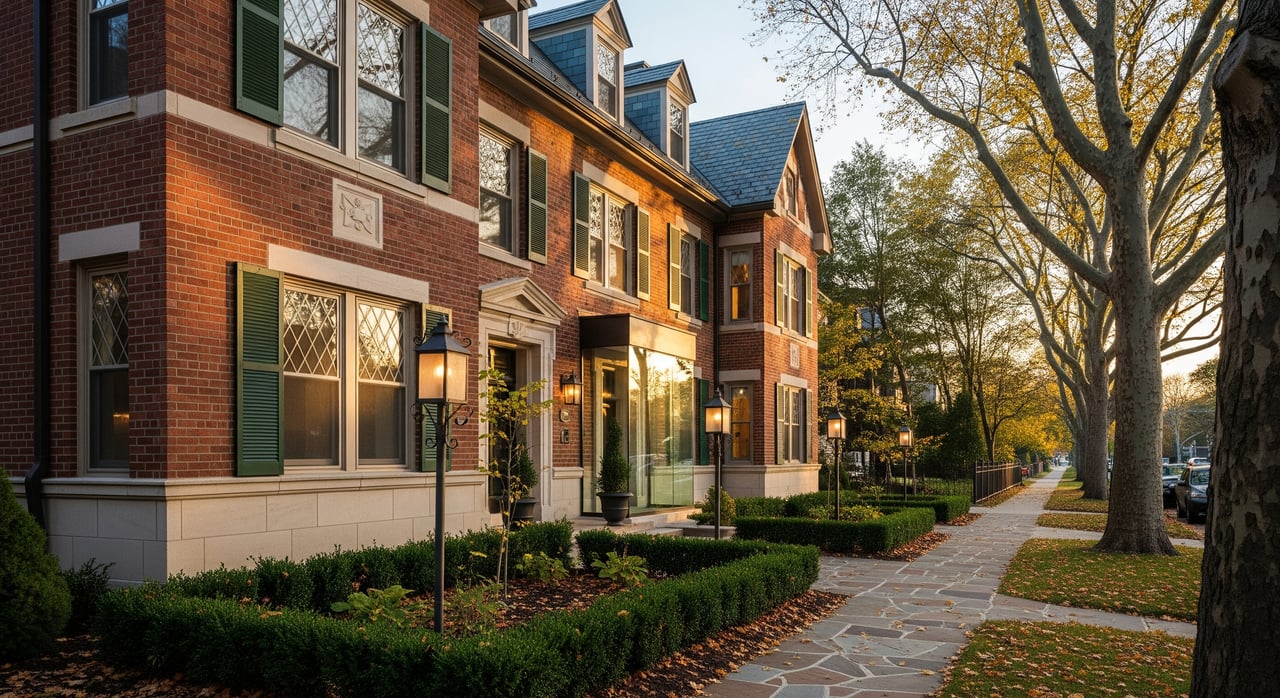
Vintage homes are a real part of La Grange’s identity. The village describes its older sections as home to late-19th- and early-20th-century properties in a variety of architectural styles, and the La Grange Historic District was added to the National Register of Historic Places in 1979.
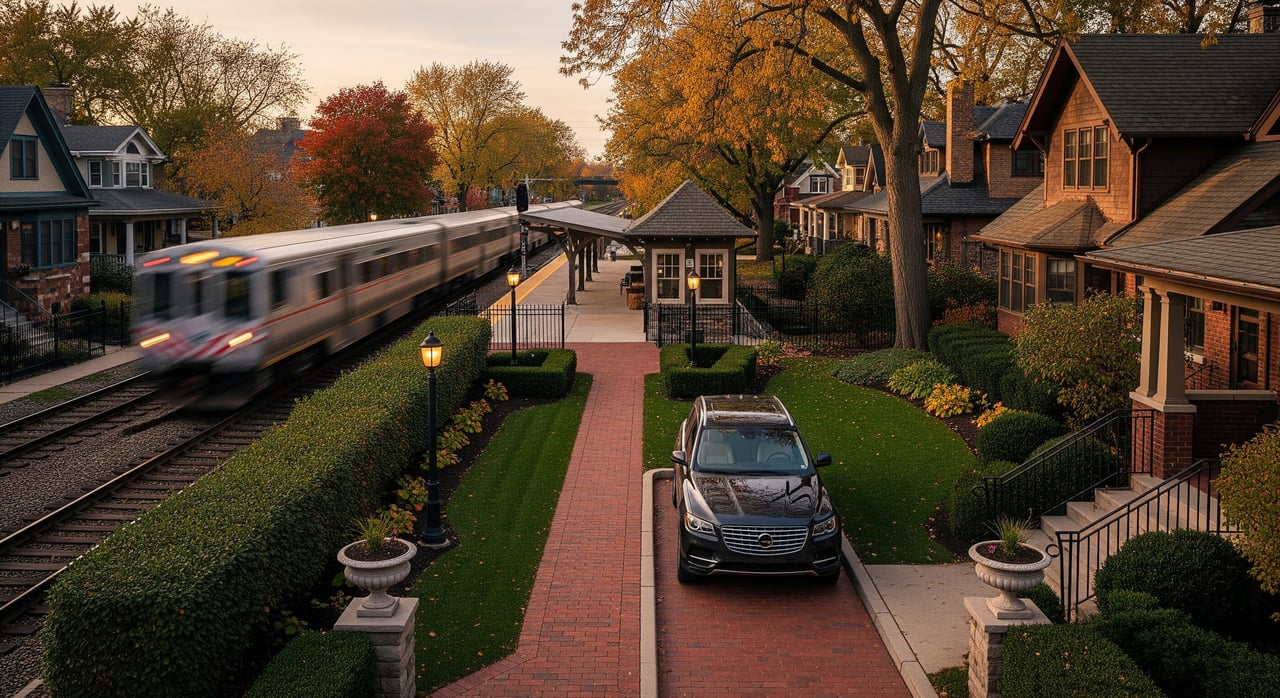
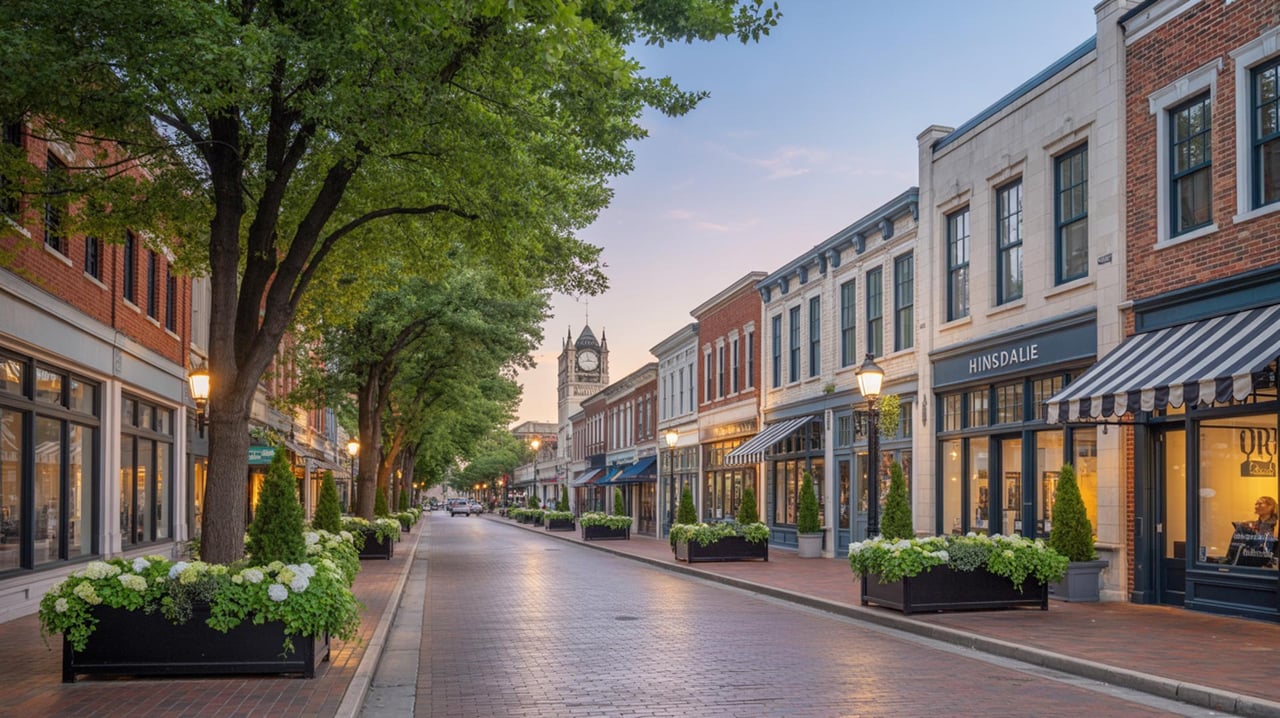
That historic character still shapes how many buyers experience the village today. La Grange also points to its historic homes, traditional downtown, parks, and public transportation as part of the community character envisioned when the village was established in 1879.
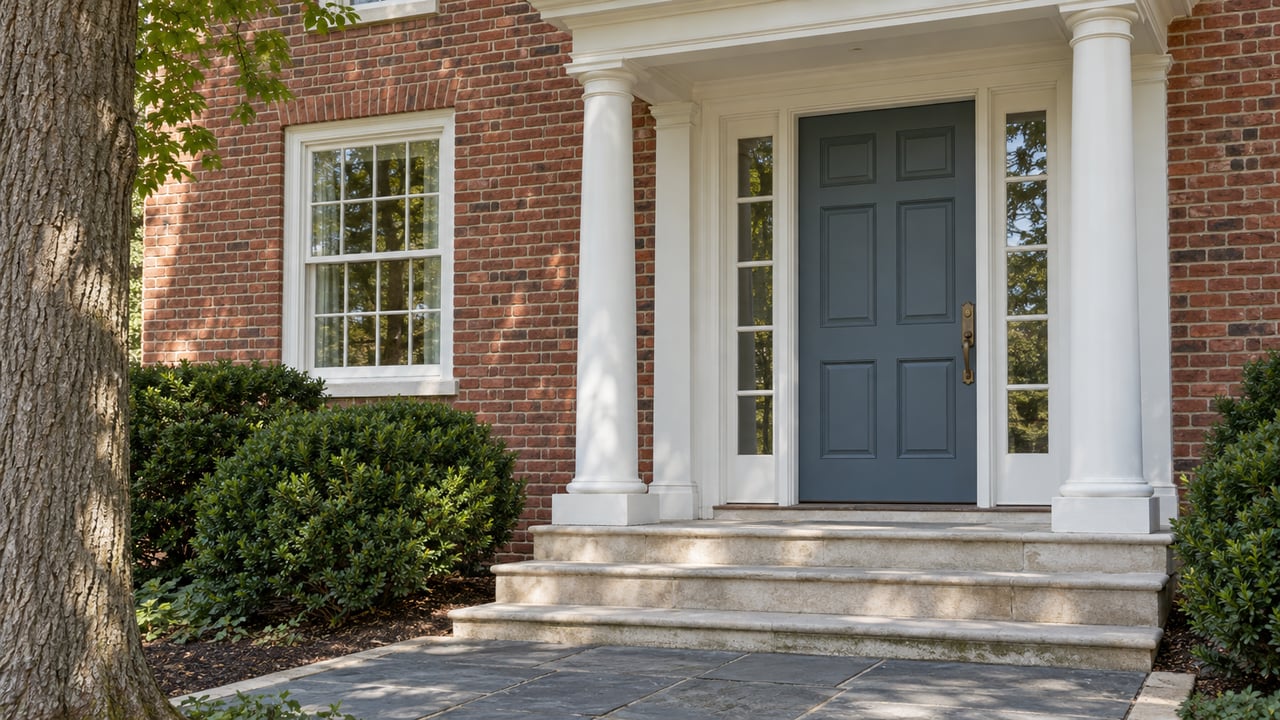
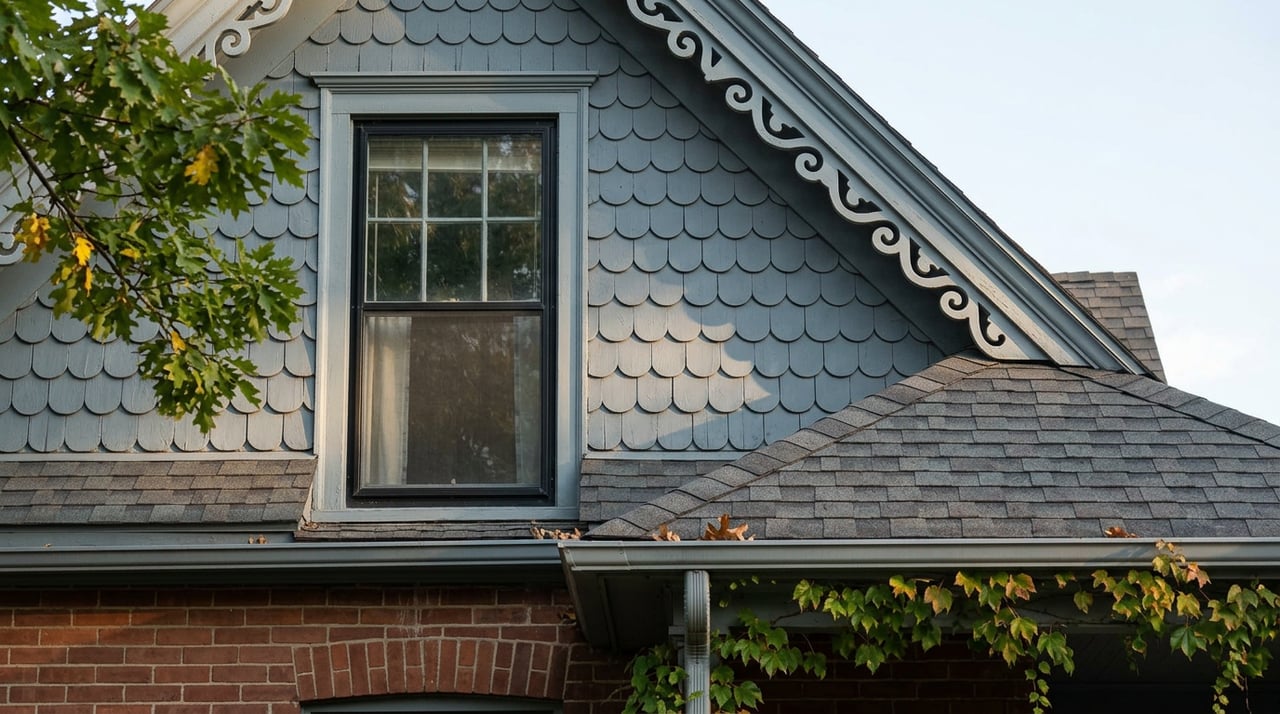
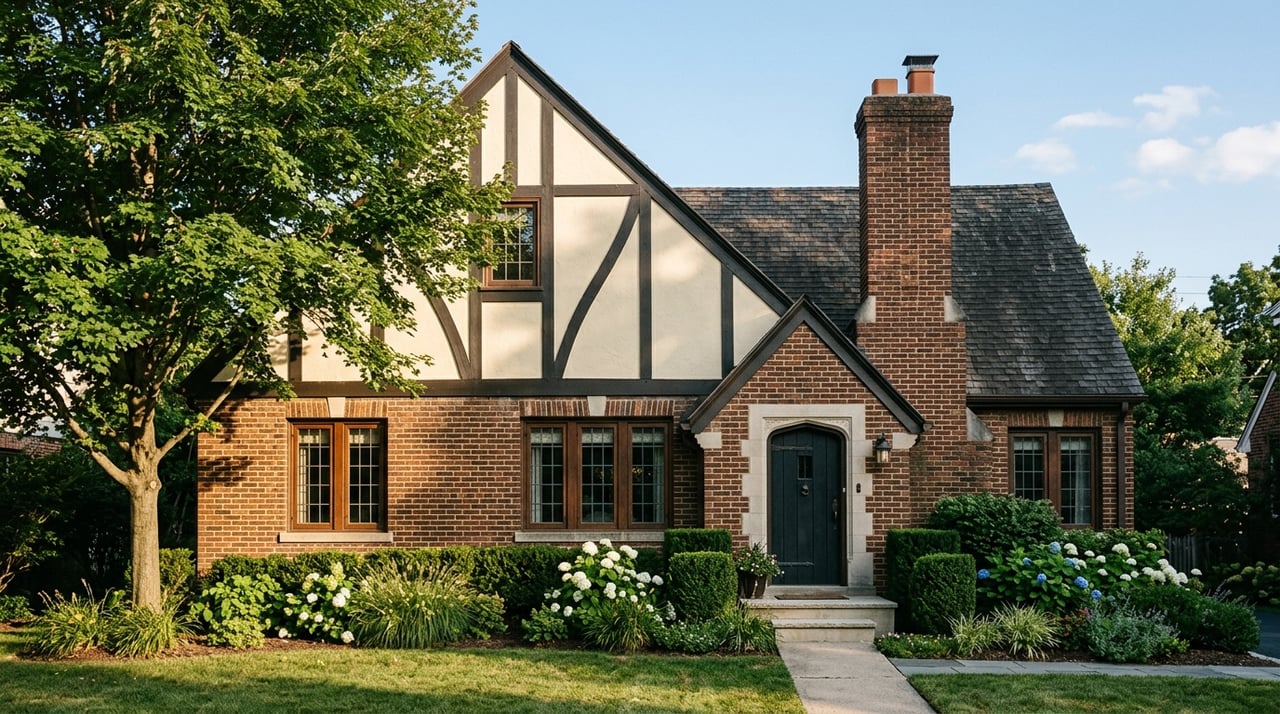
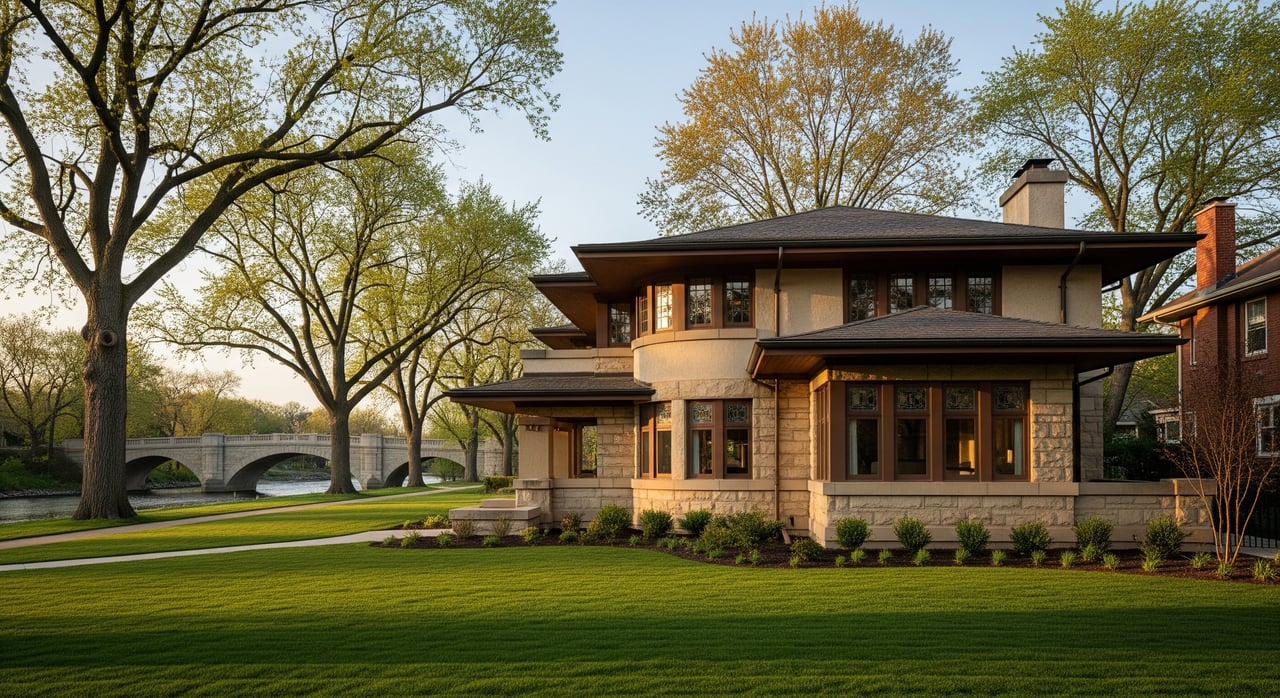
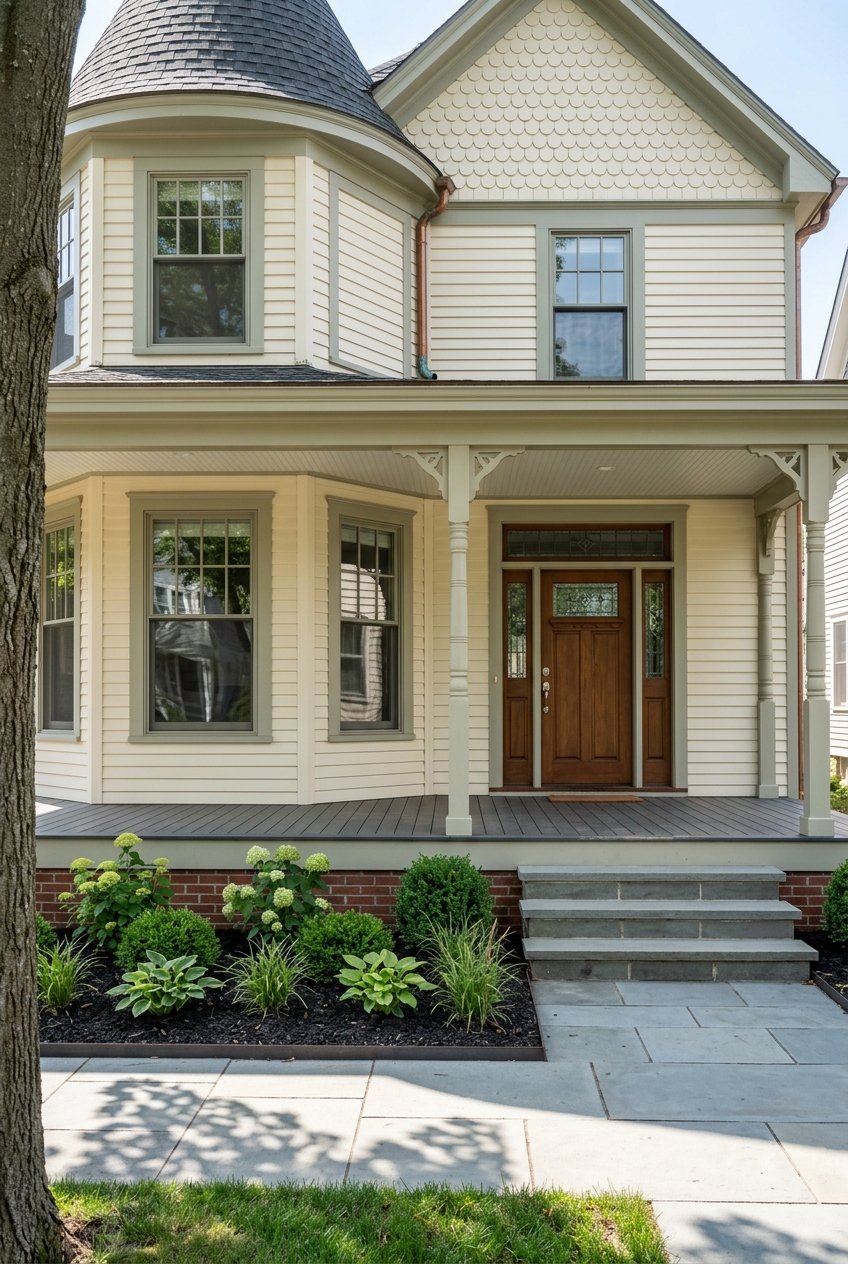
If you are drawn to homes with personality, La Grange gives you plenty to explore. Depending on the block and the house, you may see details tied to late-Victorian architecture, including Queen Anne features like asymmetrical shapes, bays, varied rooflines, porches, and decorative trim and materials.
Historic status and ownership
One common concern is whether buying a historic home automatically creates extra obligations. In La Grange, the village explains that National Register status is honorary for private owners.
That means the designation does not, by itself, require you to restore a property, maintain it in a specific way, or open it to the public. Even so, it is smart to understand a home’s history and any local requirements before planning major changes.
Learn the home’s backstory
Part of the appeal of buying vintage is knowing the story behind the house. In La Grange, you have helpful local resources for that research.
The La Grange Area Historical Society maintains house files with newspaper clippings and other materials. It also offers historic walking tours and weekly research time for homeowners, which can be especially useful if you want to better understand a home’s past owners, original features, or place in the neighborhood’s development.
Expect a maintenance mindset
A vintage home can offer charm that newer construction may not match, but older properties usually reward buyers who think ahead about upkeep. Original materials and details often need regular attention, and the right approach is not always full replacement.
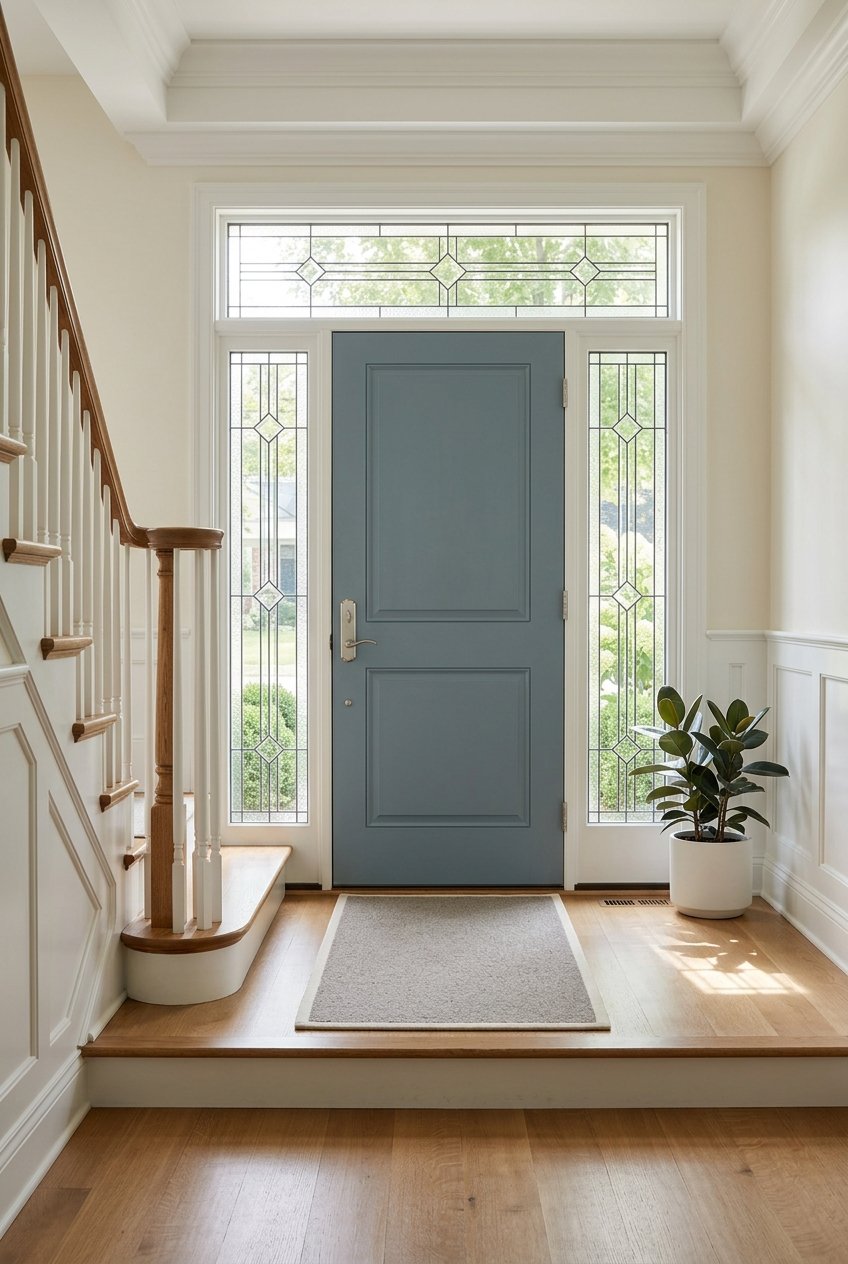
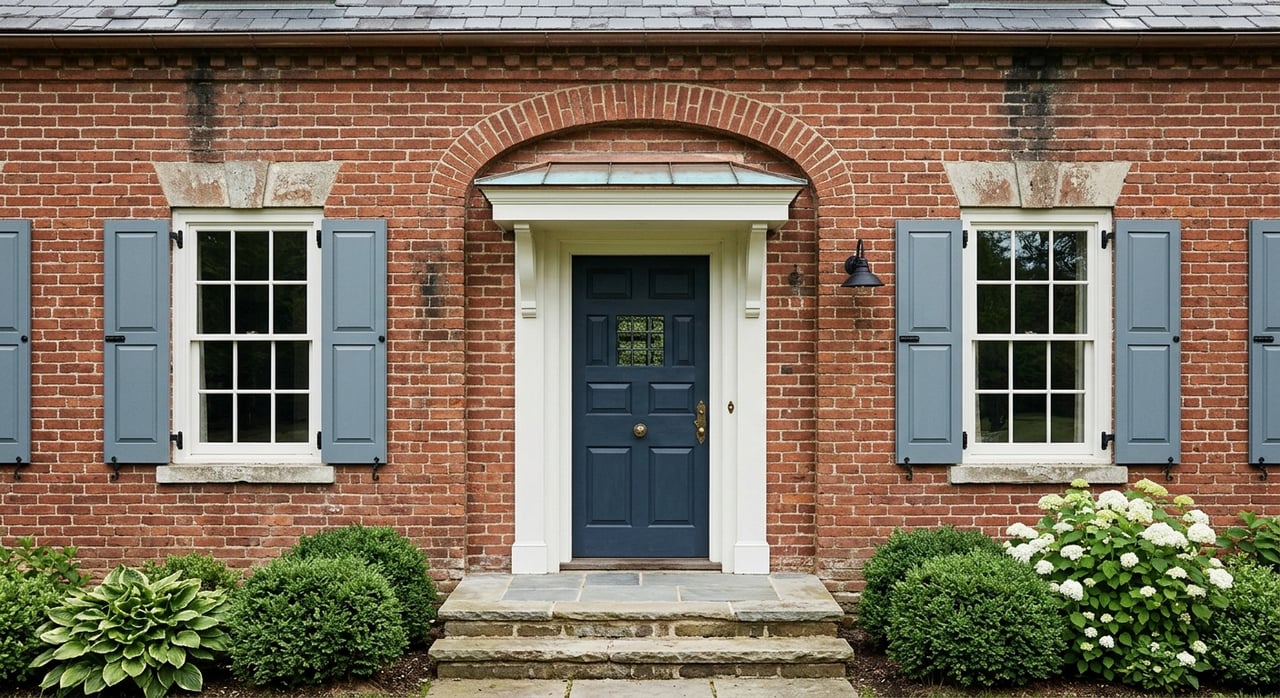
For example, guidance on historic windows says repair should be considered first. If replacement is necessary, the new work should match the original design, color, texture, and materials as closely as possible. In many cases, weatherstripping and component repair can help preserve older windows while improving performance.
That same mindset applies to the house as a whole. A useful way to evaluate an older home is to look at its condition, safety, usefulness, and rehabilitation potential across the site, exterior, interior, and major systems.
Focus on major systems first
When you tour a vintage home, it helps to look past finishes and staging for a moment. What matters most is often the condition of the structure and core systems.
Pay close attention to:
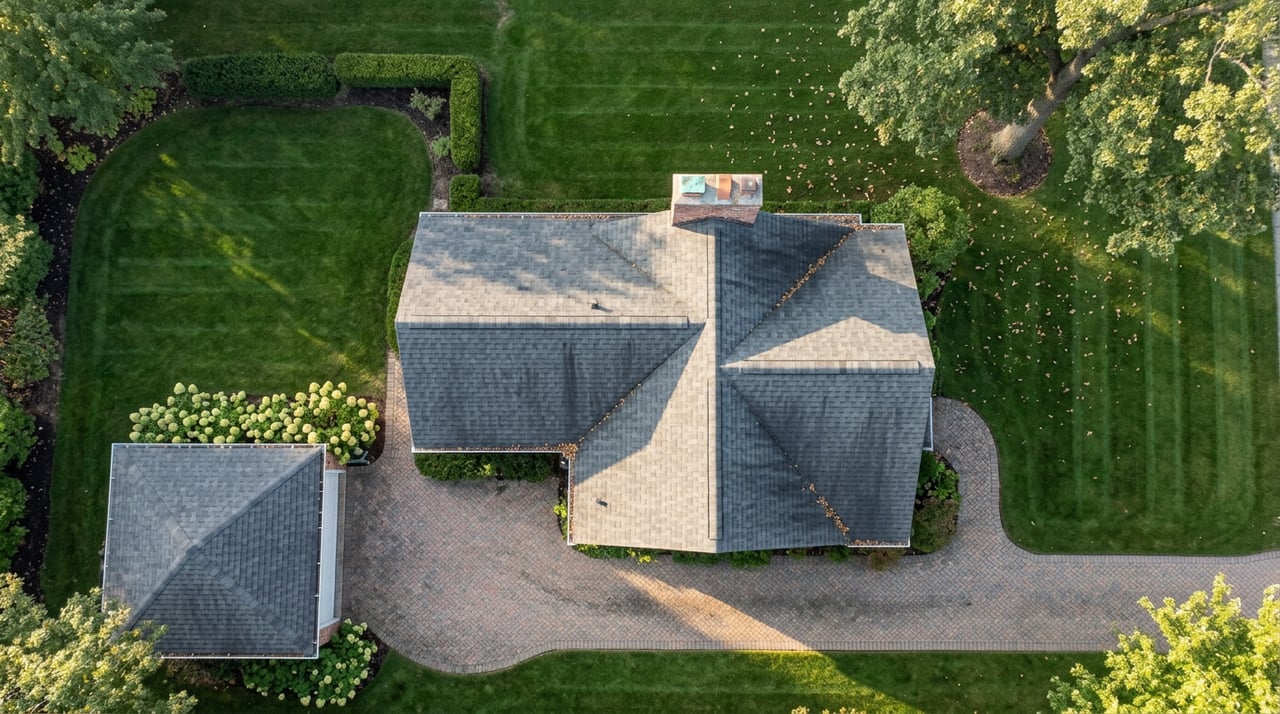
- Roof age and visible wear
- Flashing and exterior water management
- Masonry condition and tuckpointing needs
- Basement moisture or signs of seepage
- Plumbing updates and visible pipe materials
- Electrical service and signs of older wiring
- HVAC age and overall function
- Window condition and operation
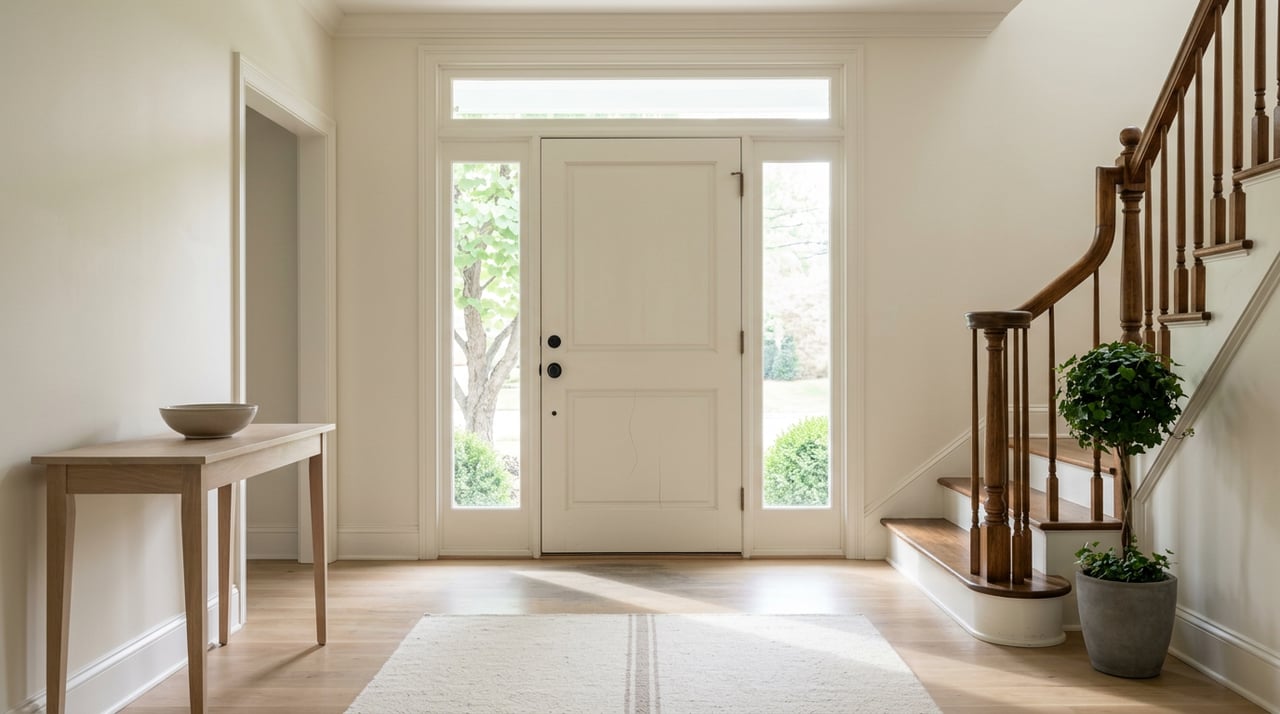
A beautiful old staircase or original millwork can be a big draw. But if the roof, basement, or mechanicals need major work, that should factor into your budget and offer strategy.
Lead paint and lead service lines
Two lead-related issues matter when you buy an older home in La Grange. First, homes built before 1978 are more likely to contain lead-based paint, and sellers of most pre-1978 homes are required to disclose known lead-based-paint information before sale.
This does not mean every older home is unsafe, but it does mean you should be informed. If you plan renovations that may disturb painted surfaces, lead-safe practices are especially important.
Second, La Grange reports that about 70% of its more than 5,152 water service lines are presumed to be lead. The village has started a multi-year replacement program that is scheduled to finish by the end of 2029.
Before closing, it is worth checking the village’s address-based resource for suspected water-service-line material. That gives you a clearer picture of what may need attention now or later.
Radon is worth testing in Illinois
Radon should be on your due-diligence list for a vintage home in La Grange. The Illinois Department of Public Health says radon can enter through foundation cracks, crawl spaces, sump pits, and other openings, and lower levels and basements often show higher readings.
That matters in northern Illinois, where soil levels have tested higher. IDPH reports that 41% of Illinois homes tested had radon above the 4.0 pCi/L action level, and state guidance recommends keeping levels below 4.0 pCi/L and testing every two years.
For buyers, the takeaway is simple. If the home has a basement or lower-level living space, radon testing is a practical step.
Inspections for vintage homes
A standard home inspection is still the starting point. Inspection guidance for buyers notes that a home inspection can uncover safety issues, illegal installations, and maintenance or structural concerns.
That is especially important in older homes, where settling, multiple remodels, and aging systems can create a more layered picture. In a vintage property, some of the best inspection questions are also the most direct.
Ask:
- What appears to be original?
- What has been repaired?
- What has been replaced?
- What updates look recent and well-documented?
- What may be near the end of its useful life?
- Is there evidence of moisture, movement, or deferred maintenance?
- Does prior work appear professional and properly finished?
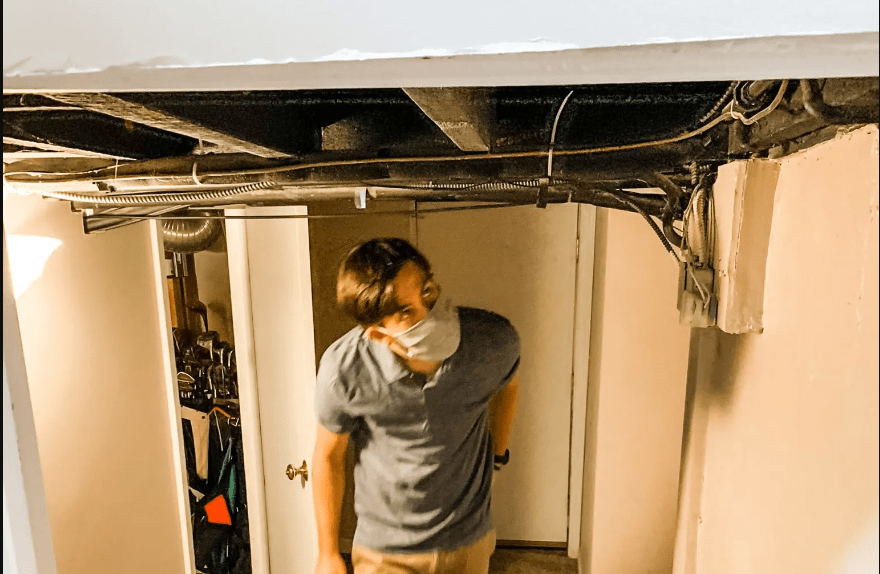
You should also look closely at basement walls or piers, basic electrical condition, roofing materials, windows, plumbing updates, and any visible signs that work may have been done in phases over time.
Renovation plans need permit review
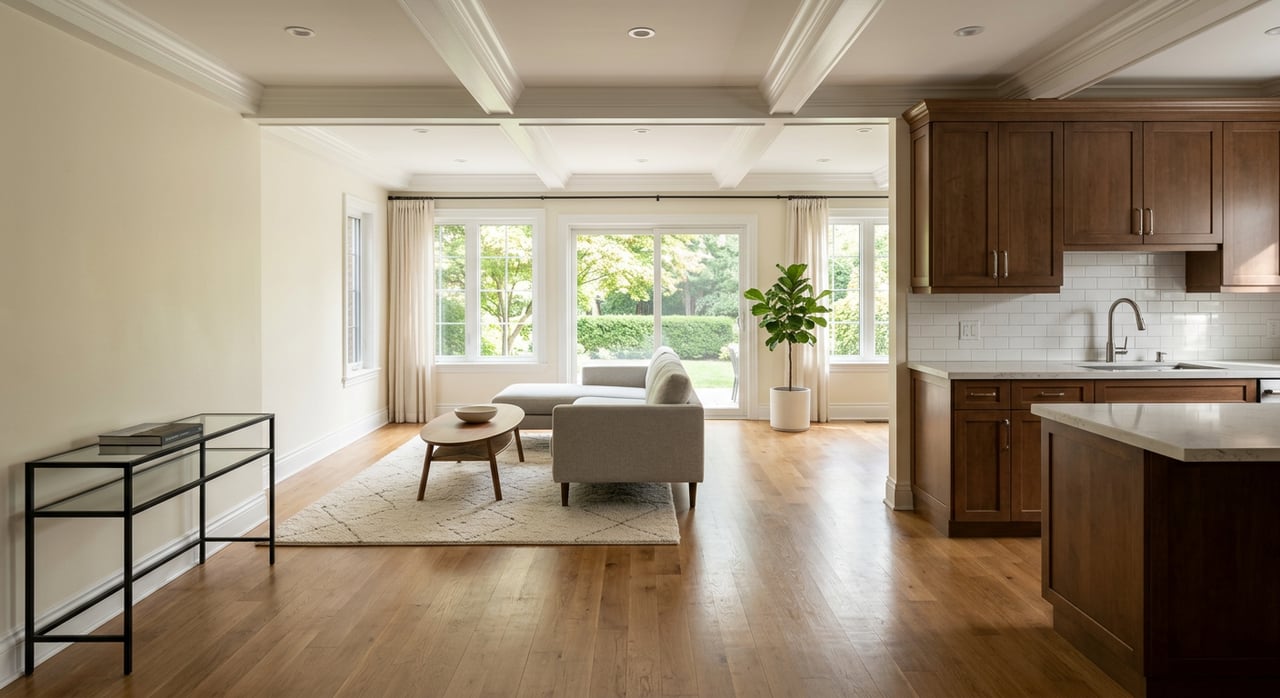
If you are buying a vintage home with plans to update it, permit research should be part of your early process. In La Grange, many common projects require permits.
According to the village, permit-triggering work can include:
- Bathroom or kitchen remodels
- Structural changes
- Porch and deck work
- Window or door size changes
- HVAC replacement or duct changes
- Electrical alterations
- Plumbing alterations
- Masonry and tuckpointing
- Roof repair or replacement
- Sewer work
- Water-service work
- Foundation waterproofing
This matters for two reasons. First, it helps you estimate the time and cost of future improvements. Second, the village says work done without a permit can be assessed a double permit fee.
Check for signs of unpermitted work
In older homes, it is not unusual to find projects completed across many ownership periods. Some may be excellent updates. Others may raise questions.
During your inspection period, pay attention to additions, remodeled basements, altered layouts, replaced windows, updated porches, or changed mechanical systems. La Grange’s permit requirements provide a useful checklist for spotting work that may have needed approval.
If something looks newer but undocumented, ask follow-up questions. Clear records can reduce surprises after closing.
How vintage homes are valued
When you buy a vintage home, value is usually about more than age or square footage. Appraisals consider the home’s condition and characteristics, along with external factors like location, market trends, and recent comparable sales.
In practical terms, that means preserved character can absolutely matter, especially in a village known for historic homes and a walkable downtown. At the same time, deferred maintenance, outdated systems, or incomplete updates can reduce buyer appeal and influence value.
For many buyers, the smartest way to evaluate a vintage home is to think in three buckets:
- Character: architectural details, original materials, overall charm
- Condition: structure, systems, moisture control, maintenance history
- Cost ahead: likely repairs, updates, and timeline after closing
A home with strong character and well-maintained systems may feel like a better long-term fit than one with a lower price but a longer repair list.
Build a smarter buying strategy
Buying a vintage home in La Grange can be deeply rewarding, but it pays to be methodical. The goal is not to avoid older homes. The goal is to understand them clearly.
As you narrow your search, focus on what has been maintained, what has been updated thoughtfully, and what documentation exists for major work. A careful approach helps you appreciate the home’s character without losing sight of the practical side of ownership.
If you are considering a vintage home in La Grange and want local guidance on condition, architecture, and what to watch for before you write an offer, The Anne Monckton Group can help you evaluate the details with clarity and confidence.
FAQs
What makes a home vintage in La Grange?
- In La Grange, many vintage homes date to the late 19th or early 20th century and may reflect architectural styles that helped define the village’s historic character.
Does National Register status change what you can do with a La Grange home?
- The village says National Register status is honorary for private owners and does not by itself require restoration, public access, or specific maintenance.
What should you inspect first in a vintage La Grange home?
- Focus first on the roof, masonry, basement, moisture issues, plumbing, electrical systems, HVAC, windows, and signs of past repairs or alterations.
Should you test radon when buying a home in La Grange?
- Yes. Illinois guidance says radon is common in the state, often higher in basements and lower levels, and testing is recommended to keep levels below 4.0 pCi/L.
Why do permits matter for La Grange vintage-home updates?
- Many common projects require village permits, including remodels, structural work, roofing, masonry, plumbing, electrical, HVAC, and foundation waterproofing, so permit history can affect both planning and cost.
How can you research a vintage home’s history in La Grange?
- The La Grange Area Historical Society maintains house files, offers walking tours, and provides research access that can help you learn more about a property’s background.