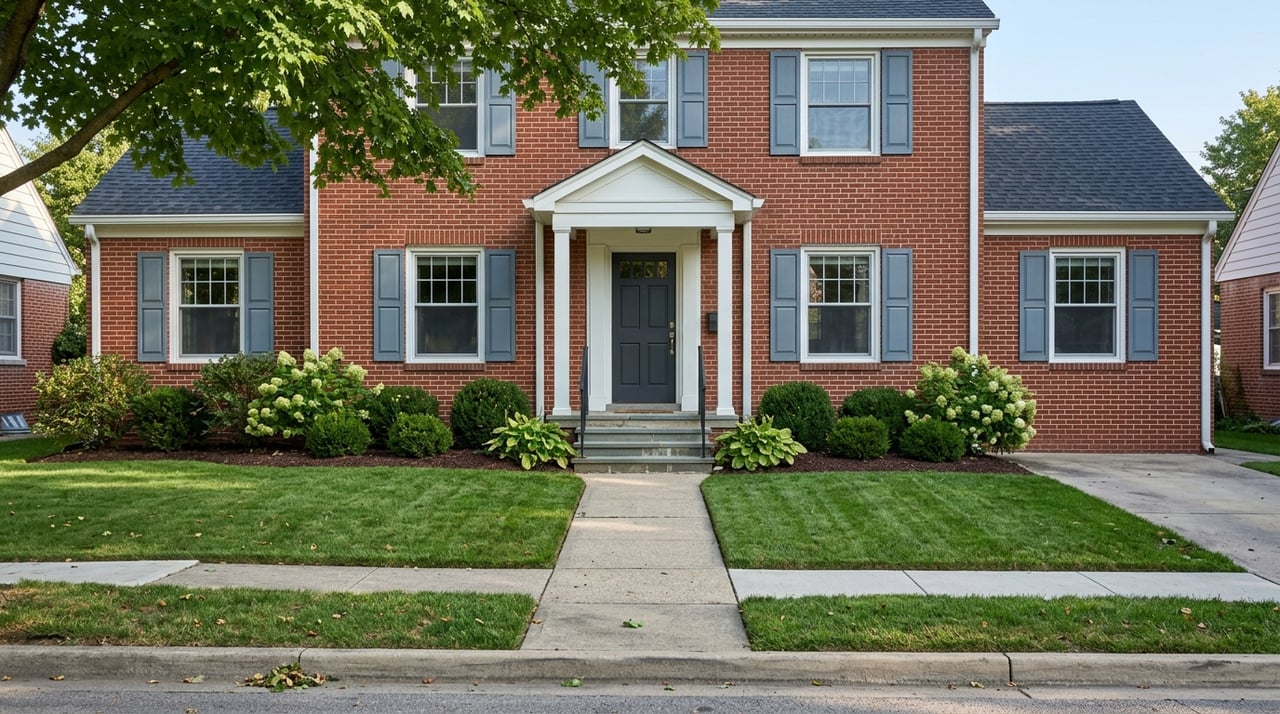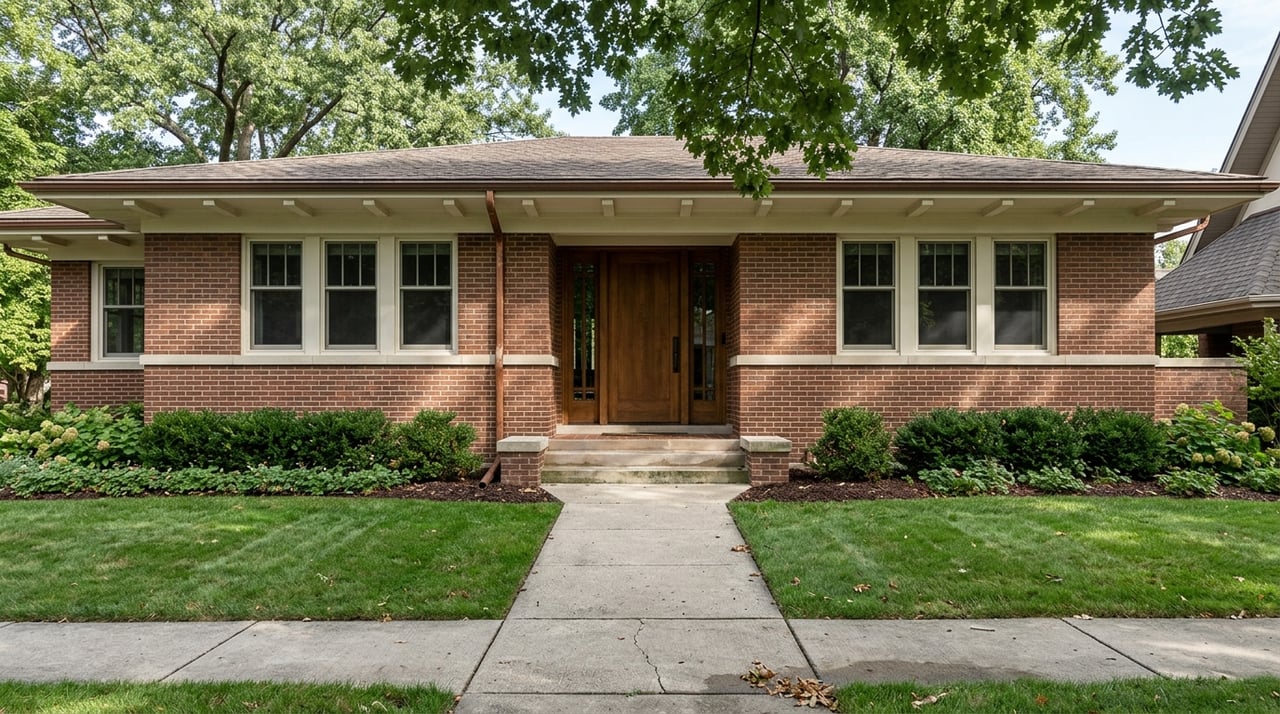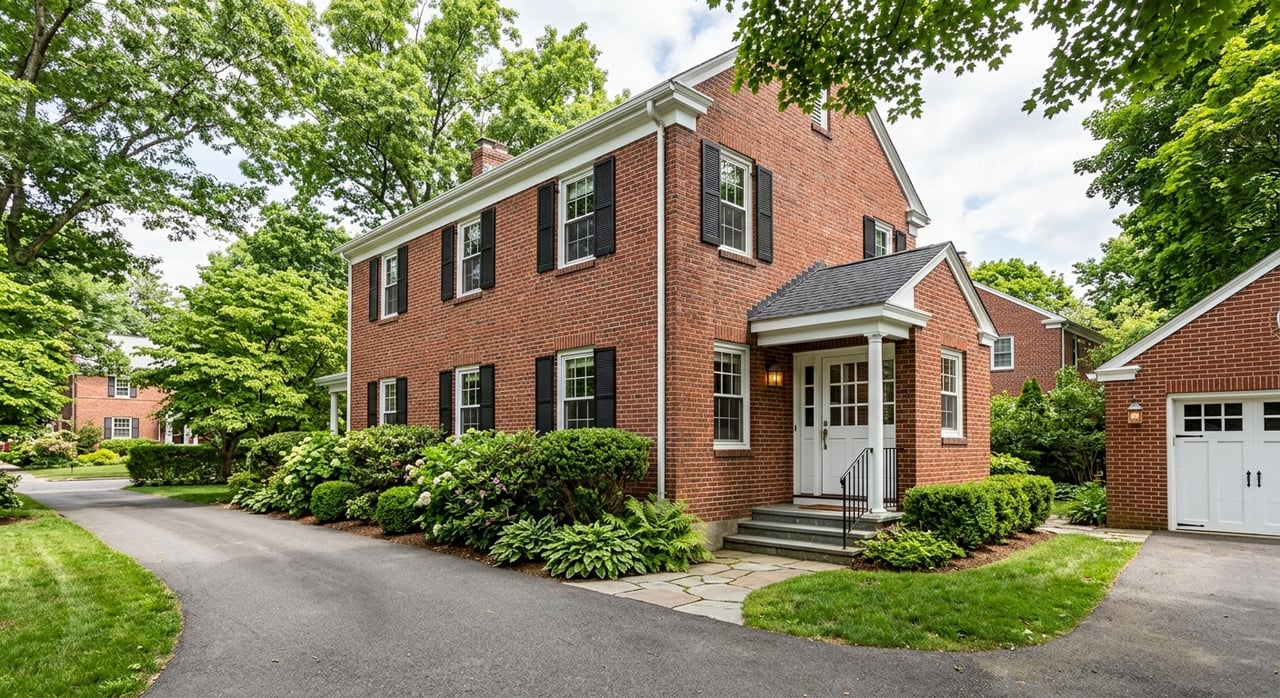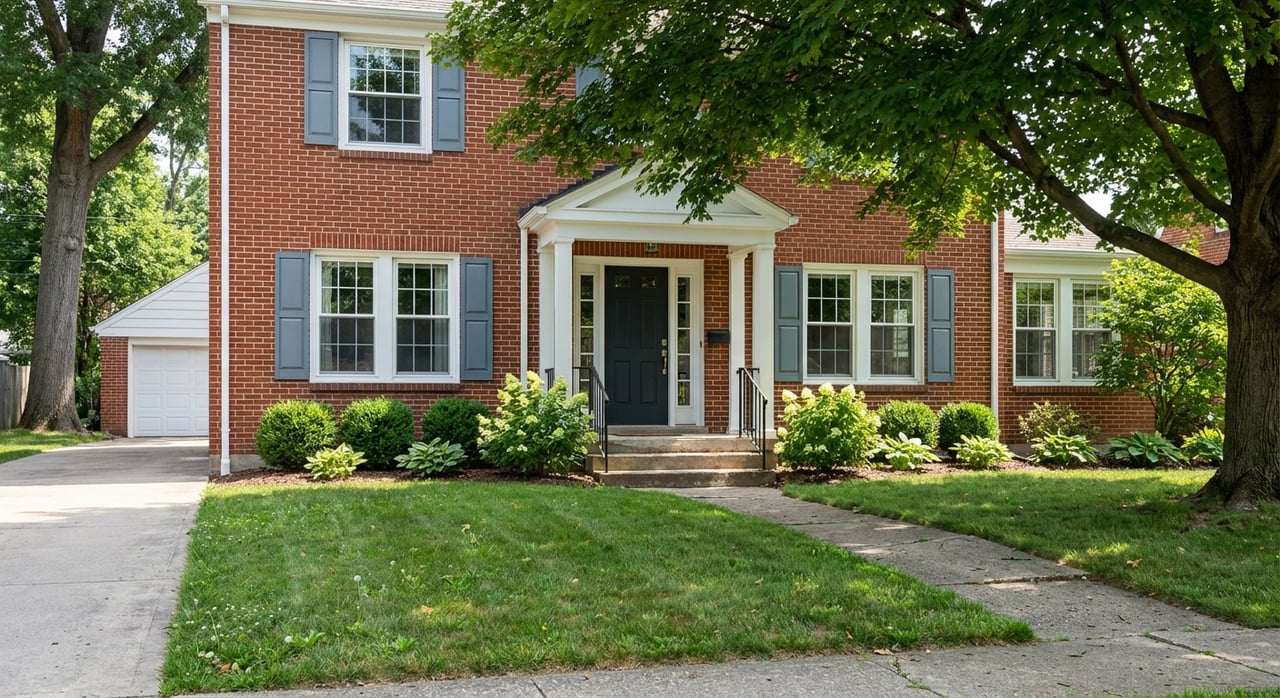
Homeowners across Riverside are collecting roofing bids and window quotes this summer, and almost none of the contractors are asking the one question that actually determines how long the permit takes. It isn't square footage or slope. It's whether the specific address sits on the village's list of locally designated landmarks, a list that has nothing to do with the fact that nearly the entire village carries National Historic Landmark status.
Those two designations get conflated constantly, and the confusion has real consequences for anyone planning to sell, buy, or renovate here. One of them is a federal recognition that covers almost the whole village and requires nothing from you as a homeowner. The other is a much narrower local list, and it's the one that decides whether your roofer needs a building permit alone or a building permit plus a hearing.
Two Different Kinds of "Historic"
In 1970, the federal government designated the Riverside Landscape Architecture District a National Historic Landmark, covering all but about 100 acres of the village Frederick Law Olmsted and Calvert Vaux had planned a century earlier. That remaining pocket got folded in when the designation was expanded in 2023, and the village marked the milestone with a historical plaque in 2025. Practically speaking, if your house is in Riverside, it is almost certainly inside the National Historic Landmark boundary today.
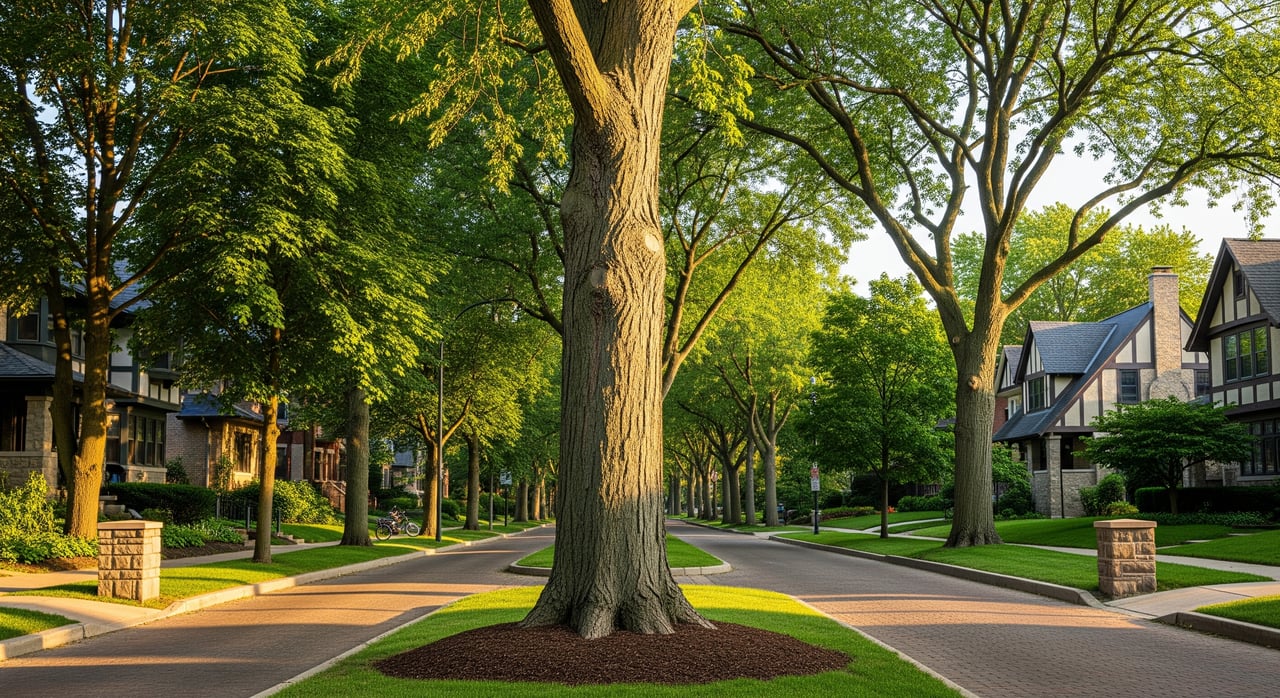
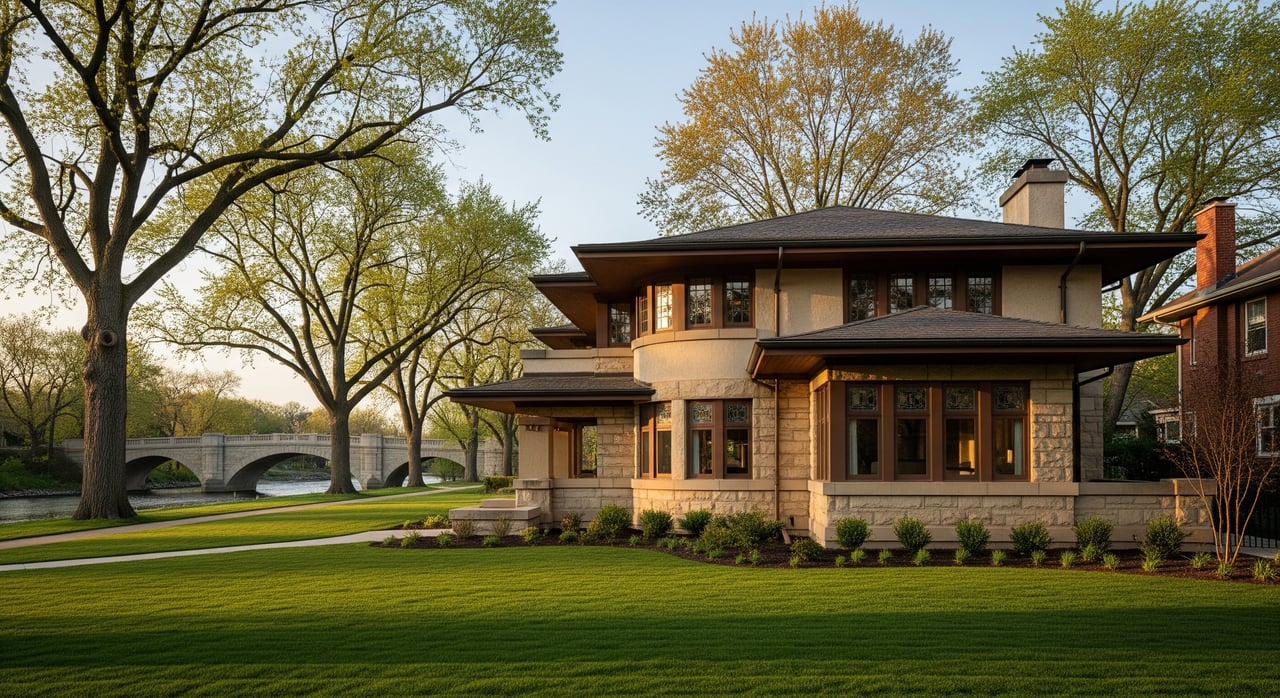
That designation is honorific and protective at the federal level. It recognizes Riverside's curving streets, its gas-lit lanterns, and the concentration of work by architects like Frank Lloyd Wright, Louis Sullivan, and William Le Baron Jenney. It does not, by itself, require you to file anything with the village before you reroof your garage or replace a window.
The rules that actually govern what you can change live somewhere else entirely: Appendix D of the village's Preservation Ordinance, the list of individually designated local landmarks. As of the summer of 2026, that list runs to roughly 74 entries, and it is the only thing that triggers a Certificate of Appropriateness review before you pull certain permits.
What Actually Triggers a Certificate of Appropriateness
The village's Preservation Commission is direct about this on its own FAQ page. If your home is a locally designated landmark, exterior work that requires a building permit needs a Certificate of Appropriateness first. That covers a specific, limited set of projects:
- Roof repair or replacement
- Tuckpointing
- Window repair or replacement
- Additions
It does not cover paint color or interior work. The Commission doesn't review paint proposals at all, though it does warn landmark owners against pressure washing wood siding before repainting it. If your house isn't one of the roughly 74 addresses on the Appendix D list, none of this applies to you regardless of how old the house is or how deep inside the National Historic Landmark boundary it sits.
The distinction matters because most of Riverside's housing stock predates the local landmark list by decades. Being old, being architecturally distinctive, or being inside a nationally recognized district doesn't put a house on the review list. Only an actual local designation does, and the village's own Community Development Director, Anne Cyran, is the point of contact for confirming which category a given property falls into before you list it or make an offer on it.
| National Historic Landmark District | Local Landmark (Appendix D) | |
|---|---|---|
| Scope | Nearly the entire village | Roughly 74 individually designated properties and features |
| Who administers it | National Park Service (federal) | Village Preservation Commission |
| Triggers a permit review | No | Yes, for exterior work needing a building permit |
| Covers paint color | No | No |
| Applies to interior work | No | No |
The List Keeps Growing
It's tempting to treat Appendix D as a fixed relic from 1970, a closed roster of the same houses that have always been there. It isn't. The village has continued adding to it through 2026, and the additions aren't limited to grand estates.
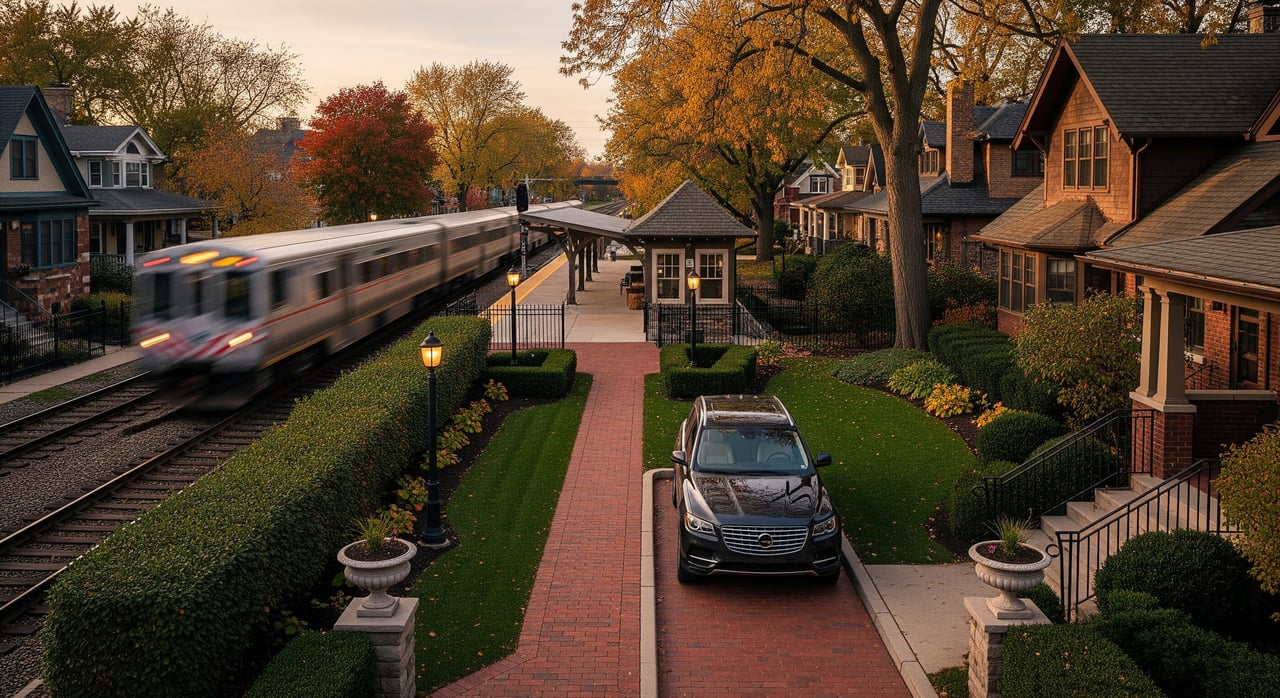
In 2024, the owners of 169 Barrypoint Road, Sonja Lin and Matthew Kerkhof, successfully petitioned to have their own home added as subsection 72. That's a useful data point for anyone who assumes landmark status is something that happens to a house, rather than something an owner can pursue for it. In June 2026, the village held hearings on two more additions: subsection 73, designating the trolley shelters on 26th Street and Des Plaines Avenue, and subsection 74, designating a roughly 40-foot stone gutter along South Delaplaine Road, across from 108 South Delaplaine Road on the edge of Harrington Park. Neither is a house. Both show that the Commission's work extends to streetscape features, not just architecturally significant residences.
For a seller, this means the landmark question isn't necessarily settled the day you bought the house. A neighbor's petition, a village-initiated nomination, or your own application could change the designation before you're ready to sell. For a buyer doing due diligence on an older Riverside property, checking Appendix D at the time of your offer is the only way to know what you're actually buying into, since the list has moved twice already this year.
Some of Riverside's most recognizable homes carry landmark status at both levels simultaneously. The Coonley House and the F.F. Tomek House, both individually designated National Historic Landmarks in their own right, also appear in the village's local Appendix D listing with detailed findings about their architectural significance under the Prairie Style. Even nationally famous properties go through the same local process everyone else does when it comes to a Certificate of Appropriateness.
Timing Mechanics That Matter During a Sale
If a property is a designated local landmark and the seller or buyer needs exterior work done before closing, the calendar becomes part of the deal. The Preservation Commission meets the second Thursday of every other month, not monthly. Applications generally need to go in at least 10 days before the next scheduled meeting, though projects limited to replacing existing historic materials with like-for-like materials, such as a straightforward roof or window swap, can sometimes get an administrative review within about a week instead of waiting for the full Commission.
That bimonthly rhythm is easy to miss until you're the one trying to close a listing gap between an inspection request and a scheduled move. If you're prepping a locally designated landmark for market and the punch list includes roof or window work, lining up the Certificate of Appropriateness early isn't optional caution. It's the difference between a two-week turnaround and a two-month one, depending on where you land in the Commission's calendar.
What Landmark Status Doesn't Come With
A common assumption is that historic designation comes bundled with a tax credit. For most Riverside homeowners, it doesn't. The federal rehabilitation tax credit offers 20 percent back on qualified work, but it's restricted to income-producing property: commercial, industrial, agricultural, or rental residential use. Illinois runs a parallel state credit worth 25 percent of qualified rehabilitation costs, currently scheduled through December 31, 2028, and it carries the same income-producing restriction. A typical owner-occupied home in Riverside, landmark or not, generally doesn't qualify for either.
One more practical note for anyone buying an older Riverside home: much of the village's housing stock predates 1940. That doesn't change your permitting obligations, but it does mean lead-safe work practices are worth planning for during any renovation or repair, particularly around windows, trim, and painted surfaces where original materials are still in place.
Common Questions
Does living inside the National Historic Landmark district mean my house is a local landmark? No. The federal district covers nearly the entire village. Local landmark status is a separate, much shorter list maintained under Appendix D of the village code, and it's the only thing that triggers a Certificate of Appropriateness requirement.
How do I find out if a specific house is on the local landmark list? Check Appendix D of the Preservation Ordinance or contact the village's Community Development Director directly. This is worth doing before you write an offer or list a property, since the list has changed twice already in 2026.
Do I need village approval to repaint my house or renovate a bathroom? No. The Preservation Commission doesn't regulate paint color, and interior work isn't subject to Certificate of Appropriateness review even for designated landmarks.
Can a homeowner request landmark status for their own house? Yes. The 2024 addition of 169 Barrypoint Road was an owner-initiated petition, not a village-driven nomination.
Riverside's historic character is part of what makes the village worth the drive from downtown, but the paperwork that actually governs a renovation or a listing timeline is narrower and more specific than most people assume. If you're weighing a purchase, a sale, or a renovation on one of Riverside's landmark-eligible streets, the Anne Monckton Group can help you sort out which designation actually applies to your address before it becomes a surprise mid-transaction. Book an appointment and let's look at the specific property together.