Wondering what your workday would look like if you traded city traffic for a train ride from Clarendon Hills? You are not alone. Many Chicago-area buyers choose Clarendon Hills because the Metra BNSF Line can make the downtown commute predictable and lower stress. In this local guide, you will learn what to expect at the station, how long the ride typically takes, where to park, and how to handle first and last mile details. Let’s dive in.
Why the BNSF Line works
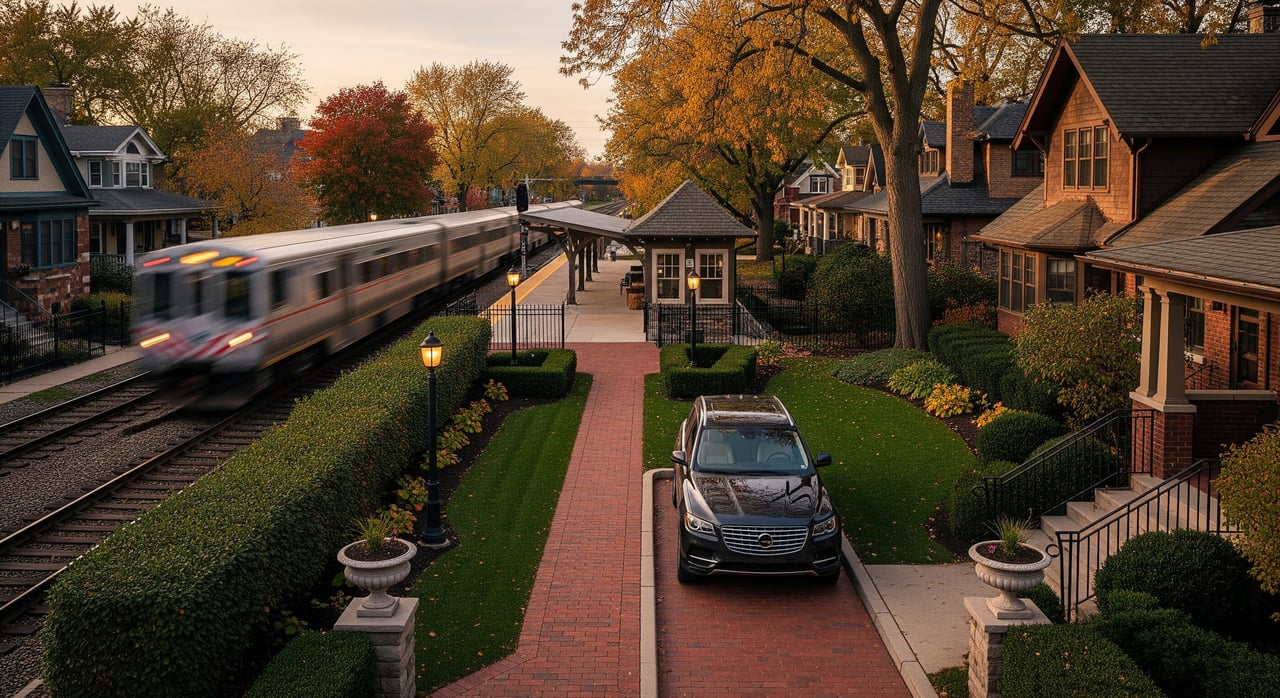
Clarendon Hills sits on Metra’s BNSF Railway Line, a primary commuter corridor linking the western suburbs to Chicago’s Union Station. The BNSF Line is one of Metra’s busiest lines, with frequent weekday peak service and a mix of local and express trains. Express trains skip select suburban stops and can shorten your ride to the city.
Service levels and patterns vary by day and season. Always check the current schedule before you plan a move or a daily routine. You can review the latest departures and arrivals on the BNSF Line timetable.
Clarendon Hills station basics
The Clarendon Hills station provides the core features most suburban riders rely on. Metra station pages typically list platforms and shelters, parking options, bicycle racks, and accessibility information. Some stations also include ticket vending machines and clearly marked pick-up and drop-off areas. For the most current details on amenities and ADA features at Clarendon Hills, review Metra’s station information before you ride.
Weekend service is typically reduced compared with weekday peaks. If you plan to commute or visit the city on Saturdays and Sundays, build in extra time and confirm train frequency on the timetable page.
Travel times and schedules
Your train ride from Clarendon Hills to Union Station will vary by the specific train you choose. Expect a general range of about 20 to 35 minutes on the train, depending on whether it is an express or local and on rail traffic. Off-peak trains usually make more stops, so they can take longer than peak express options.
To estimate your full door-to-desk time, include these pieces:
- Drive or walk to the station: 0 to 15 minutes depending on proximity.
- Pre-train buffer for parking, walking, and ticketing: 5 to 15 minutes.
- Train ride to Union Station: about 20 to 35 minutes.
- Walk or transfer in the Loop: 5 to 15 minutes to reach your office.
A realistic door-to-desk window often lands between roughly 35 and 80 minutes. Your actual time depends on where you live in Clarendon Hills, which train you catch, and your final destination downtown. For pinpoint planning, use the BNSF Line timetable that matches your work hours and sign up for Metra service alerts for real-time updates.
Parking and permits
Most suburban Metra stations use a mix of permit-only lots, daily fee lots, and short-term drop-off zones. The Village of Clarendon Hills oversees local commuter parking rules, enforcement, and permits. Before you commit to a daily driving routine, review the village’s current lot maps, whether there is a resident or nonresident permit option, any waitlists, and the required display rules for permits or daily parking.
What to check before you rely on station parking:
- Which lots are permit only versus daily pay. Lot designations can change, so confirm exact locations.
- Permit basics and timing. Many villages offer seasonal or annual passes and may maintain a waitlist during high demand months.
- Enforcement and restrictions. Ask about overnight rules, time-limited stalls, and towing policies.
- Plan B options. If Clarendon Hills lots fill up, explore park-and-ride options at nearby BNSF stations like Hinsdale, Westmont, or Downers Grove, verify availability first, or use rideshare for drop-off.
You can start with the Village’s website for current rules and applications. Visit the Village of Clarendon Hills and search for commuter parking.
First and last mile options
Getting to and from the station is often the difference between a smooth commute and a daily scramble. Here are the common ways Clarendon Hills riders connect with Metra:
Walking or biking
If you live near the station, walking may be the easiest option. Many riders bike to Metra as well. Stations typically have bike racks and sometimes lockers. Use a sturdy lock and consider a folding bike if you plan to bring it on board. Metra has a bikes on trains policy with restrictions during certain peak periods, so review the current guidance on the Metra site before you ride.
Drop-off and pick-up
Most suburban stations provide a short-term curbside drop-off area. Build in a few extra minutes during the morning rush to avoid congestion near the platform, and follow posted signs for quick drop-off and pick-up zones.
Pace bus connections
Pace Suburban Bus routes serve DuPage County, though coverage and frequency vary by suburb and time of day. Some riders find limited connections helpful, while many rely on driving, walking, or biking. Check current routes and timetables on the Pace Suburban Bus site.
Rideshare and taxi
Rideshare services like Uber and Lyft are common for first and last mile trips. Confirm your meeting point near the station and watch for surge pricing during peak hours or severe weather.
Accessibility and paratransit
If you or a family member has mobility needs, review the ADA features on the Clarendon Hills station page and explore paratransit options such as Pace Dial-A-Ride. Confirm details and eligibility directly through Metra and local resources before you plan your routine.
Downtown transfers from Union Station
BNSF trains terminate at Union Station on the west side of the Loop. Many riders walk to their office from there, while others transfer to CTA. The Clinton Blue Line station and several bus routes are within walking distance of Union Station, and other rapid transit lines are a short walk or quick CTA ride away. Use the CTA maps to plan your last mile.
Fares and tickets
Metra uses a zone-based fare system, and Clarendon Hills is assigned a specific fare zone. Prices rise with distance from downtown. You can buy tickets through mobile ticketing and other options listed on Metra’s fare pages. Frequent riders often save with monthly or 10-ride passes. For current fare structure, pass options, and how to buy, see Metra’s Tickets and Fares.
Tips for a smooth commute
- Match trains to your schedule. Express versus local makes a real difference in travel time.
- Subscribe to alerts. Set up Metra service alerts for the BNSF Line to get notice of delays and track work.
- Get ahead of parking. If you expect to drive to the station, check permit availability and any waitlists early.
- Test the commute. Try your morning and evening runs at your actual hours before you buy a home or lock in a routine.
- Plan for weather. Winter can affect boarding times and platform comfort. Confirm whether the station has enclosed or covered waiting space and dress for conditions.
- Think hybrid. If you have remote days, a slightly longer ride may still be a good tradeoff for the lifestyle you want.
Is Clarendon Hills right for your commute?
If you want suburban living with a direct rail connection to downtown, the BNSF Line from Clarendon Hills offers a strong balance of frequency, flexibility, and predictable timing. Your experience will come down to the train you choose, your first and last mile plan, and how often you travel during peak times. The best next step is to try the commute on your own schedule and map your exact routine from home door to office desk.
If you are comparing neighborhoods, we can help you weigh commute tradeoffs alongside home options, budget, and timing. When you are ready to take the next step, connect with The Anne Monckton Group for local guidance tailored to your move.
FAQs
How long is the Metra ride from Clarendon Hills to Union Station?
- Expect about 20 to 35 minutes on the train depending on whether you catch a local or express and on rail traffic; check the current BNSF Line timetable for exact runs.
Where can I park for the Clarendon Hills Metra station?
- Clarendon Hills uses a mix of permit and daily lots, with enforcement by the village; review the latest maps and rules on the Village of Clarendon Hills site and confirm which lots fit your needs.
Are bikes allowed and are there bike racks at the station?
- Many stations provide bike racks and Metra allows bikes on many trains with restrictions during peak times; confirm current amenities on the station page and review the bike policy on Metra’s site before you ride.
How reliable is BNSF service during peak periods and winter?
- The BNSF Line runs frequent peak service and Metra posts real-time advisories; subscribe to Metra service alerts and build a small buffer during severe weather.
What is a realistic door-to-desk time from Clarendon Hills to the Loop?
- A typical range is about 35 to 80 minutes including travel to the station, pre-boarding time, the 20 to 35 minute train ride, and your Union Station last mile walk or CTA connection.
How do Metra fares work for Clarendon Hills riders?
- Metra uses zone-based pricing and offers mobile tickets plus monthly and 10-ride passes; check current options and costs on Metra’s Tickets and Fares page.