Thinking about a single-family home in Elmhurst and wondering how it stacks up against nearby towns? You are not alone. Western suburbs can feel similar at a glance, yet each has its own pricing, pace, and housing mix. In this guide, you will learn how Elmhurst compares to its neighbors across price tiers, inventory, days on market, new construction, property taxes, and commute factors so you can make a confident move. Let’s dive in.
How to compare markets
To compare Elmhurst with nearby suburbs, focus on a few key measures experts track:
- Inventory and months supply of inventory. This shows whether buyers or sellers have the upper hand.
- Median price and price per square foot. Use rolling 12-month trends and five-year views to see direction, not just a moment in time.
- Days on market and list-to-sale price ratio. These reveal how quickly homes move and how close they sell to asking.
- Sales counts and absorption rate. More sales with tight inventory usually means a competitive market.
- New construction share vs resale. New builds influence comps and buyer expectations.
- Taxes, schools, and commute. Carrying costs, district boundaries, Metra access, and highway proximity all shape demand.
Use municipal-level data rather than ZIP codes so you are comparing like with like. When possible, separate resale from new construction to avoid skewed medians.
Elmhurst snapshot
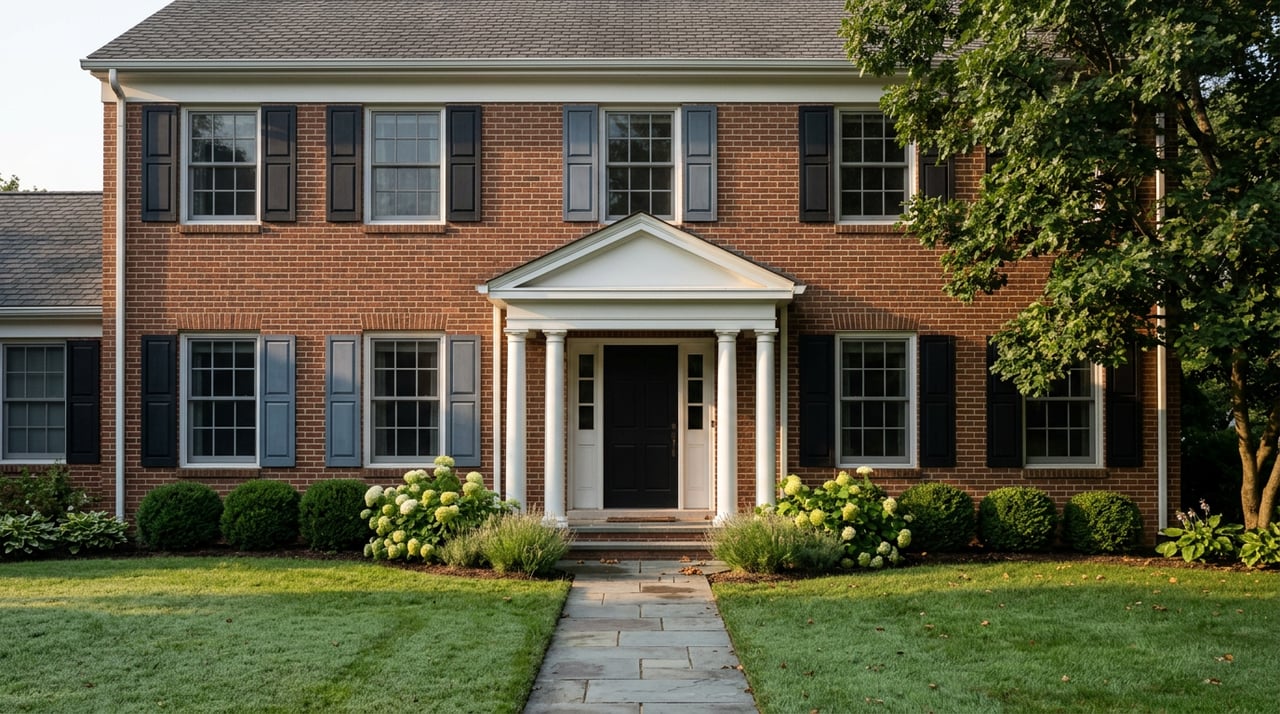
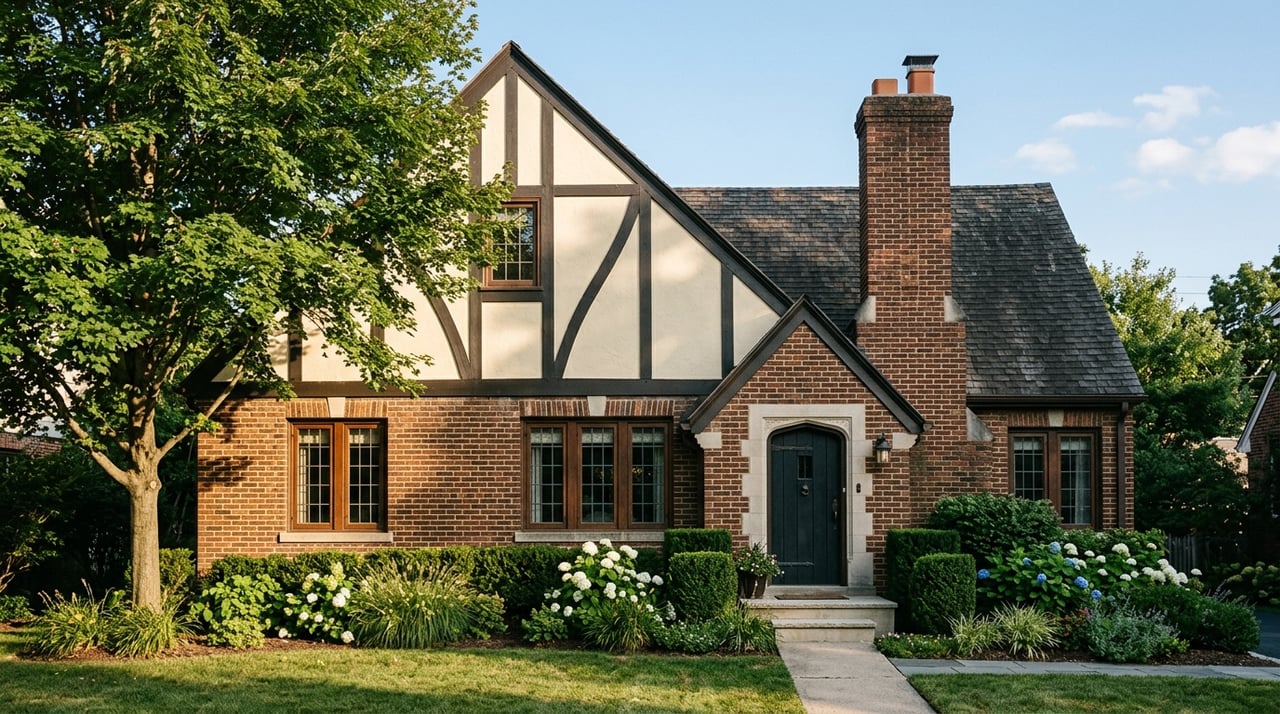
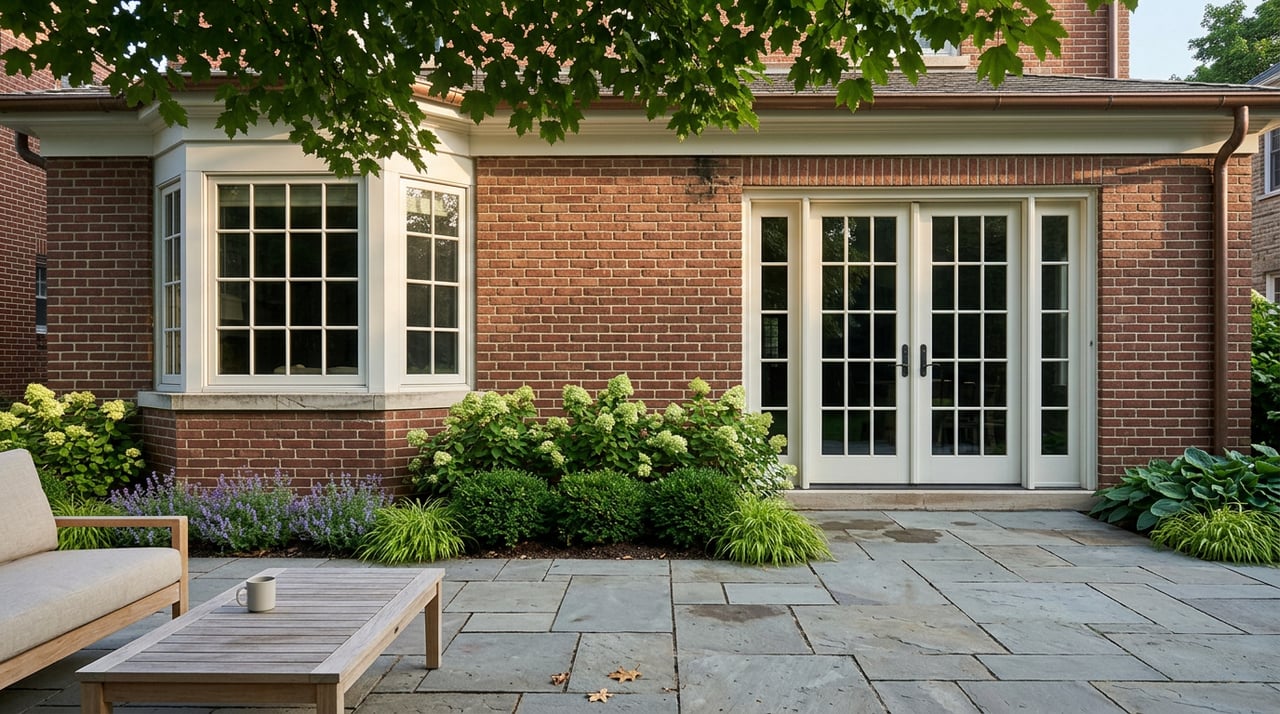
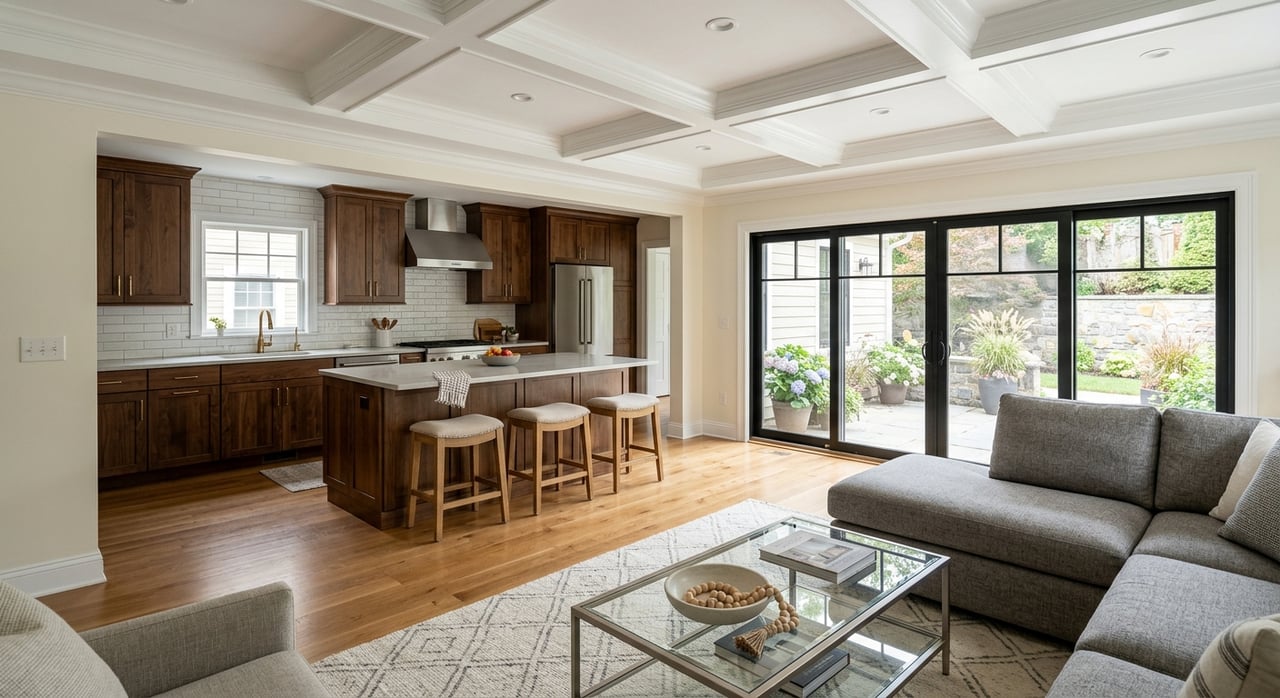
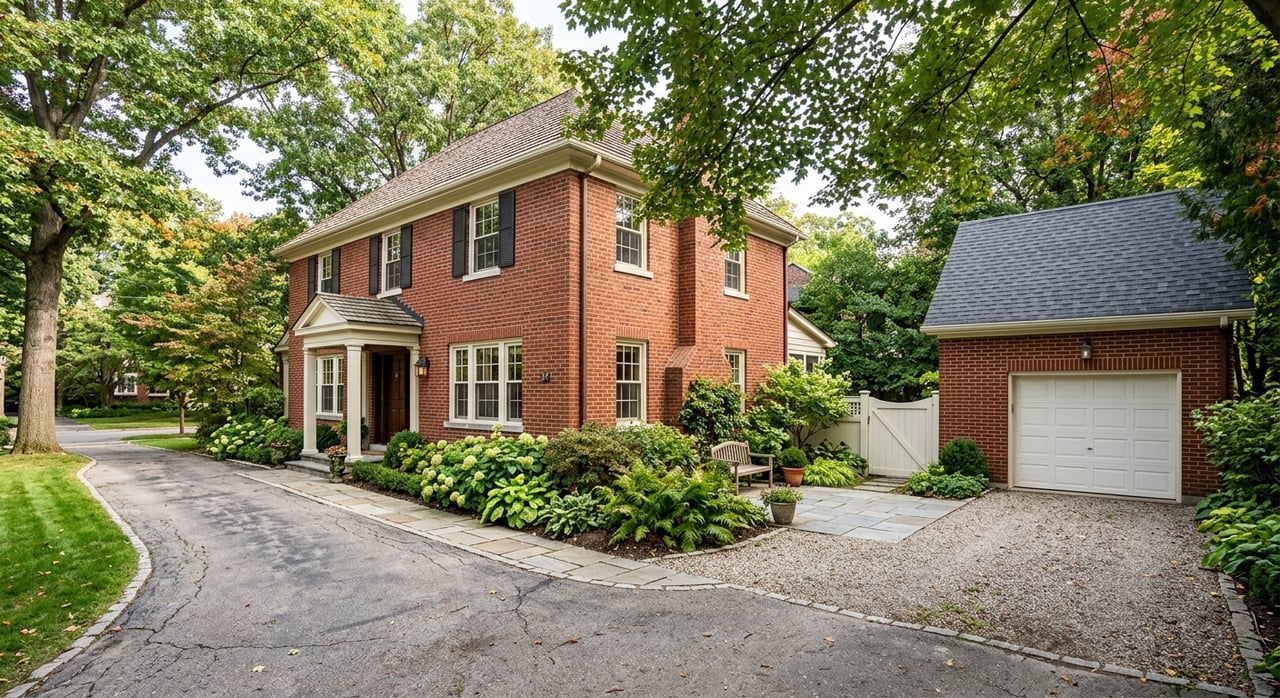
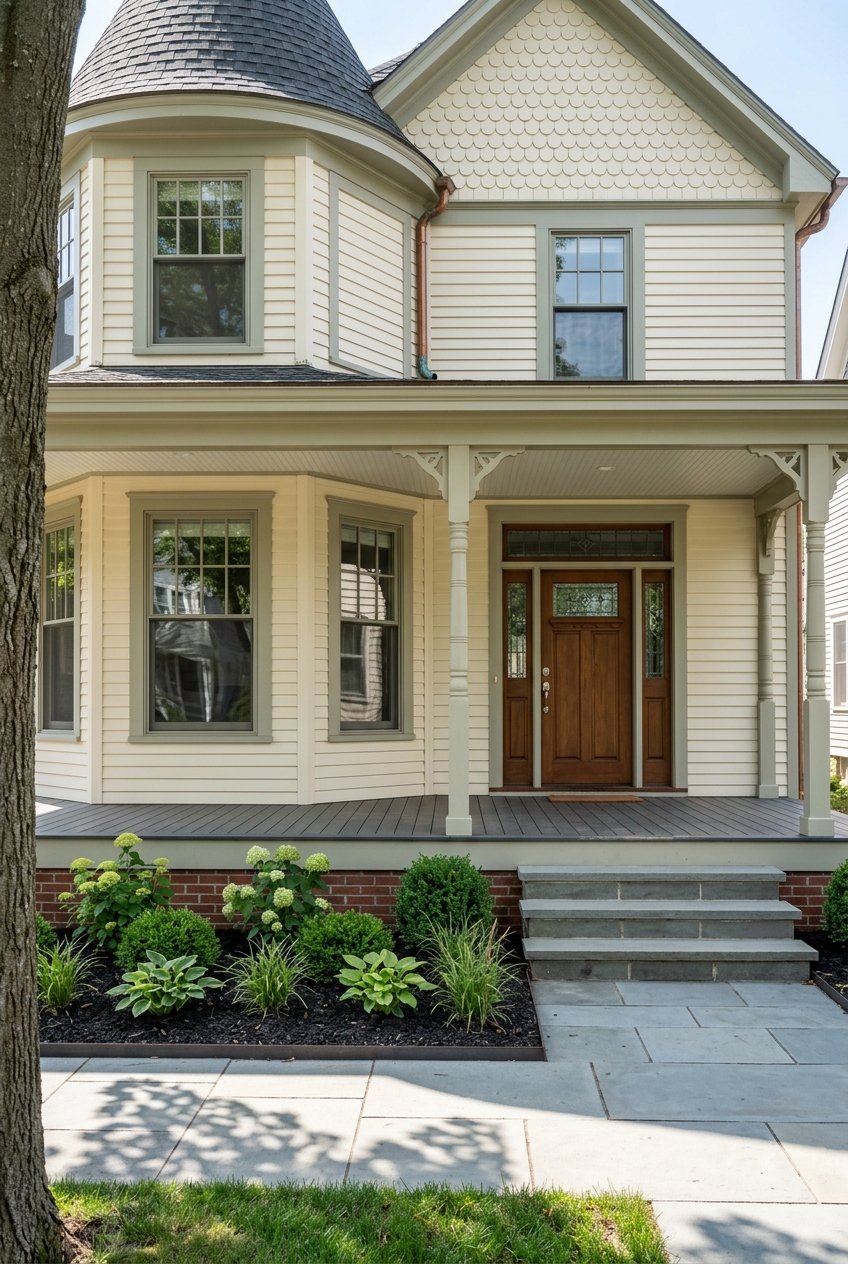
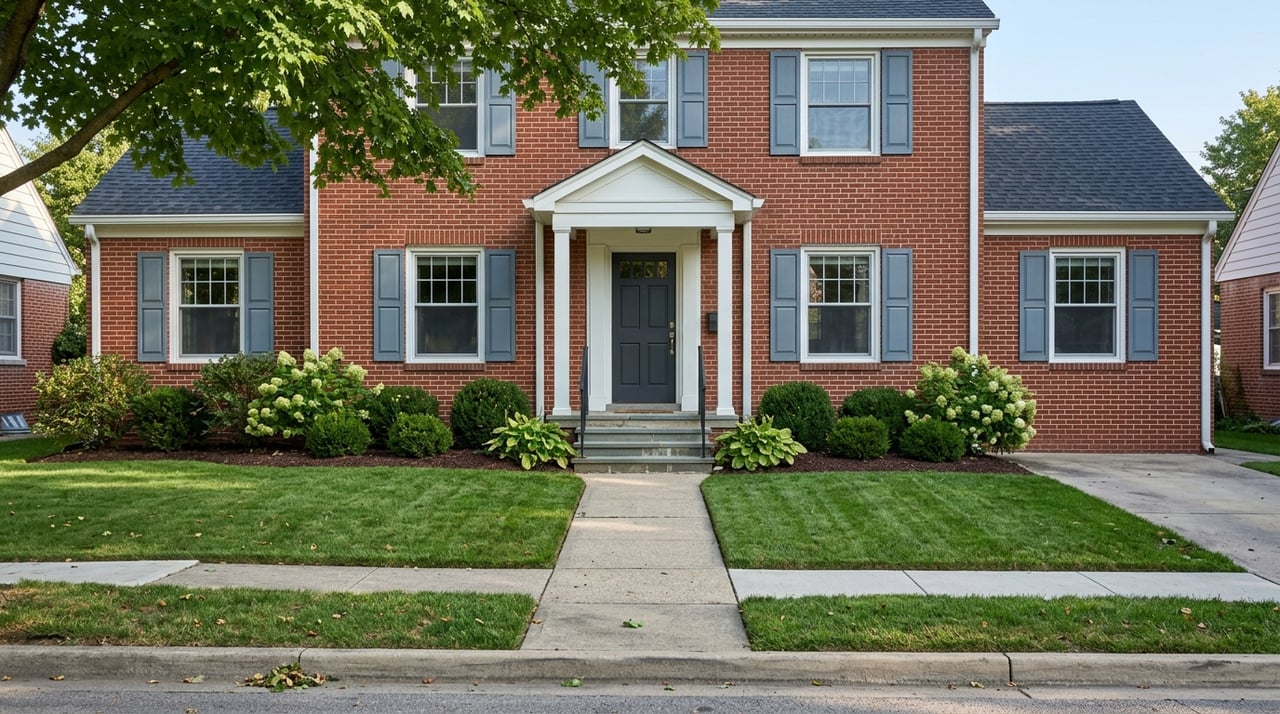
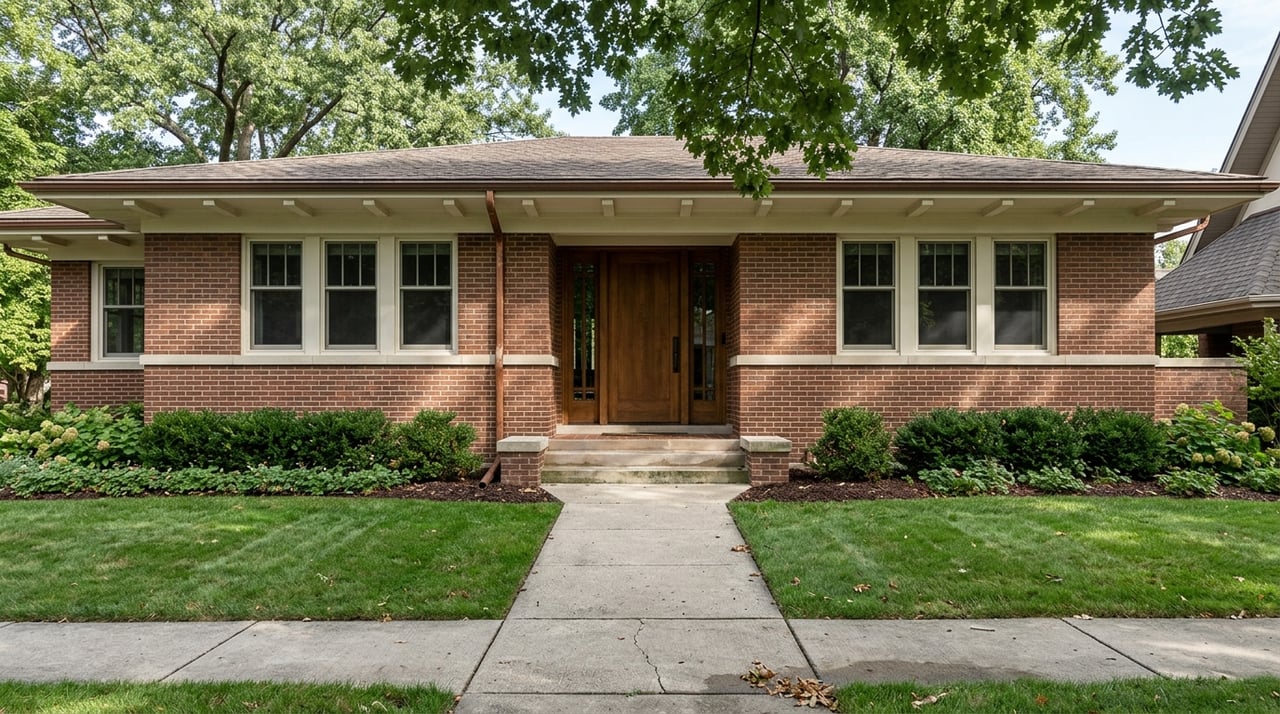
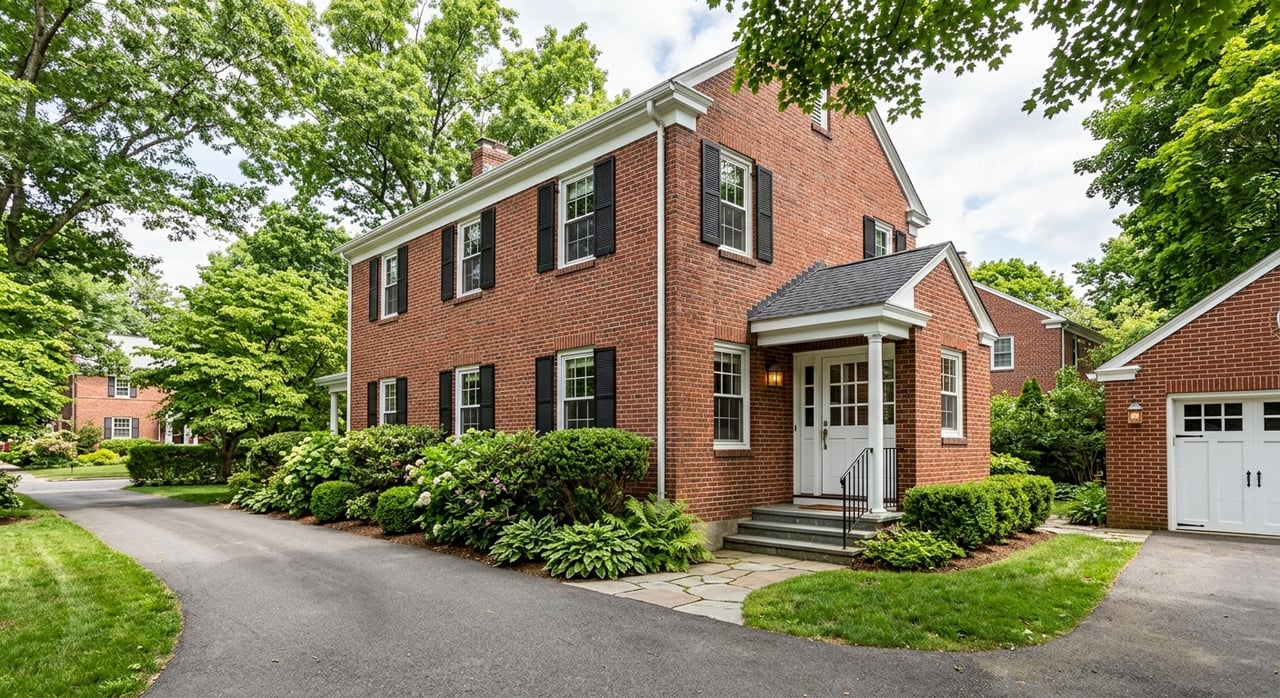
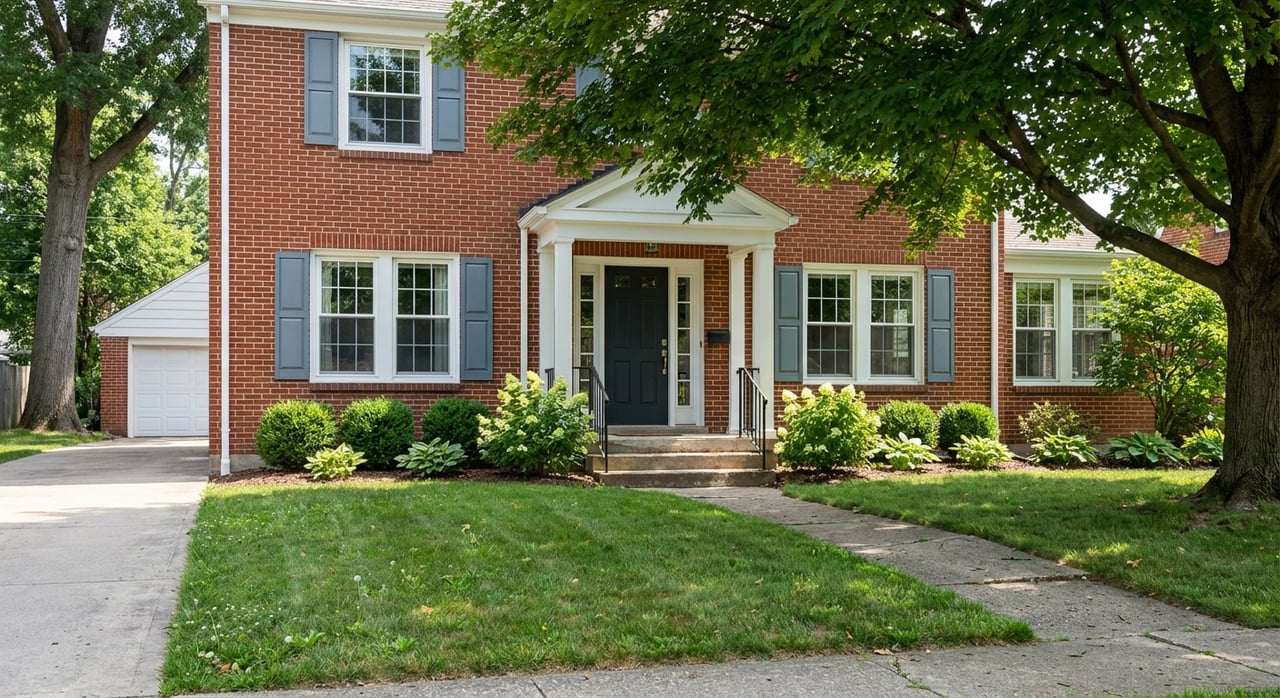
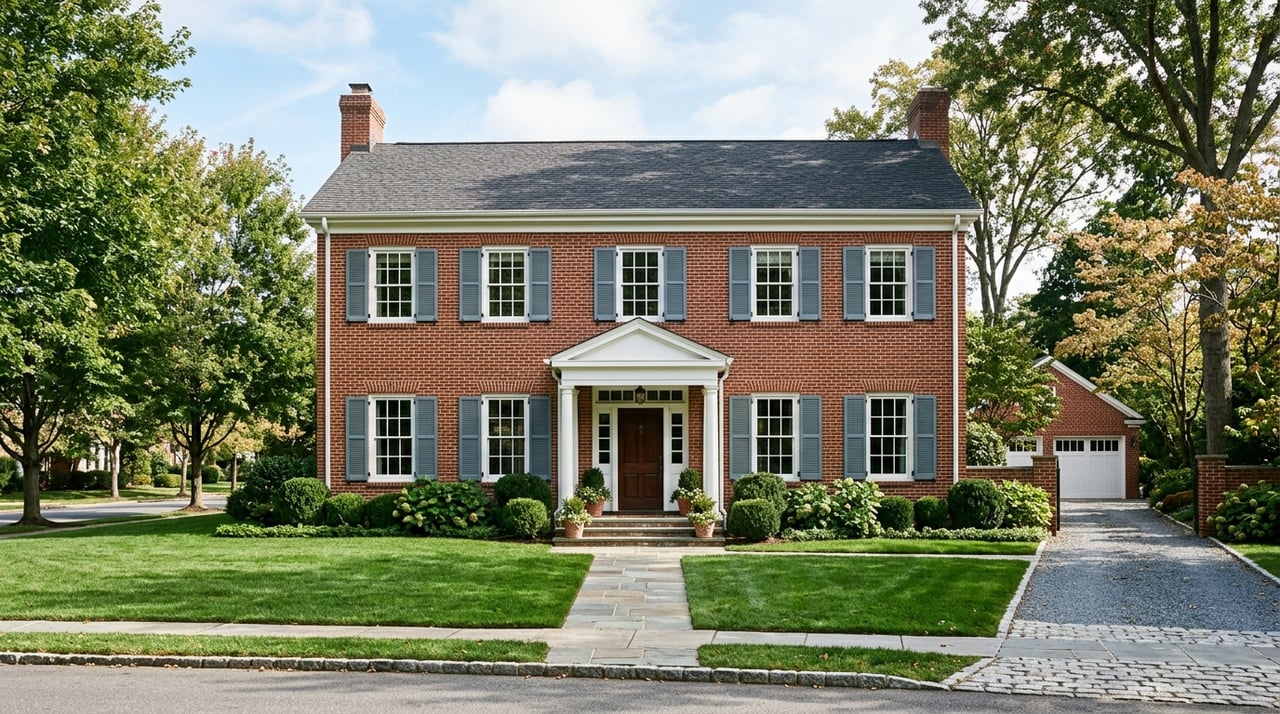
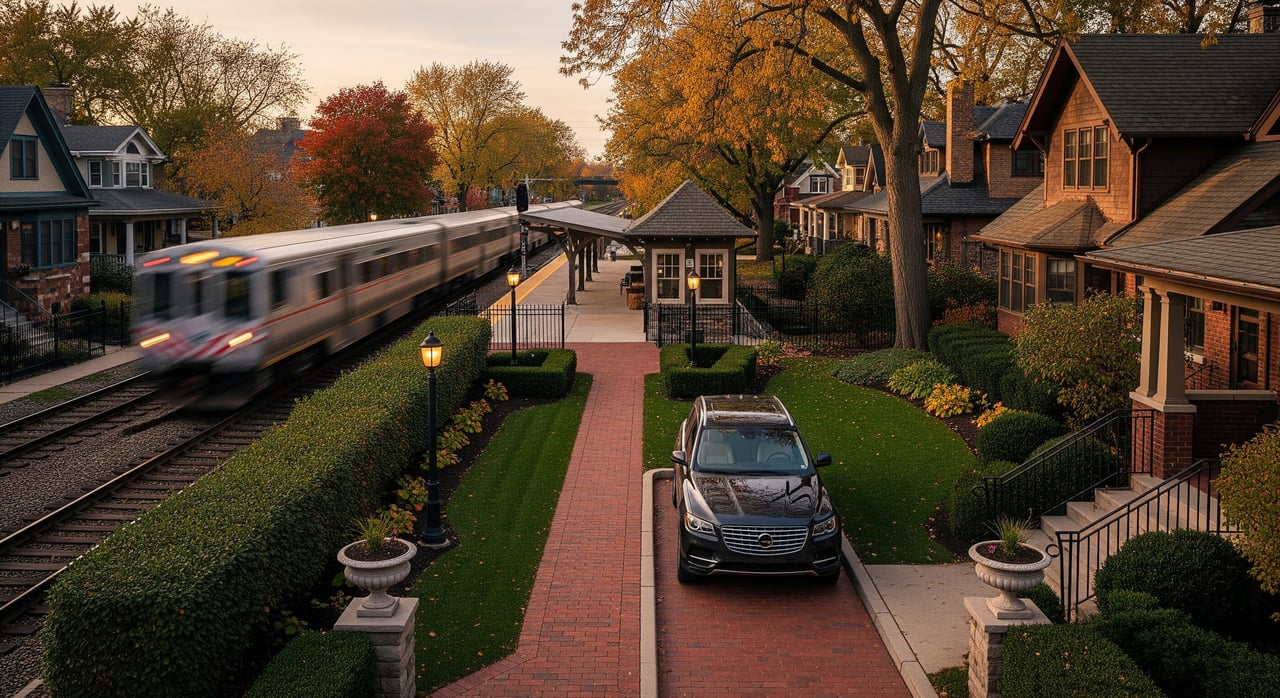
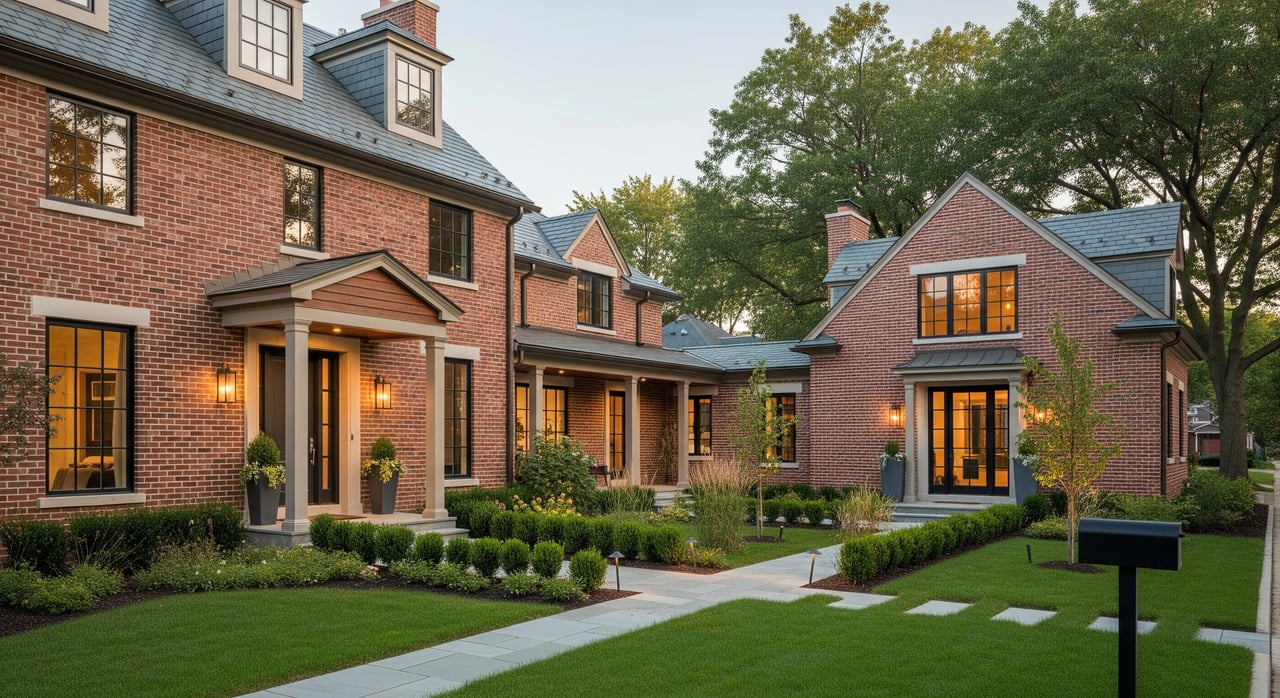
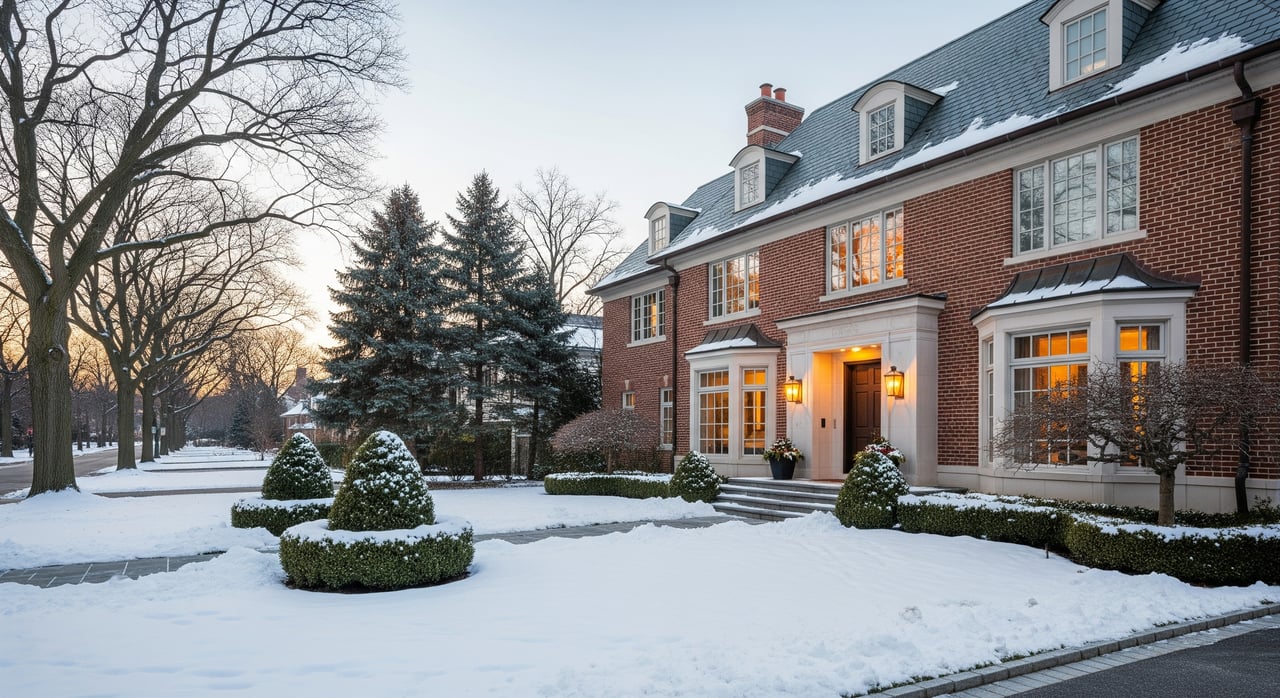
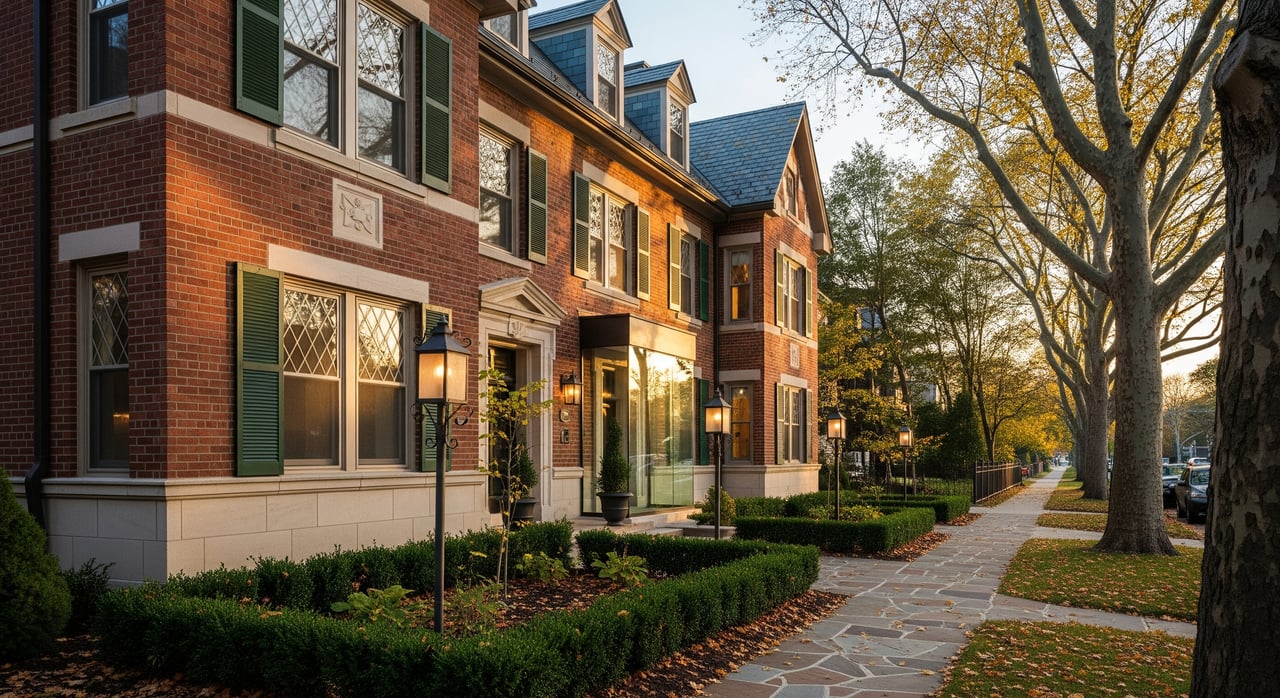
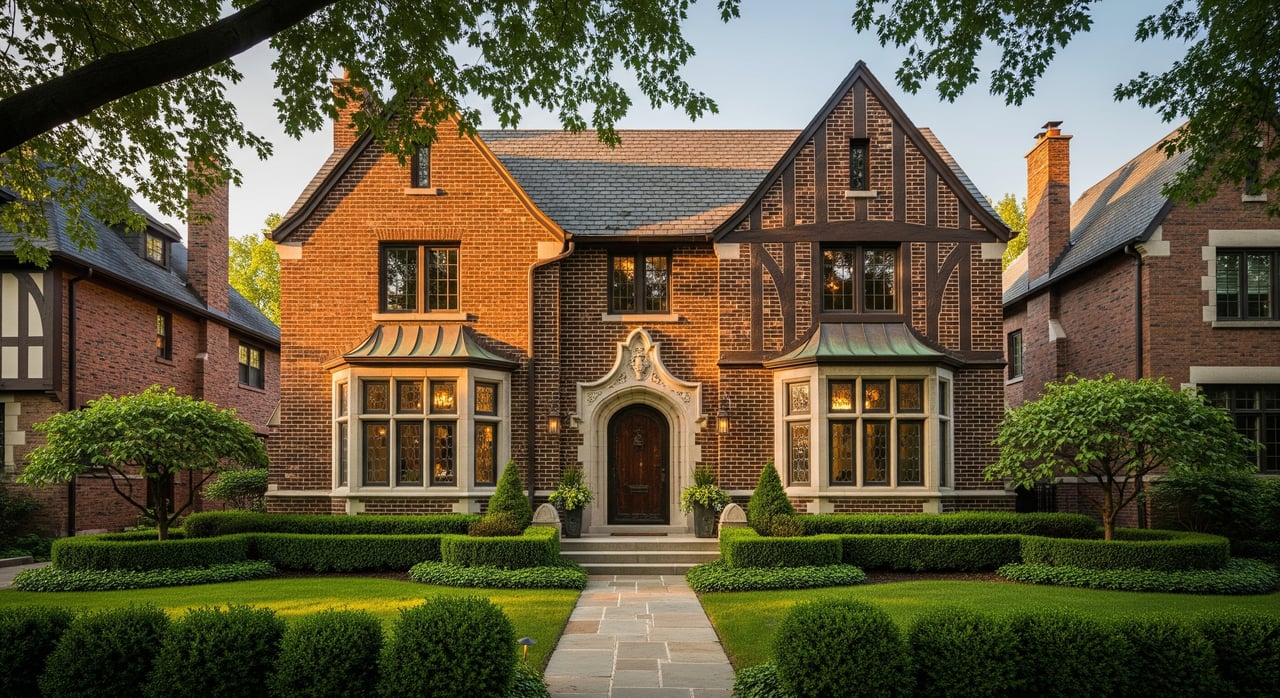
Elmhurst often sits in a mid to upper-mid price tier in the western suburbs. You will find a diverse single-family mix that includes older bungalows, mid-century ranches, expanded colonials, and newer infill homes. Downtown Elmhurst, Metra access, and proximity to major highways tend to support steady demand and a relatively brisk pace compared with more distant suburbs. While seasonality matters, rolling 12-month metrics typically show Elmhurst as competitive for both buyers and sellers.
Elmhurst vs nearby suburbs
Below is a practical, side-by-side look at how Elmhurst typically compares to neighboring markets. These are common patterns to investigate with current data before you decide.
Elmhurst vs Lombard
Lombard generally offers more entry-level and mid-range options relative to Elmhurst, with a stock of bungalows and ranches plus renovated homes near its downtown. You may find broader selection within certain price bands, especially for first-time buyers. Elmhurst usually carries a modest premium tied to its downtown and commuter access.
- Consider if: You want value within a short drive of Elmhurst and a wider selection at lower price points.
Elmhurst vs Villa Park
Villa Park often provides budget-friendly single-family homes with similar vintage to Elmhurst’s older stock. If your focus is price efficiency, you may get more house for the dollar here. Expect Elmhurst to command a higher median tied to its amenities and infill redevelopment.
- Consider if: Your priority is affordability with access to the same broader corridor of jobs and amenities.
Elmhurst vs Oak Brook
Oak Brook typically skews higher in price with larger lots and a meaningful presence of newer or custom homes. Newer construction can lift local comps and offer turnkey options at luxury price points. Compared to Elmhurst, you are weighing larger properties and newer builds against a higher buy-in.
- Consider if: You prefer newer construction, larger lots, and a luxury orientation.
Elmhurst vs Hinsdale
Hinsdale commonly sits at a higher price tier, with historic and luxury properties that command premium pricing and finish levels. Pace can be brisk in well-priced segments. Elmhurst tends to appeal to buyers who want a strong central location and a broad mix of housing styles without reaching Hinsdale’s top price bands.
- Consider if: You are targeting luxury inventory and are comfortable with higher price-per-square-foot.
Elmhurst vs Glen Ellyn
Glen Ellyn offers a charming historic core and a mix of housing types, often overlapping with Elmhurst in price bands. Market pace and buyer profiles can look similar, especially for commuters and move-up buyers. Your choice may come down to specific neighborhood micro-features and home style preferences.
- Consider if: You want a village feel with housing stock and pricing comparable to Elmhurst.
Elmhurst vs Wheaton
Wheaton’s larger footprint supports a wide range of price points and home styles. You will often find more options across entry, mid, and move-up tiers. Elmhurst may feel tighter on inventory in certain bands, with pricing reflecting proximity and infill.
- Consider if: You want more selection across multiple price tiers and can be flexible on commute patterns.
Elmhurst vs Downers Grove
Downers Grove sits slightly farther south but is a popular alternative with a walkable core and commuter rail access. Inventory often spans renovated older homes and newer infill. Expect Elmhurst and Downers Grove to compete closely for move-up buyers seeking town centers and convenient commutes.
- Consider if: You want a lively downtown feel with a similar market profile and strong commuter access.
Elmhurst vs Addison
Addison can offer relatively more approachable pricing and a mix of single-family homes at entry and mid-levels. Buyers often consider Addison when stretching for more square footage or lot size within a set budget. Elmhurst typically commands a higher median and a more diverse infill landscape.
- Consider if: You want a larger home at a given price point and are flexible on proximity to Elmhurst’s downtown.
Elmhurst vs Bensenville
Bensenville’s location near major transportation corridors and the airport appeals to buyers prioritizing access. You will typically see attainable price bands with a range of older and updated homes. Elmhurst tends to sit at a higher price tier with a stronger concentration of infill.
- Consider if: Transportation access is your top priority and you want more entry-level options.
Elmhurst vs West Chicago
Farther west, West Chicago often provides larger lots and value opportunities at lower price tiers. Commute times to central job centers may be longer, which can influence pace and pricing. Elmhurst typically trades at a premium for closer-in access and a compact downtown.
- Consider if: You want lot size and value and can trade a longer commute for price.
Price bands to watch
A clear way to compare affordability is by looking at sales distribution by price band. In this corridor, you will typically see:
- Entry-level bands that are more common in Villa Park, Addison, Bensenville, and West Chicago.
- Mid to upper-mid bands where Elmhurst, Glen Ellyn, Wheaton, and Downers Grove often overlap.
- Luxury-oriented bands that appear more frequently in Hinsdale and Oak Brook.
Price per square foot can shift widely based on lot size and age of home. A lower price per square foot does not always mean a better deal if it comes with a much larger house or lot. Compare price per square foot alongside total square footage, lot size, and age or renovation quality.
Market pace and leverage
When months supply of inventory is tight and median days on market is low, you are more likely to encounter multiple offers and sale prices near or above list. Elmhurst often shows a competitive pace given its amenities and transit, while some farther suburbs may have a bit more breathing room. In a tight segment, you can improve your position with clean terms, flexible timing, and strong pre-approval.
For sellers, shorter days on market and a healthy list-to-sale ratio favor disciplined pricing and polished presentation. Overpricing can backfire by extending days on market and inviting larger concessions later.
New construction trends
New construction can reshape pricing in any town. In Elmhurst and nearby communities, infill redevelopment introduces modern layouts and higher-finish comps that lift neighborhood expectations. Oak Brook and other luxury-oriented areas may show a larger share of newer or custom construction.
If you are buying, compare new builds with updated resales to understand trade-offs in finish level, lot size, and neighborhood setting. If you are selling a resale near active new construction, consider targeted updates or strategic pricing to stay competitive.
Taxes, schools, commute
Property tax rates vary by municipality and county, which affects monthly carrying costs and affordability. Many buyers also weigh school district boundaries and official performance data as part of their decision. Commute factors, including Metra access and highway proximity, can influence demand and days on market.
As you compare towns, pull a sample tax bill for a representative home, confirm school boundaries through official sources, and map typical commute times to your workplace. These practical checks help you translate list price into true monthly cost and livability.
Buyer action plan
- Define your price band and must-have features, including lot size and renovation level.
- Ask for a data pack with the latest 12-month medians for price, price per square foot, inventory, months supply, days on market, and list-to-sale ratio for Elmhurst and two to three nearby towns.
- Compare commute and carrying costs by pairing a sample home in each town with actual tax bills and estimated monthly payments.
- If you expect competition, prepare terms that matter: strong pre-approval, flexible timing, limited contingencies where appropriate.
Seller action plan
- Review current inventory and months supply in your price band. If supply is tight, price at market and prepare for early activity.
- Separate new construction comps from resale to fine-tune strategy. Consider light updates that deliver outsized ROI in photos and showings.
- Invest in presentation. Staging, thoughtful marketing, and timing around peak buyer activity can compress days on market and improve outcomes.
- Plan for appraisal and inspection by organizing permits, service records, and a pre-list walkthrough to address common buyer concerns.
Ready to compare Elmhurst with precision and make a confident move? The boutique, concierge approach at The Anne Monckton Group pairs neighborhood expertise with disciplined marketing and negotiation to maximize your outcome. Book an appointment and let’s build your data-driven plan.
FAQs
Is Elmhurst more expensive than nearby western suburbs?
- In many periods, Elmhurst sits in a mid to upper-mid price tier relative to neighbors, with Hinsdale and Oak Brook often higher and Villa Park, Addison, Bensenville, and West Chicago often lower. Always verify with current 12-month medians.
How fast do Elmhurst homes sell compared to Lombard or Villa Park?
- Elmhurst often shows a competitive pace supported by amenities and transit. Compare median days on market and months supply across towns to gauge your negotiation strategy in real time.
Where can I get more space for my budget near Elmhurst?
- Buyers often find larger homes or lots at a given price point in Villa Park, Addison, Bensenville, and West Chicago, while Elmhurst, Glen Ellyn, Wheaton, and Downers Grove tend to overlap in mid to upper-mid tiers.
Are property taxes higher in Elmhurst than in Cook County suburbs nearby?
- Tax rates vary by municipality and county. Review a sample tax bill for a representative home in each town to compare monthly carrying costs before making an offer.
Will I face multiple offers in Elmhurst this year?
- When months supply is tight and days on market are low, multiple offers are more likely. Track these indicators in your price band to decide on offer terms and timing.