Swapping a Chicago walk-up for a backyard, a quiet street, and a quick train ride sounds great until the details pile up. You want the right house, a manageable commute, clear costs, and confidence that you’re choosing the best fit for your family. This guide gives you a clean, practical plan for moving from Chicago to Elmhurst, with current prices, commute options, school links, and offer strategies tuned to how Elmhurst actually works. Let’s dive in.
Why Elmhurst fits city-to-suburb moves
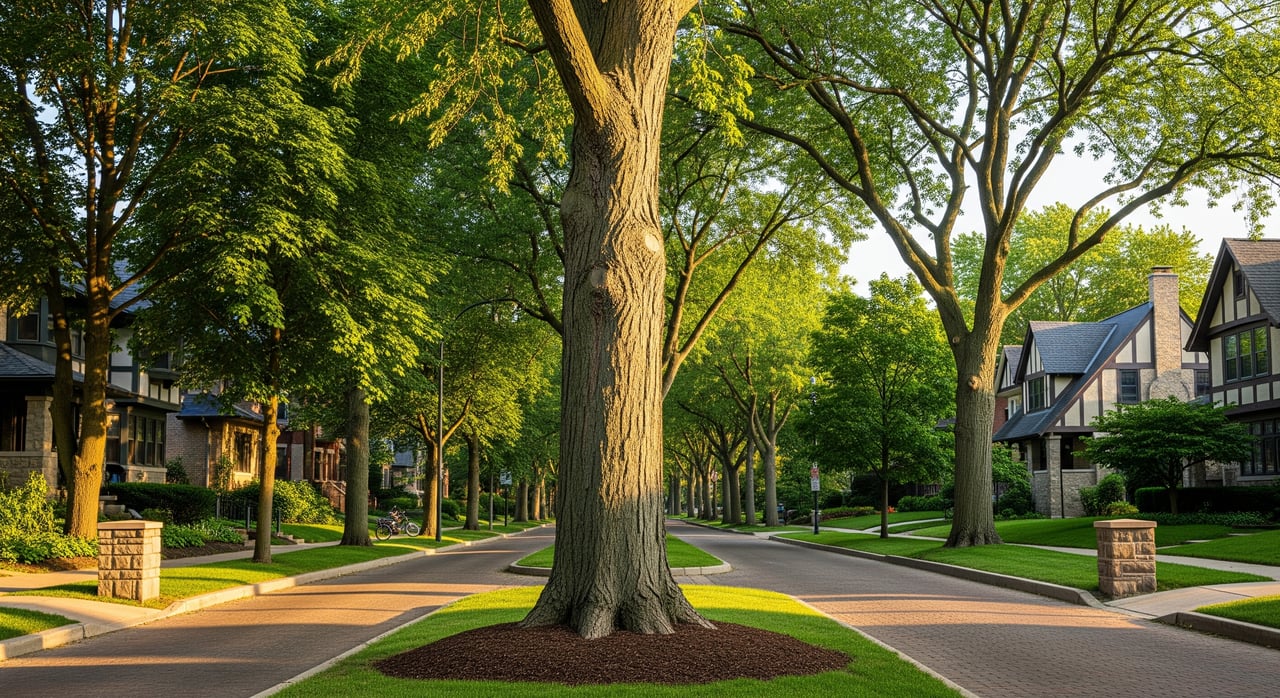
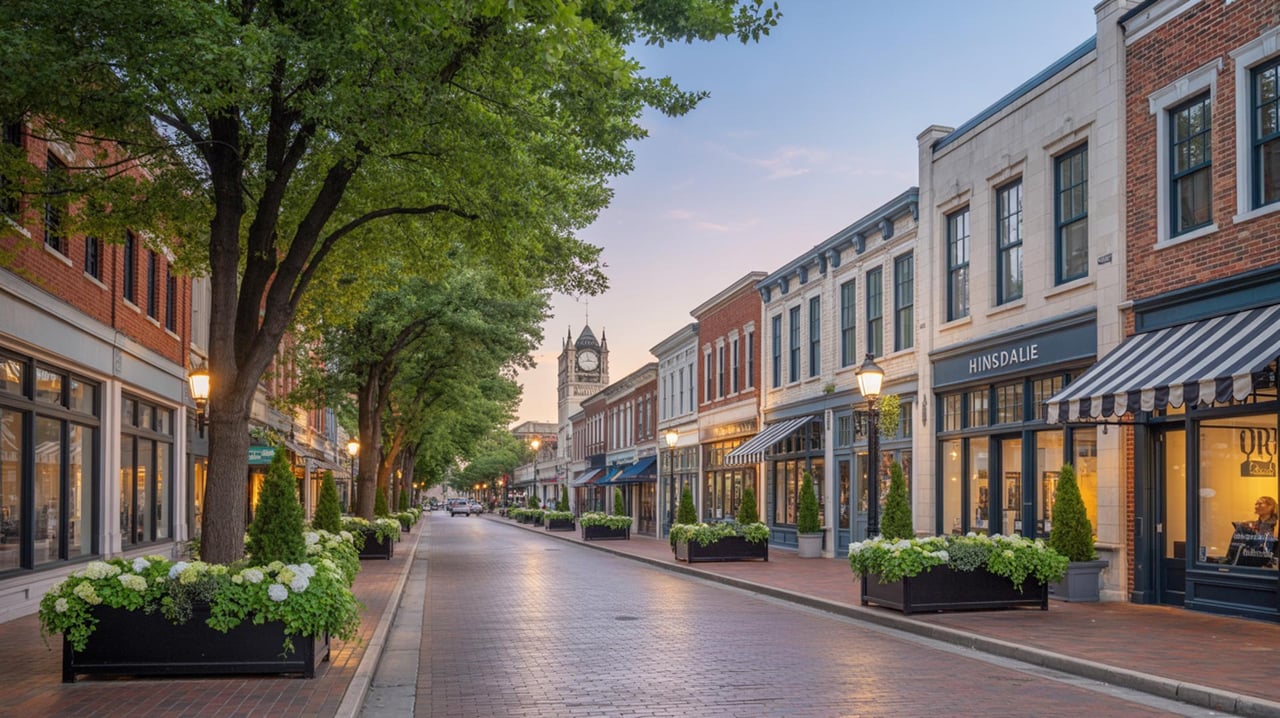
Elmhurst is an inner-ring western suburb with a lively, compact downtown around York and Park that feels familiar if you love neighborhood streets and a coffee-to-commute routine. You’ll find restaurants, small shops, and community events clustered near Wilder Park.
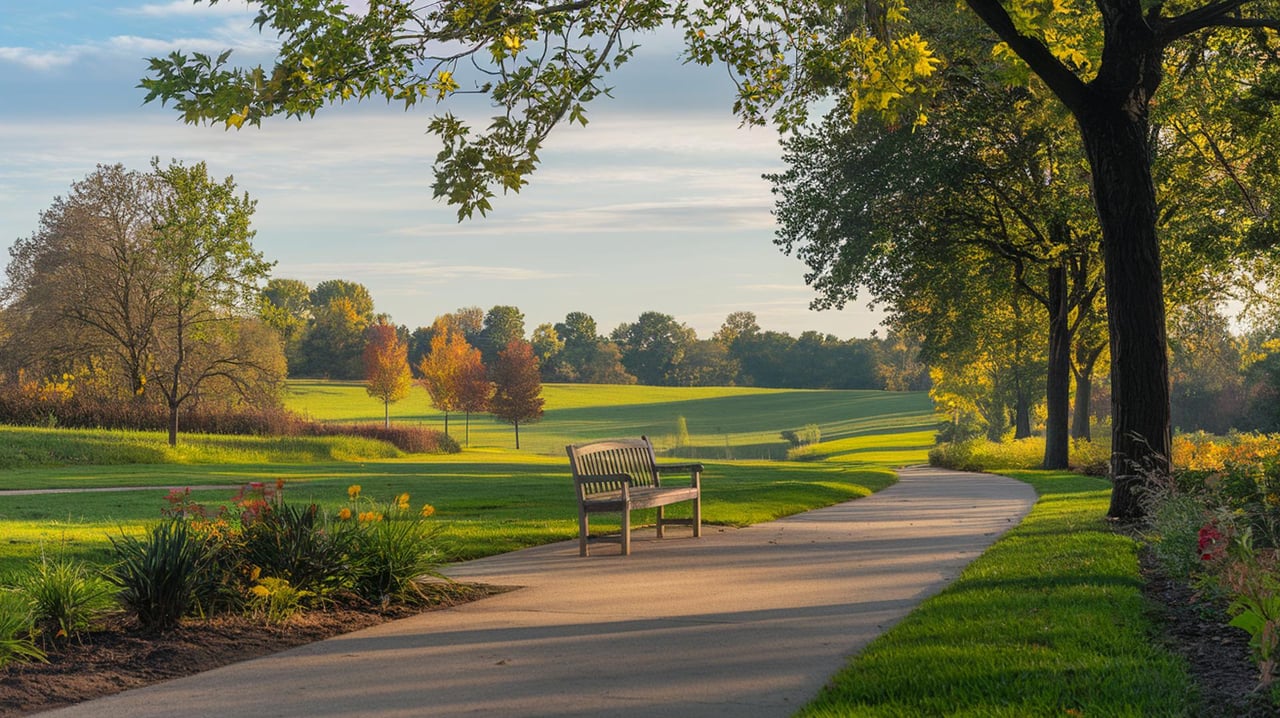
Wilder Park is the city’s central green space and cultural hub. It includes a conservatory, formal gardens, play areas, and frequent community events. The Elmhurst Art Museum sits along the park edge, and seasonal programming draws steady foot traffic throughout the year. You can explore the park’s facilities and programs through the Elmhurst Park District’s page for Wilder Park.
If you’re seeking weekend bike rides and easy access to trails, Elmhurst sits along the Illinois Prairie Path rail-trail network, with the Salt Creek Trail nearby. Both extend your recreational options well beyond the yard, which is a big perk when you’re trading city parks for suburban space. See an overview of the Illinois Prairie Path to get a feel for routes.
Healthcare and services are close by, with Elmhurst Memorial Hospital (part of the NorthShore – Edward-Elmhurst system) serving the area. Larger regional shopping like Oakbrook Center is a quick drive, while the downtown core covers everyday dining and errands.
What Elmhurst homes cost right now
You’ll see different numbers depending on the source and the way each platform calculates prices. Here’s the range as of late 2025 to early 2026, so you can set expectations:
- Zillow’s Home Values Index reported an average Elmhurst home value of about $583,000 as of January 31, 2026.
- Redfin’s December 2025 data showed a median sale price around $563,000 and described Elmhurst as somewhat competitive, with homes often receiving about two offers.
- Realtor.com’s December 2025 listing-side snapshots showed listing medians near $700,000 in some central Elmhurst areas, which reflects active listing prices rather than closed sales.
Why the differences? Zillow’s ZHVI is an index of estimated home values. Redfin reports closed-sale medians from MLS and public records. Realtor.com’s medians reflect list prices. When you compare, label your source and date, and focus on trends within your target price band.
Price bands you’ll actually shop
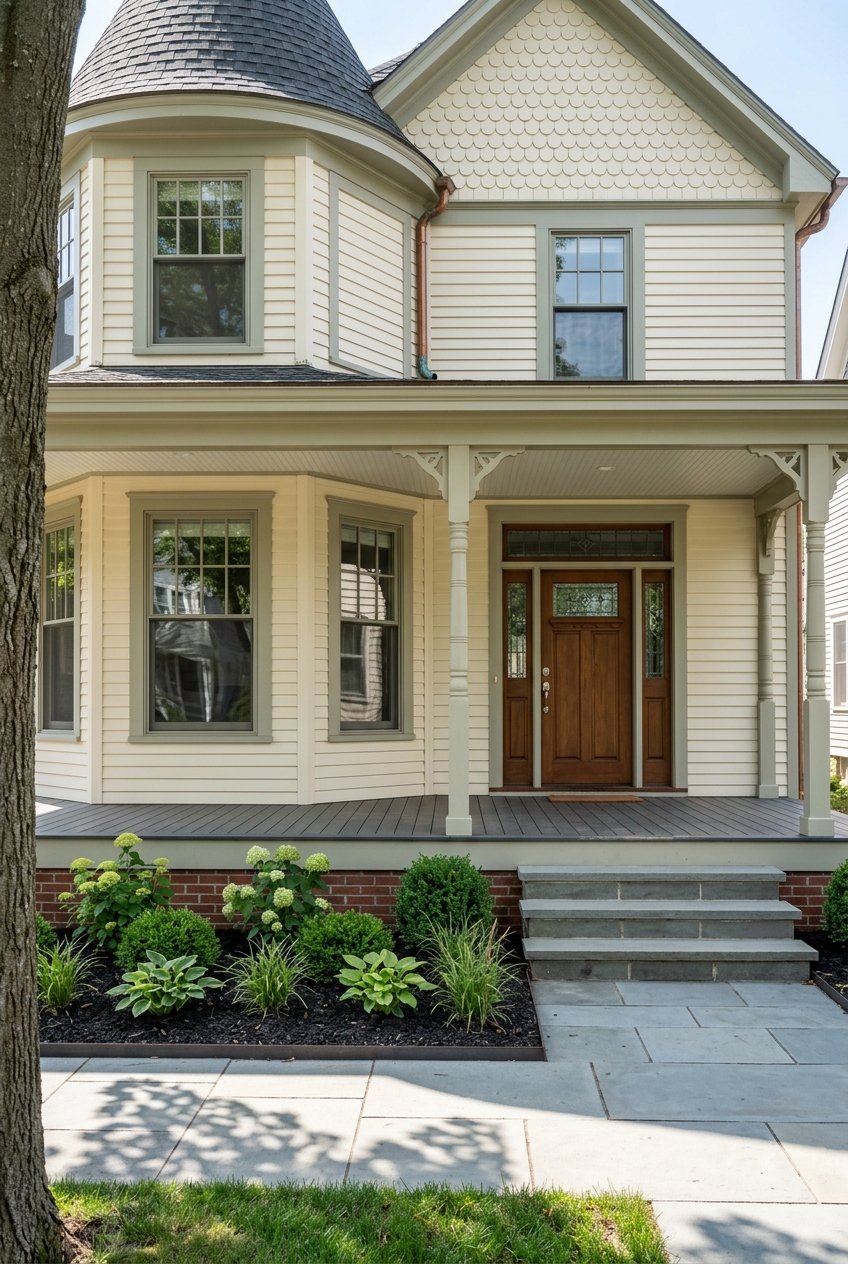
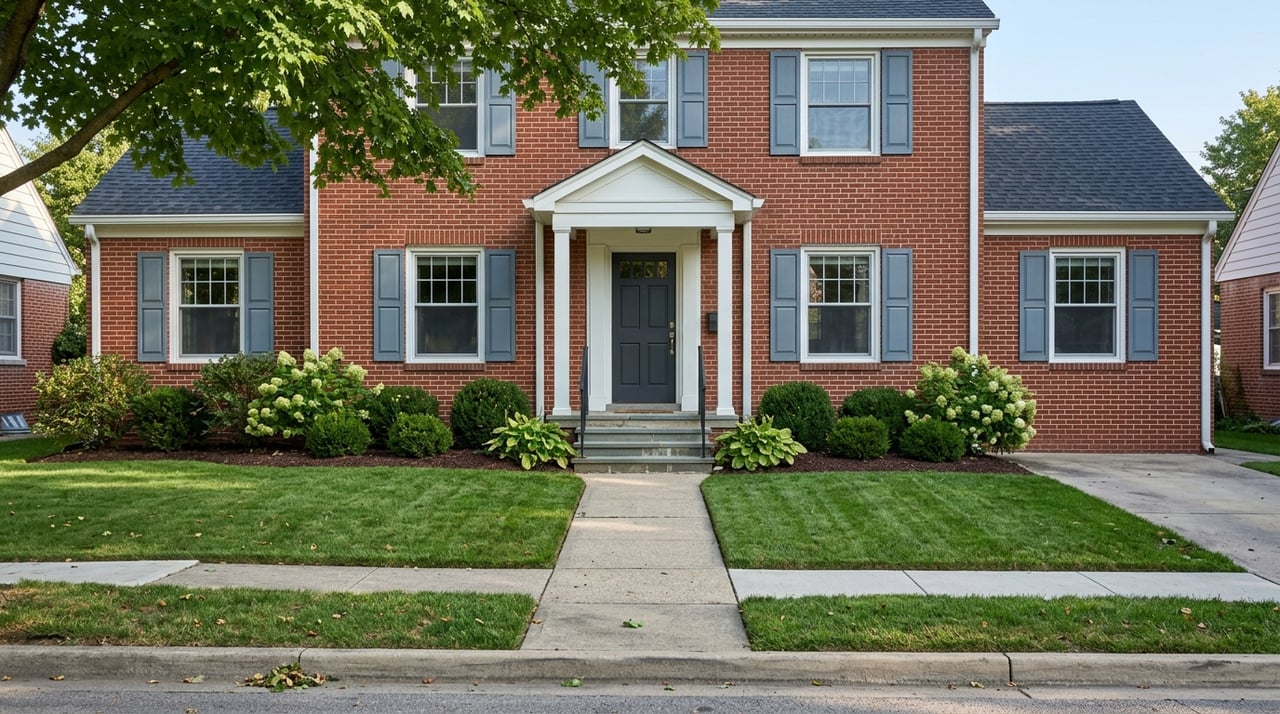
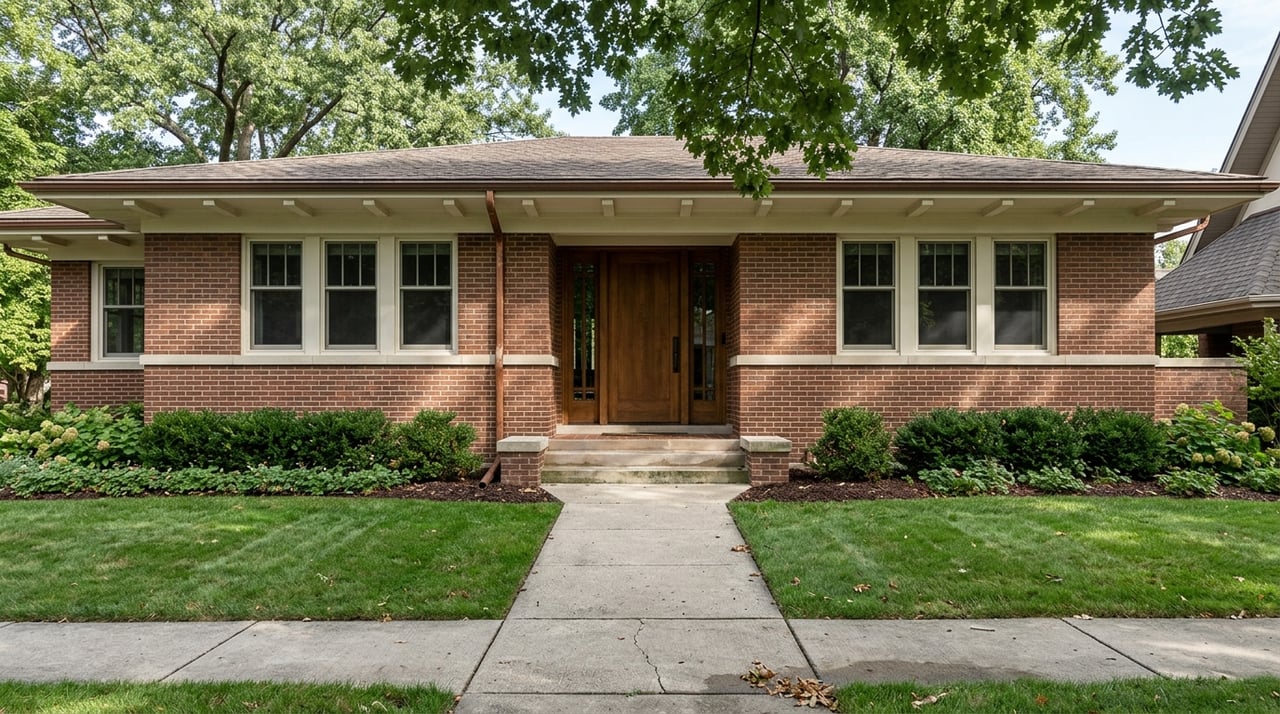
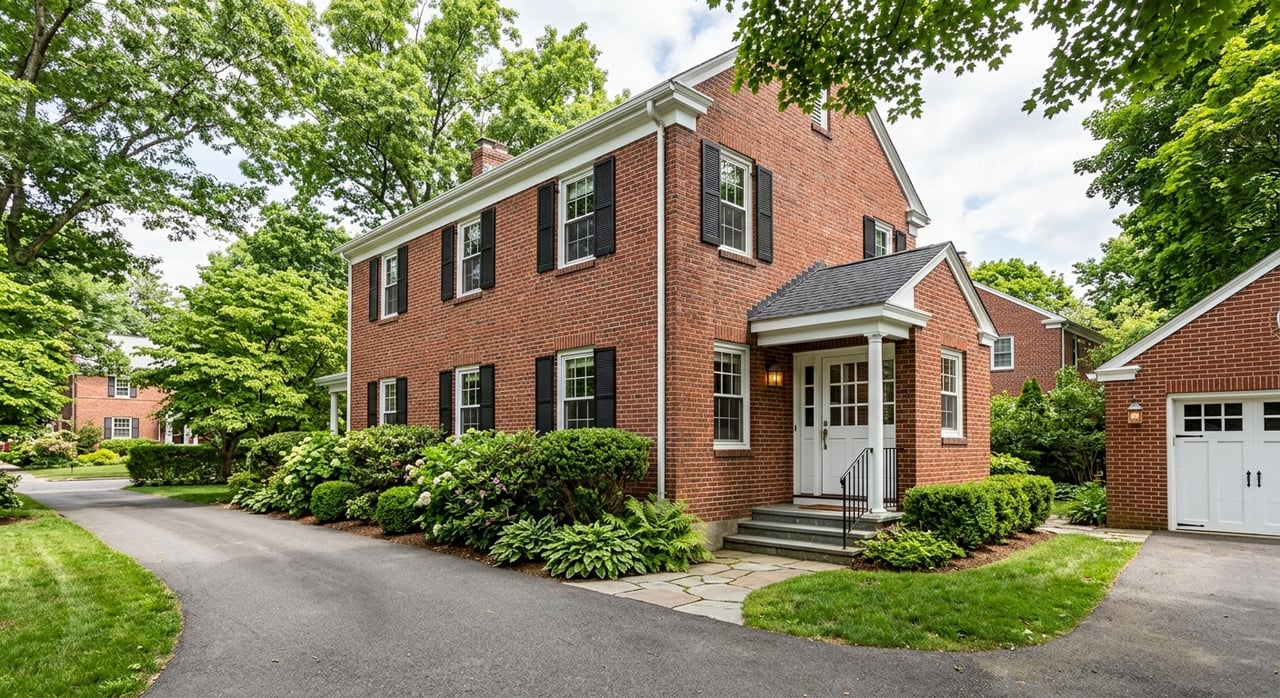
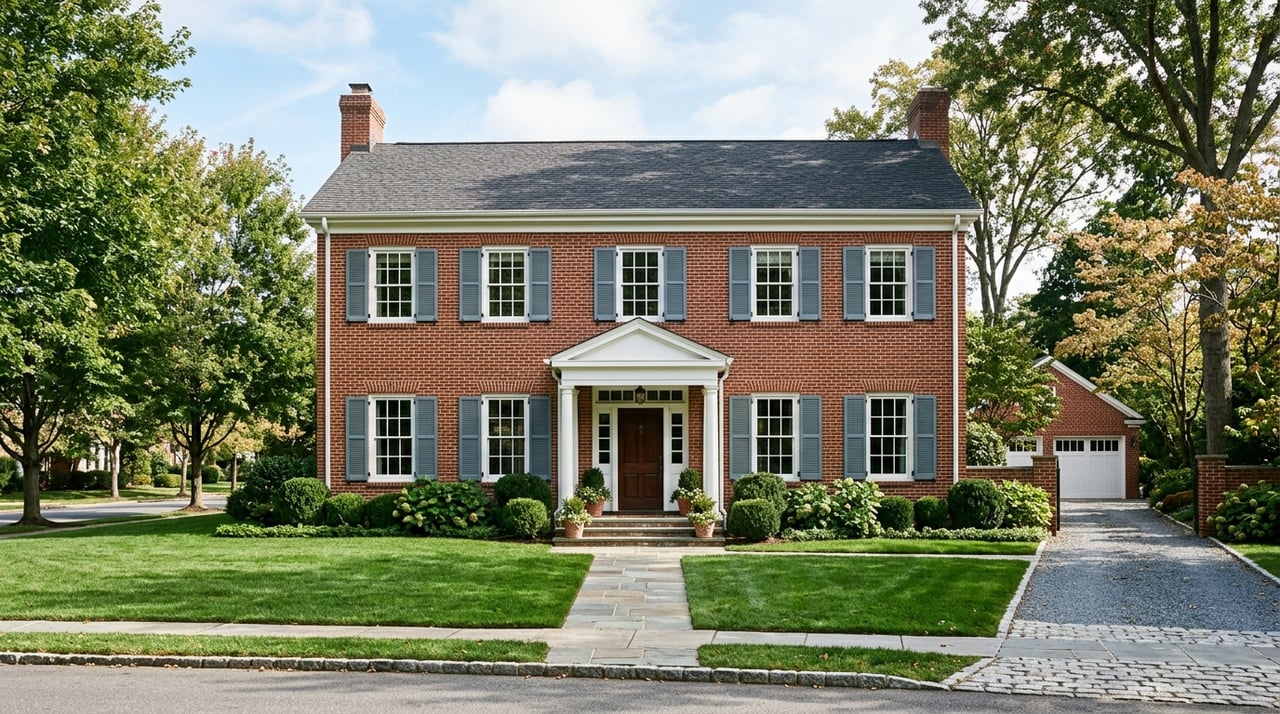
- Entry to midrange single-family: mid $400,000s to upper $600,000s, often older homes, midcentury properties, and renovated period houses.
- Upper mid to premium: upper $600,000s to high $800,000s, including expanded and updated homes in central or walkable pockets.
- Luxury and new construction: $1 million and up, especially newer infill builds with modern floor plans and larger lots.
Inventory is moderate. Well-priced homes near downtown or in popular pockets can move quickly, but the pace is generally steadier than the most competitive Chicago neighborhoods. Expect variability by price and location. In late 2025, median days on market often ran about five to eight weeks for many segments, while some properties went under contract faster.
Budget, closing costs, taxes, and what to expect
Financing and down payment
- Many buyers target 10 to 20 percent down, with 20 percent used to avoid PMI. FHA and other programs can work, subject to loan limits and terms.
- Get pre-approved before touring. A strong, current pre-approval sets the tone for clean, confident offers in a somewhat competitive market.
Closing costs in DuPage and the western suburbs
- Typical buyer closing costs run roughly 2 to 4 percent of the purchase price. Your final number depends on lender fees, title charges, prepaid taxes and insurance, and any transfer or recording fees.
- Illinois state transfer tax is commonly expressed as $0.50 per $500 of consideration, which is 0.1 percent. Municipal and county fees can apply depending on where you buy. Clarify who pays what in Elmhurst and DuPage before you write.
- Lenders often collect 2 to 6 months of property tax and insurance escrows at closing, which can make your cash-to-close higher than expected. Ask your lender for a detailed Loan Estimate and updated numbers once you’re under contract.
Property taxes: how to estimate
- Property tax bills vary by parcel, assessment, and the mix of taxing districts. To estimate, use the DuPage County property and tax lookup once you have a specific address.
- As a sample, many Elmhurst single-family homes carry annual tax bills in the several-thousand-dollar range. We have seen examples around $8,000 to $9,000 per year, but the only way to know your likely bill is to check the county portal for the specific property and confirm prorations with the title company.
Other recurring costs to plan for
- Homeowner’s insurance, utilities, lawn and snow service if you outsource, and any HOA dues in subdivisions or certain new-build clusters.
- Budget for routine maintenance. Even updated homes benefit from an annual set-aside for mechanicals, roof, and exterior care.
Schools and enrollment basics
Most of Elmhurst is served by Elmhurst Community Unit School District 205, which includes York Community High School, three middle schools, eight elementary schools, and early childhood programs. Research the district’s official pages and attendance boundaries, and confirm a property’s assigned schools before you write an offer. Start on the Elmhurst CUSD 205 site for maps and contacts.
Private school options include Timothy Christian Schools, a PK–12 program. If you’re considering private enrollment, verify application timelines and capacity. You can find contact details through the local chamber listing for Timothy Christian Schools.
Use only neutral, factual information when comparing schools. Rely on official district resources and state report cards to understand programs and performance.
Commute: train and drive options
Train to the Loop
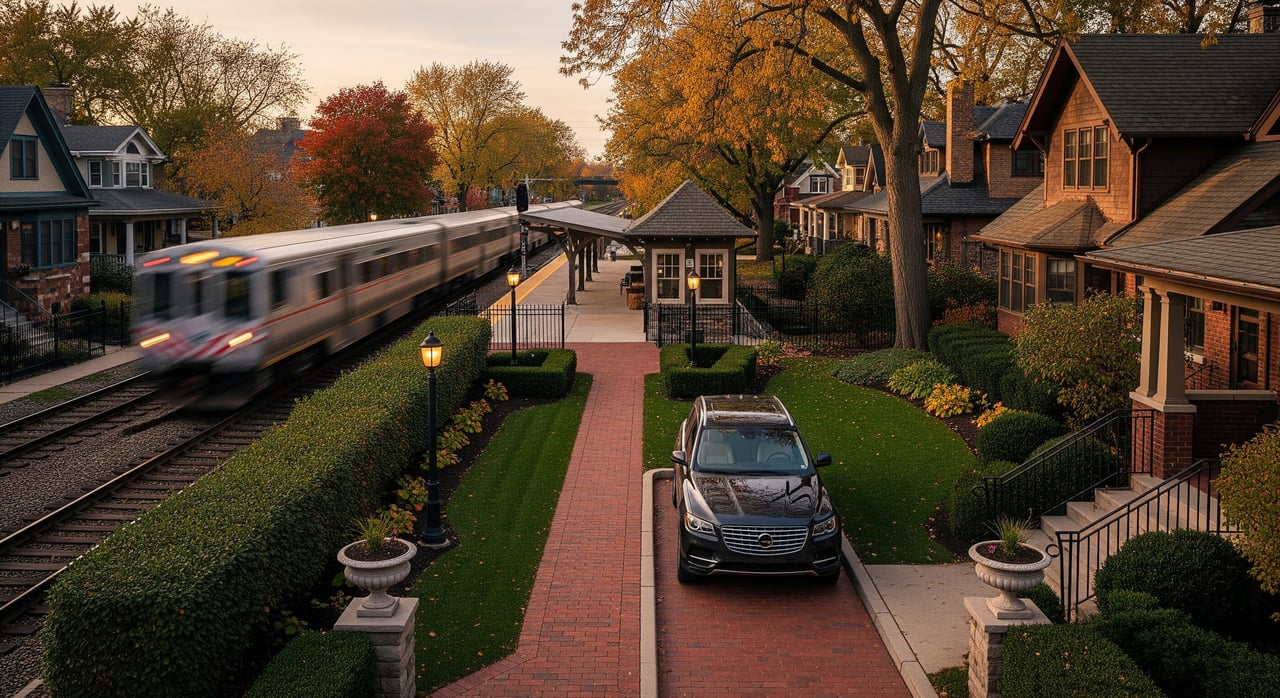
Elmhurst is on Metra’s Union Pacific West (UP-W) line, with the Elmhurst station right by downtown at 128 W. 1st Street. The station is in Zone 3 and has substantial park-and-ride capacity. Inbound service is frequent on weekdays. Check schedules and parking details on Metra’s page for the Elmhurst station.
Expect about 24 to 40 minutes to Ogilvie Transportation Center depending on express vs. local trains and time of day. You can see a summary of travel times on Elmhurst station’s Wikipedia entry and confirm exact trains on Metra’s schedule page.
Driving to the city
The distance to the Loop is roughly 15 to 18 miles. Off-peak drives can land in the 25 to 35 minute range. Peak travel varies based on congestion along I-290 and connecting routes. A typical estimate shows around 31 minutes for about 15 miles in normal conditions; use a trip planner or rideshare estimator like Uber’s Elmhurst-to-Chicago route to check your specific departure time.
How to structure your Elmhurst home search
Dial in your filters
- Focus searches on zip 60126 and filter for Single-Family Detached to match Elmhurst’s dominant housing type.
- Add lot-size targets and confirm school assignments using district maps if those are priorities for you.
- If walkability is important, pay special attention to homes near downtown, Wilder Park, and the Metra station.
Narrow by price band and project scope
- Under $650,000: anticipate trade-offs like smaller footprints, older mechanicals, or projects you’ll phase over time. Look for solid bones and a layout you can live with now.
- $650,000 to $900,000: explore updated period homes, expanded midcentury properties, and some newer construction on tighter lots.
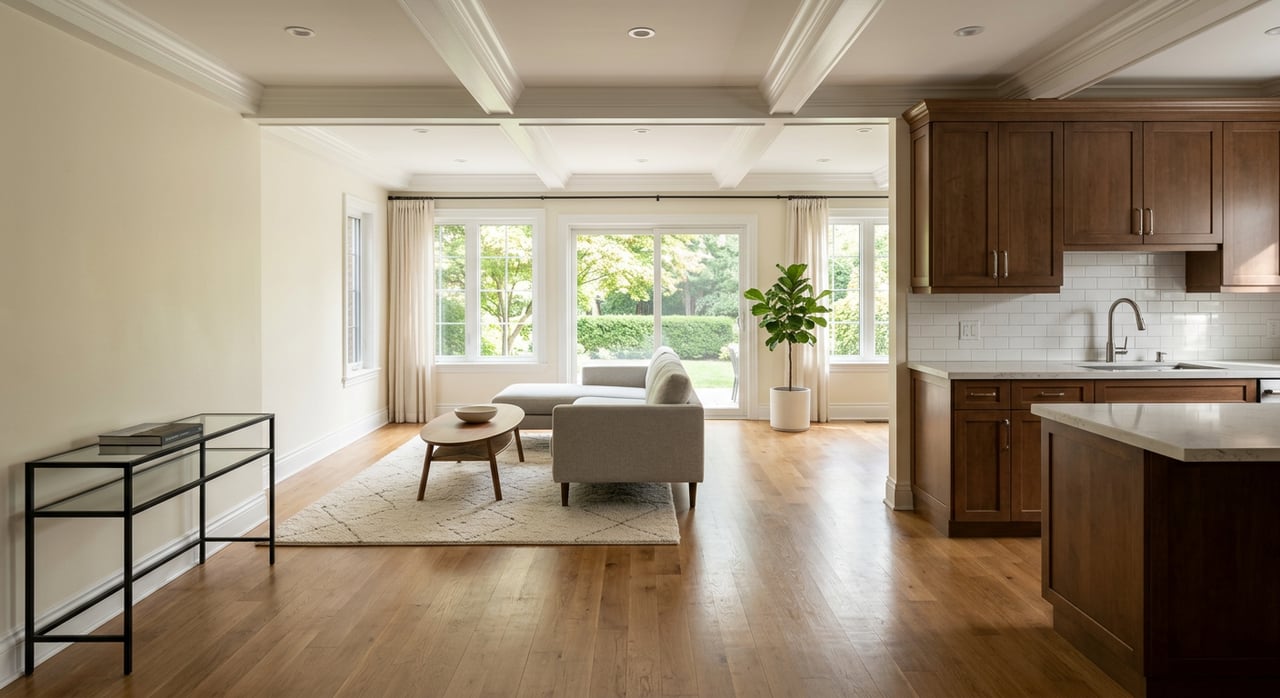
- $1 million and up: evaluate newer infill builds and larger lots. These homes may offer higher ceilings, open-plan living, and modern mechanicals.
Tour smart and fast
- See new listings quickly, especially near downtown and parks. Many homes receive multiple showings the first weekend.
- If you’re relocating from the city, line up childcare during showings and build in time to walk the block and check traffic patterns at school start and end times.
How to make a winning offer in Elmhurst
Prepare your file
- Have a current pre-approval from a lender experienced with DuPage closings.
- Ask your agent for recent comparable sales and a short market memo that explains pricing, days on market, and any offer dynamics.
Keep the offer clean and clear
- Offer a reasonable earnest money amount.
- Keep inspections, but set a focused window so you can demonstrate certainty without skipping due diligence.
- Choose a realistic closing timeline based on your lender’s calendar and any seller constraints.
- Consider an escalation clause for segments where homes often see two offers. Understand the legal and financial implications before you use one.
Know the pace and competition
- Elmhurst has been somewhat competitive, not frenzied. In late 2025, many homes saw about two offers on average, and market times often ran five to eight weeks, with faster pendings for standout listings. Your strategy should match the segment you’re in rather than the headline number.
New construction vs. resale
- New builds can have set pricing and builder incentives, along with longer timelines. Clarify what is included in the base price, which finishes are standard, and how escalation and appraisal are handled in the contract.
A simple 7-step plan for your move
- Get pre-approved and set a full budget, including 2 to 4 percent for closing costs and realistic property tax estimates from DuPage County’s portal.
- Align on must-haves vs. nice-to-haves: lot size, bedrooms, commute, proximity to downtown and parks.
- Start touring in person. Use zip 60126 filters, confirm school assignments, and preview blocks at different times of day.
- Evaluate pricing with current comps, not just list prices. Decide your ceiling and your walk-away number before you offer.
- Write a clean, confident offer. Pair your pre-approval with a thoughtful inspection window and clear dates.
- Complete inspections and loan milestones on time. Ask your lender and title company for updated cash-to-close numbers that include escrows.
- Plan your move-in day with utilities, insurance, and any quick-turn projects scheduled before furniture arrives.
Ready to explore Elmhurst homes with a clear plan and a local advocate at your side? Connect with The Anne Monckton Group to map your search, tour the right properties first, and write winning offers with confidence.
FAQs
How long is the Metra ride from Elmhurst to downtown Chicago?
- Expect about 24 to 40 minutes depending on express vs. local trains and time of day; confirm exact trains on Metra’s Elmhurst station page.
What are Elmhurst home prices right now?
- As of Dec 2025 to Jan 2026, sources reported a range: median sold around $563,000, average value about $583,000, and some central listing medians near $700,000; methods differ, so compare by date and segment.
How much should I budget for closing costs and taxes in Elmhurst?
- Plan for 2 to 4 percent of the purchase price in closing costs, plus Illinois’ 0.1 percent state transfer tax; estimate property taxes for a specific address using the DuPage County portal.
Which Elmhurst areas feel most walkable to shops and the train?
- The downtown core near York and Park, plus blocks around Wilder Park and the Elmhurst Metra station, offer the closest access to restaurants, parks, and the UP-W line.
Which public school district serves most of Elmhurst?
- Elmhurst Community Unit School District 205 serves most of the city; check attendance maps and contacts on the Elmhurst CUSD 205 site to confirm a property’s assigned schools.