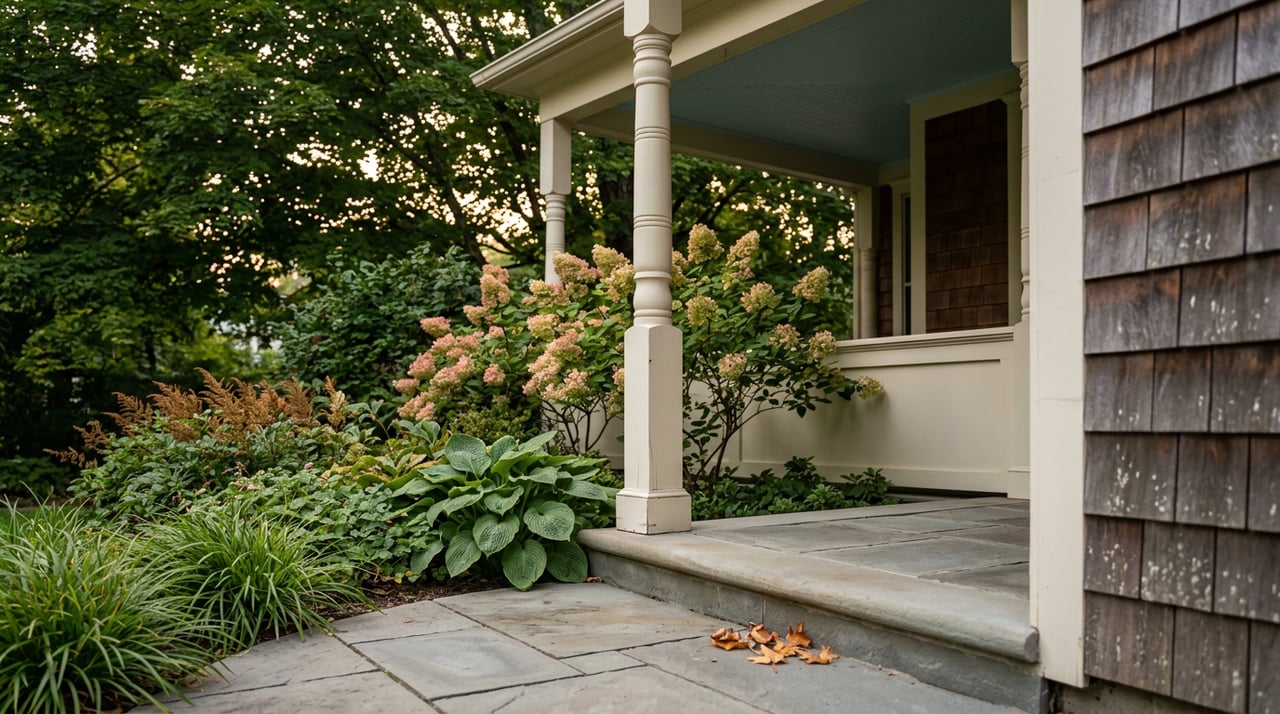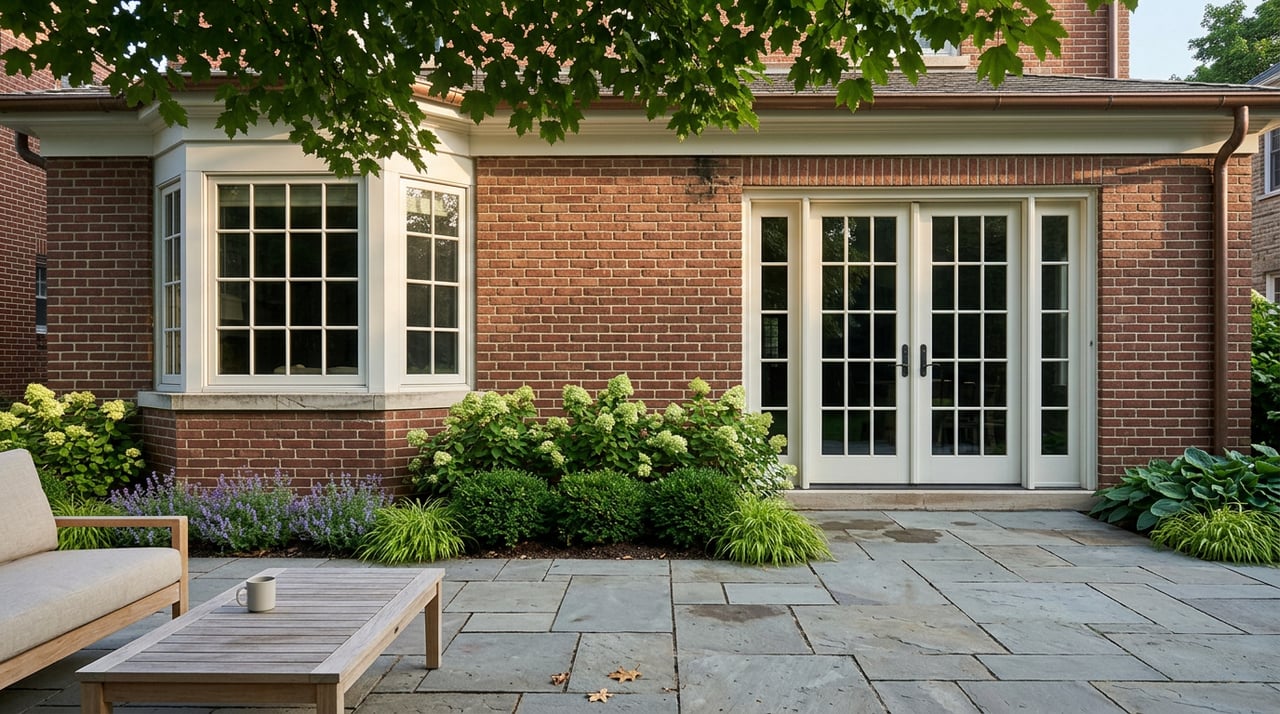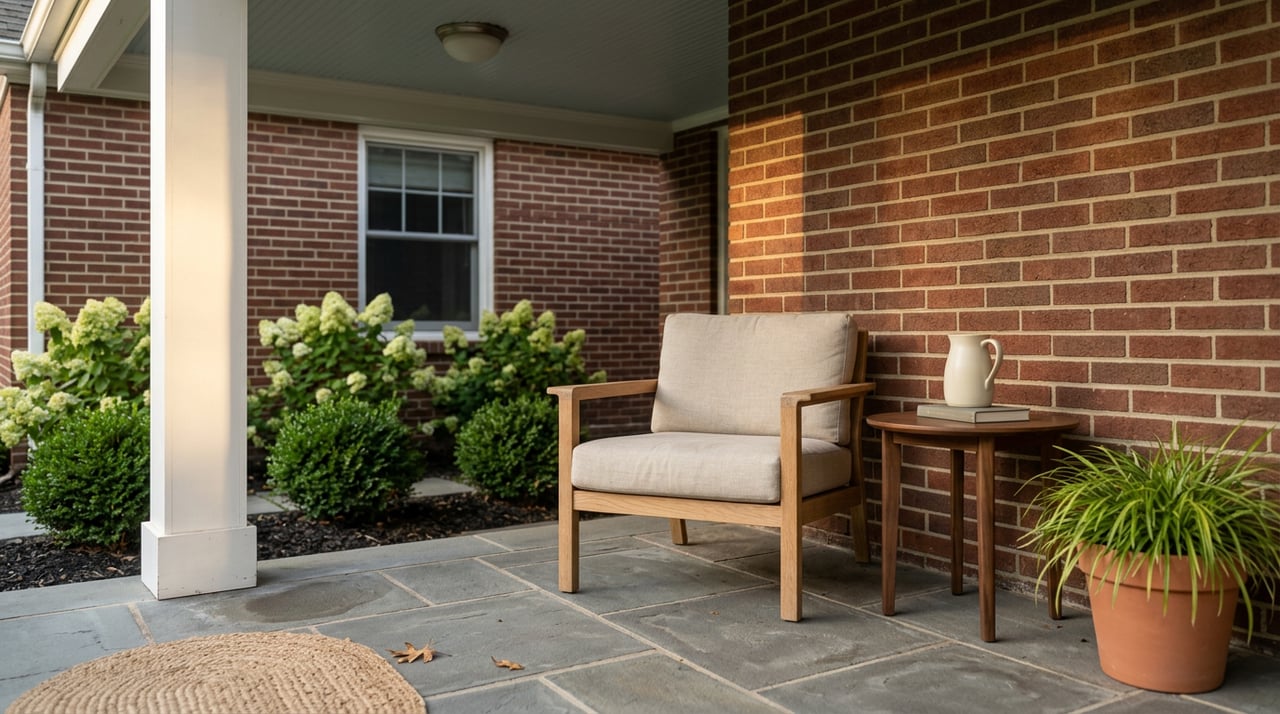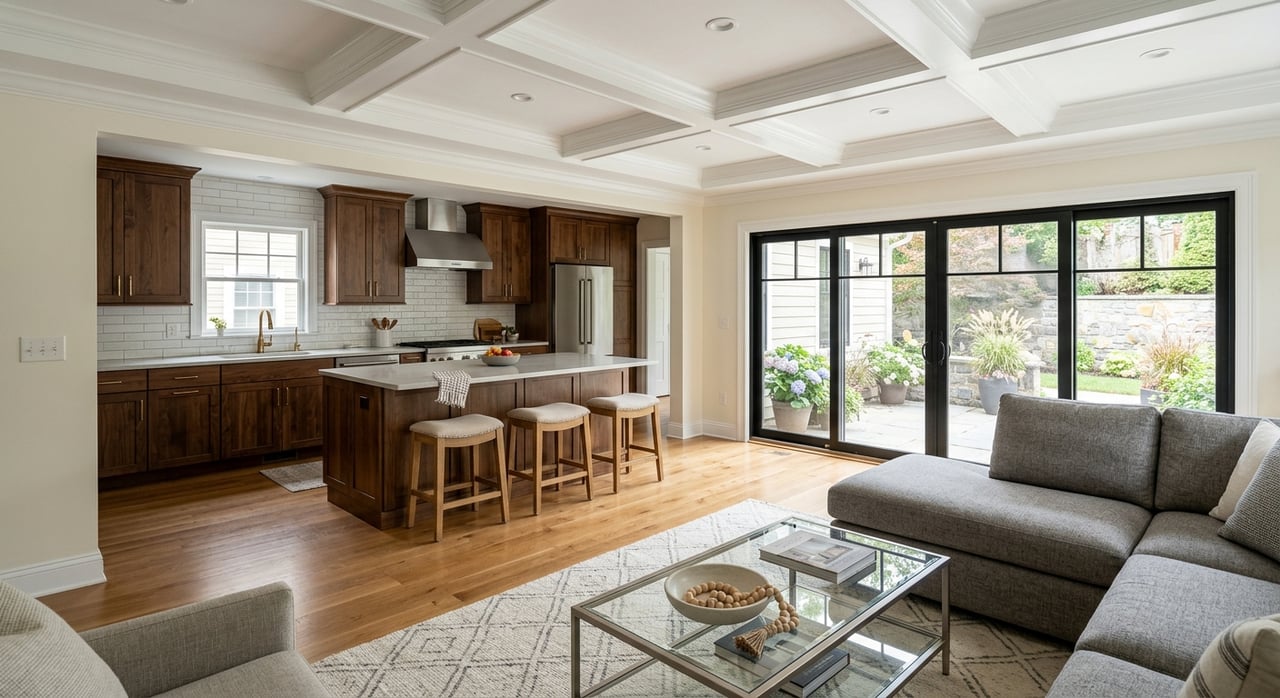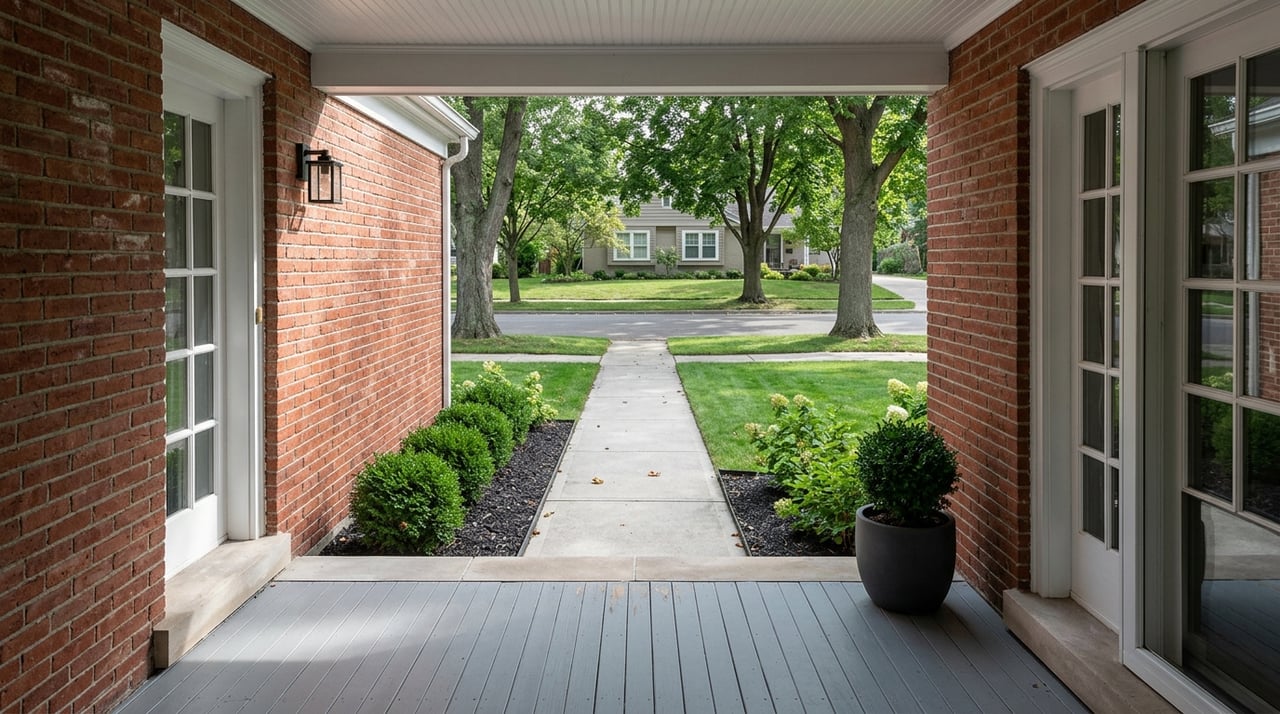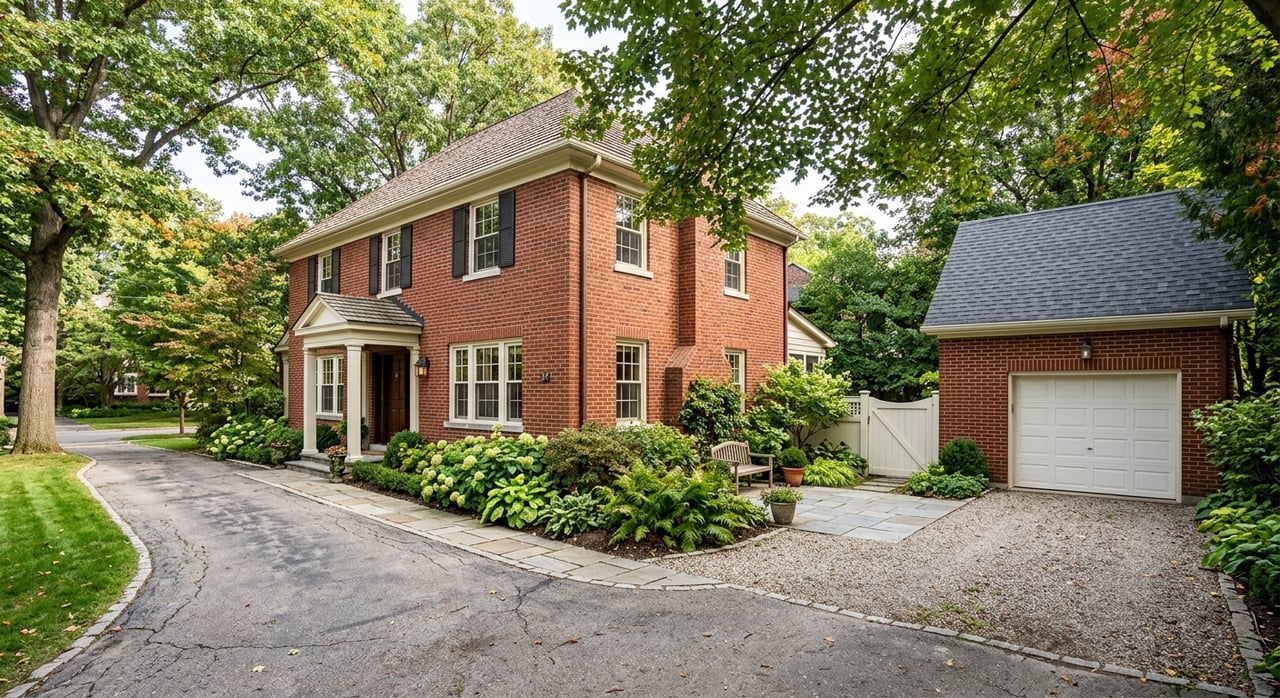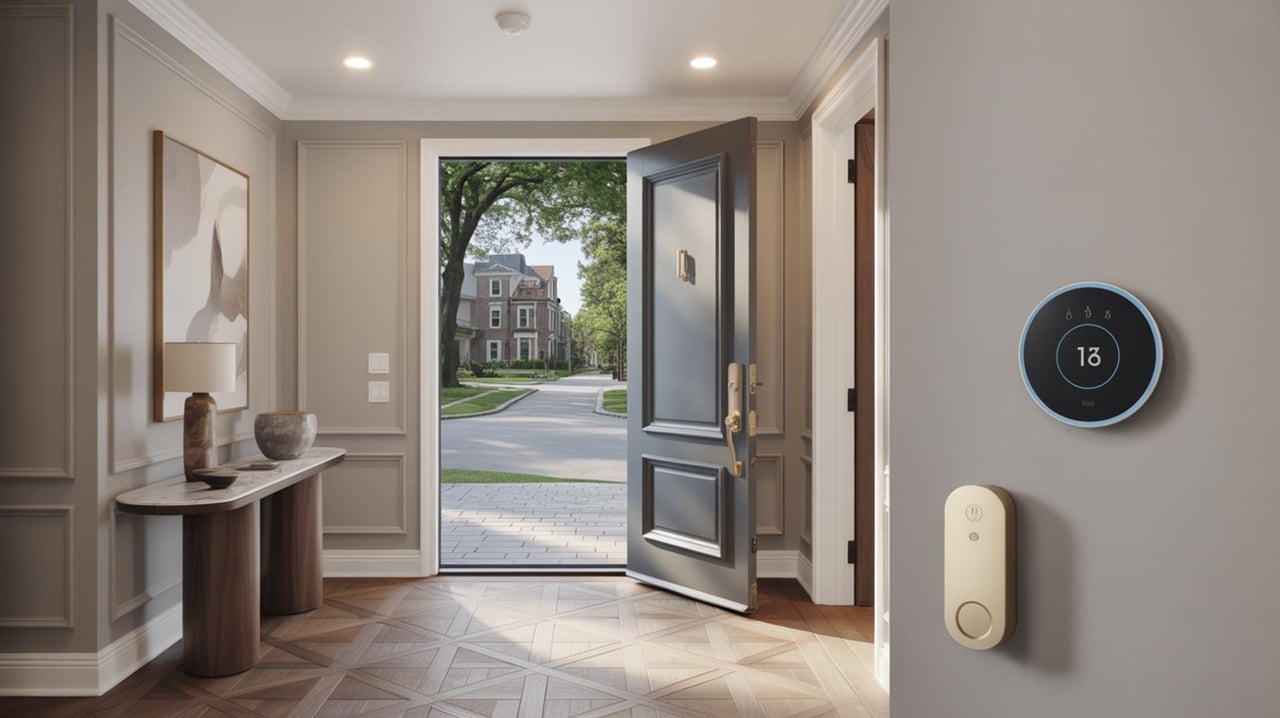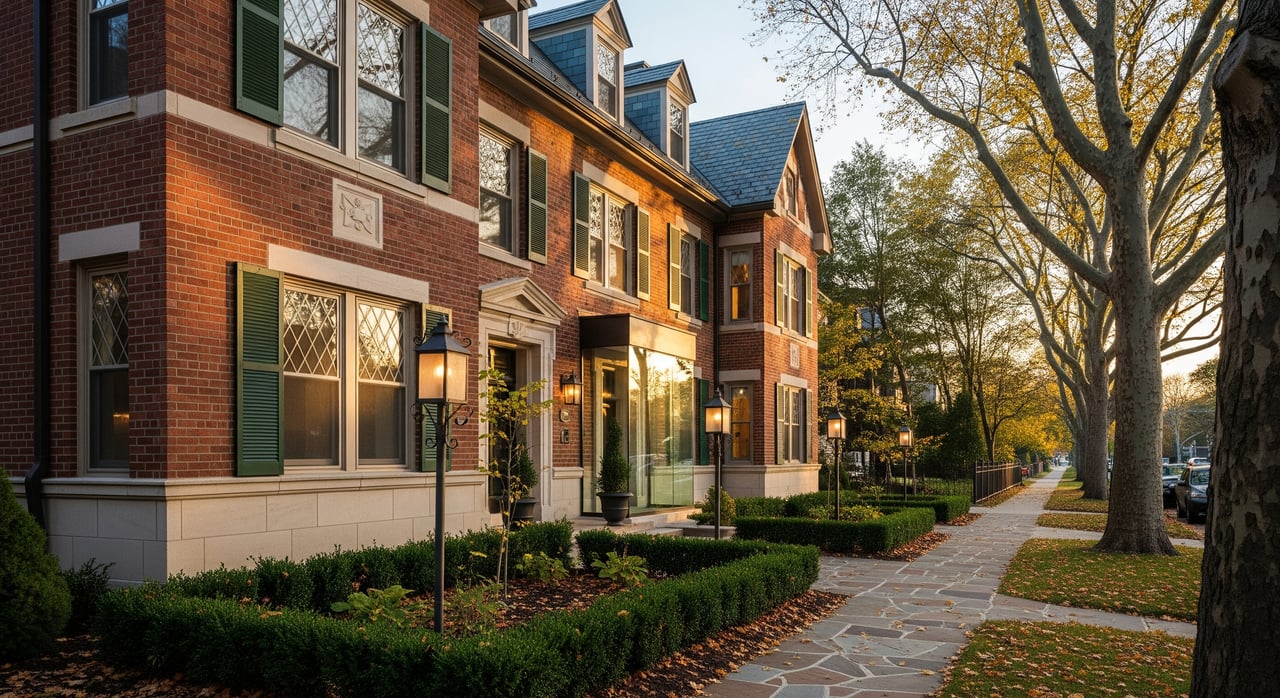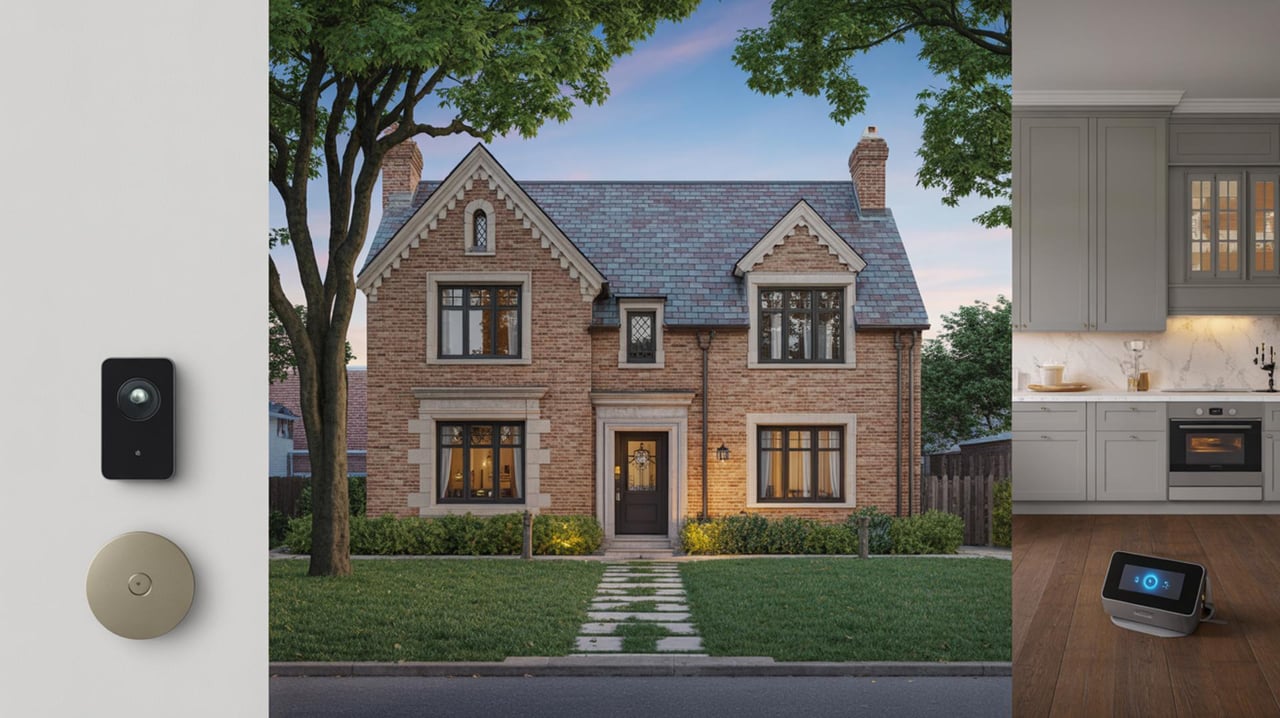
Do you find yourself slowing the car on Riverside’s curving streets to admire the porches, eaves, and leaded-glass windows? You’re not alone. Buyers are drawn to Riverside’s historic plan, tree canopy, and period homes that feel both timeless and livable. If you love character and want smart guidance on what to look for, how to evaluate updates, and what to expect with preservation rules, you’re in the right place. Let’s dive in.
Why Riverside’s architecture stands out
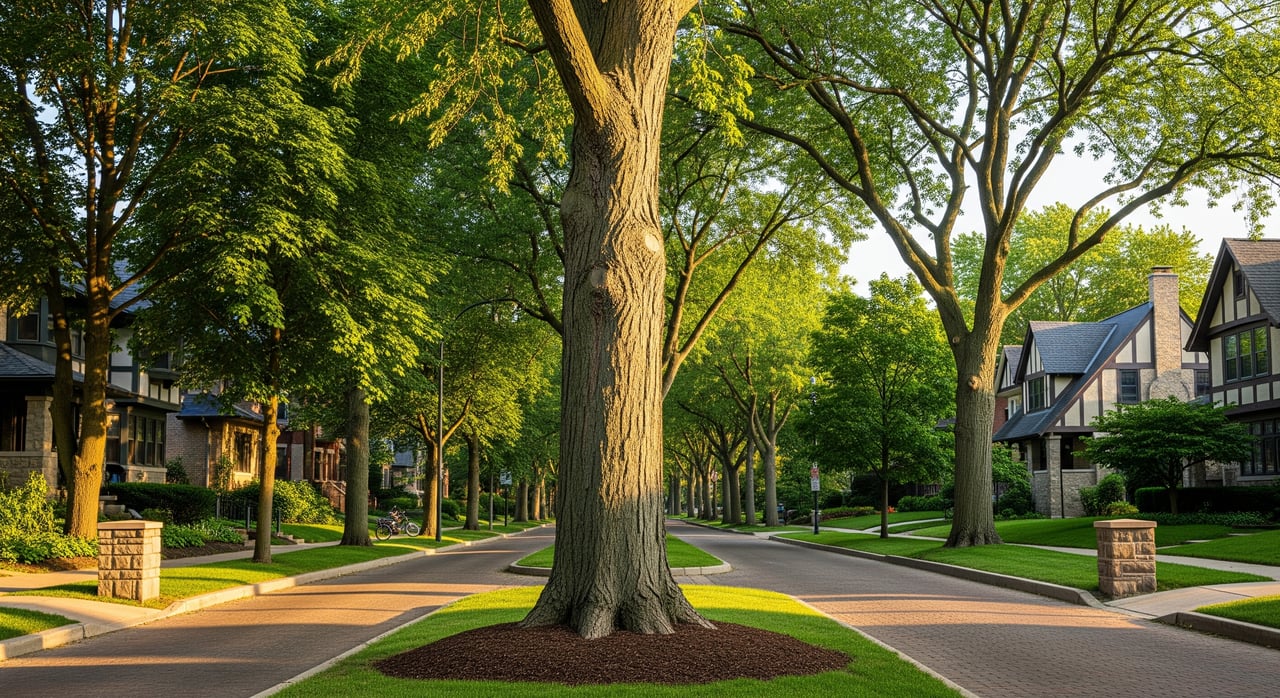
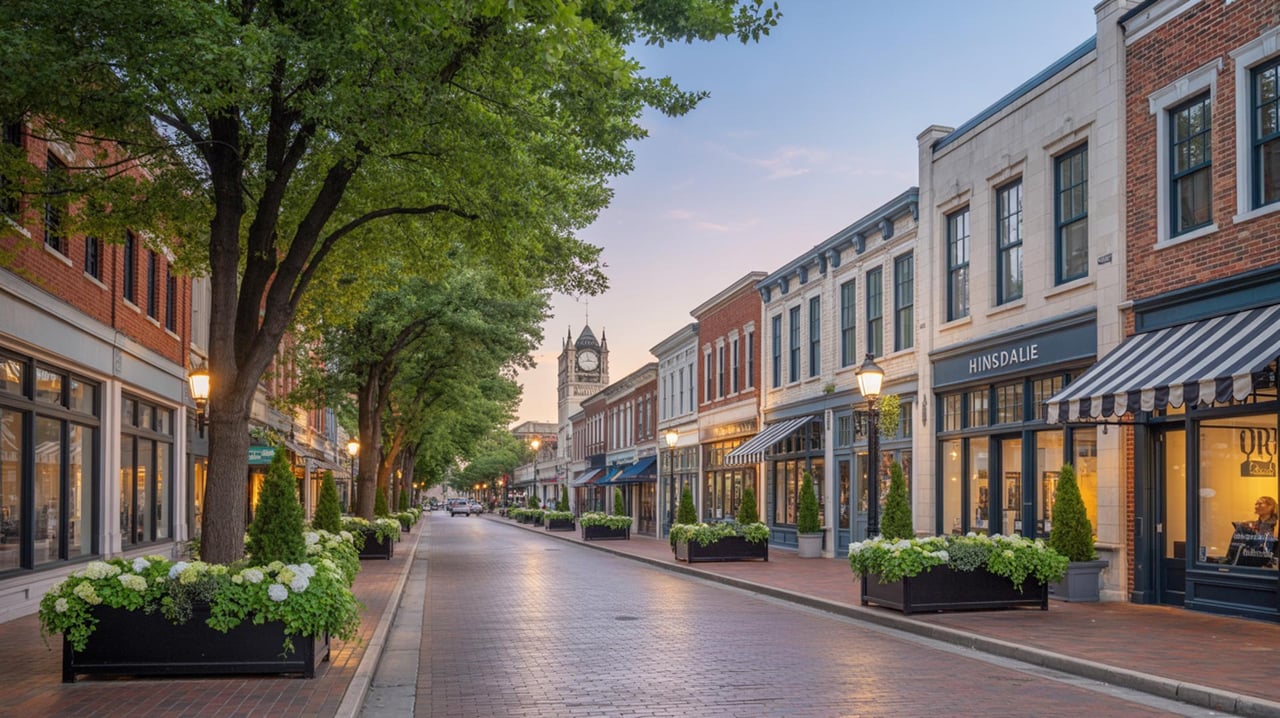
Riverside was designed in the 19th century with picturesque, curving streets and integrated parkland by Frederick Law Olmsted and Calvert Vaux. The village’s historic district is listed on the National Register of Historic Places, and many homes still show exceptional original character. That planning pedigree creates a strong sense of place, with mature landscaping and cohesive streetscapes.
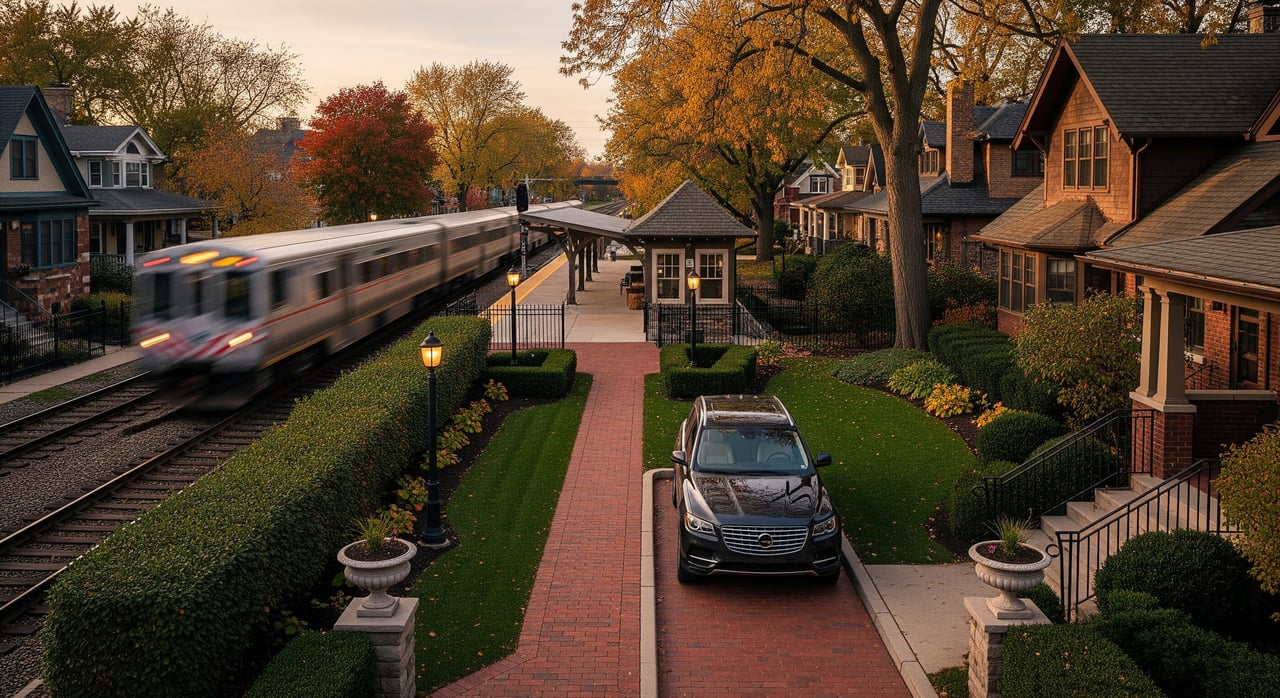
You also get practical advantages. Commuter rail service offers direct access to downtown Chicago, which appeals if you want historic charm and an easy commute. Add walkable public spaces and a high concentration of well-preserved homes, and you have a rare mix of lifestyle and architecture.
Queen Anne charm: what to watch for
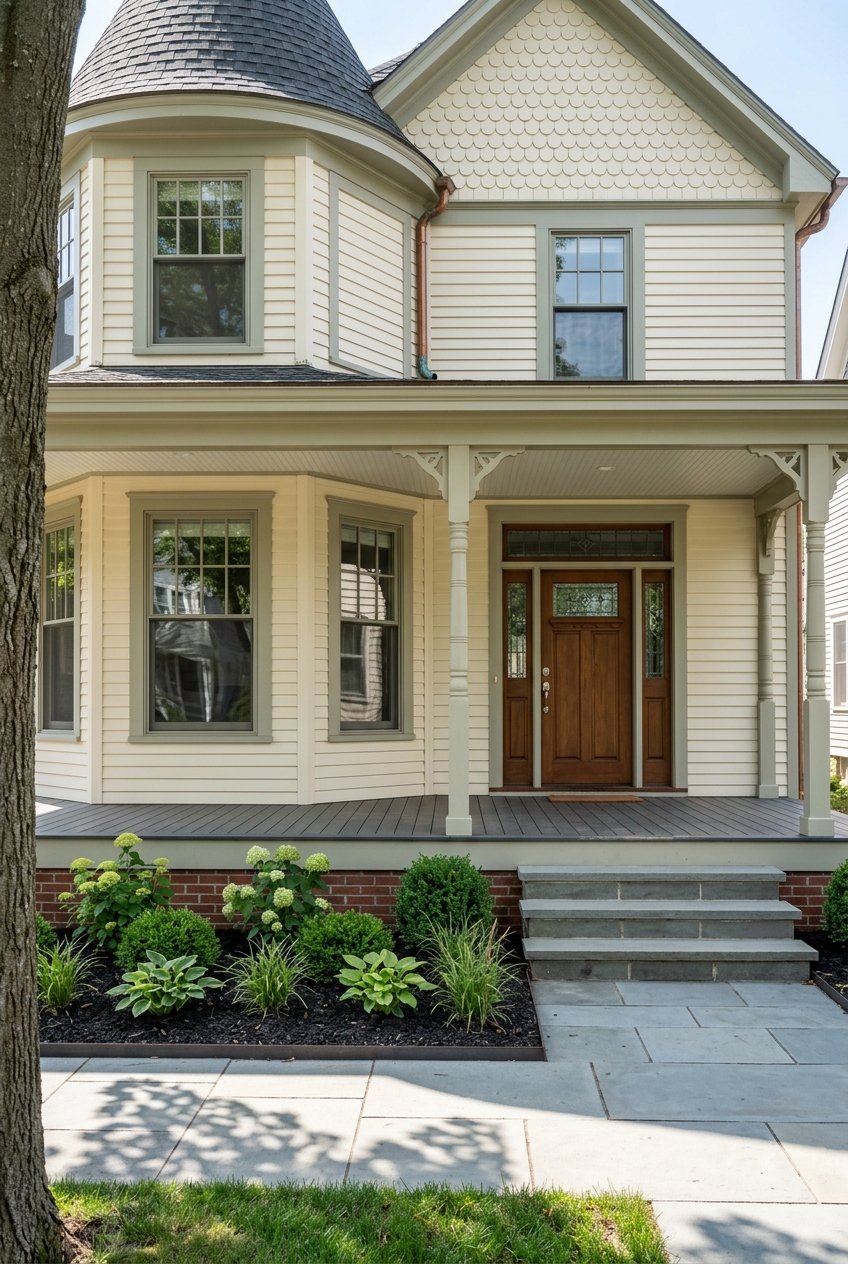
Queen Anne homes give you visual drama and craftsmanship that stop you at the curb. Buyers often fall for the asymmetry, textures, and delightful details.
Key exterior cues
- Asymmetrical façades with towers or turrets
- Deep or wrap-around porches
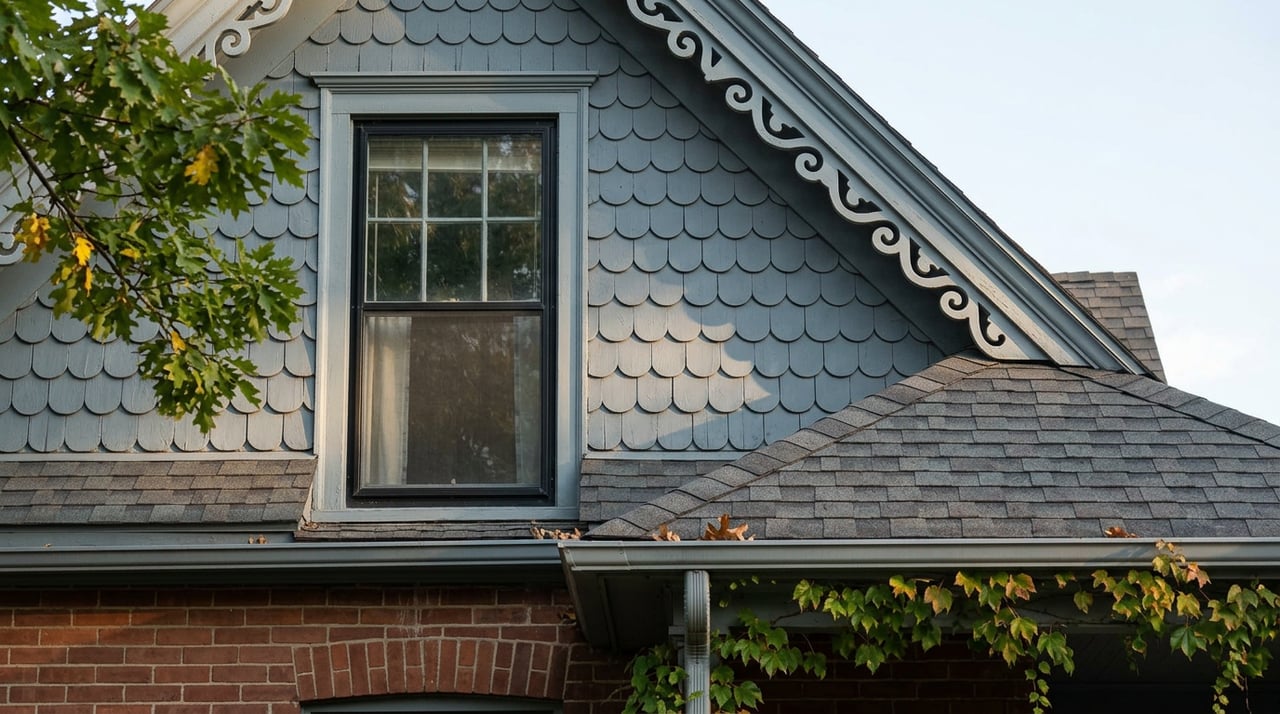
- Patterned shingles, decorative spindlework, and brackets
- Bay windows and stained or leaded glass
Interior character
- High ceilings and ornate moldings or cornices
- Decorative fireplaces and carved staircases
- Original wood floors and built-in cabinetry
Why buyers love it
- Strong curb appeal and intricate craftsmanship
- Spacious formal rooms for entertaining or displaying collections
- A distinctive presence on Riverside’s tree-lined streets
Prairie School simplicity and light
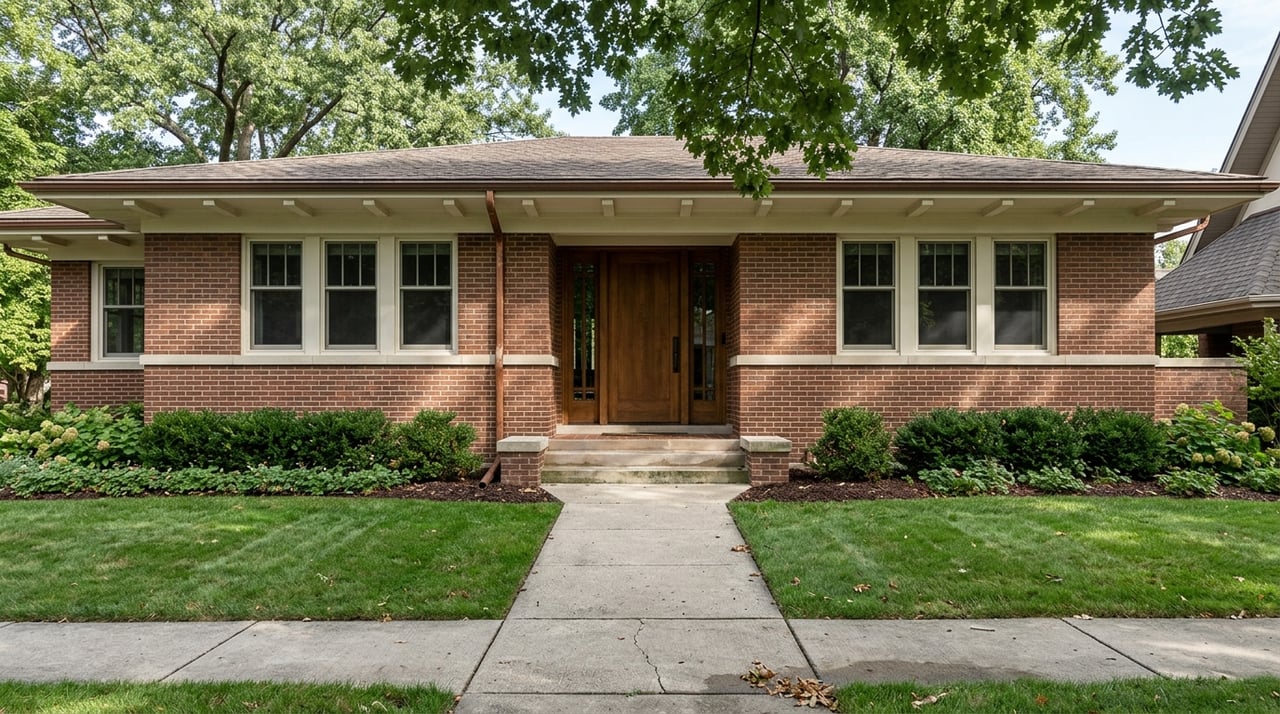
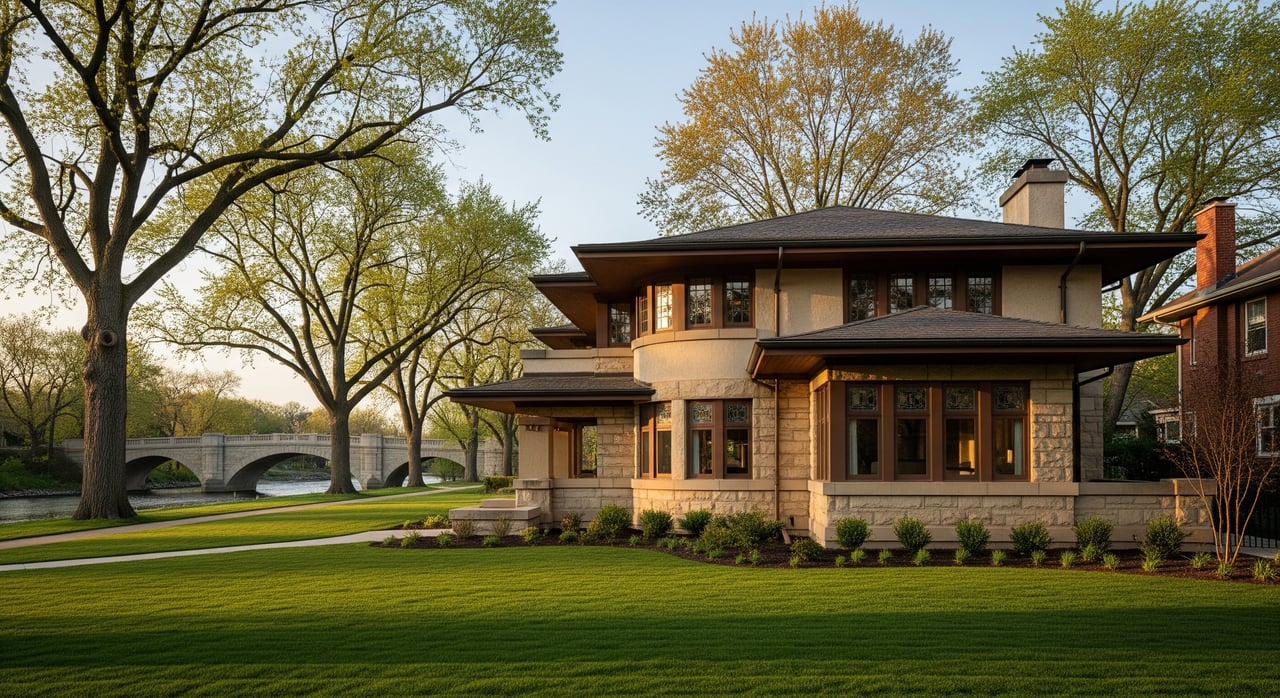
If you like clean lines and a strong connection to landscape, Prairie School designs may be your match. These homes balance historic character with a look that reads comfortably modern.
Key exterior cues
- Horizontal emphasis with low-pitched, hipped roofs
- Broad eaves and bands of windows, often leaded
- Porches that extend living space outdoors
Interior character
- Open sight lines that feel more casual than Victorian plans
- Built-ins and natural materials that highlight craftsmanship
- Abundant natural light and views to the yard or parkways
Why buyers love it
- Architectural pedigree tied to Prairie School principles
- A calm, grounded aesthetic with practical, sunny interiors
- A blend of history and simplicity that supports daily living
Bungalows and Foursquares: practical classics
Early 20th-century homes offer efficient layouts and approachable maintenance, which many buyers prioritize.
Chicago bungalow highlights
- One to one-and-a-half stories with dormers
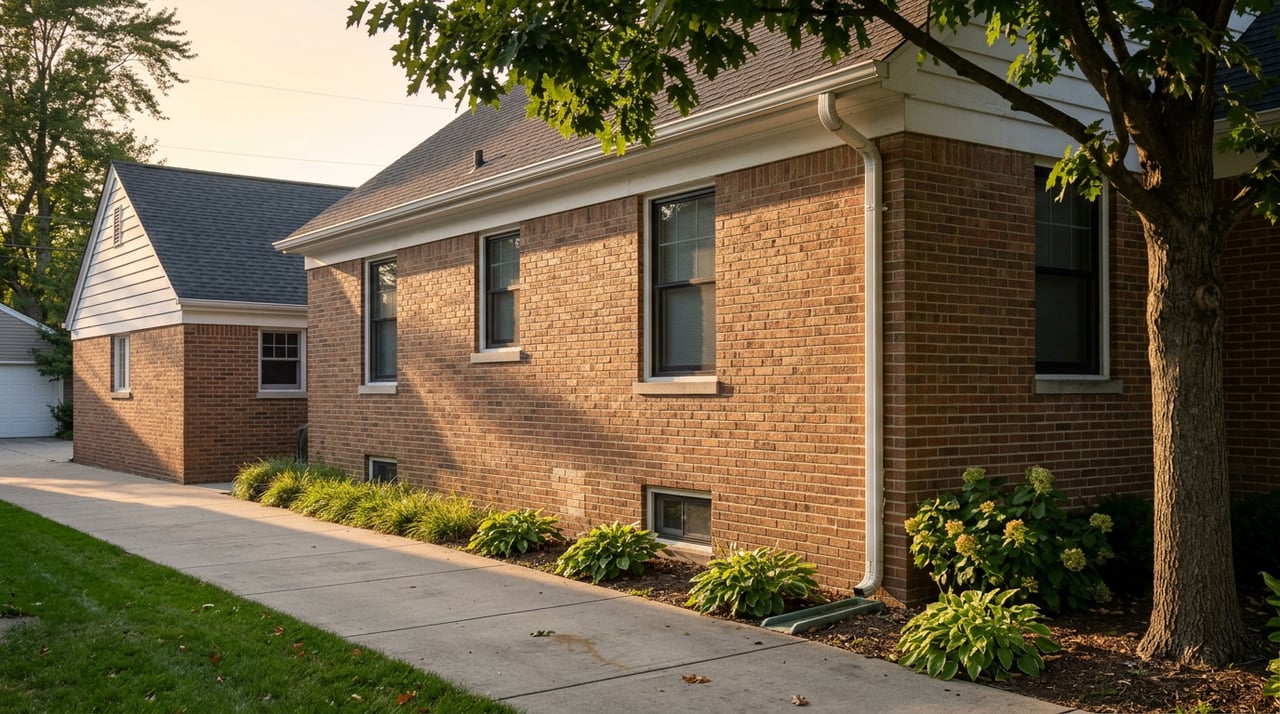
- Brick or masonry façades
- Full-width porch or defined entry
- Compact, efficient plans with basements
American Foursquare highlights
- Boxy two-story form with a hipped roof
- Full-width porch for easy indoor-outdoor flow
- Practical four-room-per-floor layouts
Why buyers love them
- Functional plans that are easier to adapt for modern kitchens and baths
- Manageable maintenance compared with larger Victorian homes
- Welcoming porches and a strong street presence
Other classic revivals you’ll see
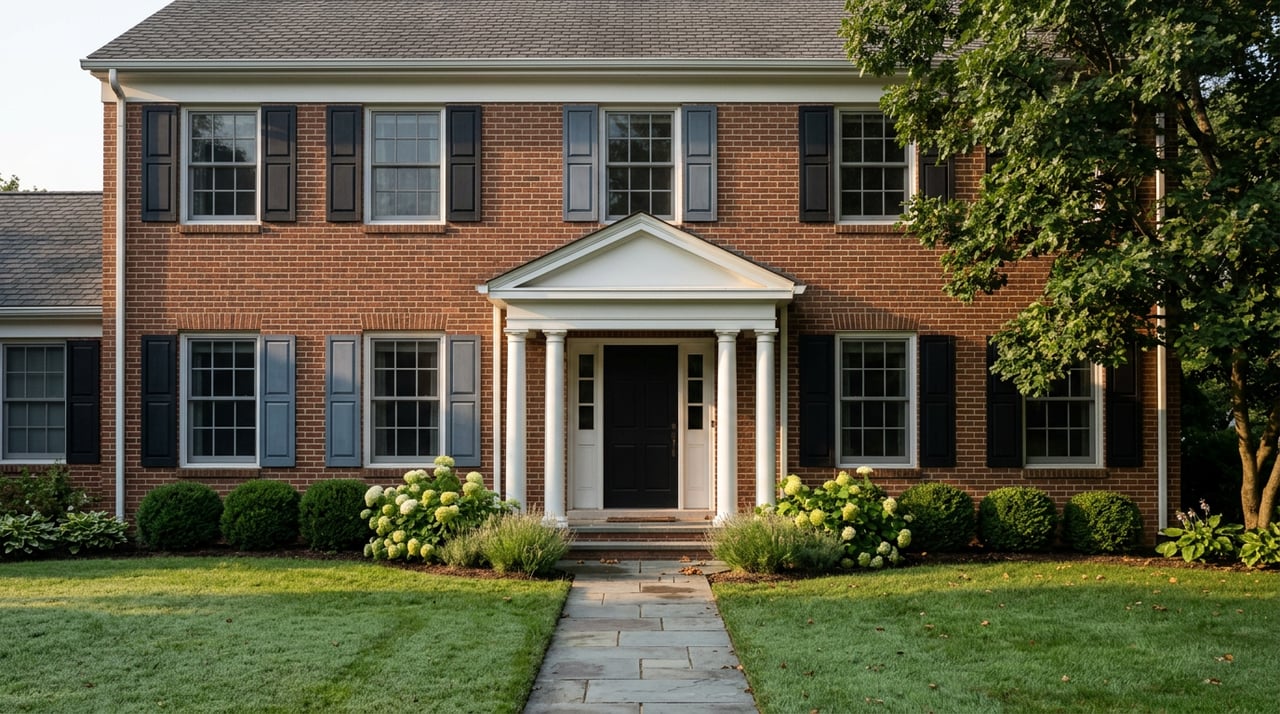
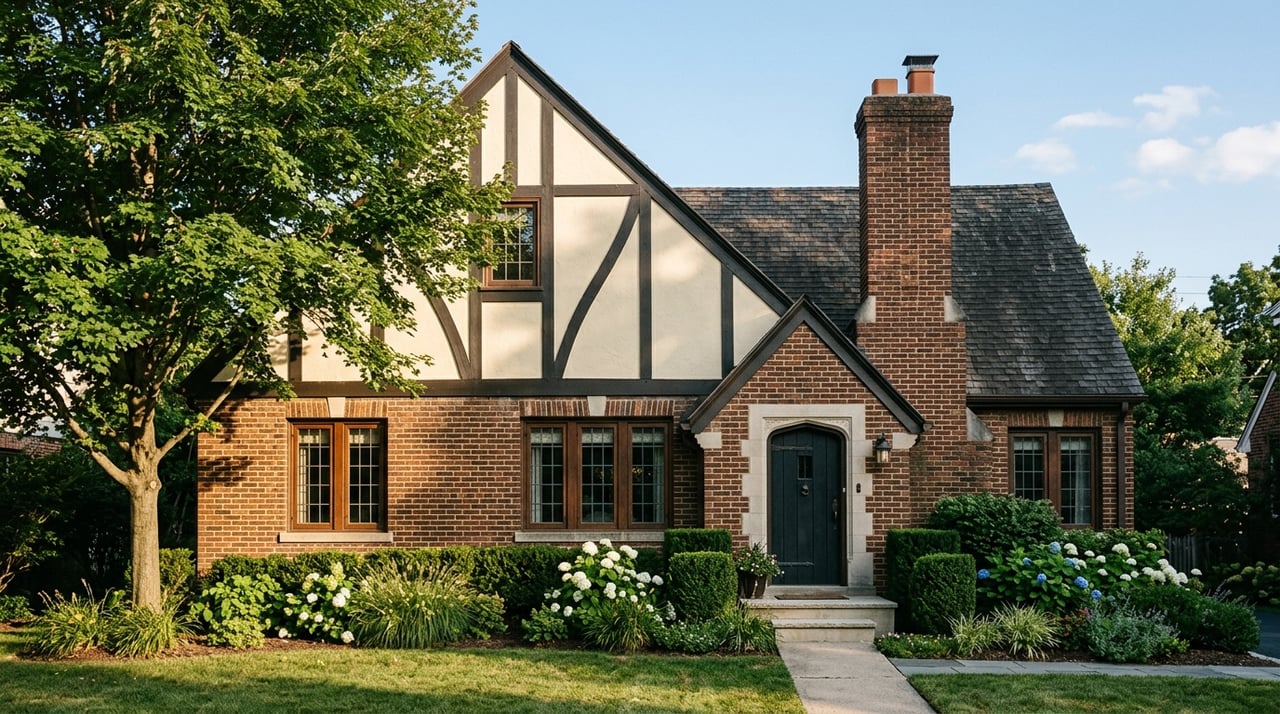
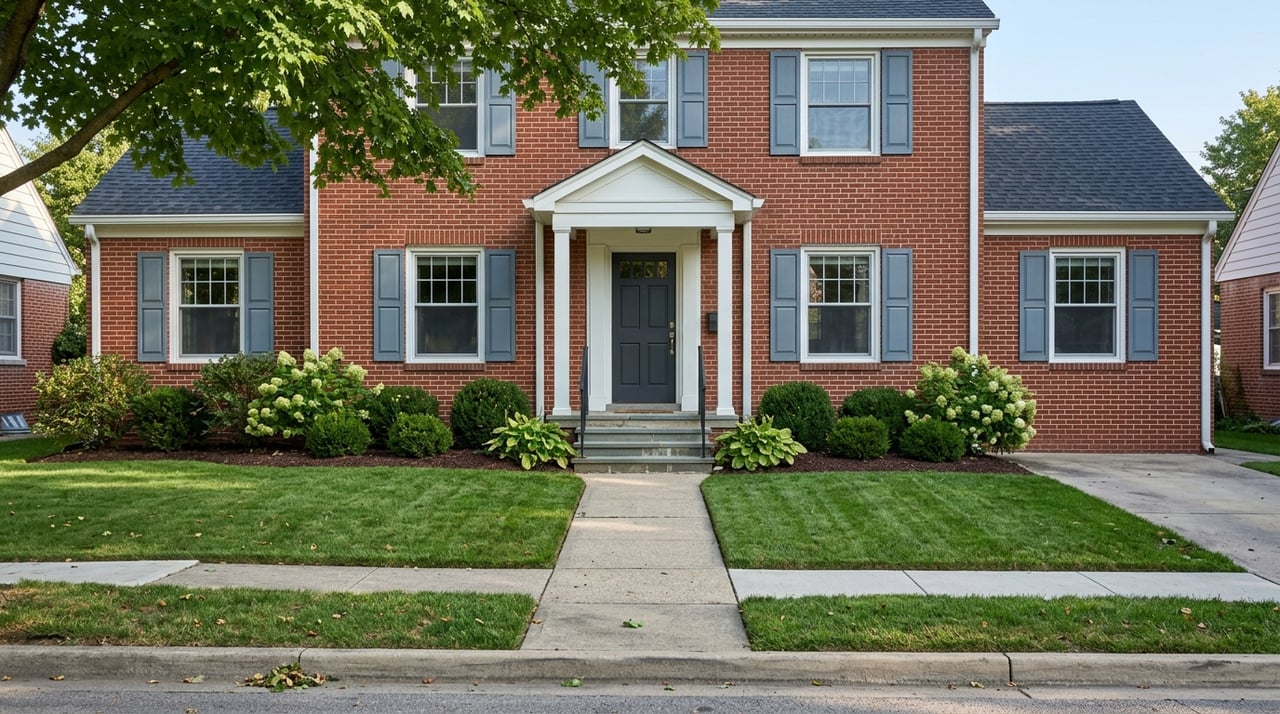
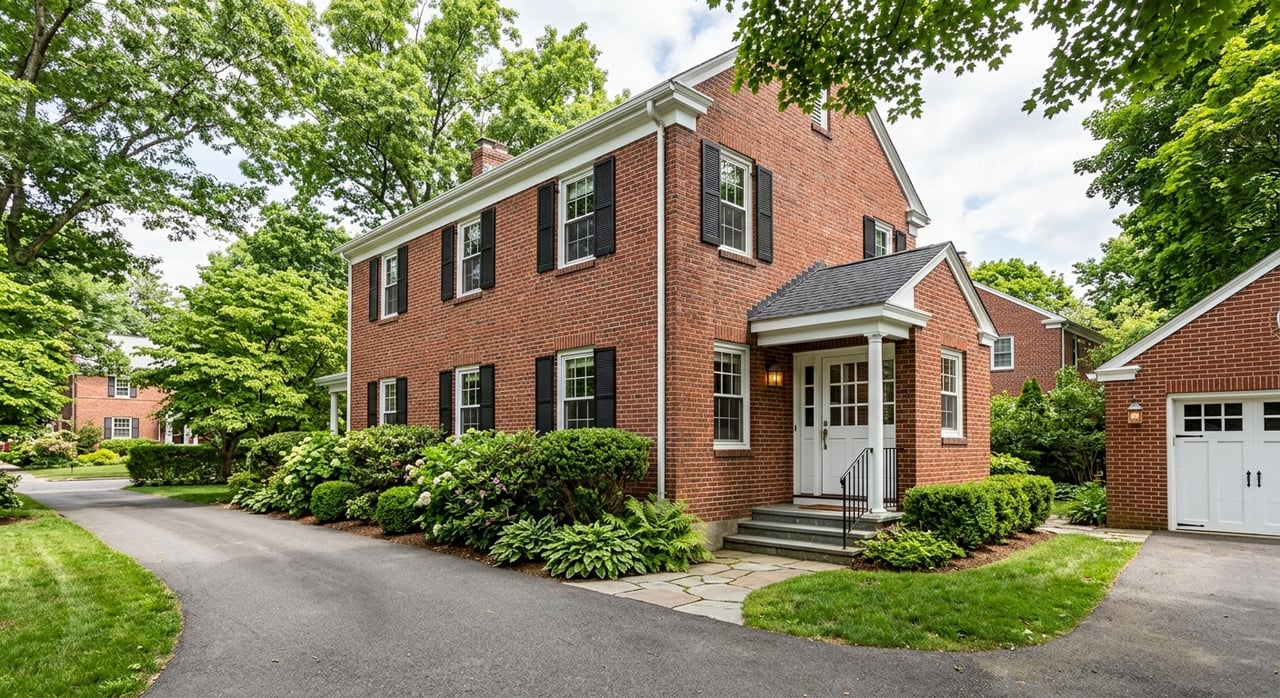
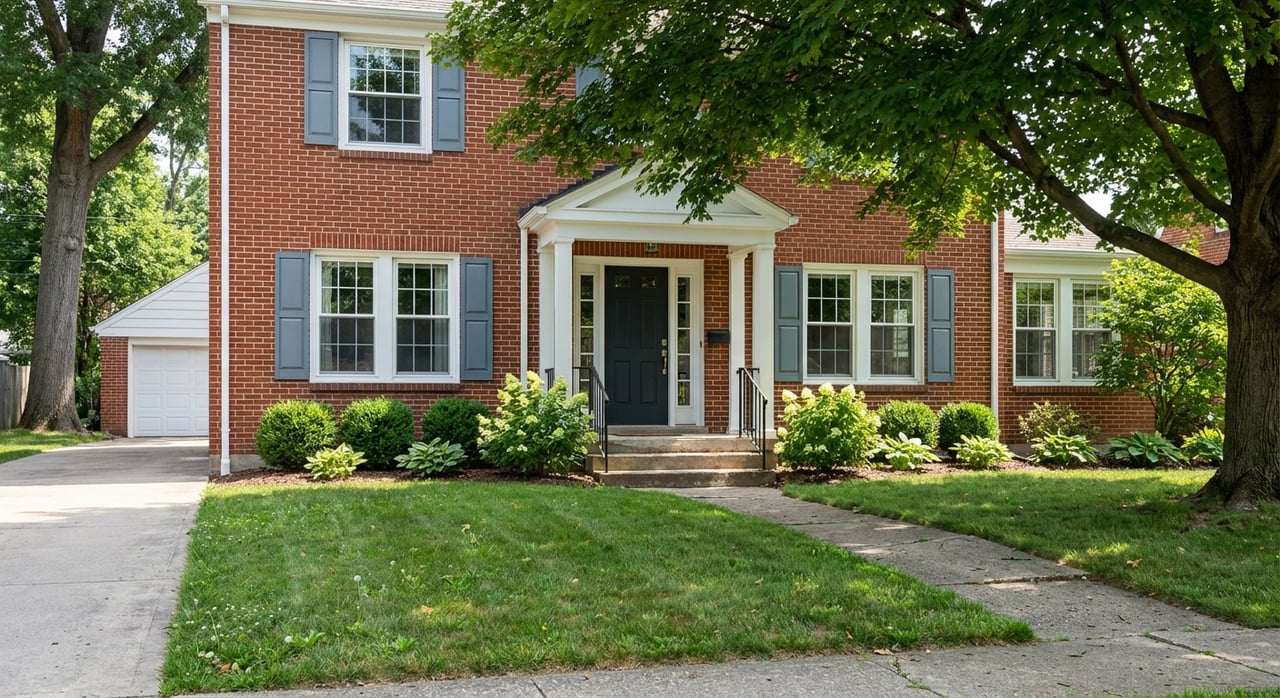
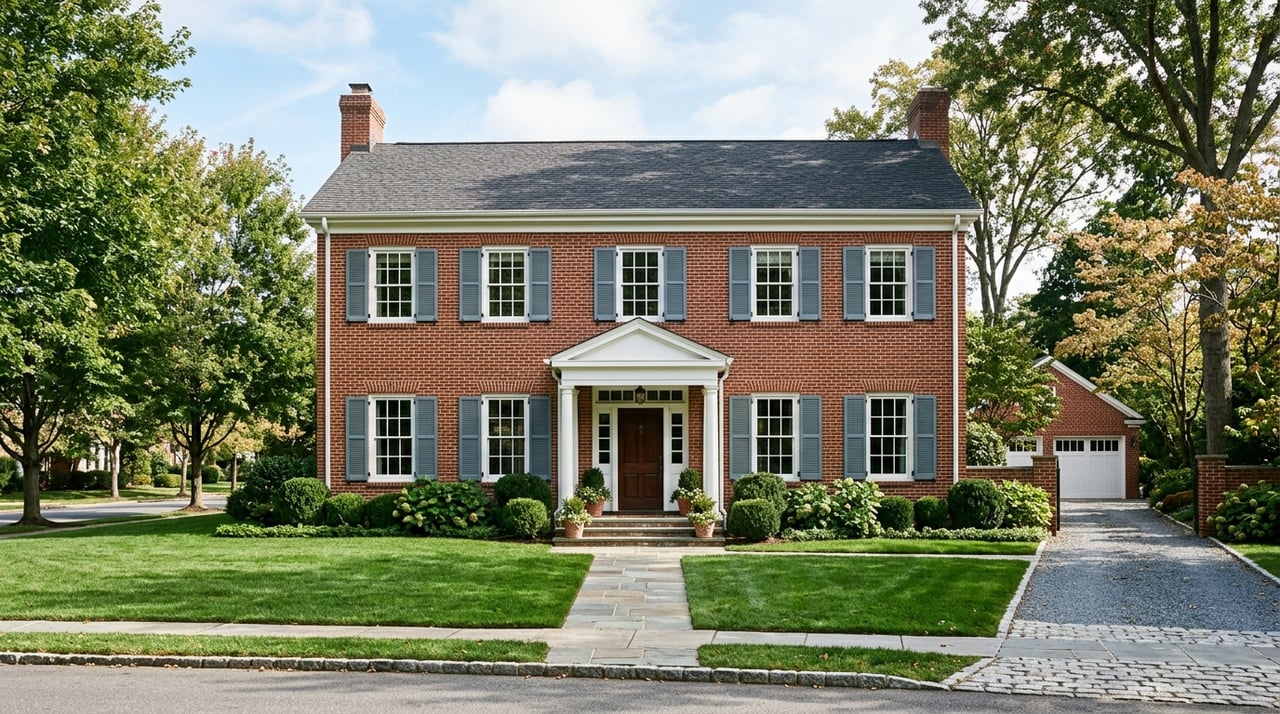
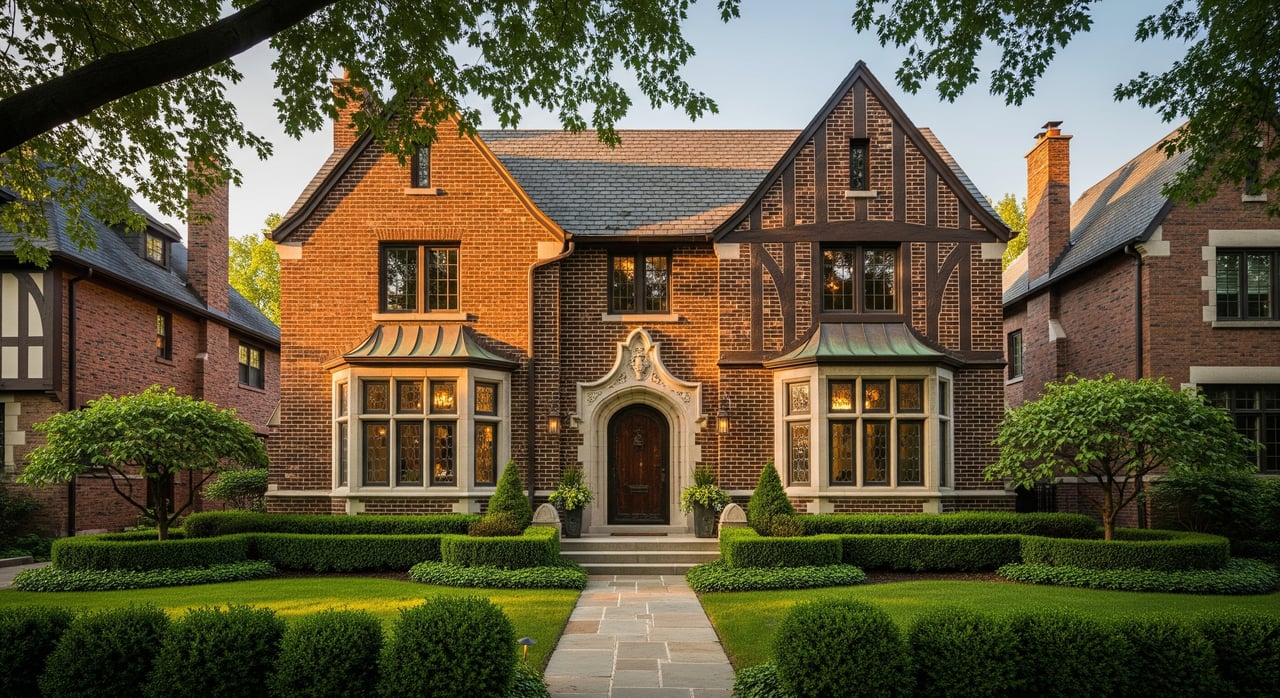
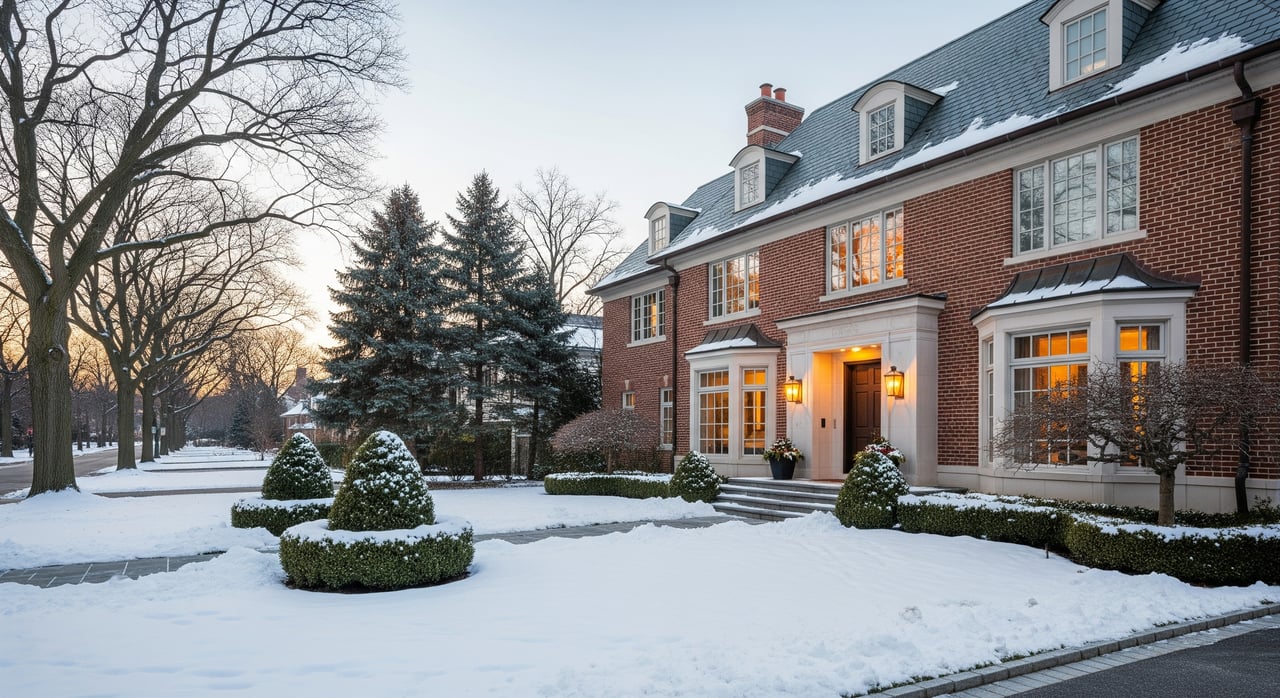
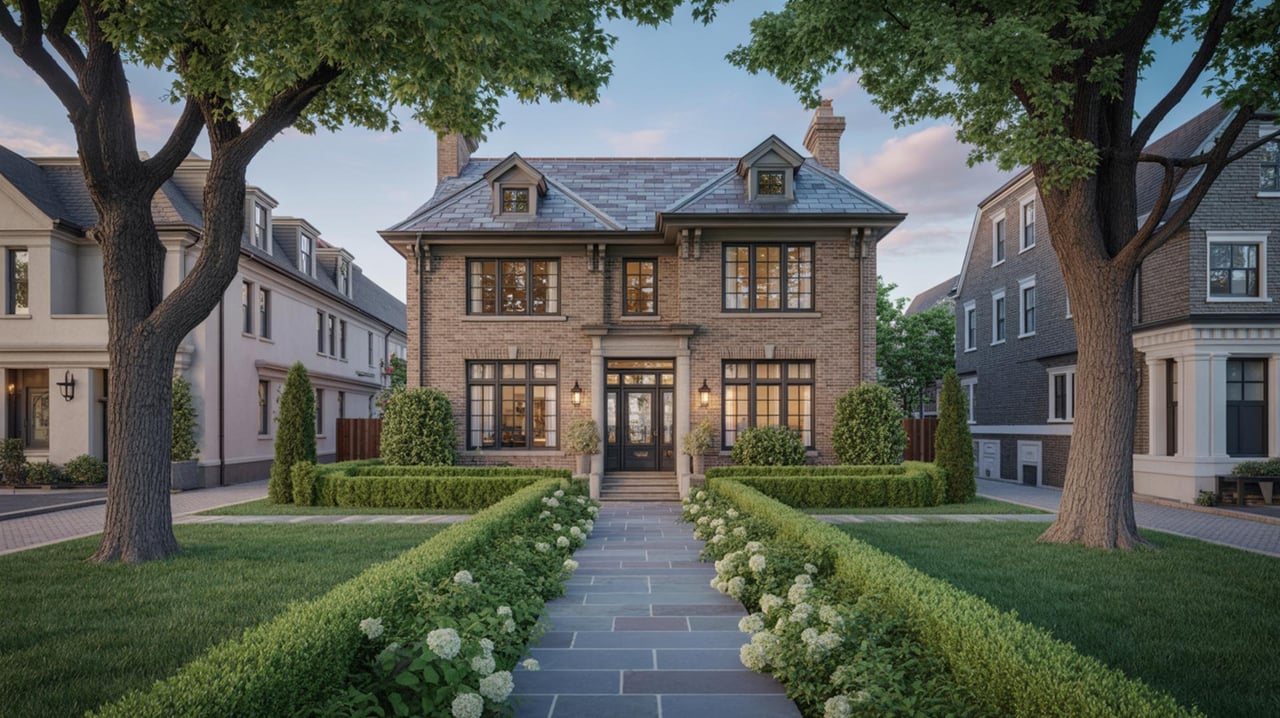
You will also find Colonial Revival, Tudor Revival, and picturesque cottage forms throughout Riverside. Look for half-timbering, arched entries, classical columns, and other period details that add variety while fitting the village’s cohesive character.
What buyers value most
Across styles, certain features consistently drive interest and long-term satisfaction.
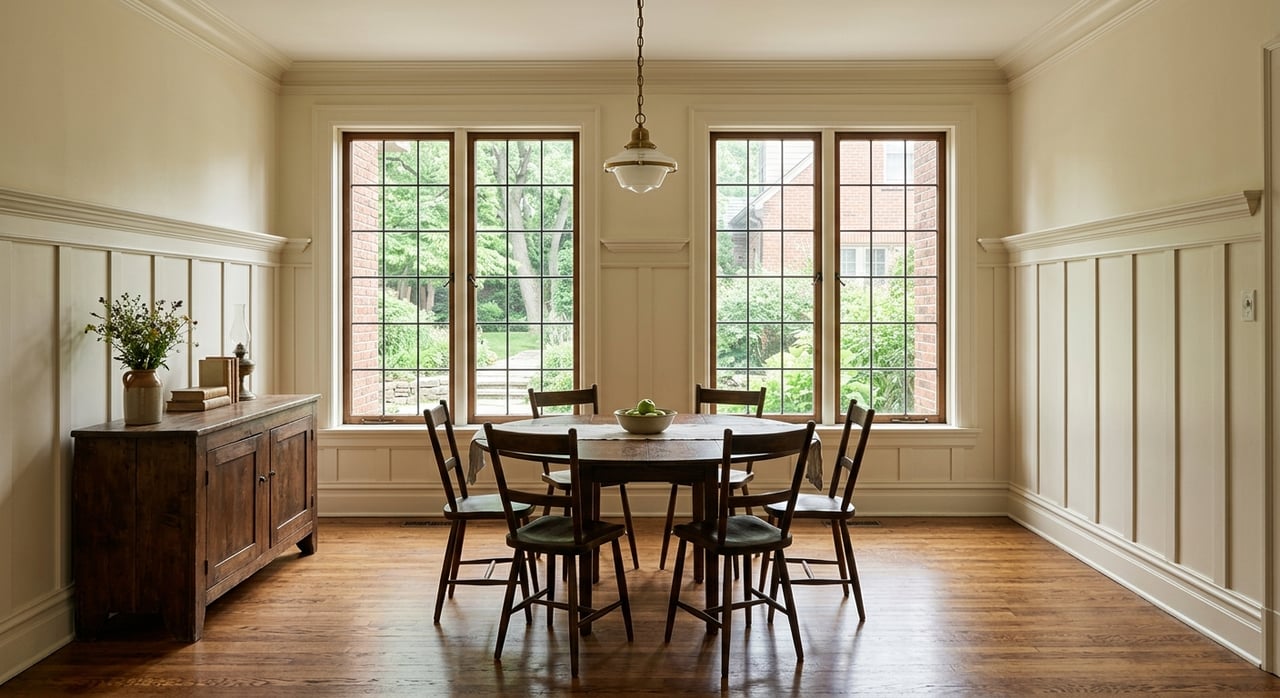
- Authentic interior details. Original trim, hardwood floors, plasterwork, built-ins, and period hardware.
- Exterior character. Intact porches, original windows or well-matched replacements, historic rooflines, and quality masonry or woodwork.
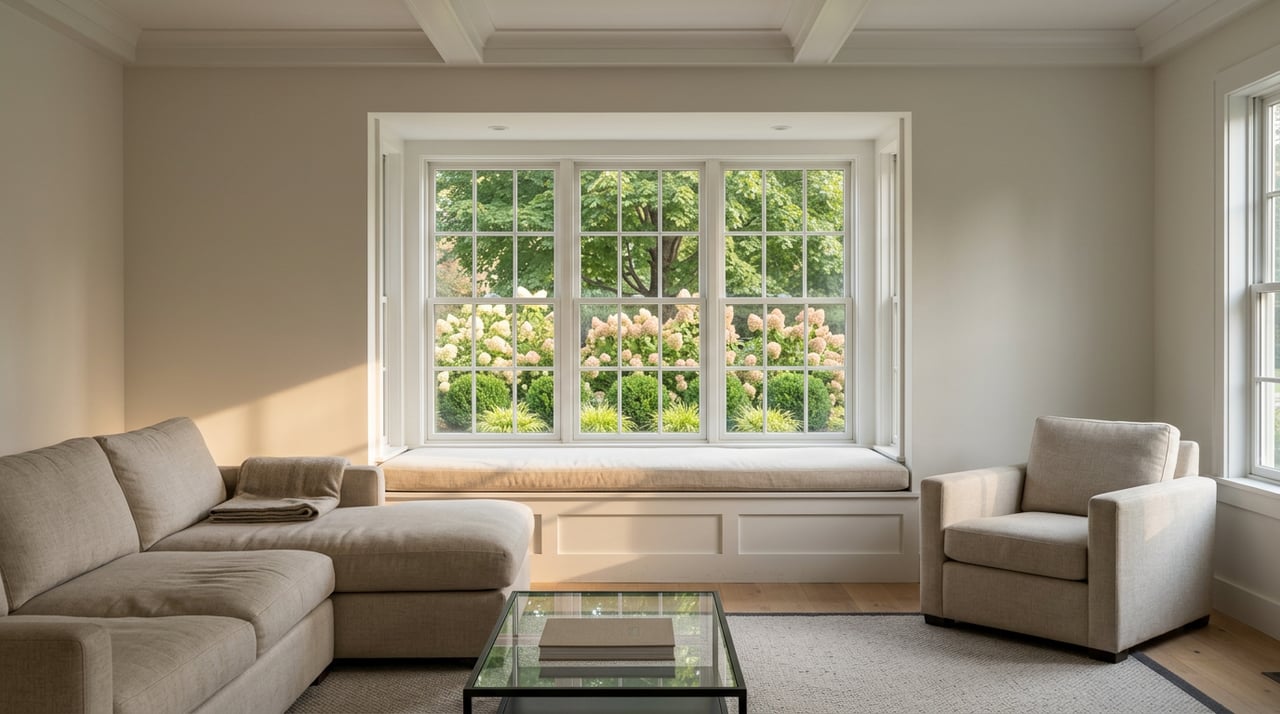
- Light and landscape connection. Large windows, porches, and room orientation that frame Riverside’s park-like setting.
- Functional layouts or potential. A balance of historic rooms with adaptable spaces for modern living, like updated kitchens and added baths.
- Location advantages. Proximity to commuter rail, parks, and preserved streetscapes.
Common concerns and smart fixes
Older homes come with questions. Planning ahead helps you budget and preserve what makes the home special.
- Energy efficiency. Focus first on attic and basement insulation and air sealing. Window repair with weatherstripping or storms can boost comfort without losing historic fabric.
- Maintenance. Roofs, porches, masonry, and windows may need periodic specialist attention. Schedule regular checkups to prevent small issues from becoming big ones.
- Permitting and review. In designated areas, exterior changes may require review by the village’s preservation or planning staff. Confirm what needs approval before you start.
- Resale considerations. Well-maintained historic features often support long-term value and marketability.
Renovation and preservation roadmap
Updating a historic home is very doable with a clear plan. Here’s how to approach it.
Know the rules early
- Verify whether the property sits in the historic district.
- Ask which exterior changes require review and whether there are local design guidelines.
- Factor review timing into your purchase and project schedule.
Preserve what matters
- Use the Secretary of the Interior’s Standards for Rehabilitation as your baseline.
- Prioritize repair over replacement for windows, trim, and porches when feasible.
- When replacement is necessary, match original materials, profiles, and sightlines; keep changes reversible when you can.
Upgrades that work in old homes
- Windows. Repair and weatherization are often cost-effective and preserve character, especially on visible façades.
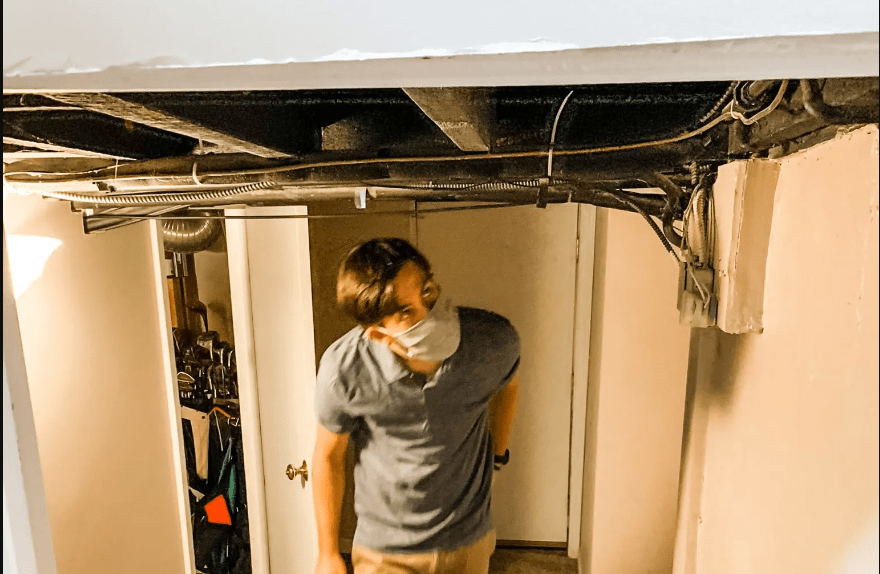
- Insulation and air sealing. Start in attics and basements to maximize efficiency with minimal impact on historic finishes.
- HVAC. High-efficiency boilers, heat pumps, or ductless mini-splits can improve comfort with less invasive installation.
- Electrical and plumbing. Plan for service upgrades to meet modern demand and current codes.
- Moisture and structure. Address porch foundations, chimneys, mortar, and roof flashing with trades experienced in historic materials.
- Hazardous materials. Test for lead paint and asbestos and follow standard abatement or management practices.
Costs and priorities
- Begin with a thorough inspection and tackle structure, moisture, and mechanicals first.
- Layer in character preservation and targeted energy upgrades next.
- Seek specialists with historic-house expertise for key scopes like windows and masonry.
Pre-purchase checklist for Riverside buyers
Use this quick list to keep your search focused and informed.
- Confirm historic-district status and any review or permit requirements.
- Hire a home inspector experienced with historic construction.
- Ask for repair and maintenance history for roofs, mechanicals, porches, and masonry.
- Check floodplain or drainage factors, given proximity to the Des Plaines River.
- Budget for safety and code-related updates, then plan for preservation work.
- Identify the character-defining features you consider essential to keep.
Commuting, parks, and daily life
Riverside’s planned layout delivers shaded streets, parkways, and distinctive public spaces that support everyday living. Many homes enjoy strong visual and physical connections to green areas. Commuter rail access to downtown Chicago makes the location practical if you split time between city and suburb.
Finding your Riverside fit
Whether you’re all-in on a turreted Queen Anne or you favor the calm lines of a Prairie School home, the right match starts with clarity. Identify the features that matter most, understand how preservation rules affect your plans, and evaluate systems with an experienced inspector. That way, your first months in the home can focus on enjoying the character that drew you in.
Ready to explore Riverside homes and craft a smart purchase plan tailored to your goals? Connect with the team at The Anne Monckton Group to get local insight and dedicated buyer representation.
FAQs
Do Riverside historic rules affect renovations?
- In designated areas, exterior work may require review and approval. Confirm district status and ask the village which changes trigger review before you begin.
Are there incentives to restore a historic single-family home?
- Programs vary by state and locality. Check with state preservation resources and the village for current options and eligibility before you budget.
What energy upgrades preserve historic character?
- Start with attic and basement insulation and air sealing, then consider window repair with storms, and efficient HVAC like heat pumps or mini-splits.
How should I prioritize repairs after closing?
- Address structure, moisture, and mechanical systems first. Then preserve character-defining elements and plan targeted efficiency improvements.
How do I find qualified historic-home contractors?
- Look for trades with experience in historic masonry, window repair, and preservation carpentry, and consult local preservation offices and statewide nonprofits for guidance.