Wondering whether Elmhurst is really worth the premium if you commute to Chicago? If you are weighing train access, parking, downtown convenience, and home prices all at once, the answer is not always simple. The good news is that a side-by-side look at Elmhurst, Lombard, Villa Park, and Berkeley makes the tradeoffs much clearer. Let’s dive in.
What Chicago commuters should compare
If you are choosing among western suburbs on the Union Pacific West line, the biggest differences are not just distance from downtown Chicago. In practice, daily convenience often comes down to station parking, walkability near the station, and what your day looks like before and after the train.
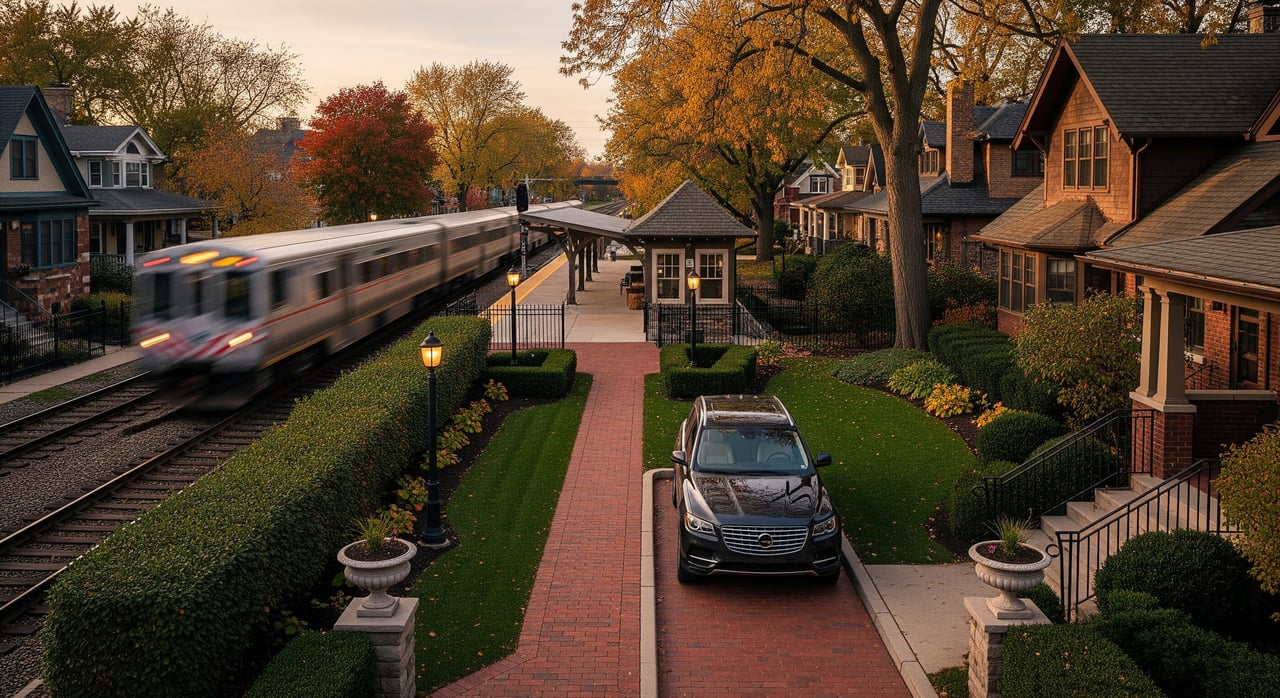
Elmhurst, Villa Park, Lombard, and Berkeley all offer Metra UP-W service to Ogilvie Transportation Center. Berkeley is in Zone 2, while Elmhurst, Villa Park, and Lombard are all in Zone 3. That means the more meaningful commuter differences in this group are often local, not regional.
Elmhurst's commuter advantage
Elmhurst stands out most for one simple reason: parking capacity. It offers 1,487 commuter parking spaces, compared with 574 in Lombard, 492 in Villa Park, and 125 in Berkeley.
If you plan to drive to the station, that matters. More parking can mean less stress in your morning routine and more flexibility if you are not within walking distance of the train.
Elmhurst is also about 15 miles west of downtown Chicago, according to official sources. The city notes access to I-290, I-294, and I-88, which adds options for drivers even though rush-hour traffic will still shape the real experience.
Downtown Elmhurst feels like a hub
For many buyers, Elmhurst is not just about getting into the city. It is about having a suburb where the station area feels active, useful, and easy to enjoy on a regular basis.
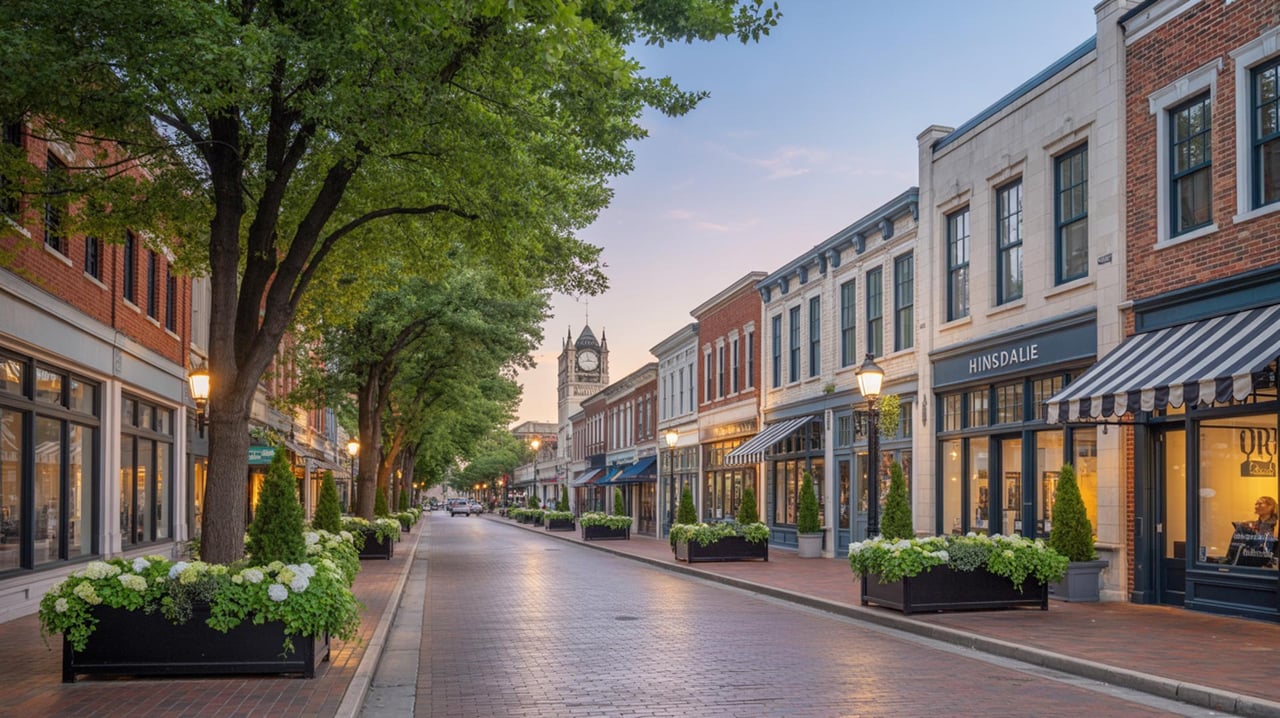
Elmhurst City Centre offers roughly 222 specialty retailers and service businesses, nearly 40 restaurants and coffee shops, plus entertainment anchors like the York Theatre and bowling. The city also treats the Metra station as a key downtown entry point, which reinforces how central the train is to daily life there.
That combination gives Elmhurst a strong all-in-one feel. You can think of it as a place where commuting, errands, dining, and downtime connect more seamlessly than they do in many nearby suburbs.
How Lombard compares to Elmhurst
Lombard is the closest lifestyle peer in this group. It also sits on the UP-W line, has a walkable historic downtown near the commuter depot, and offers a much lower median sale price than Elmhurst.
Village materials describe downtown Lombard as being within walking distance of the station. The village also highlights 40-plus restaurants, cafés, bakeries, breweries, and eateries during its 2026 Restaurant Week, along with downtown improvements such as benches, bicycle racks, sidewalk work, and a covered bicycle corral.
Lombard has 574 commuter parking spaces, which is solid but far below Elmhurst. So if you want a walkable downtown with train access and more approachable pricing, Lombard deserves a close look, especially if you do not need Elmhurst’s larger station footprint.
Where Villa Park fits
Villa Park is a practical option for buyers who want UP-W access and a lower price point without leaving the corridor. Its station-area identity feels more functional and neighborhood-scaled than Elmhurst or Lombard, but the commuter setup is still workable.
The village operates a 492-space Metra lot at Ardmore. Official materials focus more on the commuter lot, the Ardmore Business District, the Prairie Path, and community gathering areas than on a dense downtown retail core.
That makes Villa Park feel less like a full downtown destination and more like a value-oriented commuter suburb. For some buyers, that is a positive because the focus is less on a bustling station area and more on everyday suburban livability.
Berkeley offers a quieter alternative
Berkeley is the most compact and budget-friendly choice in this comparison. It is also about 15 miles west of downtown Chicago, but its station-area experience is much quieter than Elmhurst, Lombard, or even Villa Park.
Official community materials describe Berkeley as a mature, compact community with a small-town atmosphere. The village points to the station and its housing stock as key assets, but the downtown amenity package is lighter than the others in this group.
Berkeley also has the smallest station parking supply by far, with just 125 spaces. If you want a quieter residential setting and do not need a larger downtown scene around the train, Berkeley may appeal to you, but the parking limitation is important to keep in mind.
Home prices tell the story
For many buyers, the decision comes down to balancing commute convenience with purchase price. This is where the differences between these suburbs become especially clear.
Here is how the median sale price compared in spring 2026:
| Suburb | Median sale price | Commuter parking spaces |
|---|---|---|
| Elmhurst | $714,631 | 1,487 |
| Villa Park | $379,804 | 492 |
| Lombard | $362,563 | 574 |
| Berkeley | $300,250 | 125 |
Elmhurst is clearly the premium-priced option. It also offers the strongest combination of commuter parking, established single-family neighborhoods, and a substantial downtown environment.
Lombard and Villa Park sit much lower on price while keeping you on the same train line. Berkeley comes in as the lowest-cost option, though with the smallest station lot and the lightest downtown amenity profile.
Housing stock and neighborhood character
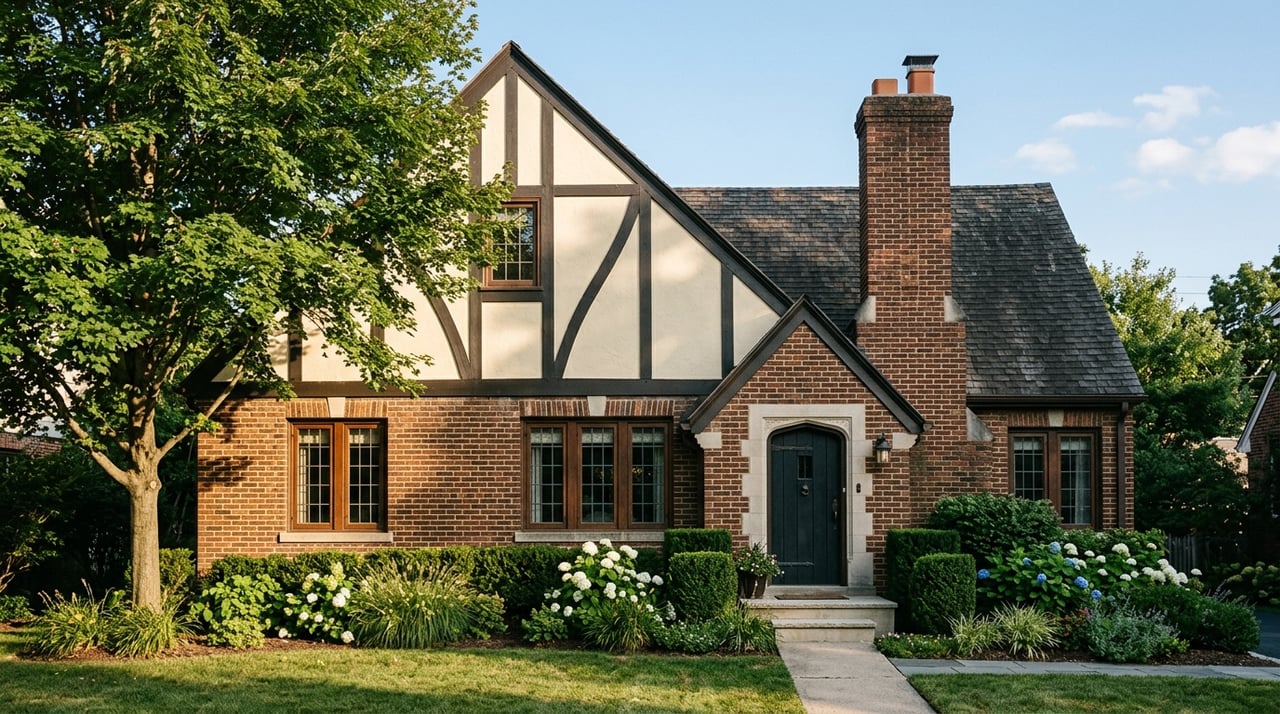
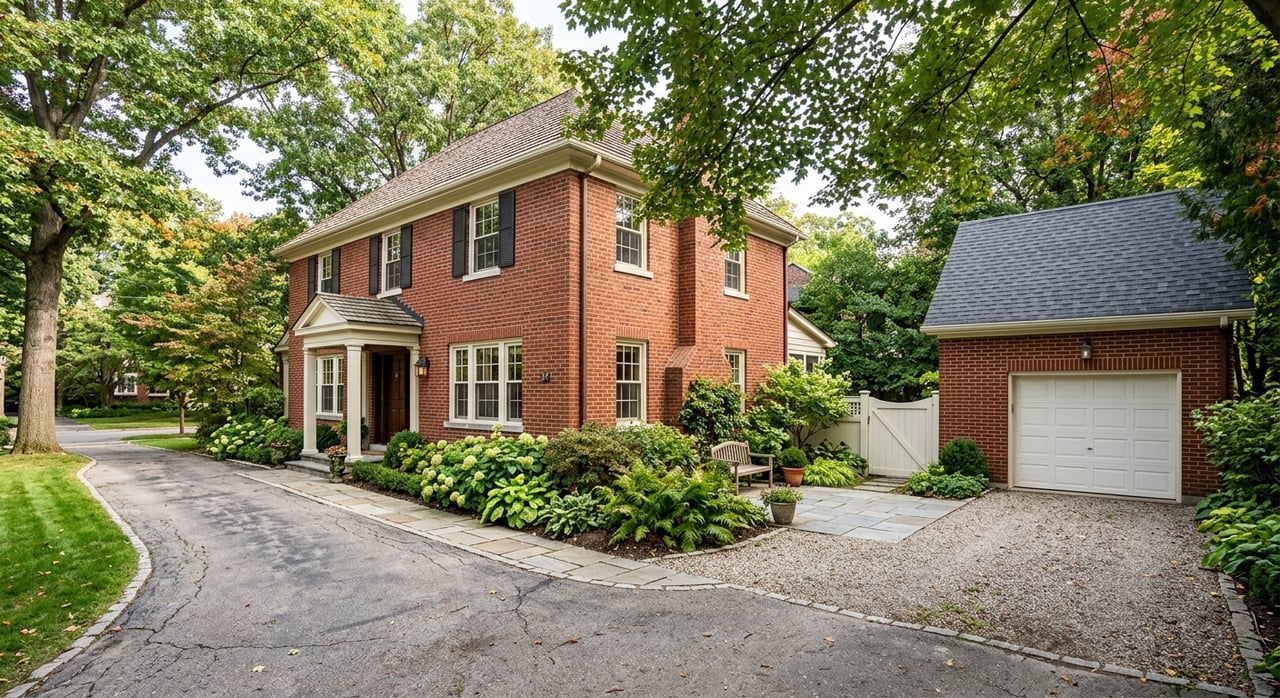
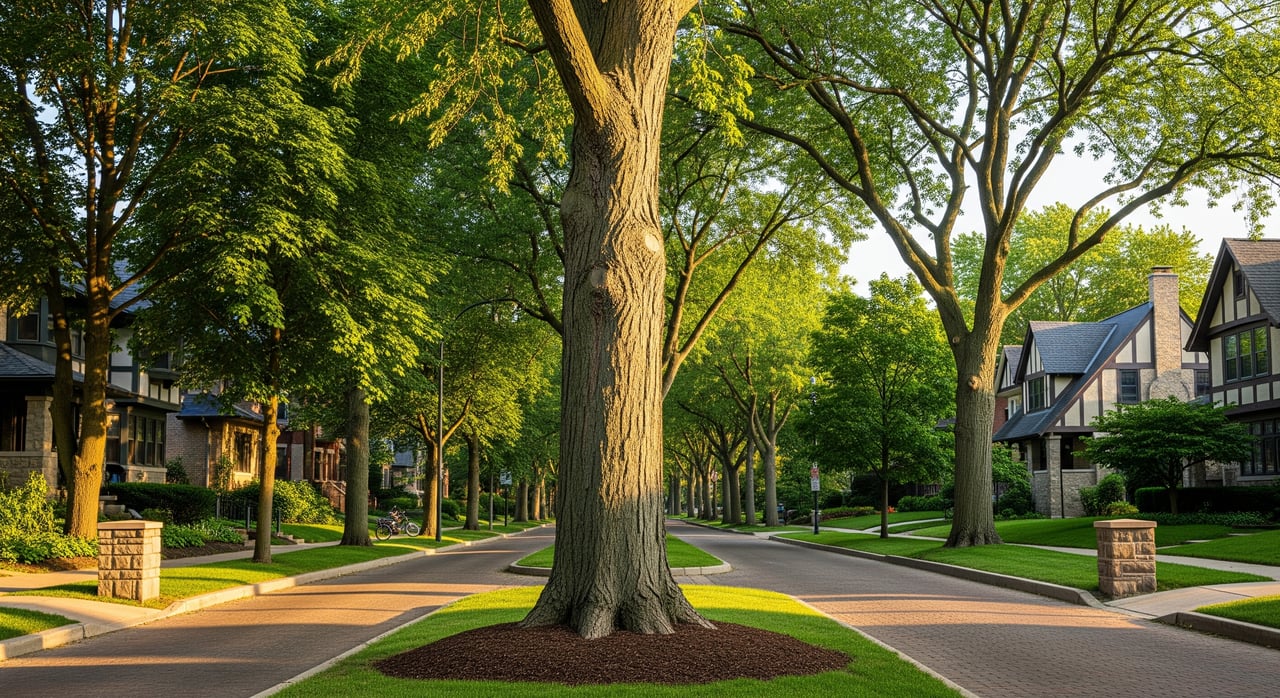
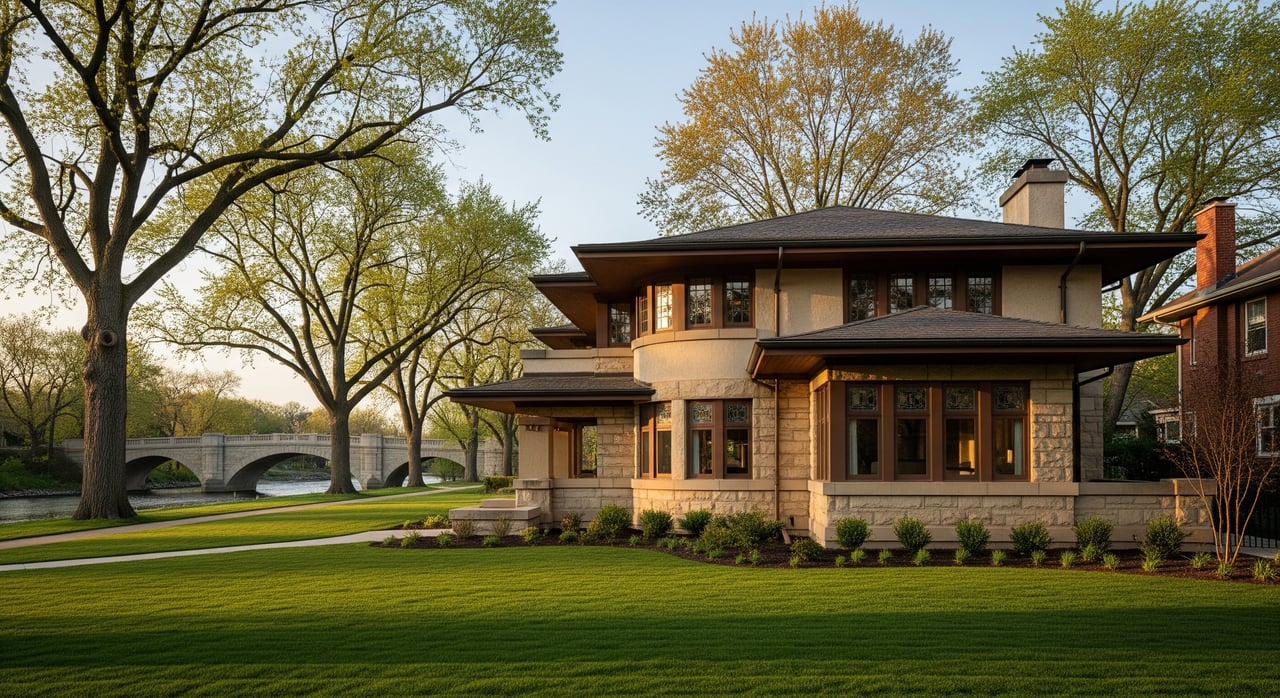
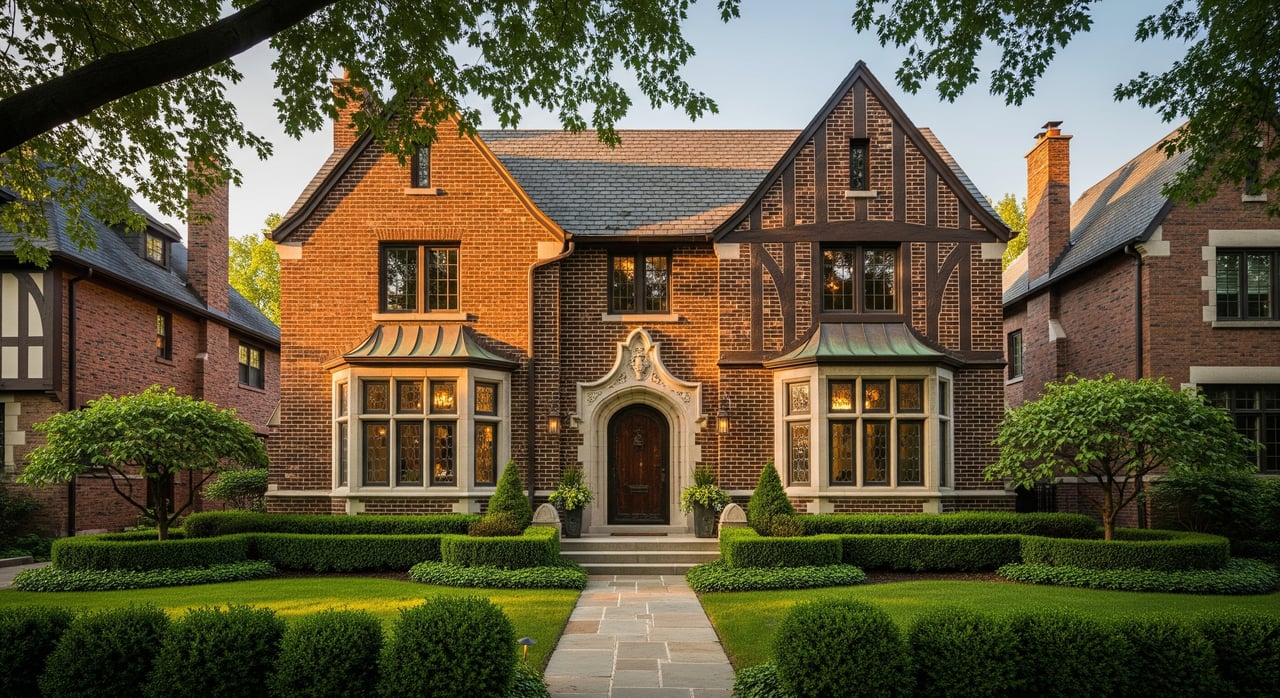
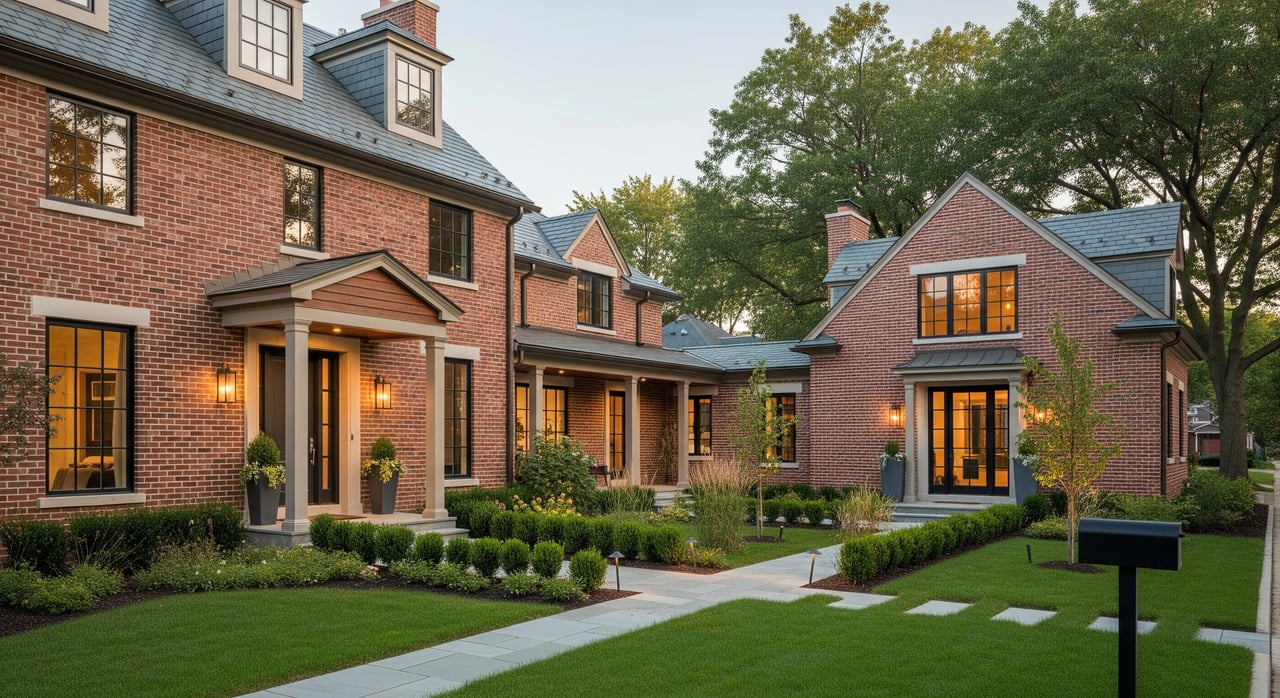
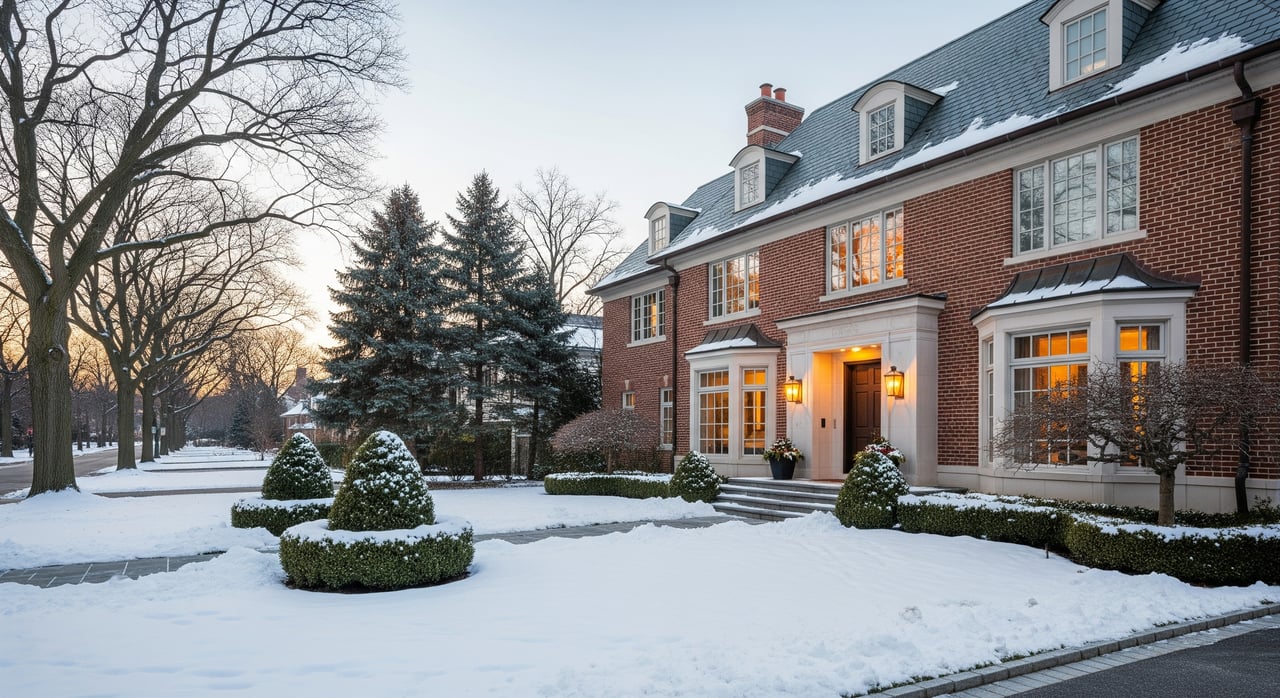
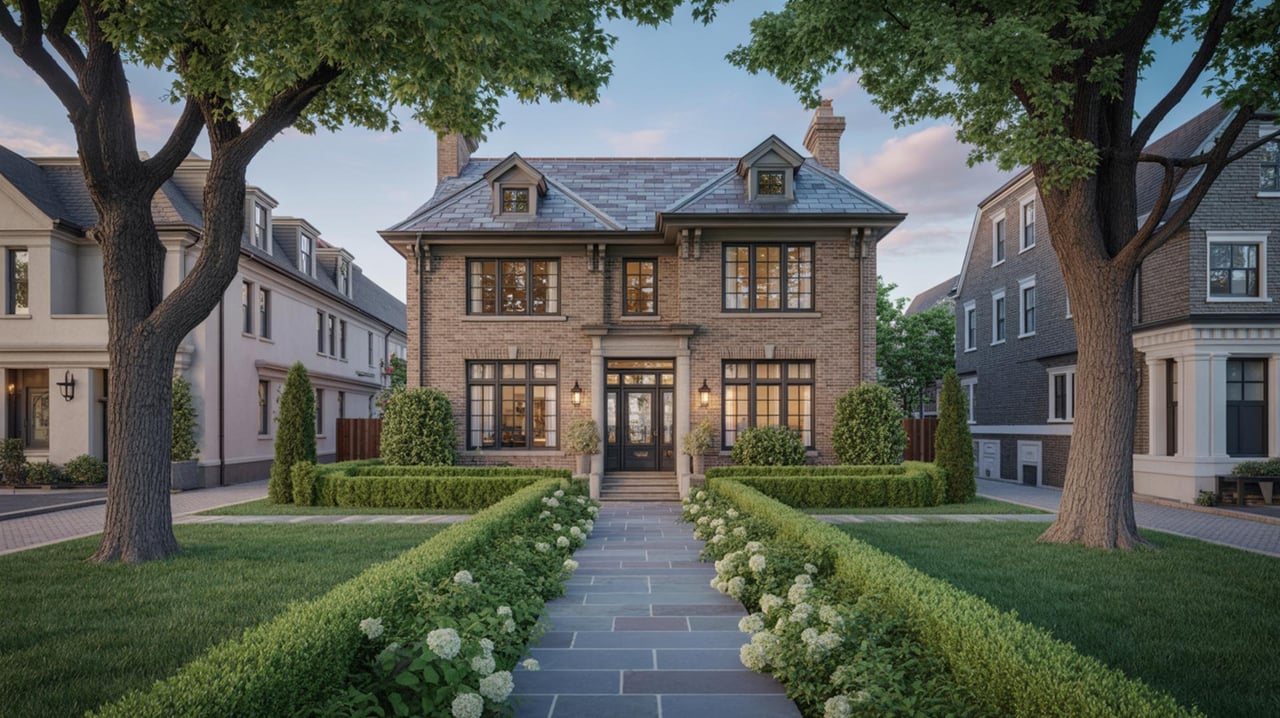
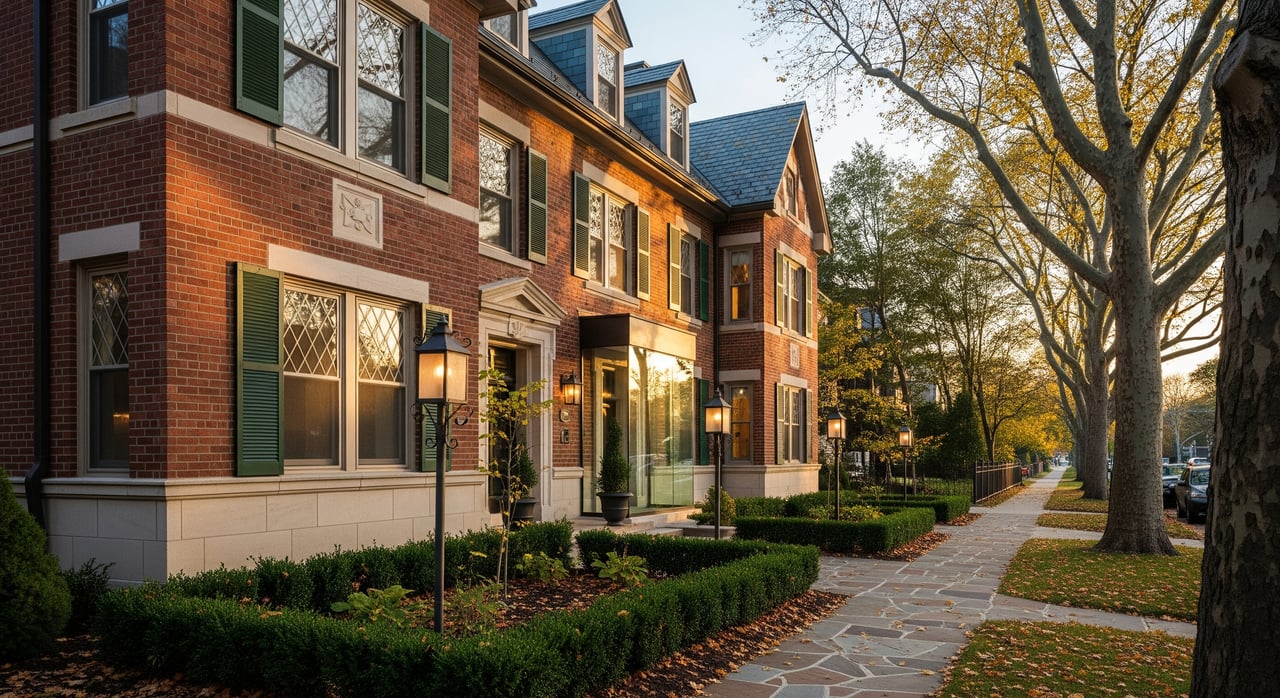
Elmhurst’s planning documents emphasize established single-family neighborhoods, historic housing stock, and context-sensitive redevelopment. That helps explain why it often attracts buyers looking for mature neighborhoods, updated homes, and higher-end infill opportunities.
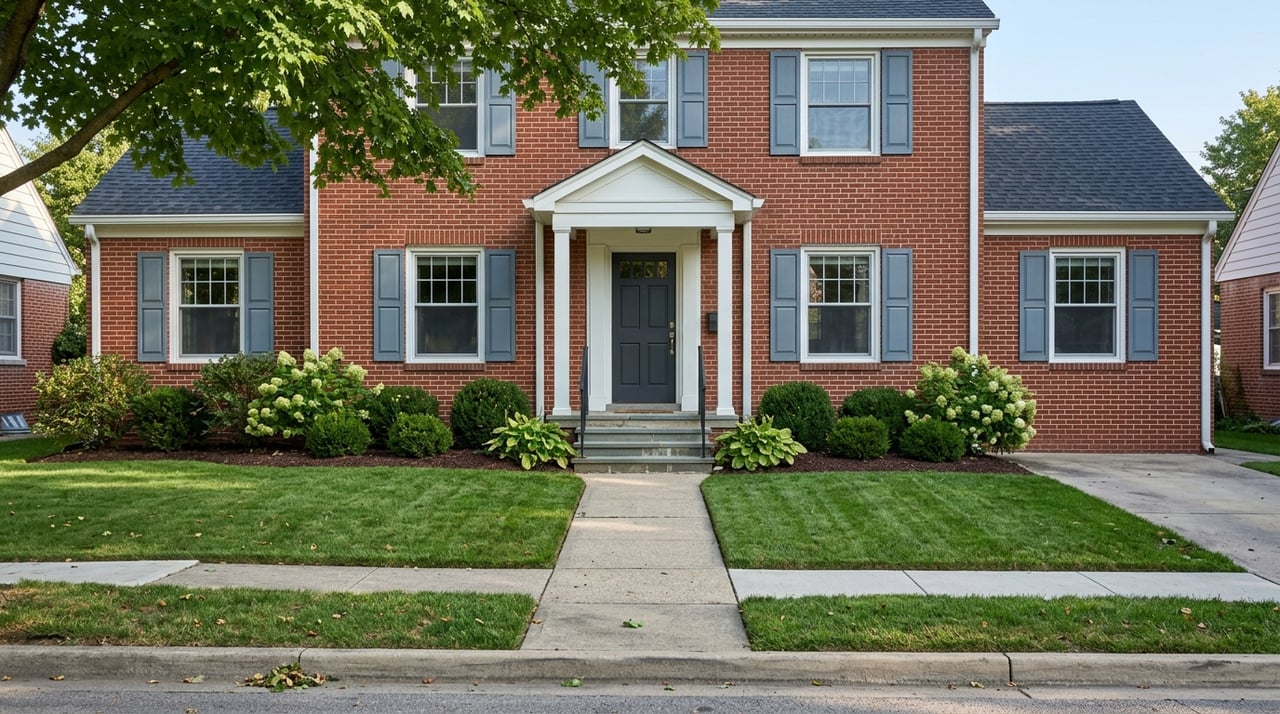
Villa Park also has a largely single-family housing pattern. About 76% of housing units are detached single-unit dwellings, and about 64% of the housing stock was built before 1960, which points to an older suburban fabric.
Lombard’s comprehensive plan describes low-density residential as the dominant land use, primarily detached homes. It also notes larger lots and selected infill or redevelopment opportunities, which can appeal if you want a more traditional suburban feel with some variety in housing options.
Berkeley is described in its comprehensive plan as a mature, fully built-out community made up primarily of single-family detached homes. That fits its position as a close-in, quieter option with lower entry pricing.
Which suburb fits your commute style
The right choice depends on how you define convenience. Some buyers care most about station parking and a lively downtown, while others are trying to maximize space and value without giving up rail access.
Elmhurst may be the best fit if you want:
- The largest commuter parking supply
- A substantial downtown near the station
- A premium single-family market with established neighborhoods
- A suburb that blends commuting ease with lifestyle amenities
Lombard may be the best fit if you want:
- UP-W train access with a walkable downtown
- Lower home prices than Elmhurst
- A historic main street feel near the station
- A strong balance of lifestyle and value
Villa Park may be the best fit if you want:
- A lower-cost option on the same rail corridor
- Solid commuter parking
- An older single-family housing base
- A more practical, less retail-focused station area
Berkeley may be the best fit if you want:
- The most budget-friendly option in this group
- A quieter, more compact community feel
- Close-in access west of Chicago
- A simpler station-area environment
The bottom line for buyers
If you want the strongest all-around commuter suburb in this comparison, Elmhurst leads the group. Its large parking supply, robust downtown, and established single-family neighborhoods make it especially attractive for buyers who want both access and lifestyle, but you will pay more for it.
If value is a bigger part of your decision, Lombard is the clearest alternative because it still offers train access and a real downtown feel at a much lower median sale price. Villa Park and Berkeley also have real strengths, especially if your priority is staying on budget while keeping a Chicago commute manageable.
When you are comparing suburbs, the best move is to match the numbers to your routine. Your ideal town is not just about miles from downtown. It is about how your mornings, evenings, and weekends actually feel once you live there.
If you are trying to sort through western suburb options and want clear, local guidance on where your budget and commute goals align, The Anne Monckton Group can help you compare the right fit with confidence.
FAQs
How does Elmhurst compare to Lombard for Chicago commuters?
- Elmhurst and Lombard both offer Metra UP-W access, but Elmhurst has much more commuter parking and a larger downtown business mix, while Lombard offers a walkable historic downtown at a significantly lower median sale price.
Is Elmhurst more expensive than nearby UP-W suburbs?
- Yes. In spring 2026, Elmhurst had a median sale price of $714,631, compared with $379,804 in Villa Park, $362,563 in Lombard, and $300,250 in Berkeley.
Which suburb has the most commuter parking near Elmhurst?
- Elmhurst has the largest commuter parking supply in this comparison with 1,487 spaces, ahead of Lombard with 574, Villa Park with 492, and Berkeley with 125.
Is Berkeley a good choice for Chicago commuters?
- Berkeley can be a good fit if you want a quieter, more compact community and a lower home price, but it has the smallest station parking supply and a lighter downtown amenity profile than the other suburbs in this comparison.
What makes Villa Park different from Elmhurst and Lombard?
- Villa Park offers UP-W access and solid commuter parking, but its station area is more neighborhood-scale and utilitarian, with less of a dense downtown retail environment than Elmhurst or Lombard.
What should buyers compare besides train distance from Chicago?
- Buyers should look at commuter parking, station convenience, downtown walkability, housing stock, and home prices, since those factors often shape day-to-day living more than small mileage differences alone.