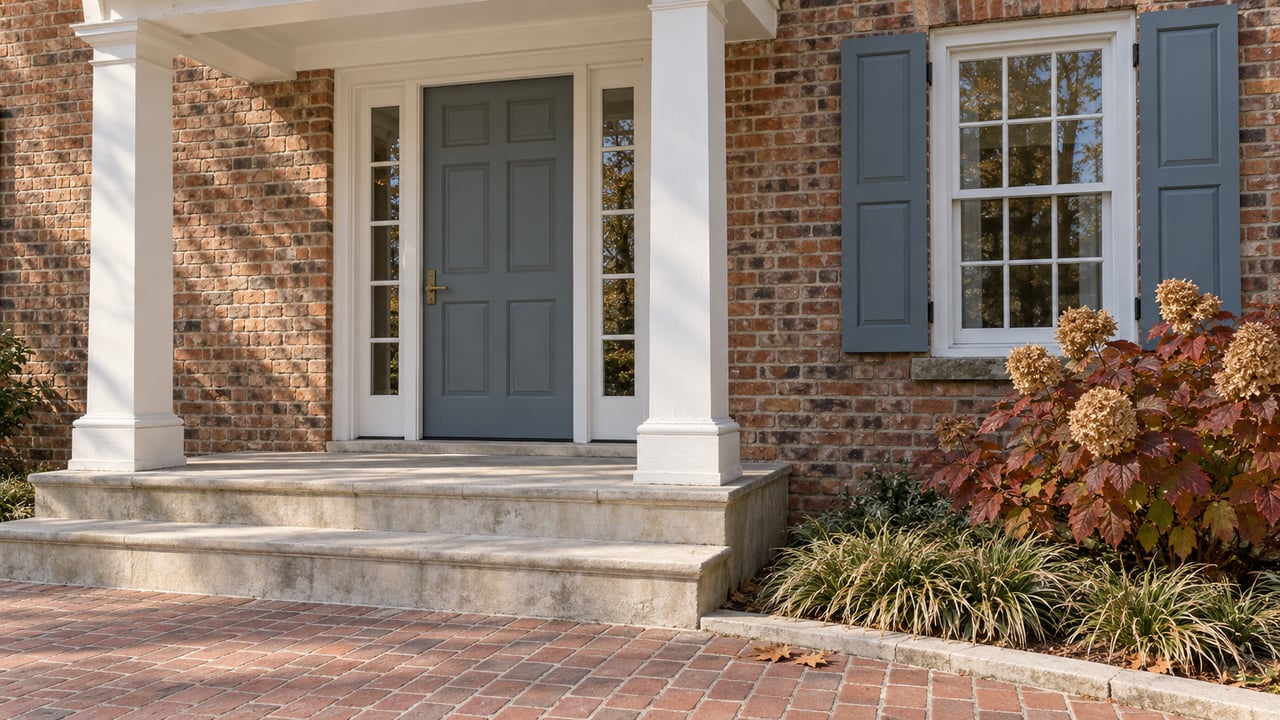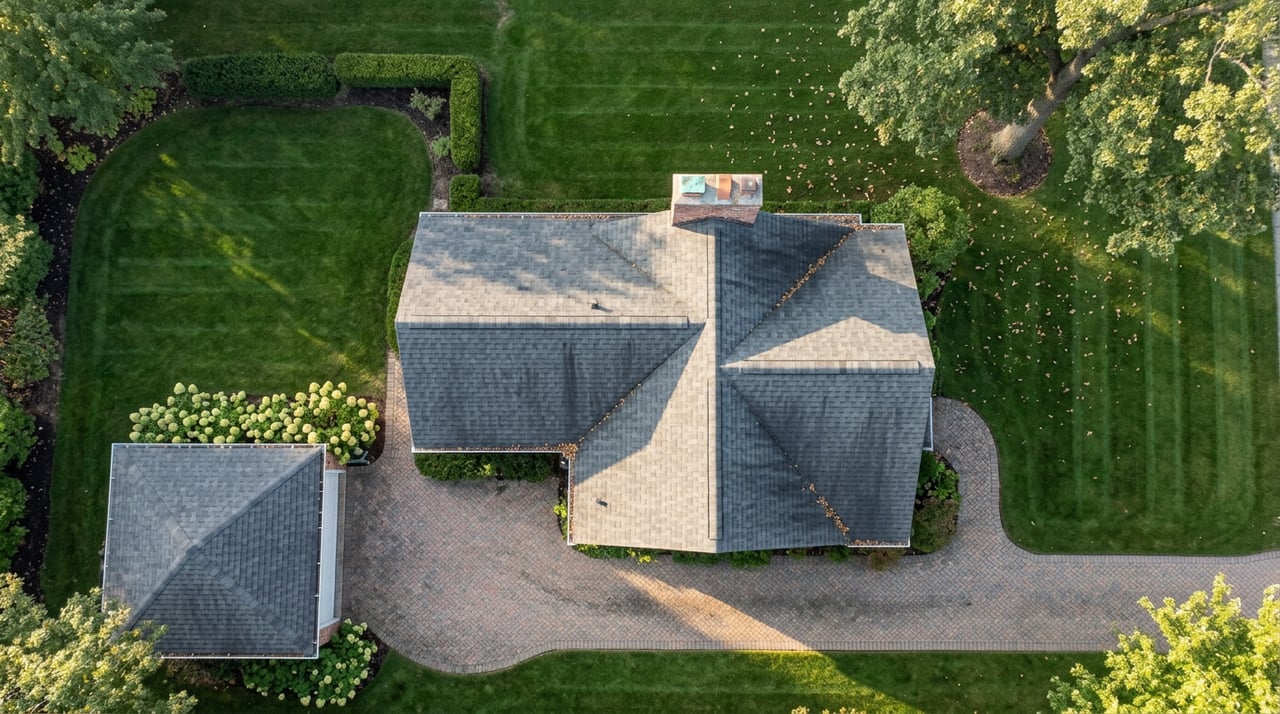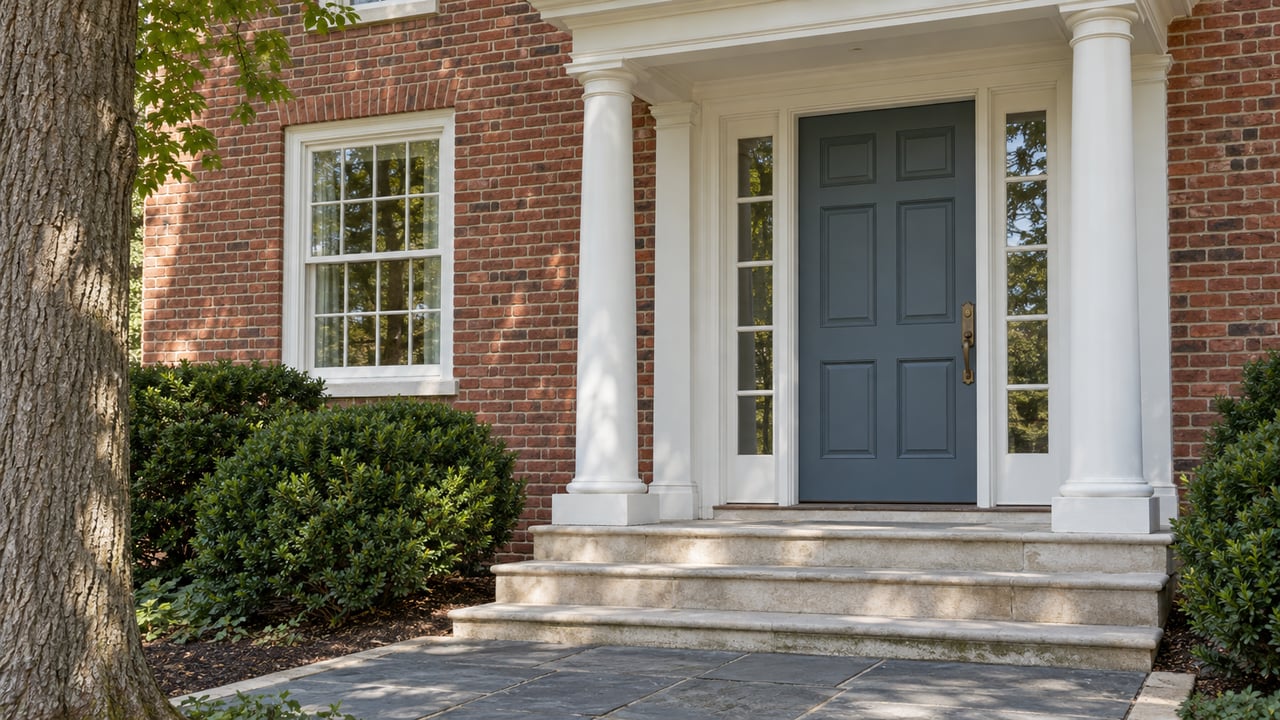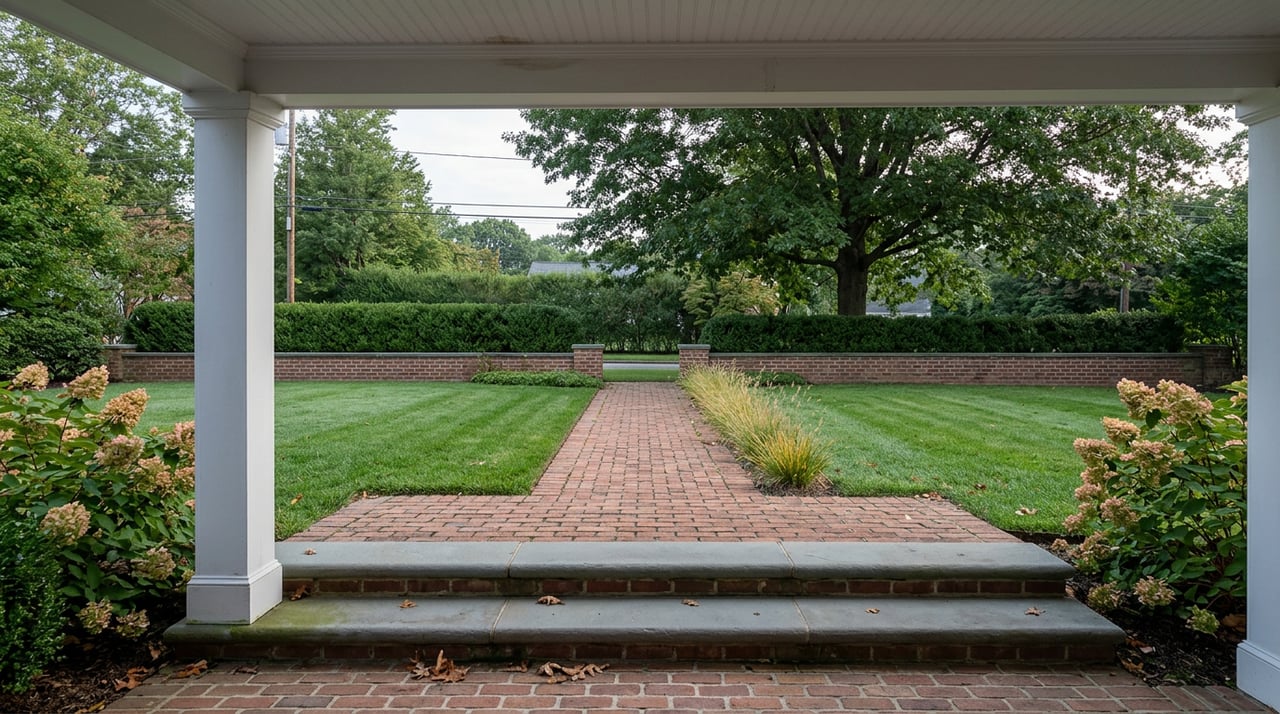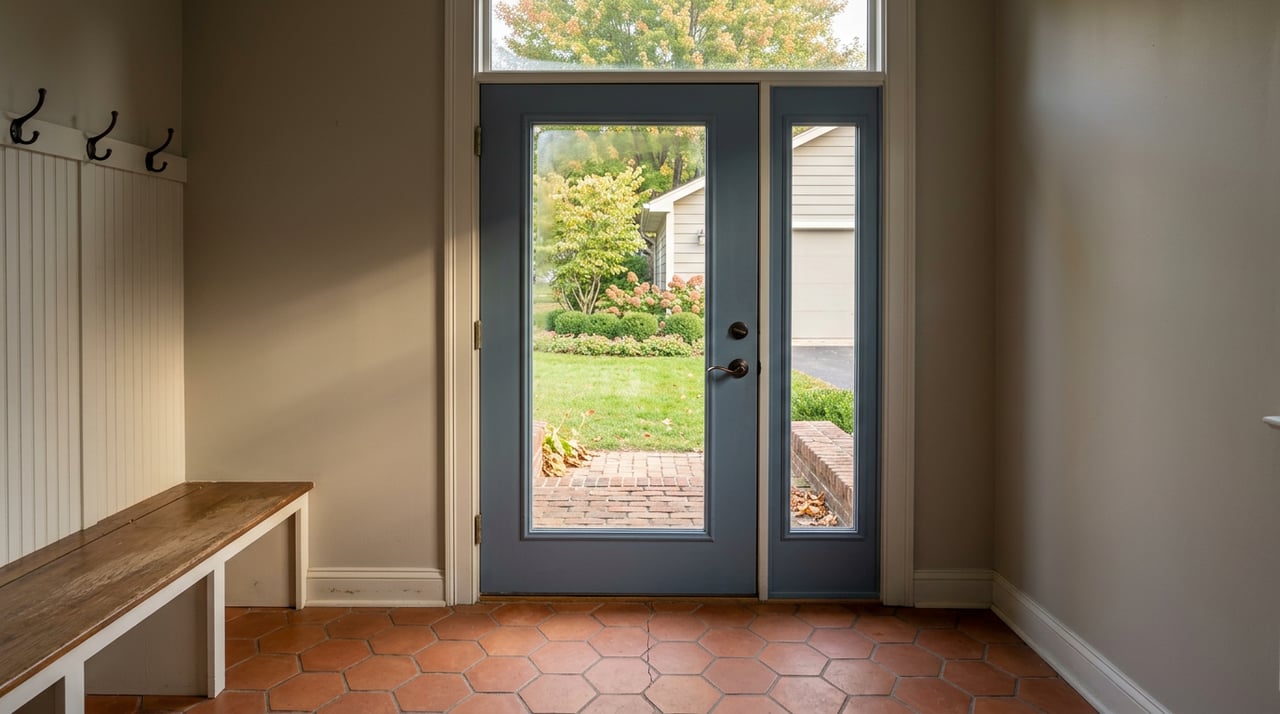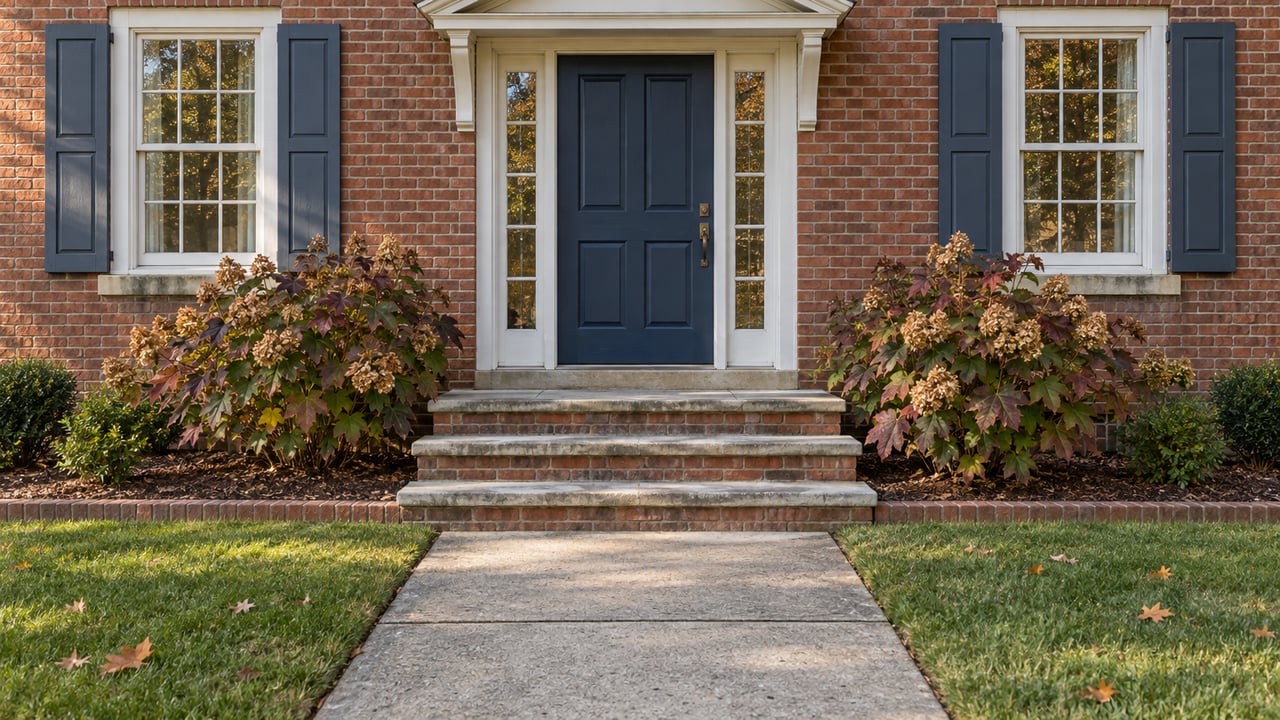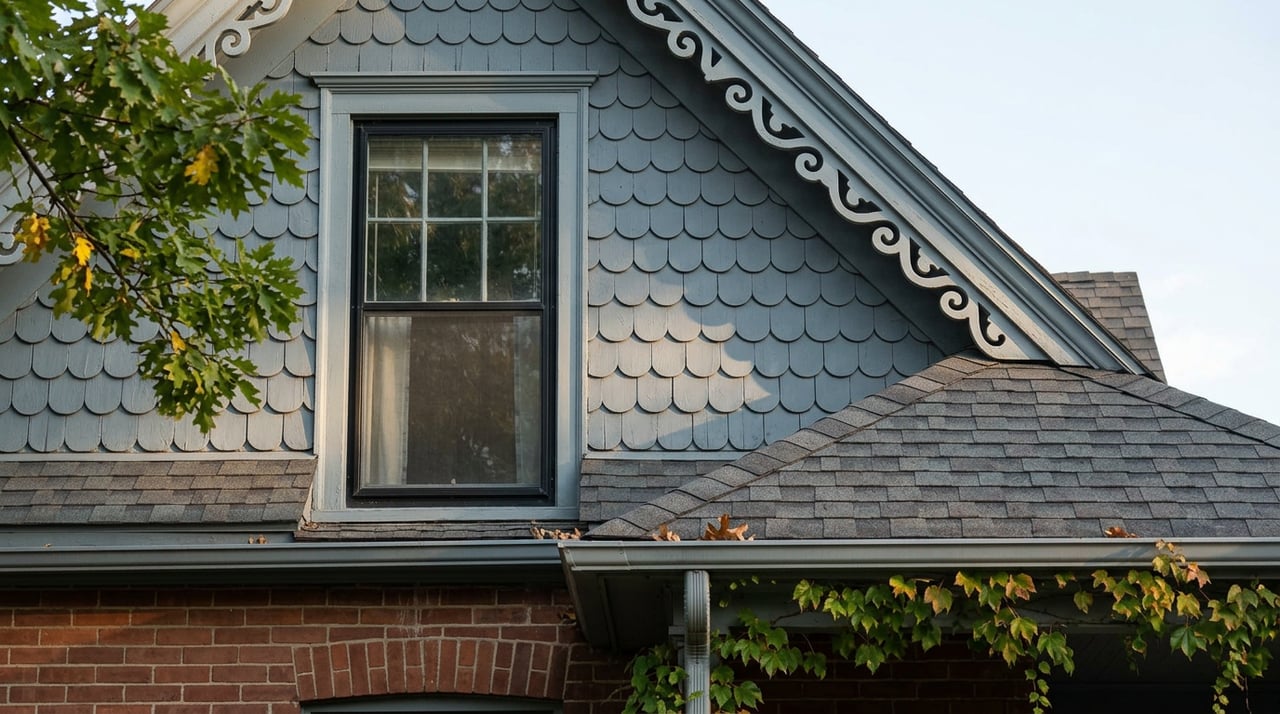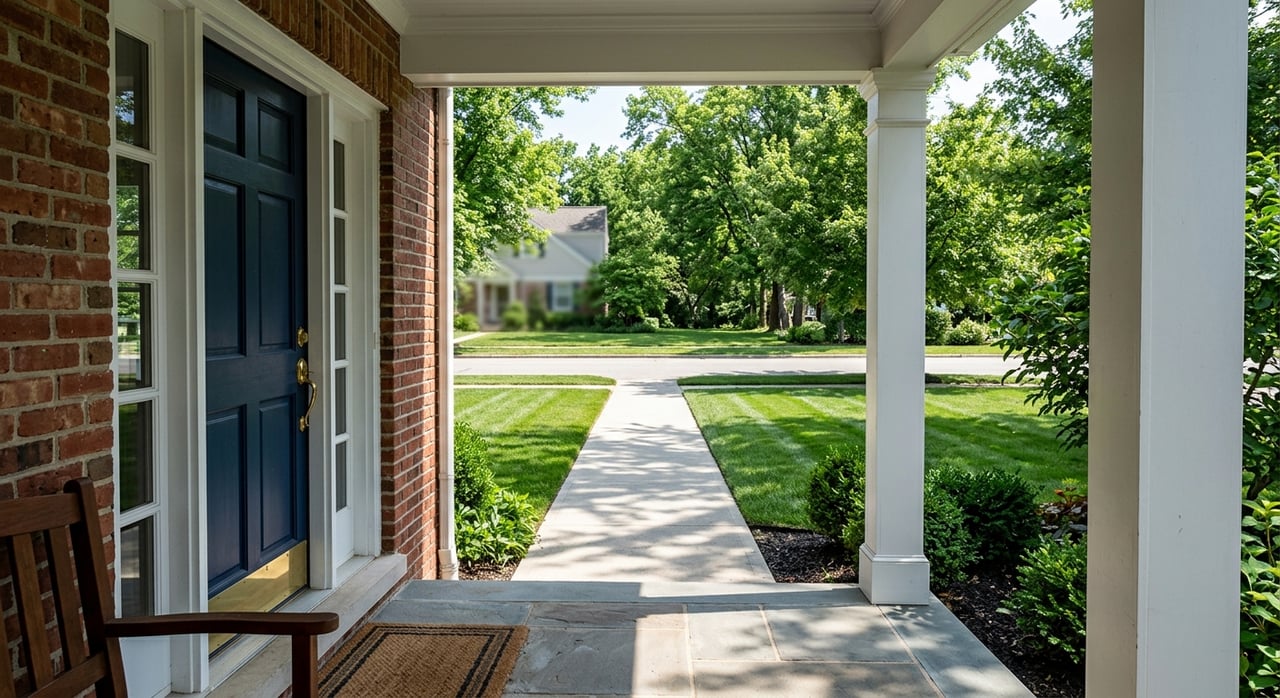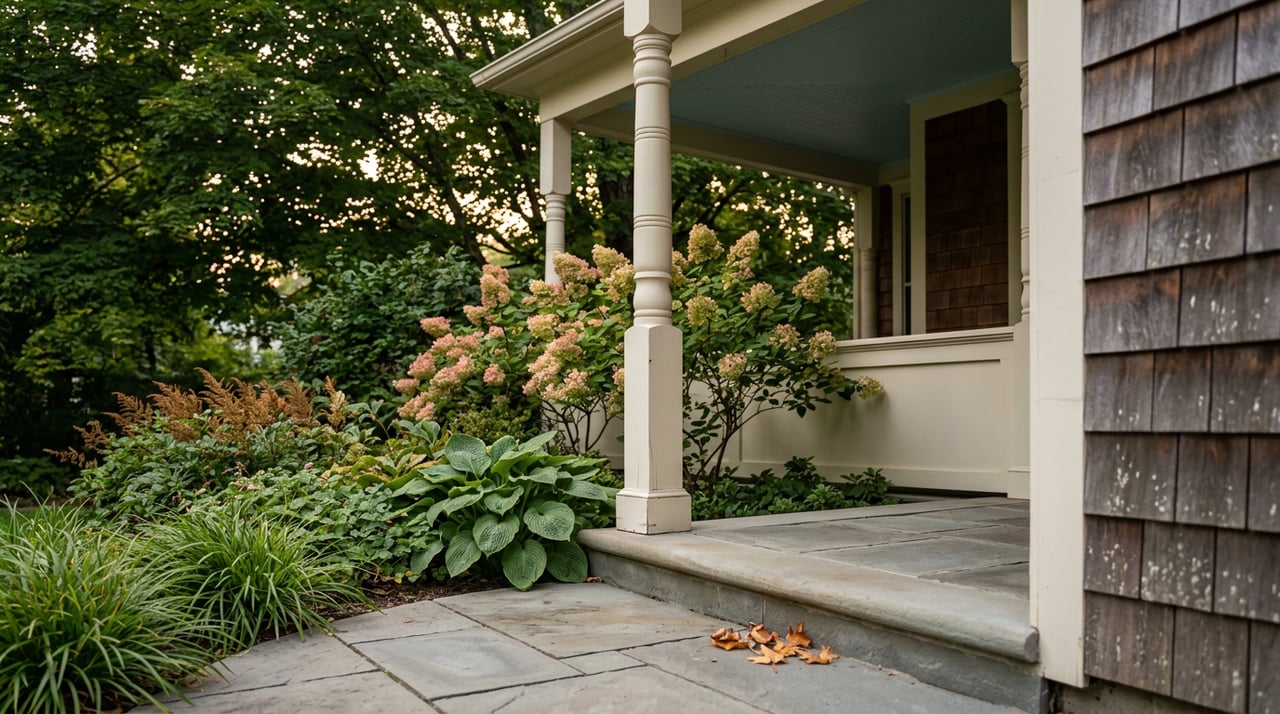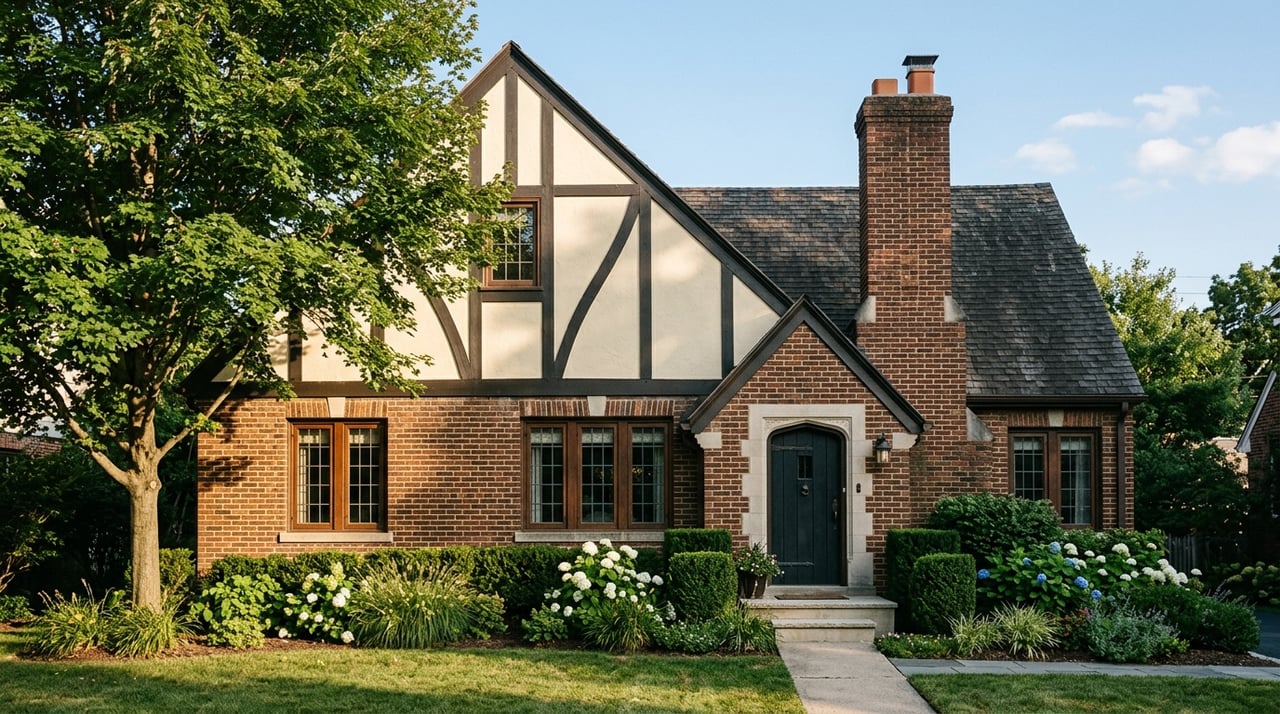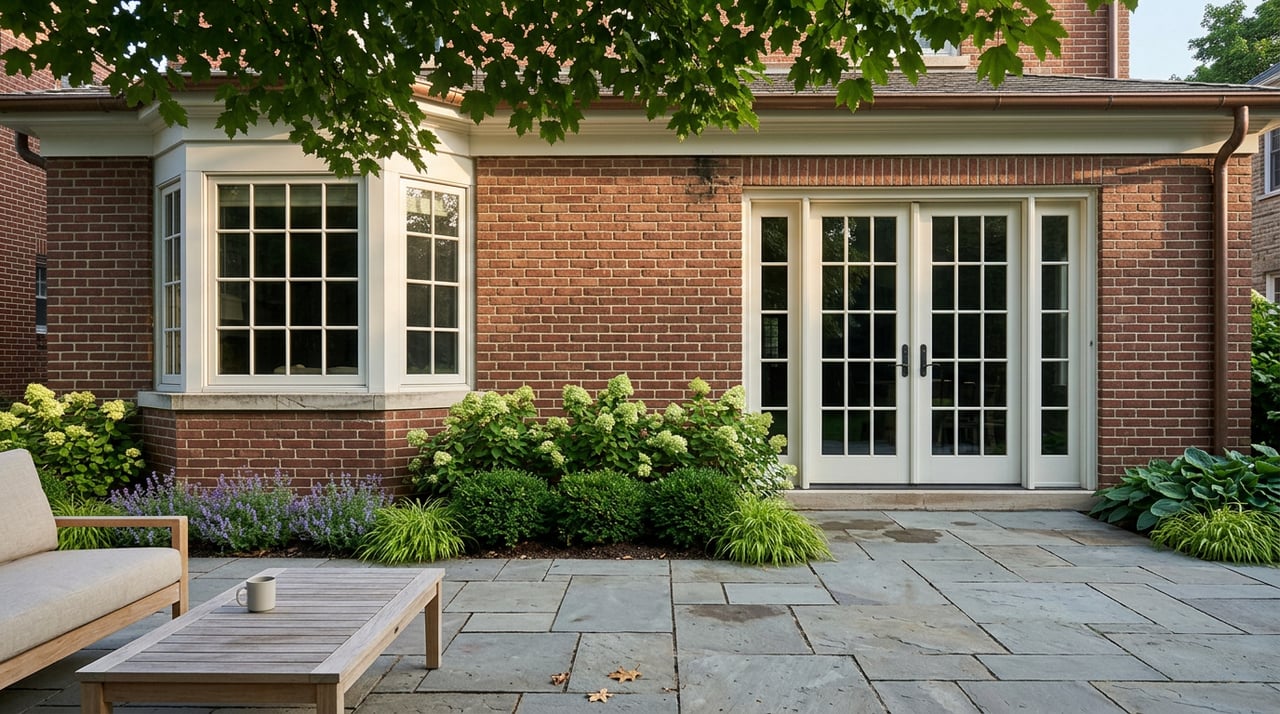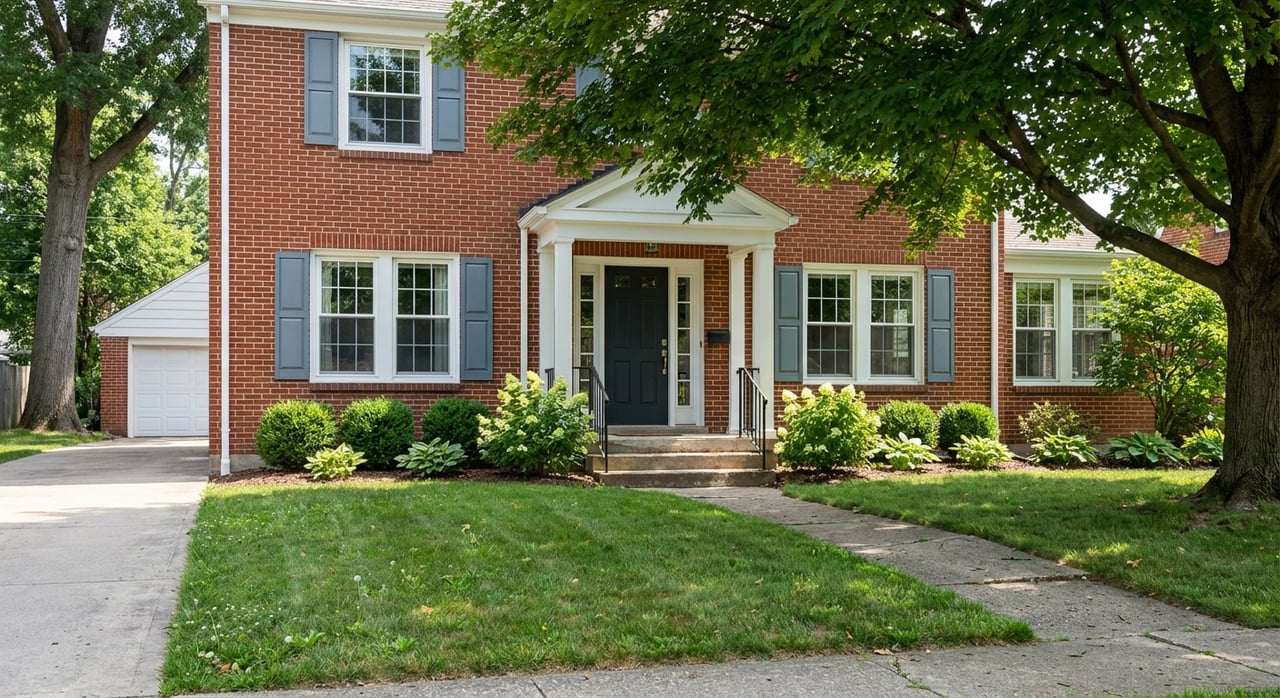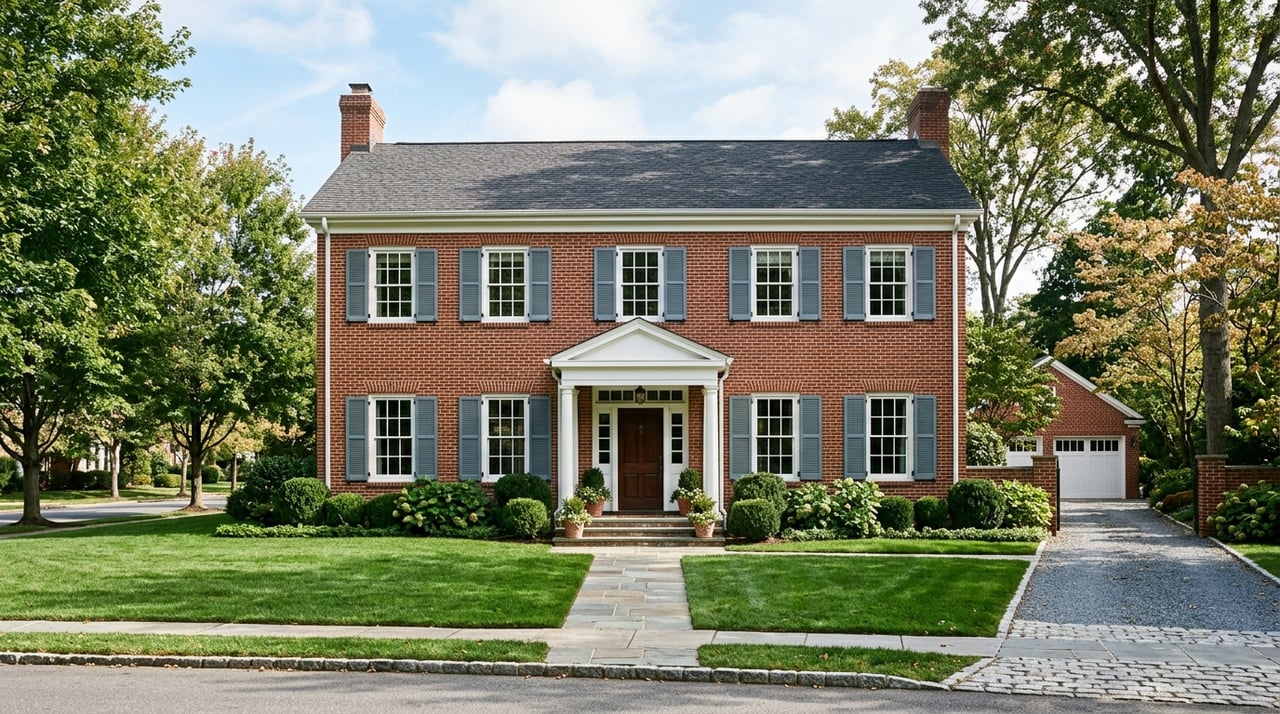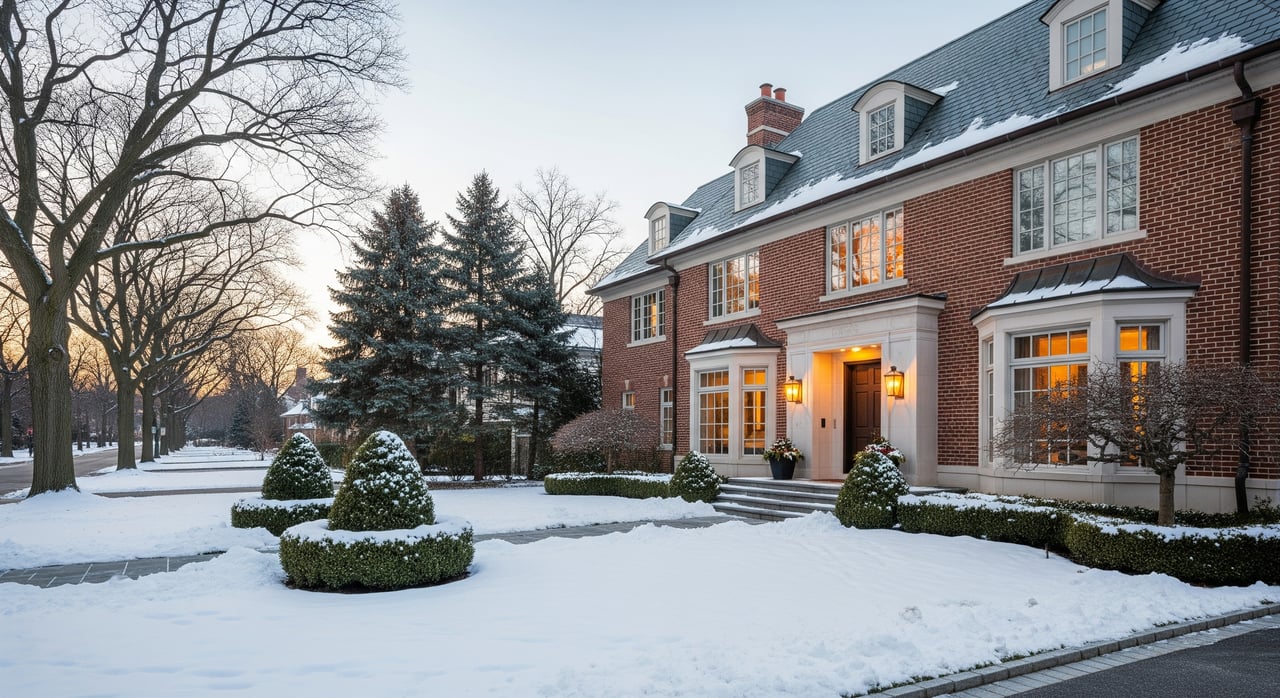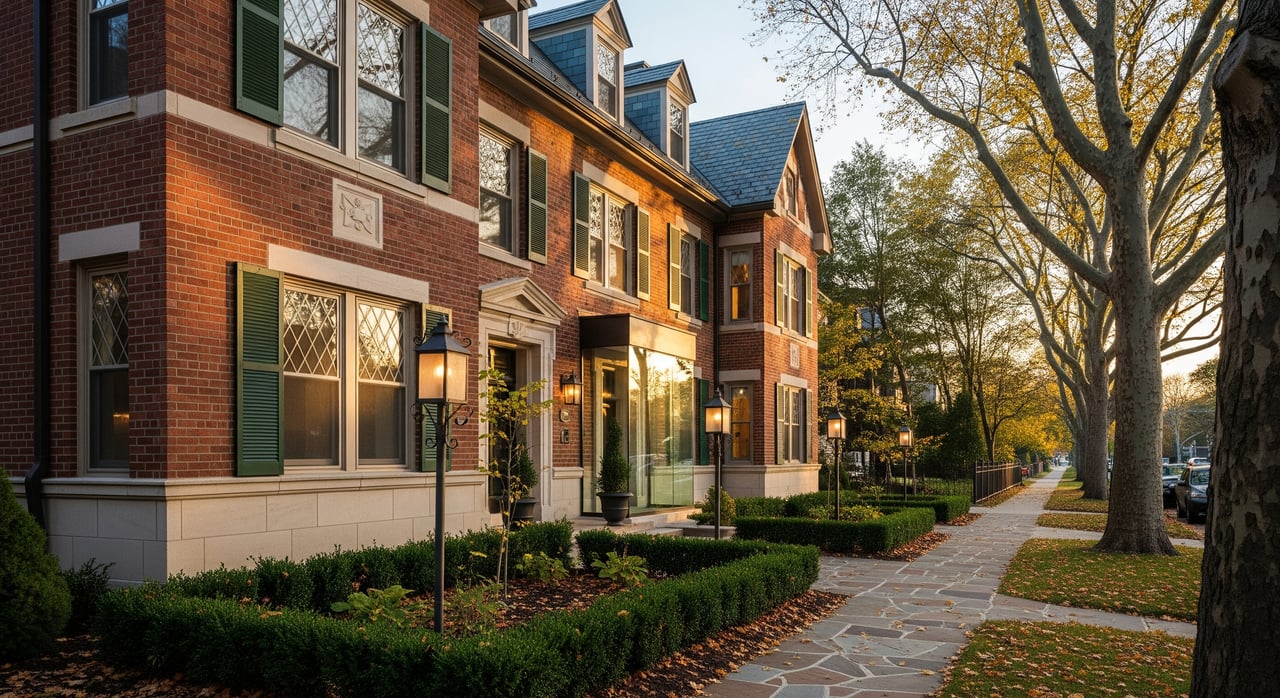
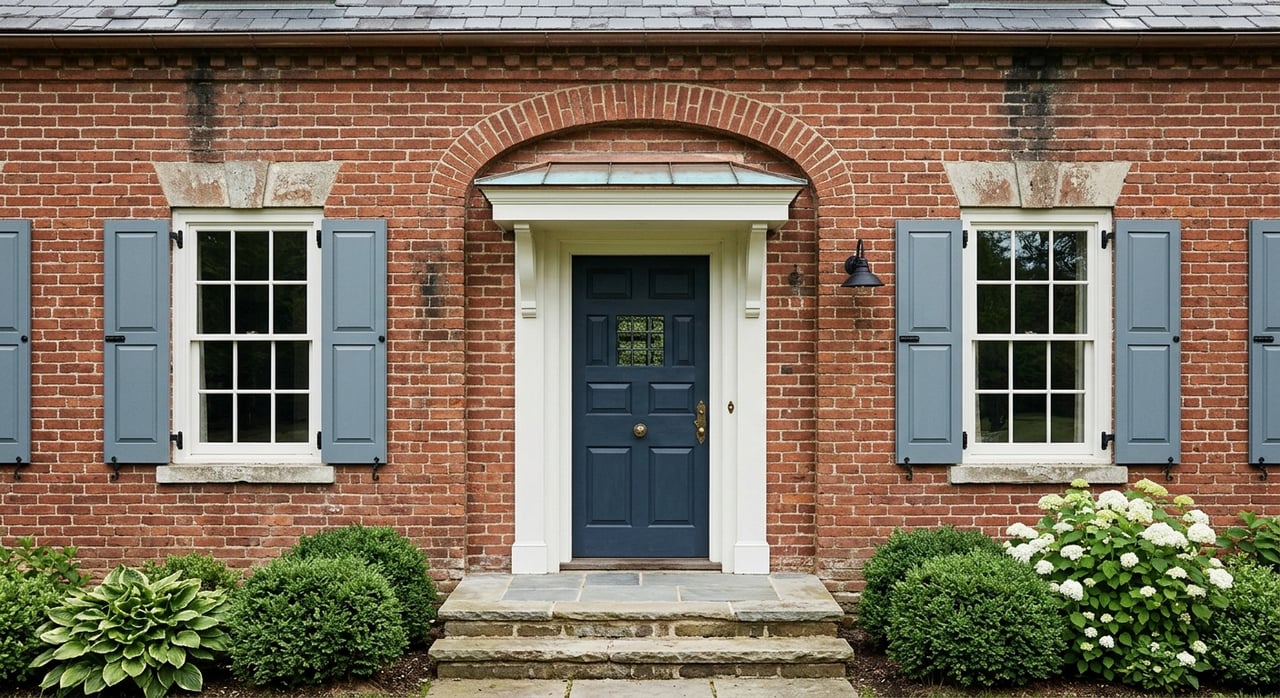
If you have ever fallen for the charm of a historic home, Riverside makes it easy to see why. From curving streets to architect-designed houses and preserved public landscapes, this village offers a setting that feels both distinctive and deeply rooted in design history. If you are thinking about buying here, it helps to understand not just the house, but also the preservation rules, inspection priorities, and renovation realities that come with owning a historic property. Let’s dive in.
Why Riverside feels different
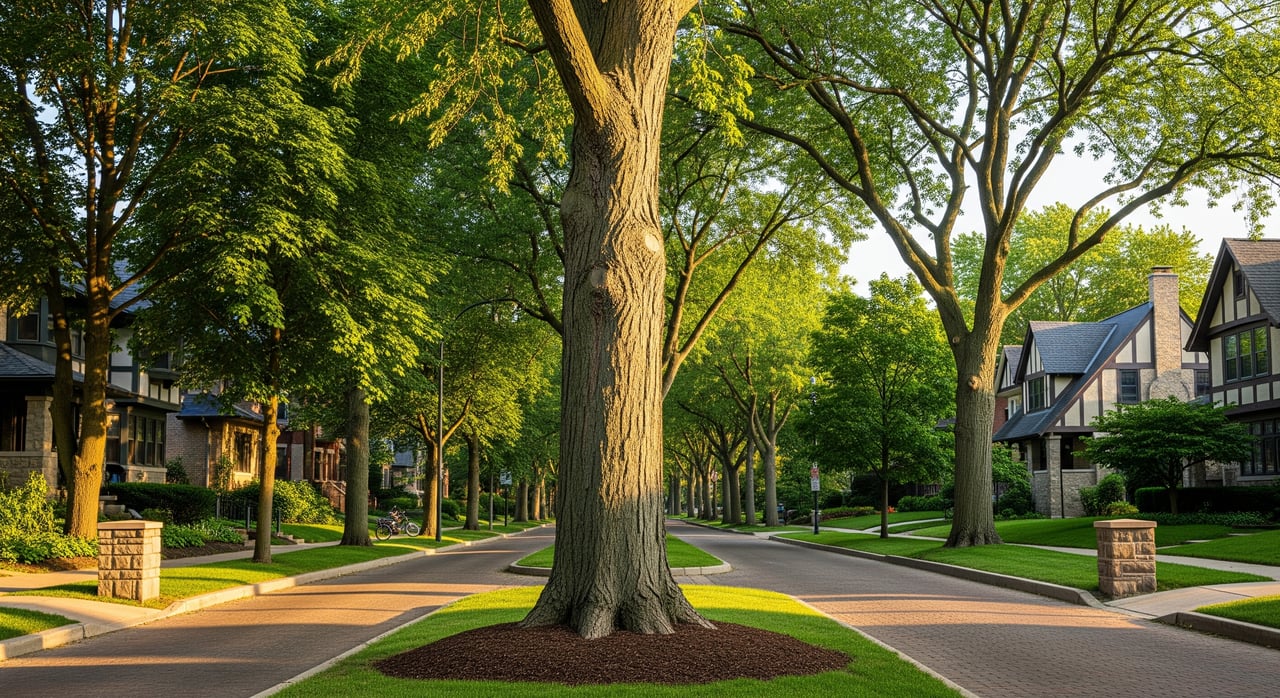
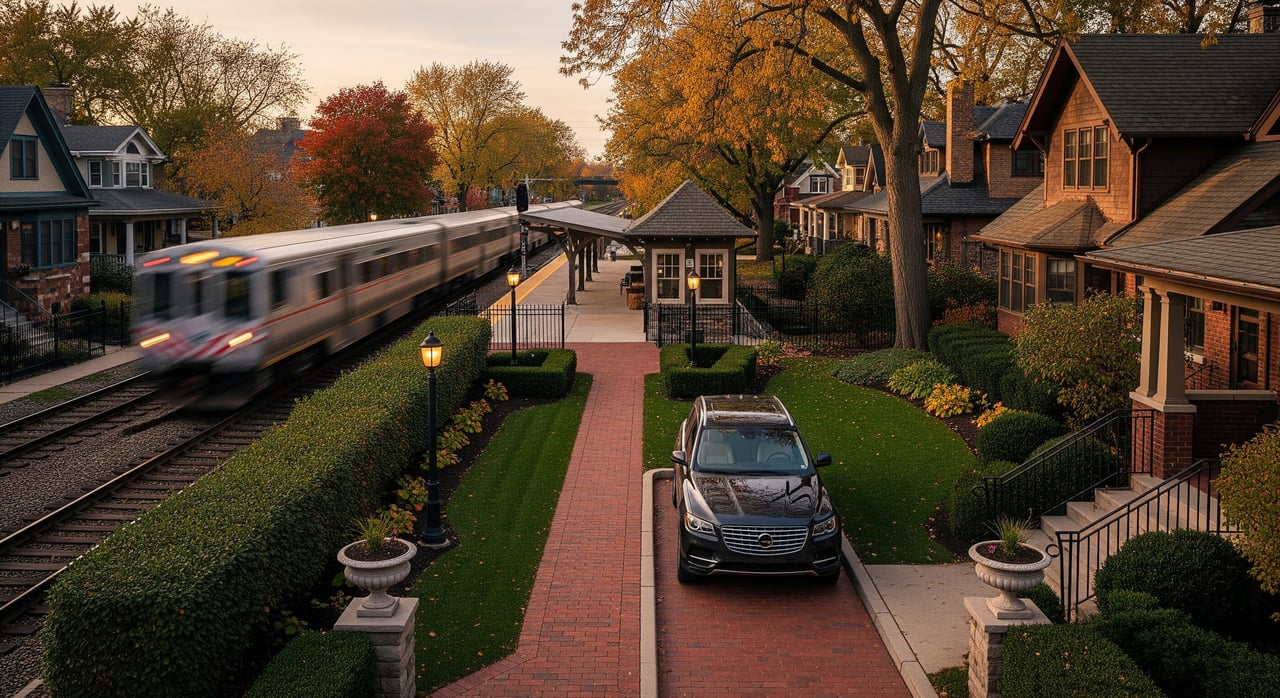
Riverside is not just a place with older homes. It was planned in 1868 by Frederick Law Olmsted and Calvert Vaux as a suburban community west of Chicago, and it remains recognized by the National Park Service as an Olmsted-designed community.
That history still shapes the experience of living here today. According to the village, many original features of the plan remain, including curving streets, parkways, and gas-lit lanterns, and Riverside has held National Historic Landmark status since 1970.
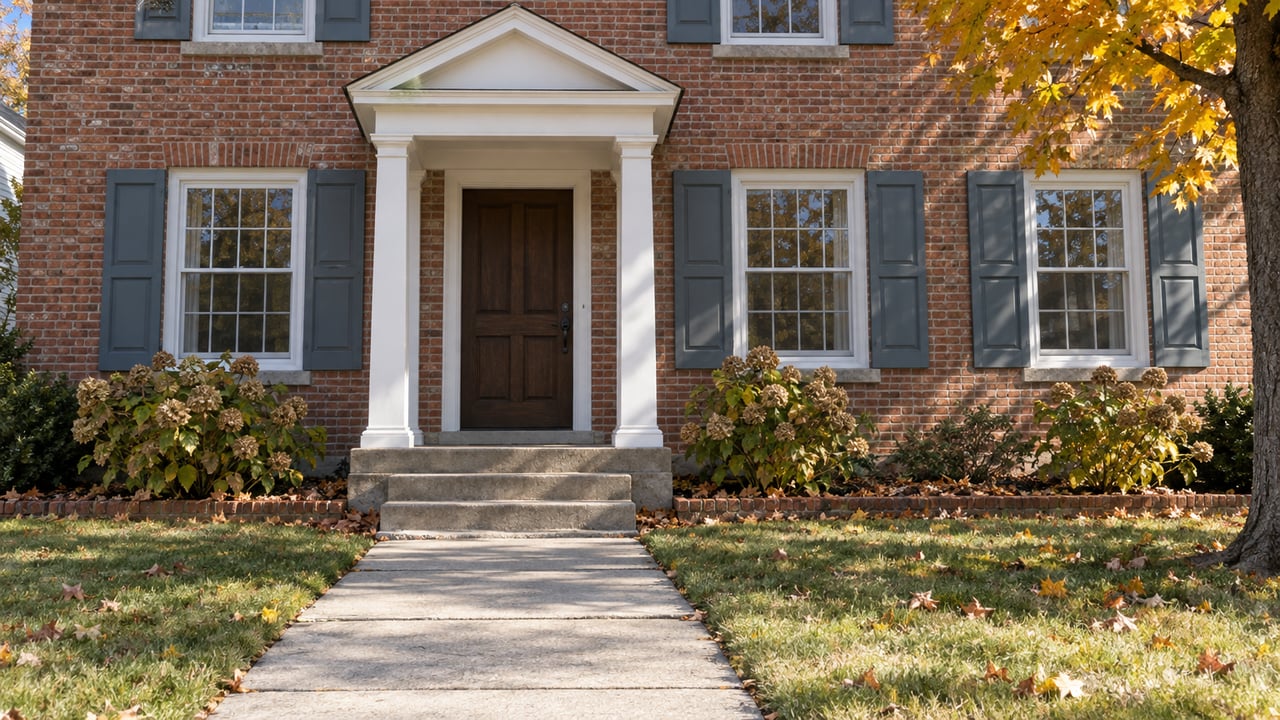
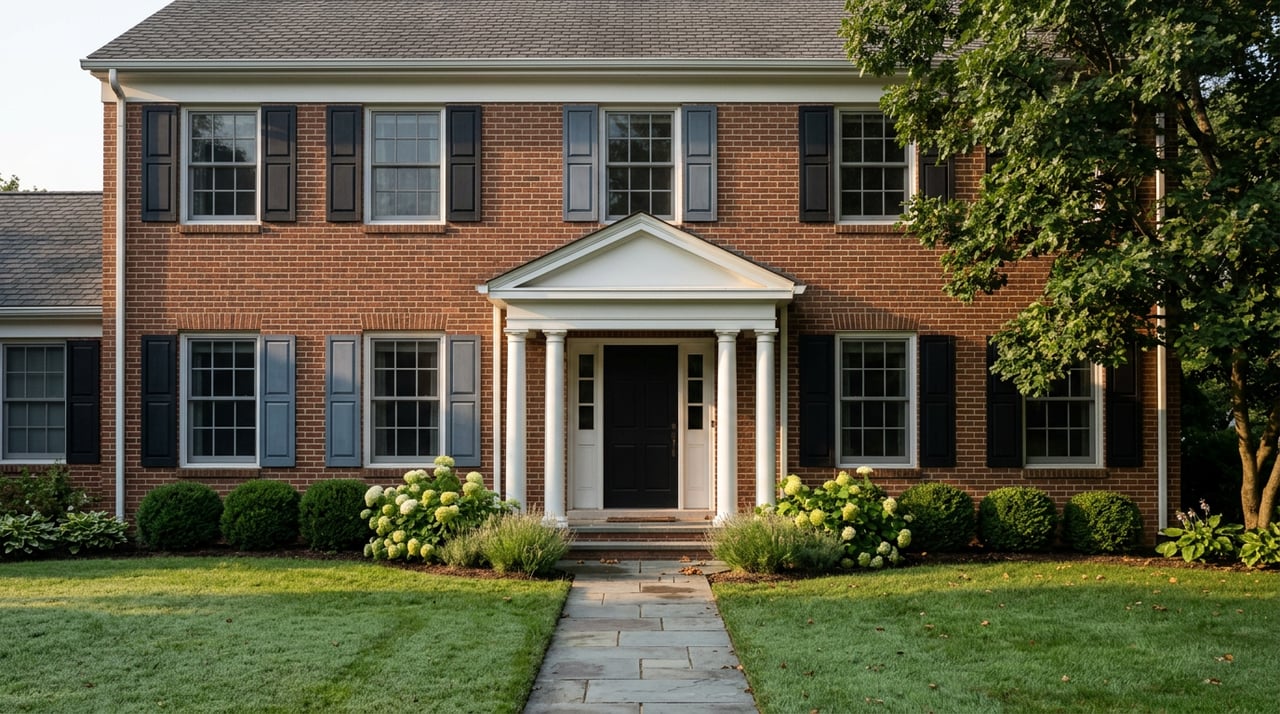
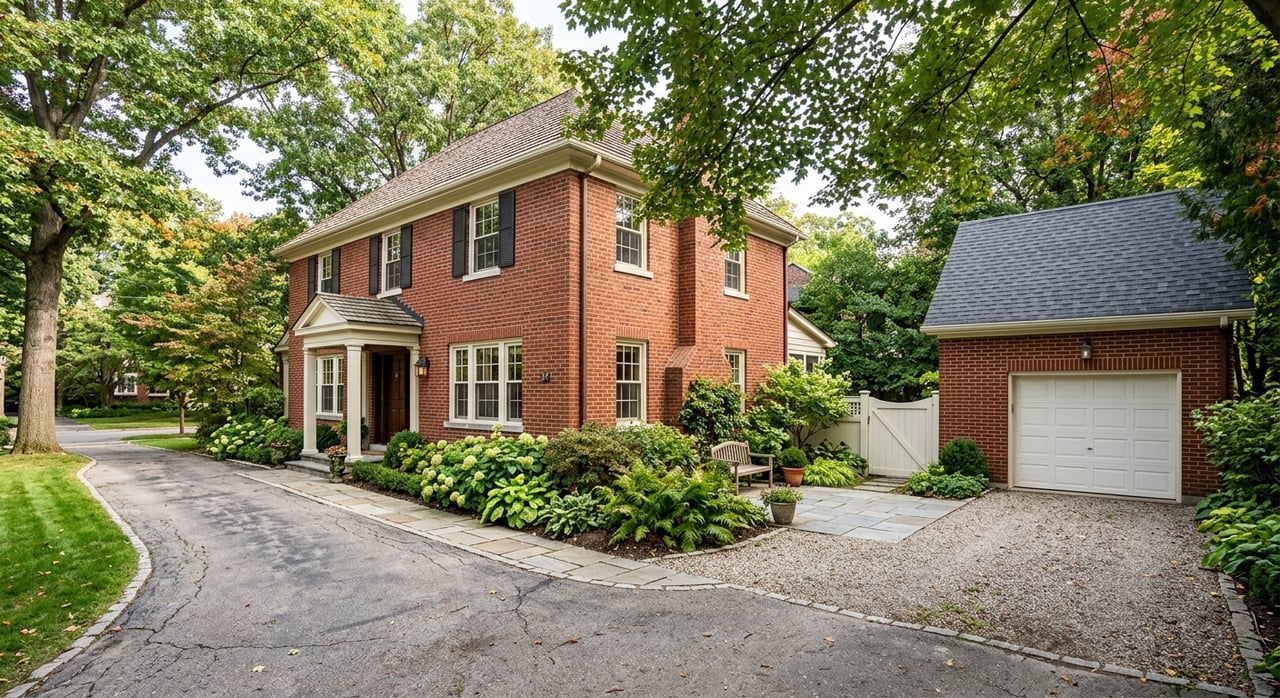
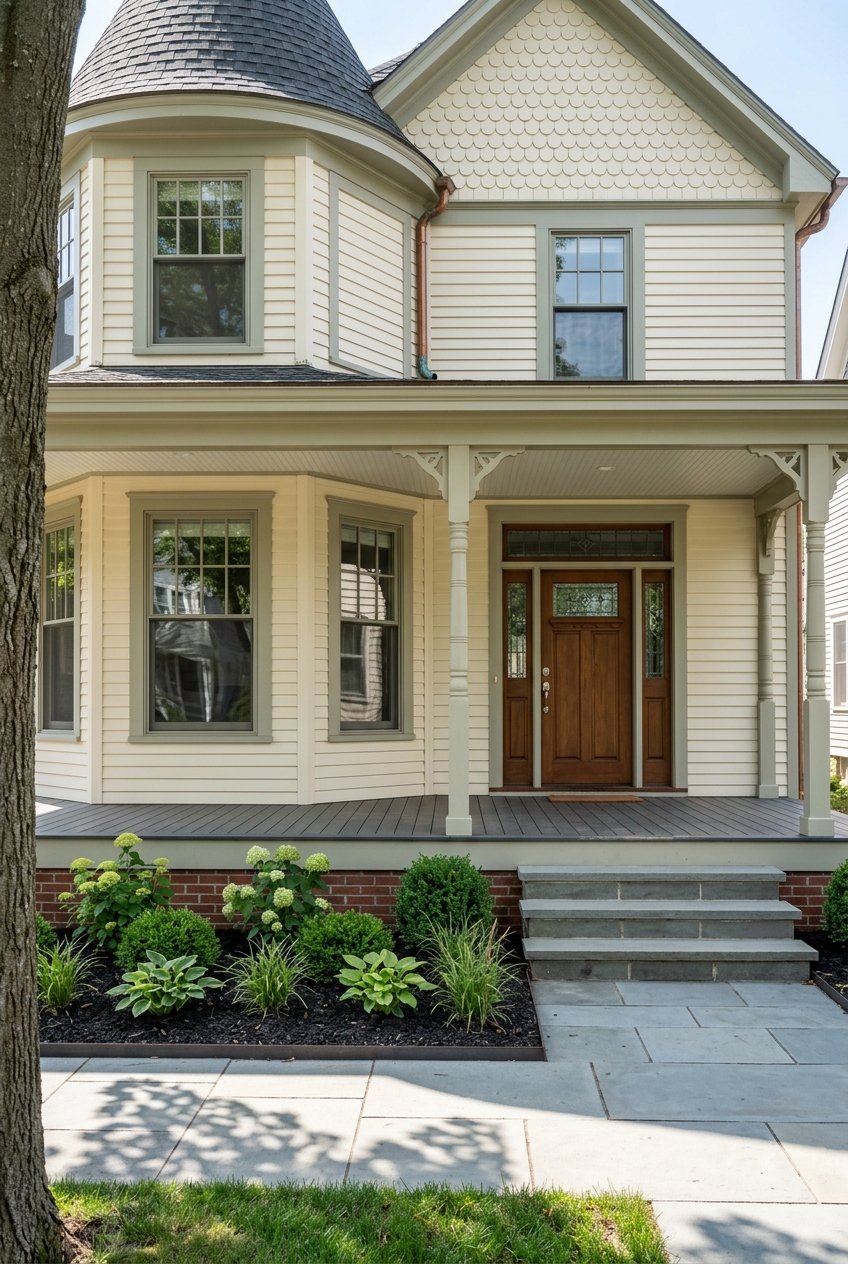
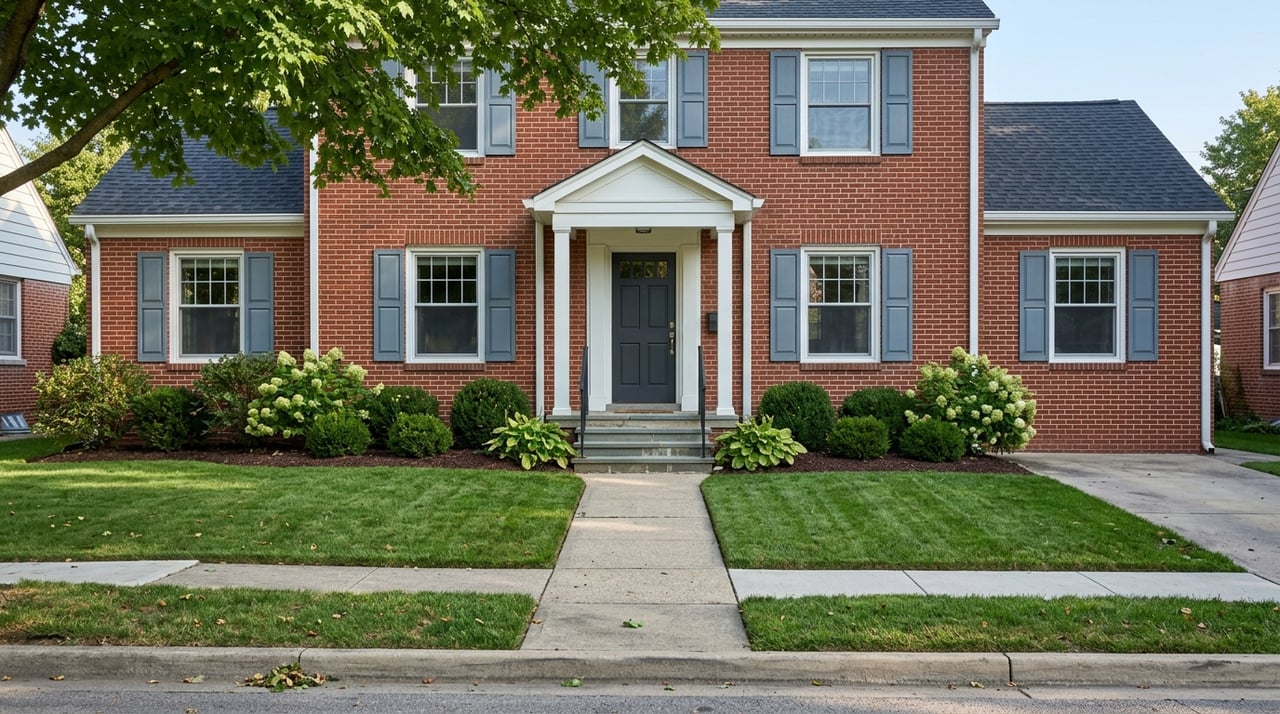
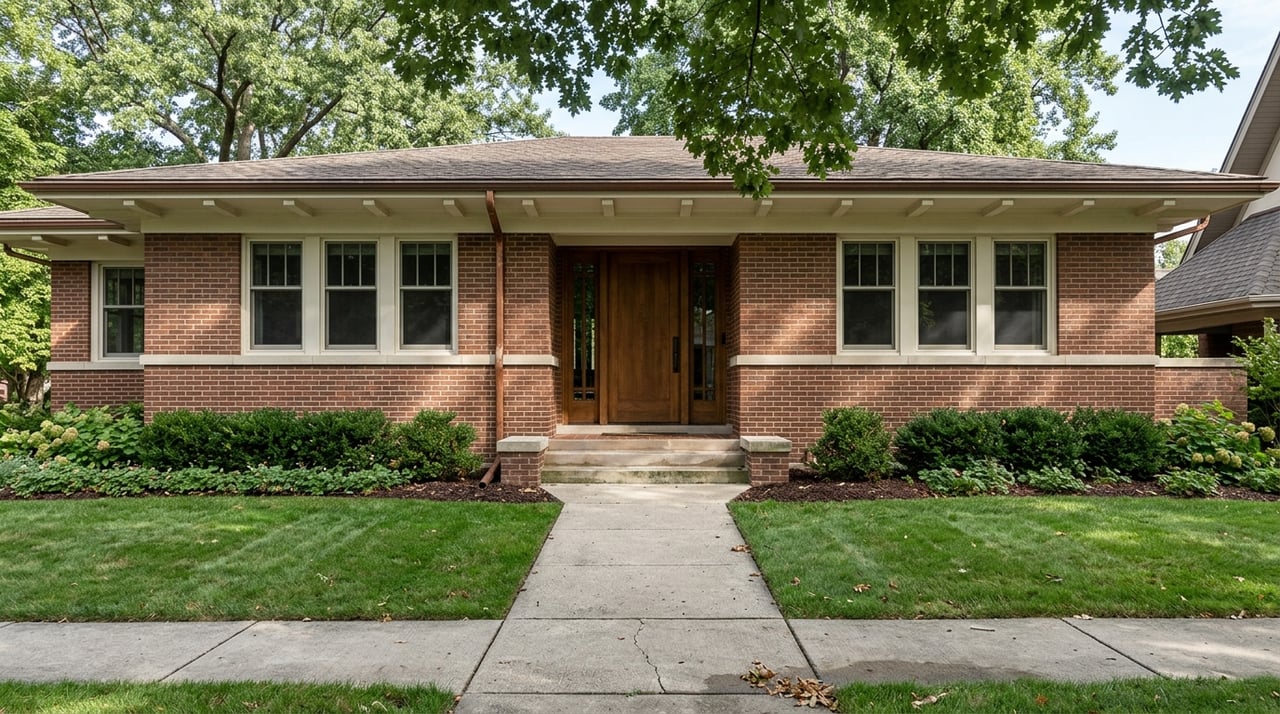
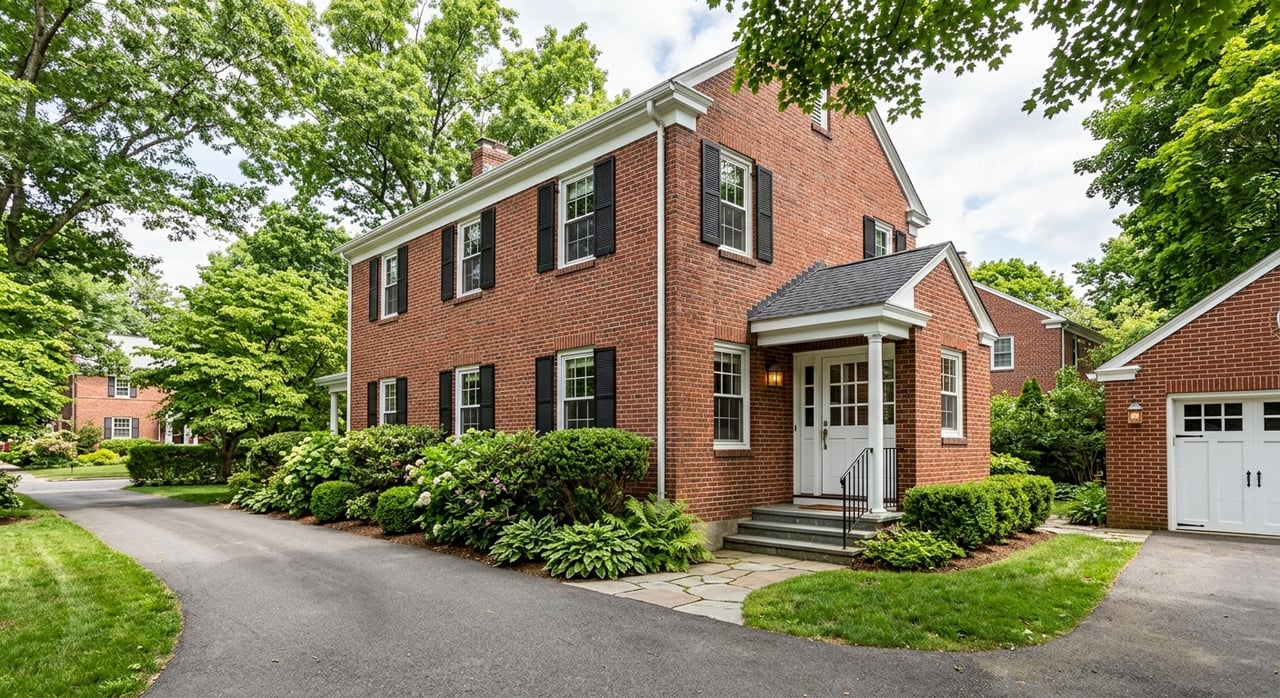
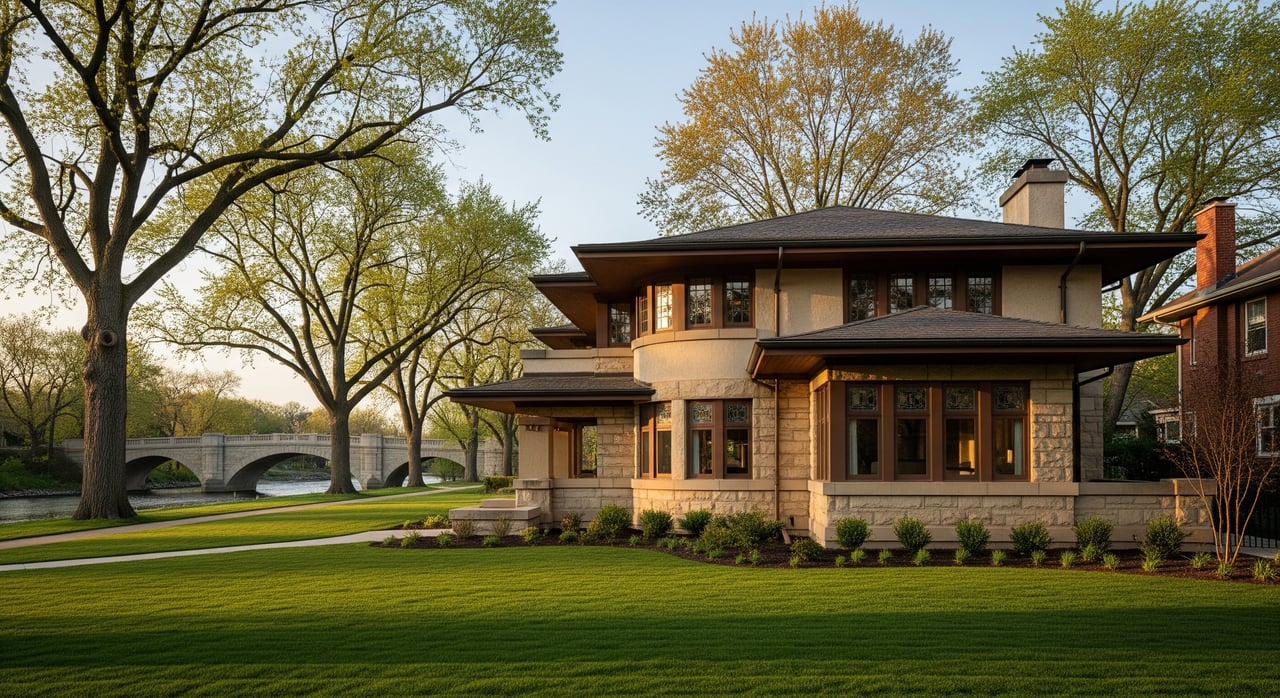
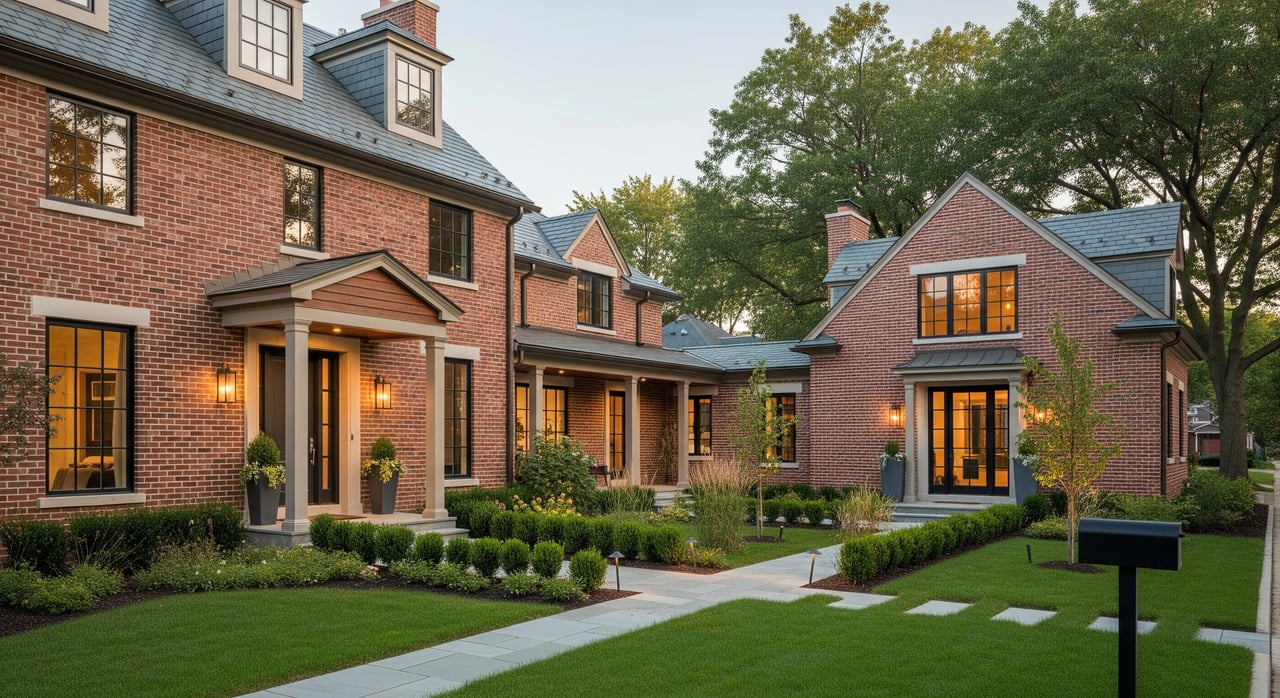
What makes Riverside especially unique is that preservation goes beyond individual homes. The village describes the area as a nationally significant planned community where public green spaces are part of the landmark landscape, and its architectural inventory includes notable civic buildings and homes connected to architects like Frank Lloyd Wright, Louis Sullivan, William Le Baron Jenney, Joseph L. Silsbee, and R. Harold Zook. You can explore more through the village’s overview of Riverside’s distinctive architecture.
Verify landmark status first
Before you focus on paint colors, kitchen ideas, or future additions, confirm whether the property is a local historic landmark. That step matters because Riverside’s Preservation Commission reviews Certificates of Appropriateness for local landmark buildings, and the village directs owners to Appendix D of the Preservation Ordinance or the Village Planner to verify status through its Preservation Commission resources.
This can shape what you can do to the exterior and how long future projects may take. Knowing that upfront gives you a much clearer picture of ownership costs, timelines, and renovation options.
Understand what work needs approval
If the home is a local landmark, some exterior work may require both a building permit and a Certificate of Appropriateness. The village says that work such as roof repair or replacement, tuckpointing, window repair or replacement, and additions may need preservation review when a permit is required.
The good news is that not everything is regulated in the same way. Riverside notes in its historic preservation FAQ that painting and interior work do not require additional preservation approval, and the commission does not regulate paint color.
The review process is also fairly specific. The commission uses the Secretary of the Interior’s Standards for Rehabilitation and considers historic character, neighboring context, visibility from public rights-of-way, and safety. Applications should be submitted at least 10 days before the next regular meeting, while in-kind repairs or replacements can be reviewed within 7 days.
Know which projects usually need permits
Historic-home buyers should also think beyond preservation review and look at general permit requirements. Riverside’s permit handout says permits are commonly needed for:
- Porches and decks
- Walks and patios
- Masonry and chimney work
- Siding replacement
- Window or door replacement
- Garages
- Additions
- HVAC replacement
- Many remodels involving framing, electrical, plumbing, or HVAC
By contrast, minor maintenance like painting, a small roof patch, or repairing a section of gutter or downspout usually does not need a permit. For you as a buyer, that means renovation plans should be discussed early, especially if you hope to update systems or make exterior changes soon after closing.
Make inspections more detailed
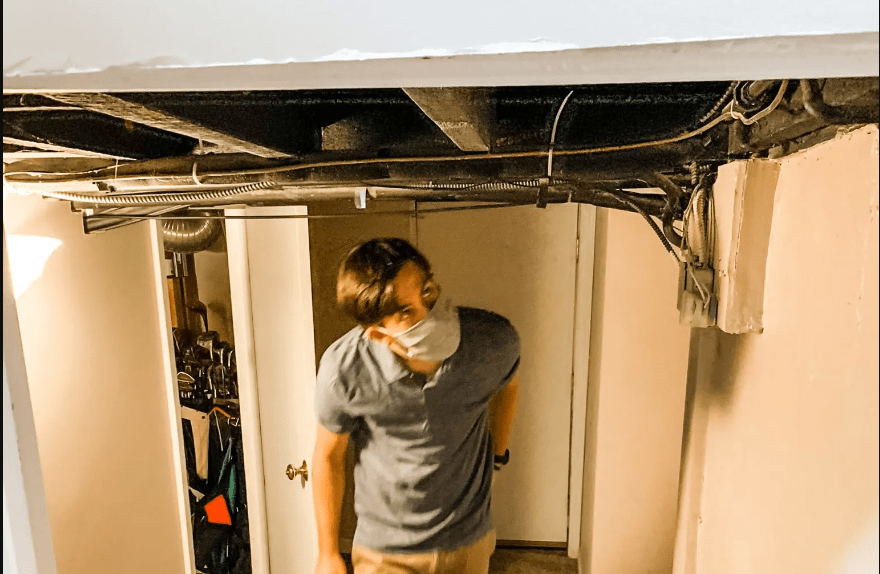
A historic home inspection should go beyond whether things work on the day of the visit. HUD’s homeownership guidance notes that with older homes, an independent inspector should evaluate the age and condition of major systems, such as plumbing and the water heater, not just immediate habitability.
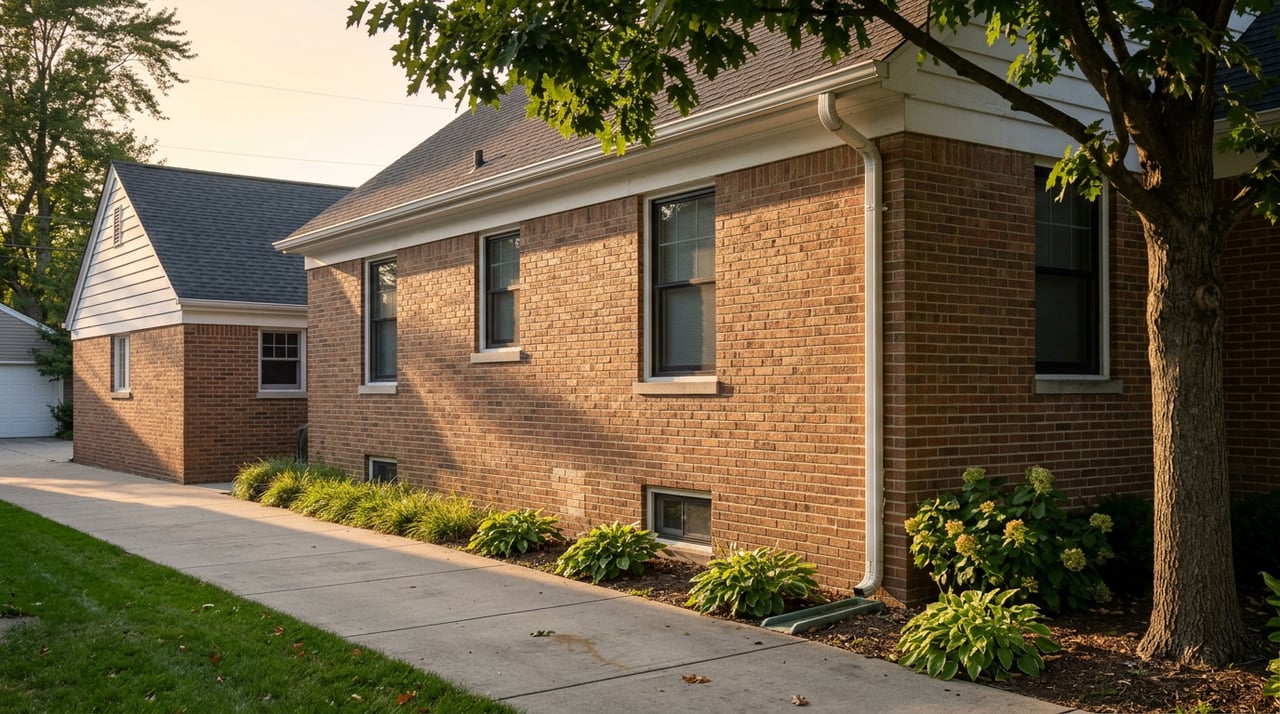
In Riverside, inspection priorities often include the roof, gutters and downspouts, masonry, foundation, windows and doors, plumbing, heating and cooling, electrical systems, and insulation. These areas tend to tell you the most about deferred maintenance, future costs, and how carefully the home has been updated over time.
According to the National Park Service guidance on moisture and building performance, historic houses can let in rain and damp air through missing mortar and cracks around windows and doors. The same guidance notes that ice dams can damage roofing materials and that gutters and downspouts should be kept in good repair, with roofs inspected at least annually.
Pay special attention to windows
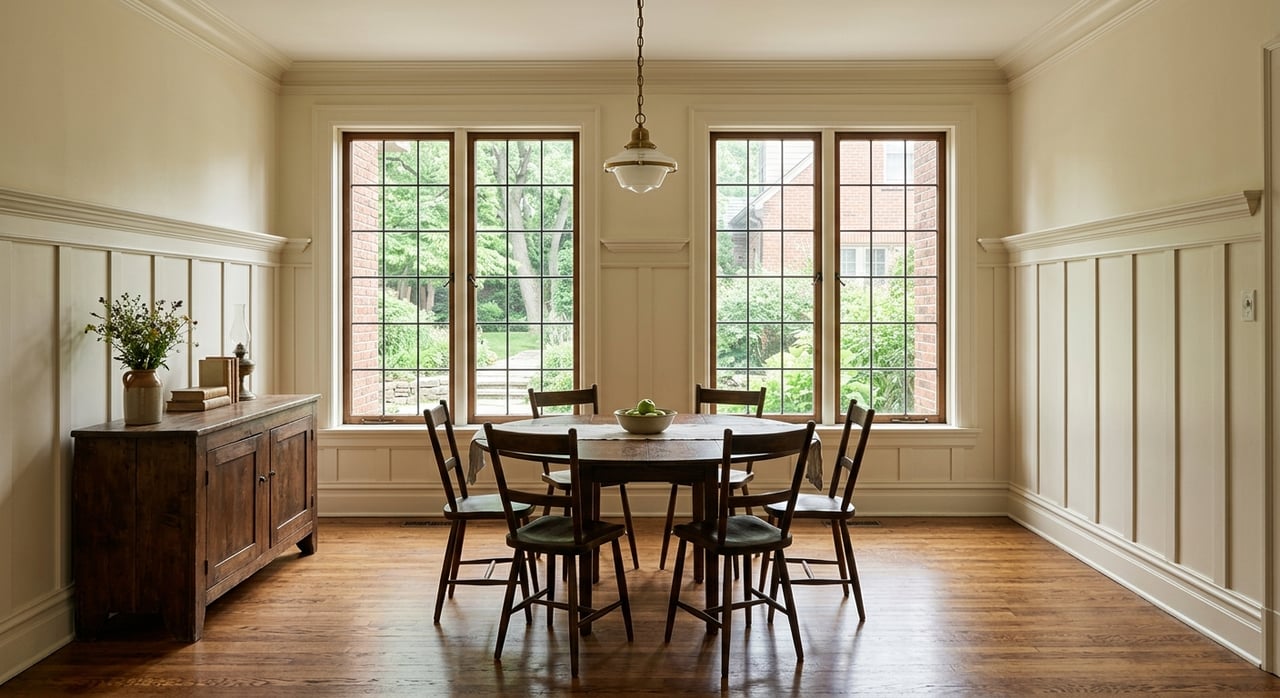
Windows are often one of the biggest decision points in a historic home purchase. They affect comfort, energy efficiency, maintenance, and long-term preservation.
The National Park Service says in its window evaluation guidance that deteriorated historic windows should be repaired rather than replaced when possible. When replacement is necessary, the new windows should match the original in design, color, texture, and materials.
That same guidance is useful for buyers because it pushes back on a common assumption. In many cases, energy performance can be improved with storm windows, weatherstripping, glazing, or sash work instead of full replacement. If a home has older windows, ask whether they have been maintained, restored, or replaced, and whether any work was done with permits if required.
Ask more questions about moisture and drainage
Riverside’s setting near the Des Plaines River makes drainage and moisture conversations especially important. The village has an active flood-risk mitigation project along the Des Plaines River, which is a good reminder to ask detailed questions about basement water history and site drainage.
That does not mean any specific home has water issues. It does mean you should ask practical questions such as:
- Has the basement ever taken on water?
- Were past water intrusion issues professionally repaired?
- How does the lot drain away from the house?
- Are there sump pumps or drainage improvements in place?
- Have gutters and downspouts been maintained and directed properly?
These questions can help you understand whether moisture concerns were addressed thoughtfully or simply covered cosmetically.
Do lead-safe due diligence
Because Riverside includes many late-19th- and early-20th-century homes, lead-safe planning matters. The EPA says older homes are more likely to contain lead-based paint and recommends assuming lead may be present in pre-1978 homes unless testing shows otherwise.
The EPA also advises using certified inspectors, risk assessors, and lead-safe certified renovators for relevant work. If you are buying a home that may need repairs, window work, or repainting with surface preparation, this is an important part of your renovation plan and budget.
Review permits before closing
One of the smartest things you can do as a buyer is request documentation early. Historic-home purchases usually go more smoothly when you assume you will need more records, more review, and more follow-up than you would with a newer house.
Before closing, ask for:
- Copies of prior permits
- Information about any open permits
- Contractor records for major work
- Details on roof, masonry, window, and system updates
- Documentation for past water intrusion repairs
This matters because Riverside requires a property transfer process and certificate of compliance. The village says no inspection is required for transfer, but open permits, unpaid citations, and code violations must be resolved before the deed is stamped.
Plan renovations with patience
If you are buying a historic home in Riverside with plans to improve efficiency or comfort, a measured approach usually works best. The National Park Service recommends weatherization strategies for historic buildings that have minimal impact on original design and materials.
A smart starting point is an energy audit, followed by targeted air sealing, caulking, weatherstripping, window and door repair, and carefully planned insulation. In other words, it is often better to improve performance thoughtfully than to replace features broadly and risk losing historic character.
That same principle can save you money and headaches. Buyers who understand the approval process, gather documentation early, and prioritize repairs in the right order usually have a smoother ownership experience.
A practical Riverside buyer checklist
If you want a simple way to organize your due diligence, start here:
- Verify whether the home is a local landmark
- Ask about open permits, unpaid citations, and code issues
- Review the condition of the roof, masonry, windows, and doors
- Ask about basement moisture, drainage, and sump pumps
- Confirm whether your planned exterior work would require preservation review
- Check the age and condition of plumbing, HVAC, electrical, and insulation
- Ask whether pre-1978 lead-safe testing or renovation practices have been used where relevant
Historic homes in Riverside can offer real beauty, character, and long-term appeal. They also reward buyers who go in with clear expectations, a careful inspection strategy, and a realistic renovation plan.
If you are considering a historic home in Riverside or another architecturally significant western suburb, working with a local team that understands older housing stock, municipal processes, and the nuances of these purchases can make the process much easier. When you are ready to talk through your goals, connect with The Anne Monckton Group.
FAQs
What should you check before buying a historic home in Riverside?
- Verify whether the property is a local historic landmark, review permit history, inspect major systems and exterior materials carefully, and ask about drainage, water intrusion, and planned renovations.
Does a local landmark home in Riverside need extra approval for exterior work?
- Yes. For local landmark homes, certain exterior work that requires a building permit may also require a Certificate of Appropriateness from Riverside’s Preservation Commission.
Do Riverside historic homes always need window replacement?
- No. National Park Service guidance says historic windows should often be repaired rather than replaced when possible, and performance may improve with storm windows, weatherstripping, or sash repairs.
What permit issues matter at closing for a Riverside home purchase?
- Riverside requires a property transfer process, and open permits, unpaid citations, and code violations must be resolved before the deed is stamped.
Why does moisture matter when buying an older home in Riverside?
- Older homes can have issues with mortar cracks, roof wear, drainage, and window or door leaks, and Riverside’s river setting makes it wise to ask detailed questions about basement water history and grading.