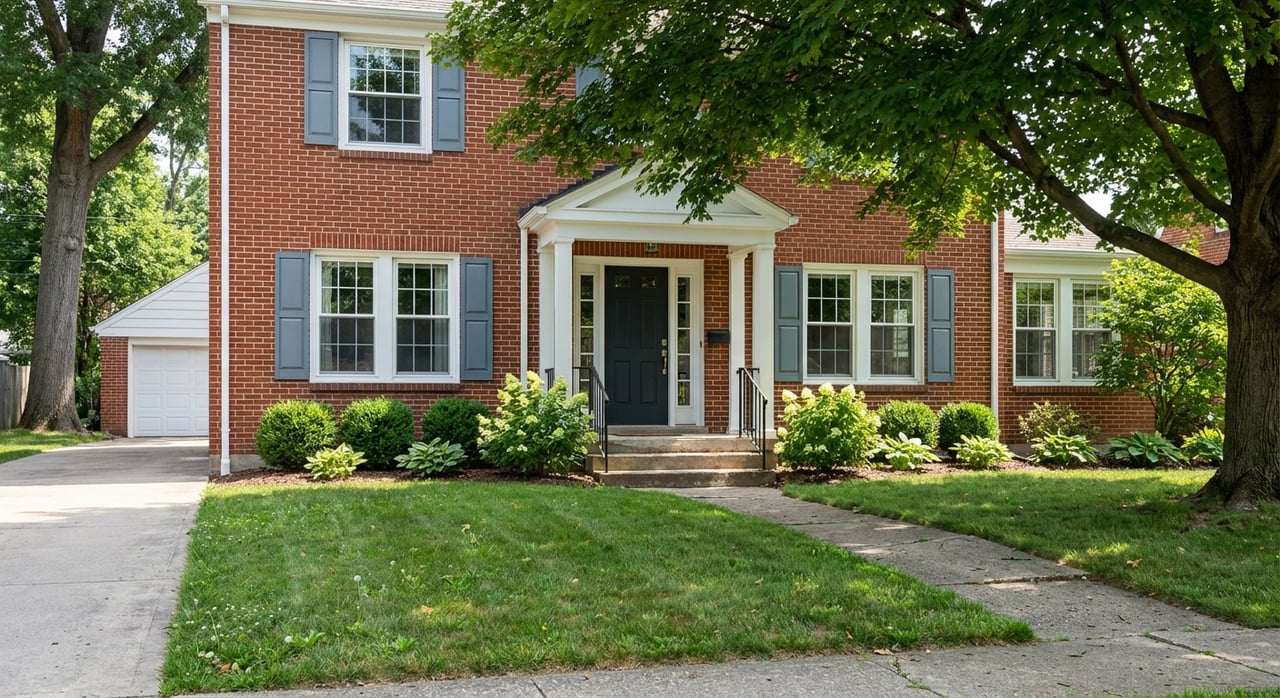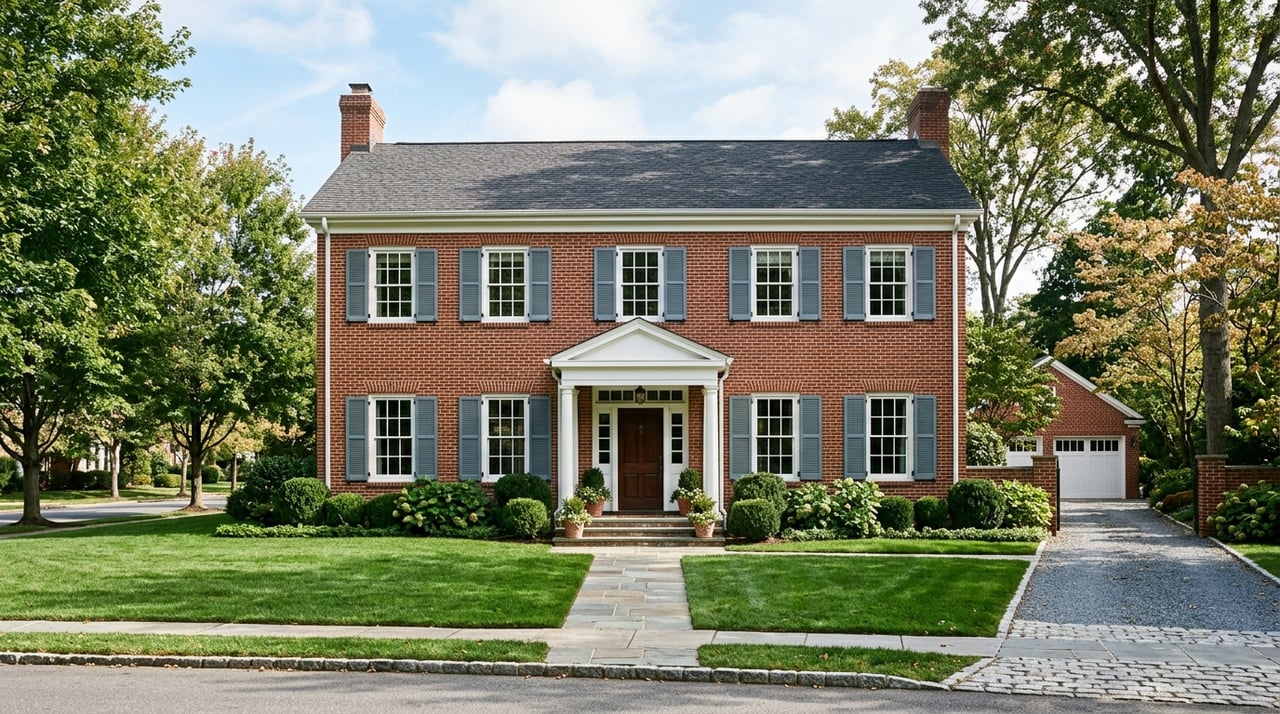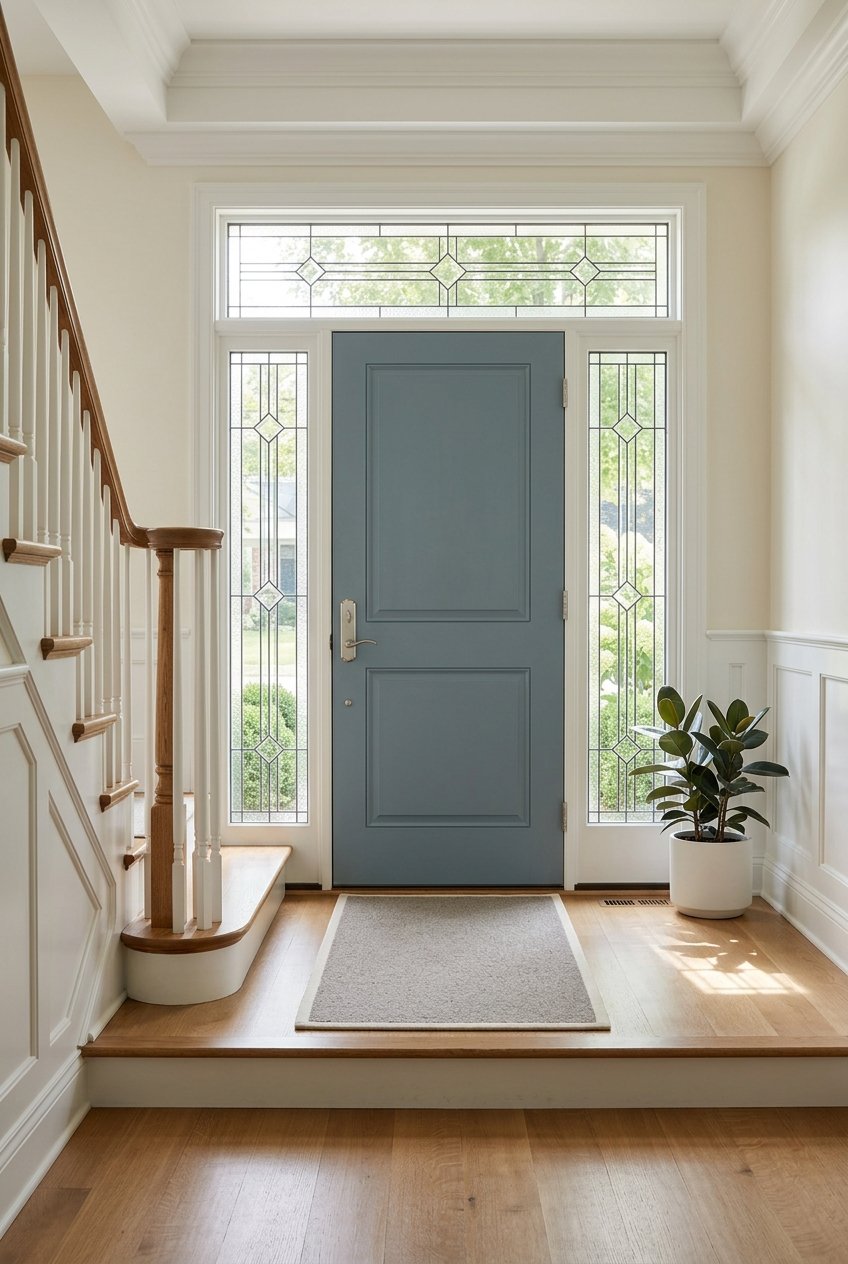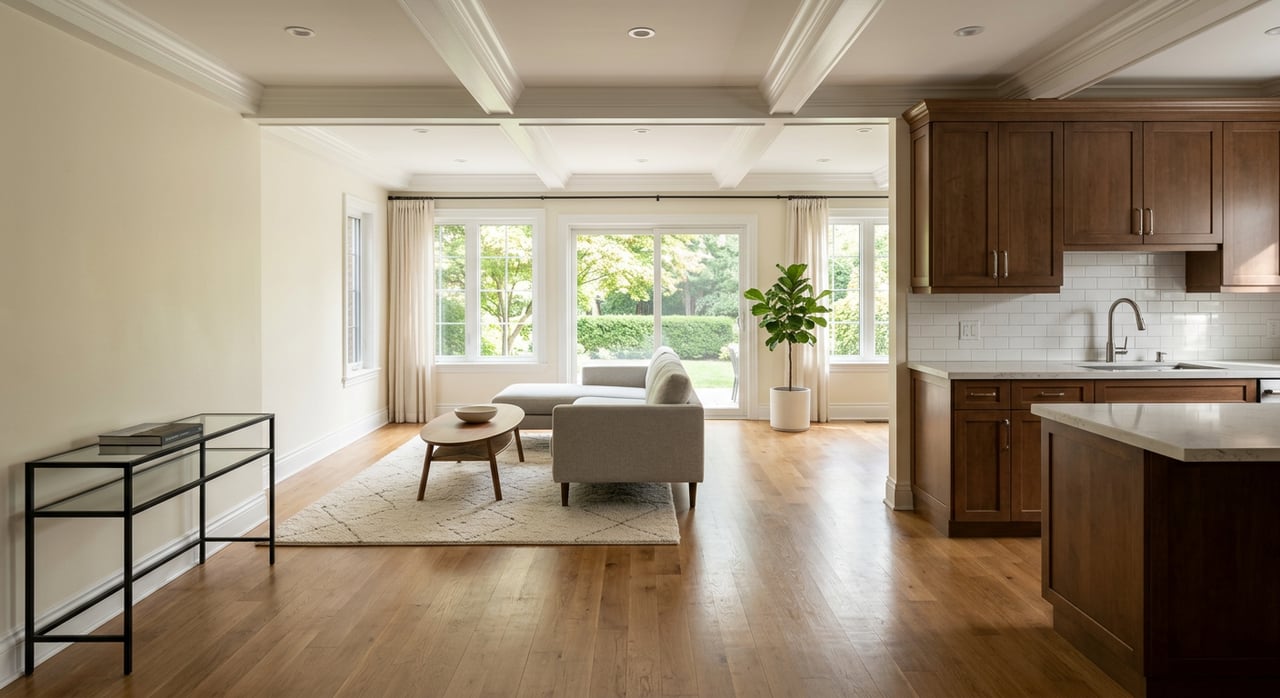
Wondering what kinds of single-family homes you’ll actually find in La Grange Park? This village offers more variety than many buyers expect, with everything from early-1900s character homes to postwar ranches and split-level houses. If you want to understand how the housing stock changes from block to block, this guide will help you spot the main styles, know what they usually feel like inside, and understand what to watch for as you tour. Let’s dive in.
La Grange Park Home Styles at a Glance
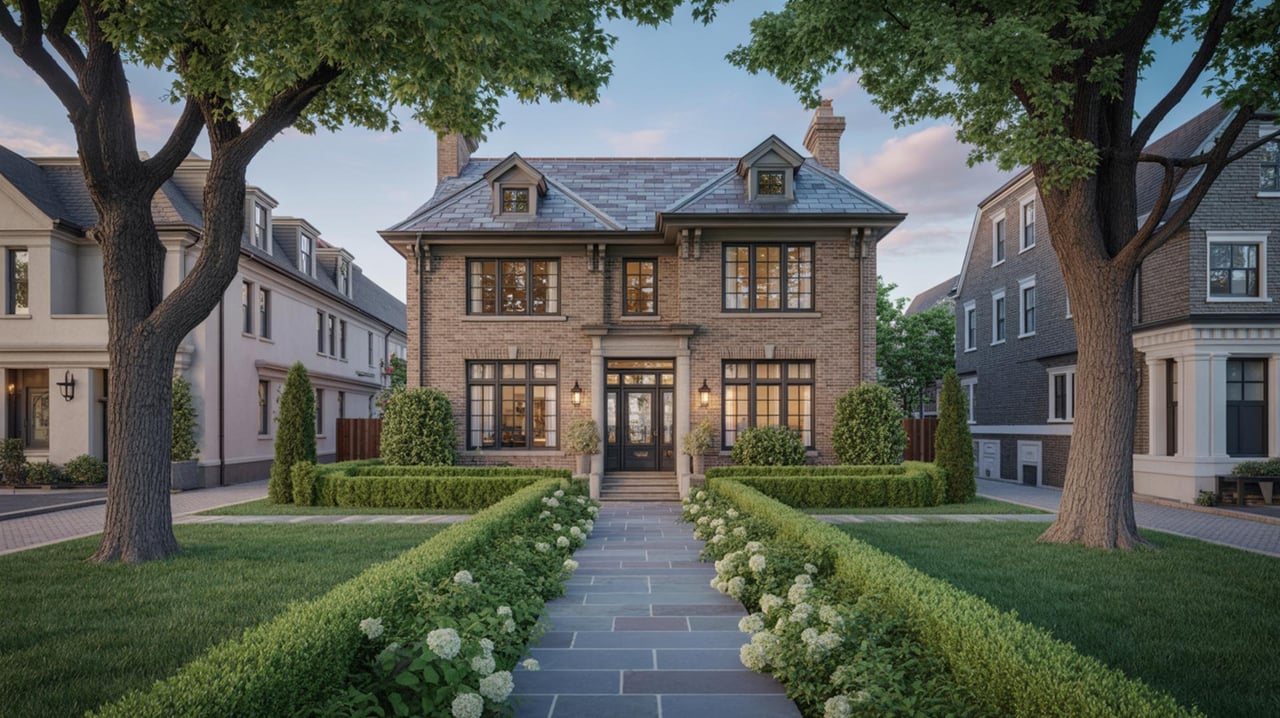
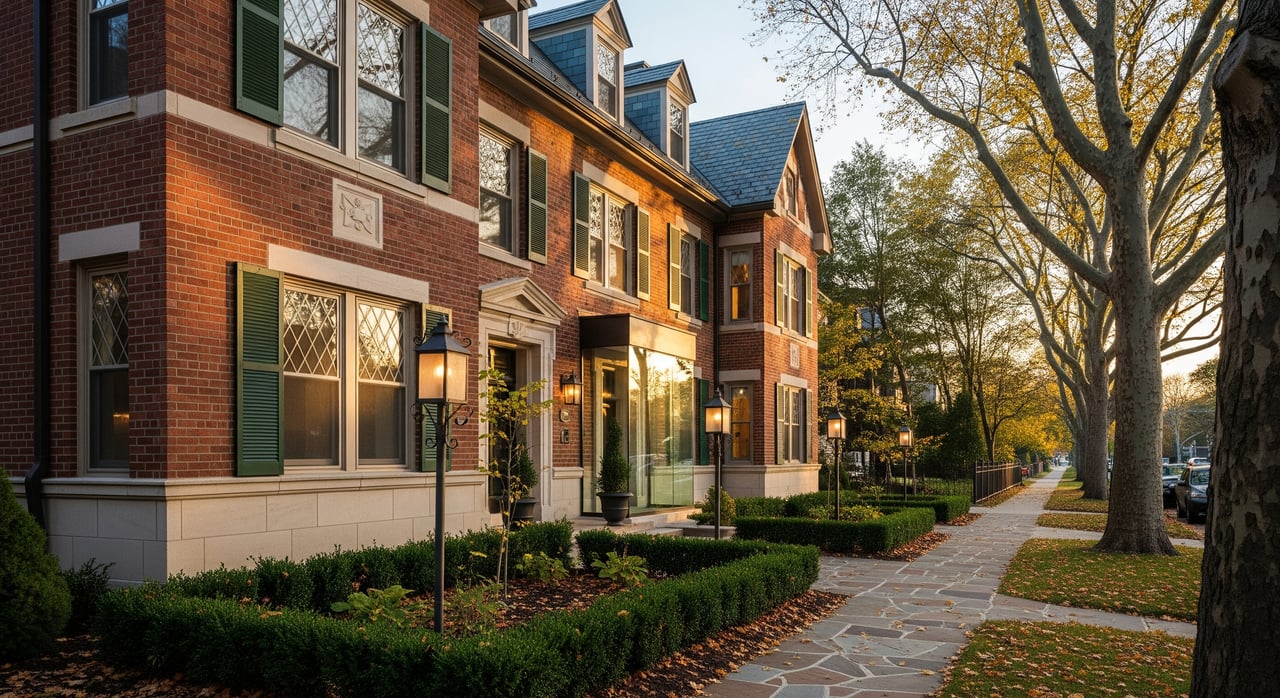
La Grange Park is best understood as a layered suburb rather than a one-style market. The village describes its housing stock as ranging from early-1900s homes to newer construction, with a general split between older homes on the west side and more postwar development on the east side.
A helpful shortcut is this: west of La Grange Road, you are more likely to see older Victorians, four-squares, Georgians, colonials, and farm-style homes. East of La Grange Road, you are more likely to find smaller brick houses, ranches, split-level homes, and many Joern homes from the 1940s through the 1960s.
That variety is part of what makes La Grange Park appealing. You can compare very different styles of single-family living within a relatively compact, walkable village.
Victorian and Queen Anne Homes
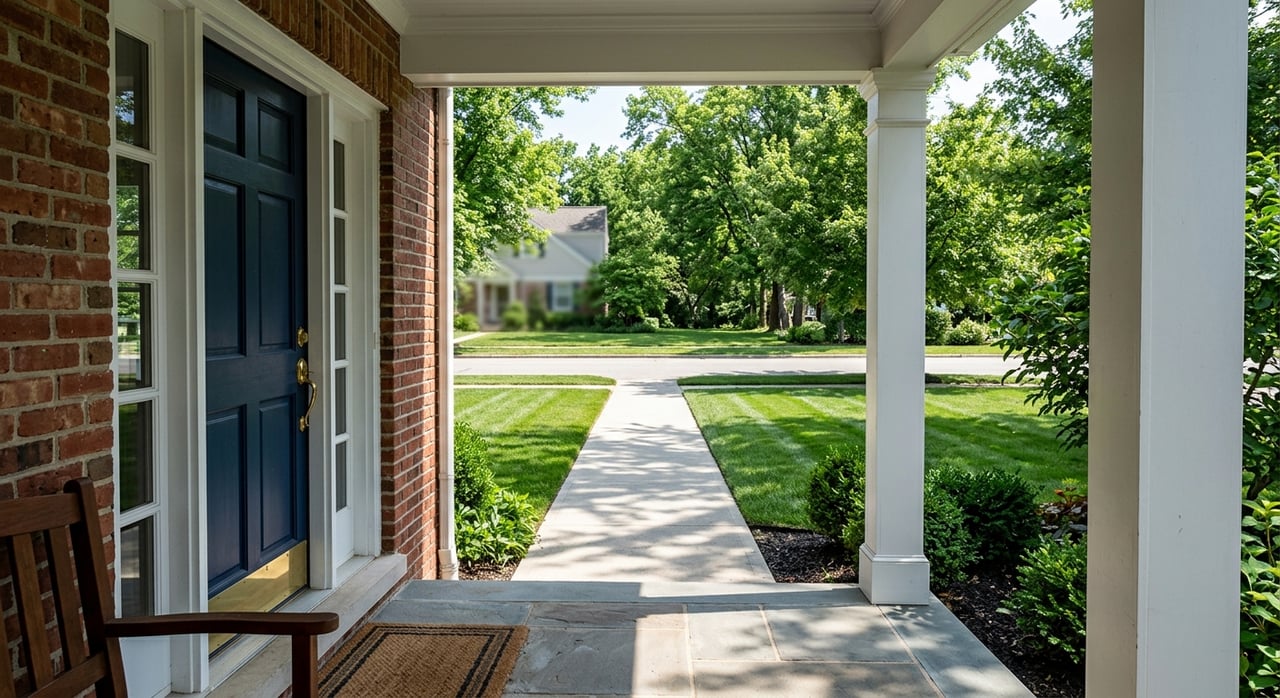
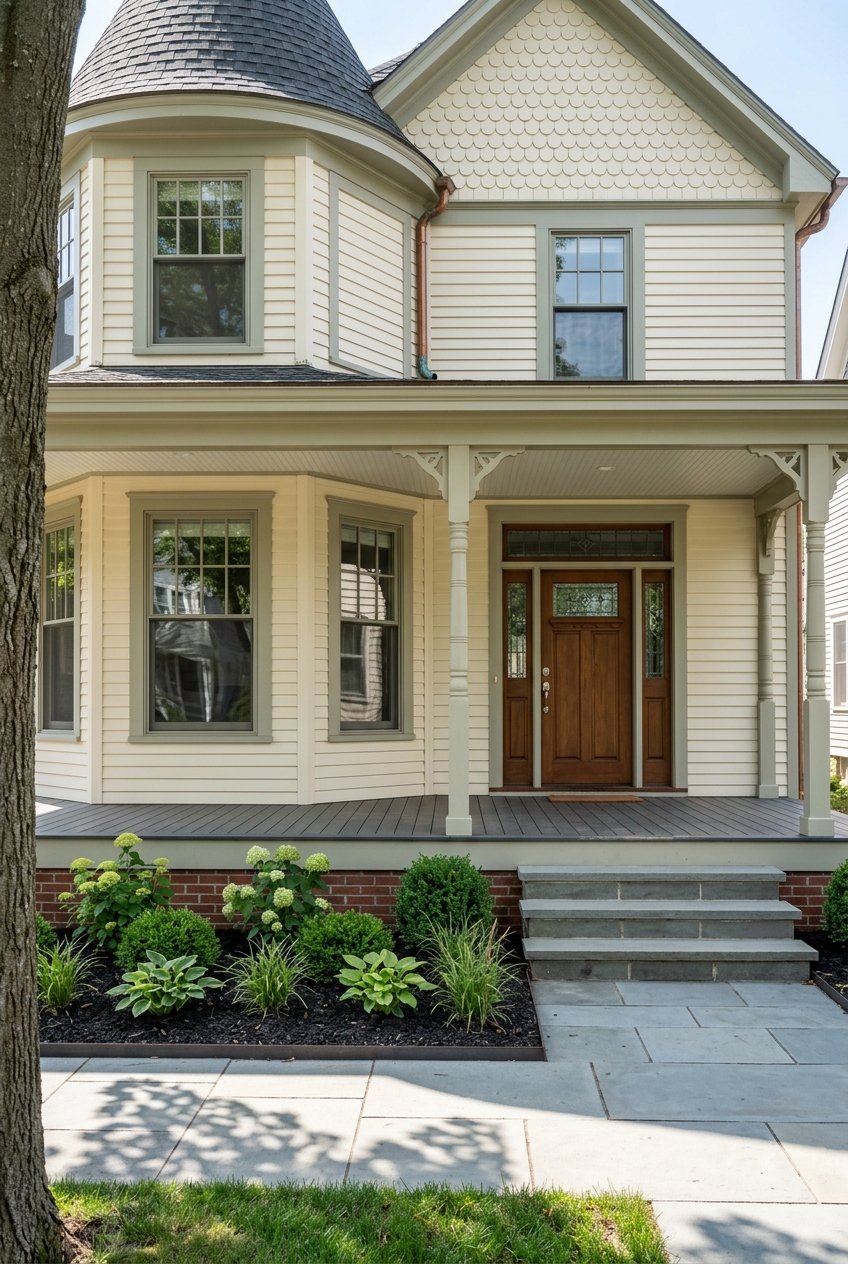
If you love older homes with standout curb appeal, Victorian-era houses are some of the most recognizable in La Grange Park. These are most closely tied to the older west-side neighborhoods, where large porches and more ornate street views help define the character of the block.
How to spot them
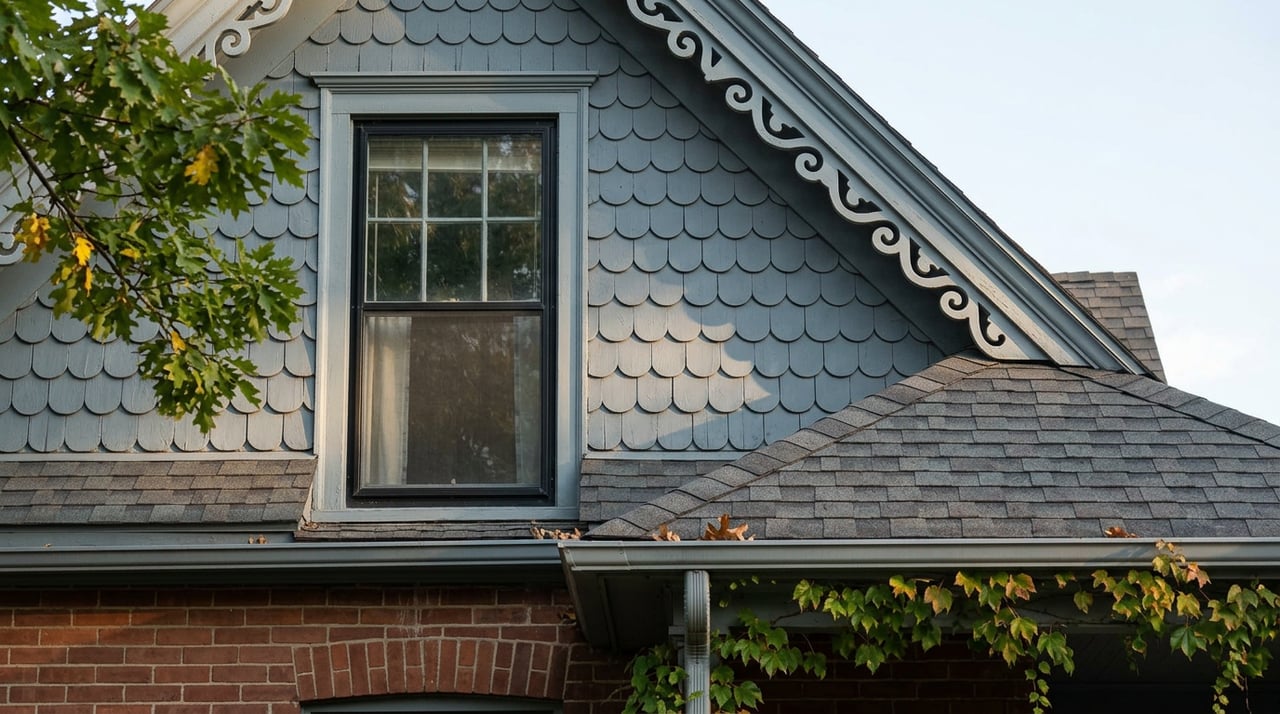
Victorian and Queen Anne homes often feature:
- Asymmetrical shapes
- Complex rooflines
- Turrets or dormers
- Decorative shingles
- Stained glass
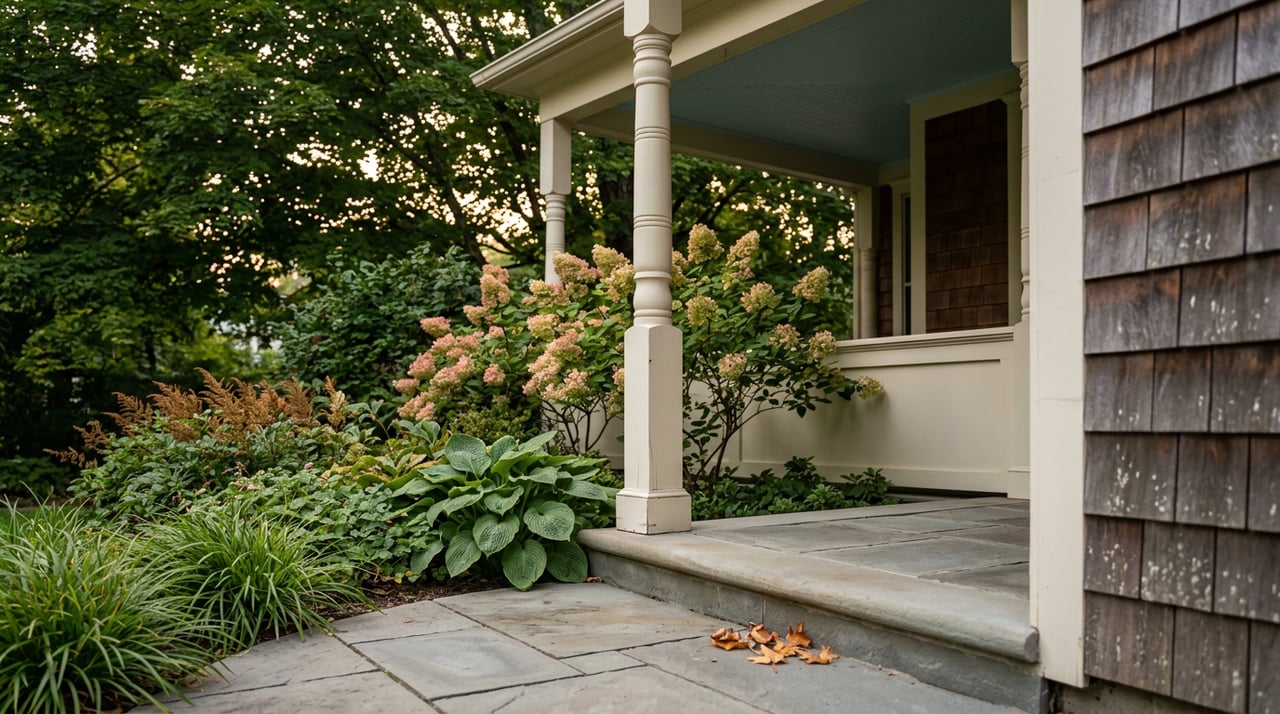
- Front porches with spindlework or trim
These homes tend to have a strong visual presence from the street. In a village known for porch-oriented living, that front-facing character can feel especially fitting.
What they usually feel like inside
Inside, Victorian-era homes are often more formal and compartmentalized than later suburban homes. Staircases tend to play a central role, and rooms may feel more separated rather than fully open to one another.
For some buyers, that layout adds charm and definition. For others, it means thinking carefully about where updates or reconfigurations might make everyday living easier.
Bungalows, Craftsman, and Arts and Crafts Homes
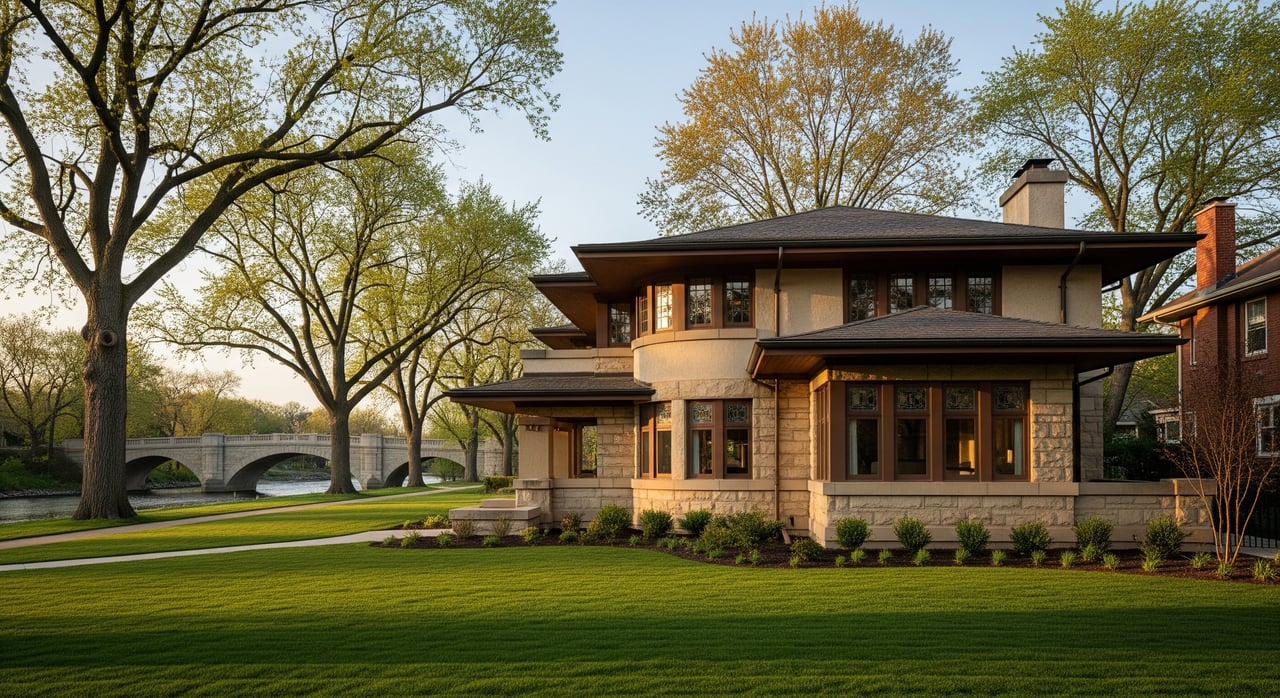
Bungalows are another style you are likely to see in La Grange Park. The village also specifically identifies Arts and Crafts and Craftsman homes as part of its local architectural mix.
What defines this style
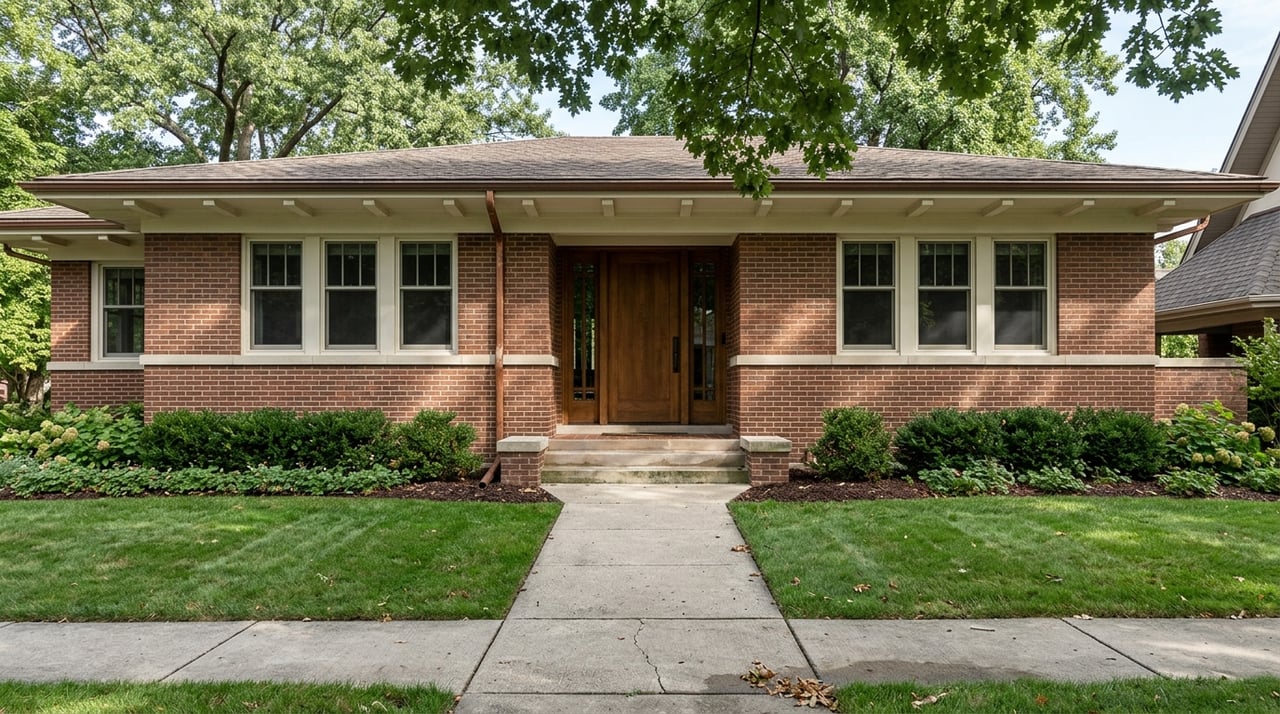
In the Chicago area, bungalows are usually 1 to 1.5 stories and built for efficiency on smaller lots. Common features include:
- Low-pitched roofs
- Deep overhanging eaves
- Strong horizontal lines
- Grouped windows
- A substantial front porch
- Brick, stucco, or wood exteriors
These homes often make smart use of space. Many include first-floor bedrooms and attic areas that may be finished later.
Why buyers still like them
Bungalows and Craftsman-style homes often hit a sweet spot between character and practicality. They usually offer architectural detail without feeling overly formal, and they can adapt well to thoughtful updates over time.
In many cases, buyers explore modest kitchen enlargements, attic buildouts, or lower-level finishing. The strongest updates usually keep the original roofline, porch, and eaves intact.
American Foursquare, Colonial Revival, and Georgian Homes
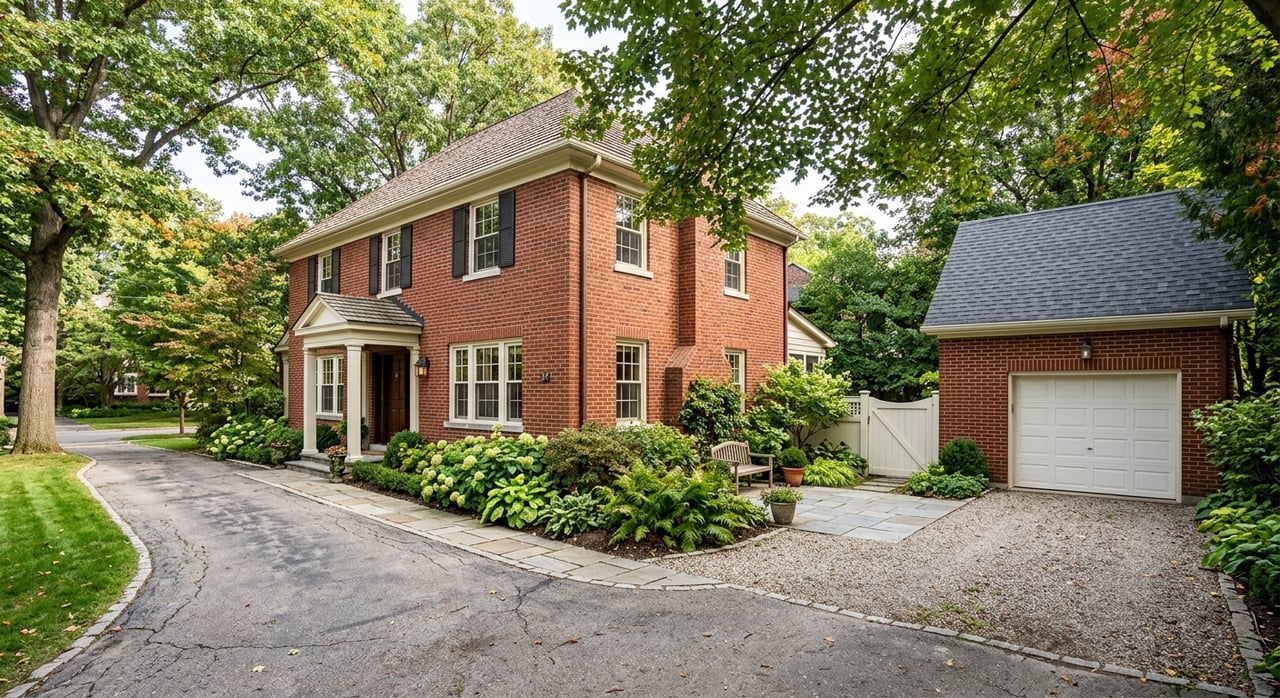
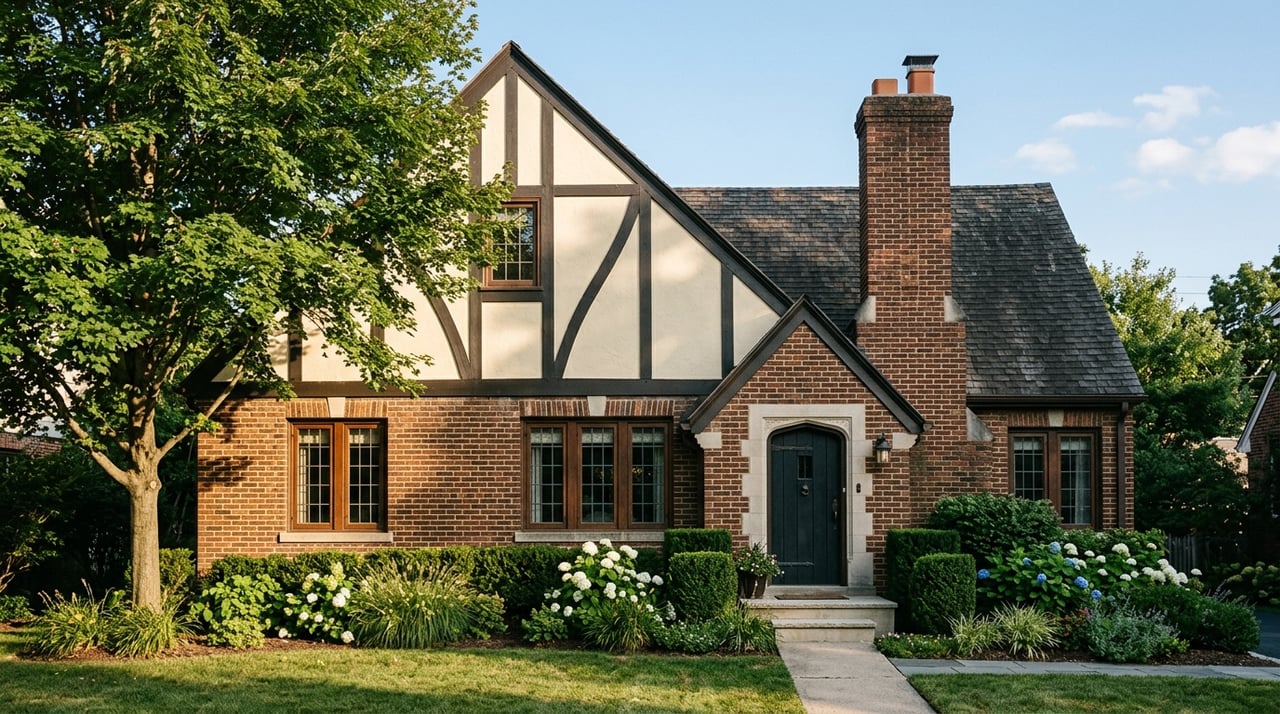
If your taste runs more classic and symmetrical, La Grange Park also offers several styles with a more balanced, formal look. On the west side especially, four-squares, colonials, and Georgians are part of the village’s older housing mix.
American Foursquare basics
The American Foursquare is often one of the easiest styles to recognize. It is typically cube-shaped, practical, and less ornate than a Victorian home.
You will often see:
- A boxy overall form
- Four main rooms on the first floor
- A hipped or cross-gable roof
- A simple front porch
- Minimal exterior ornament
For buyers who want an older home with a straightforward layout, a Foursquare can be an appealing option.
Colonial Revival and Georgian features
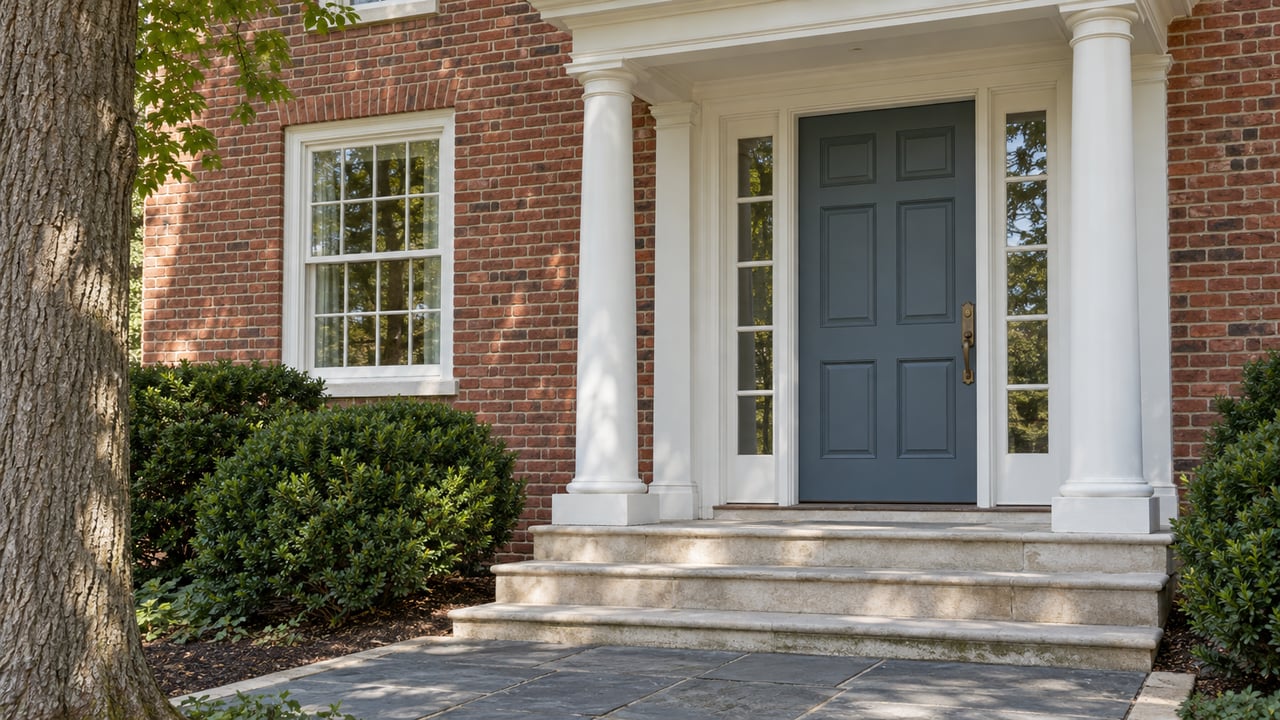
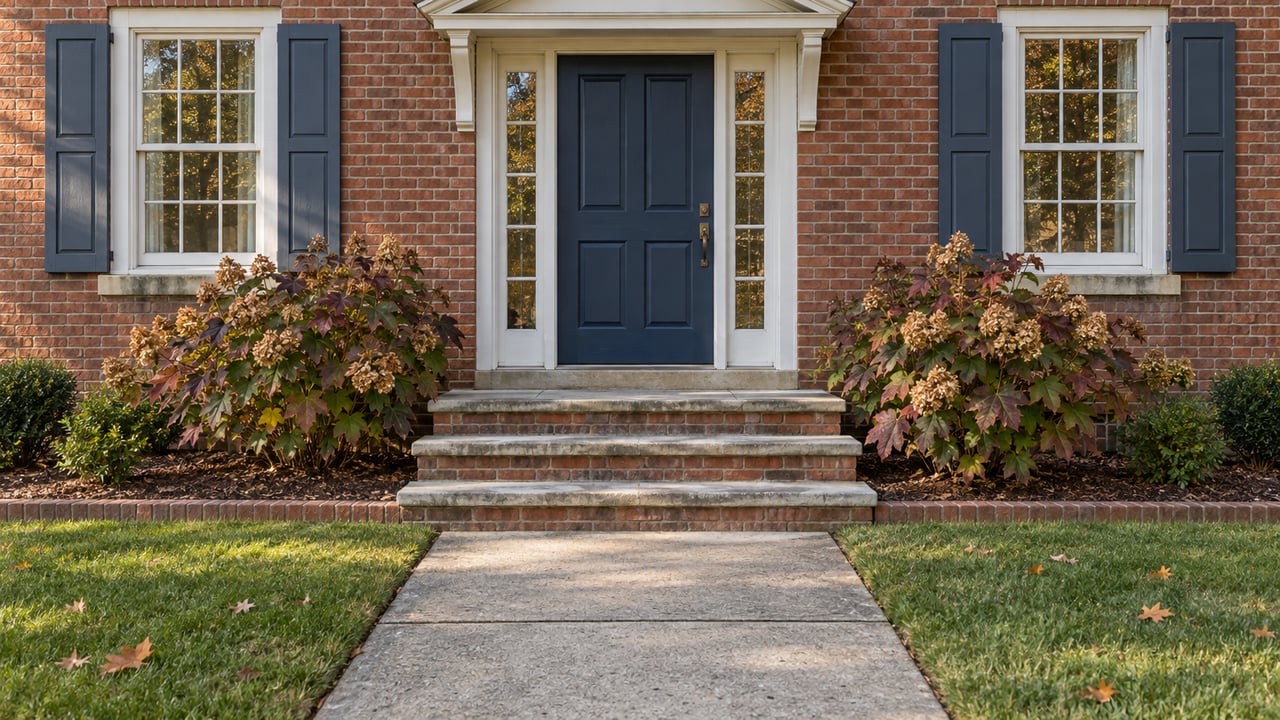
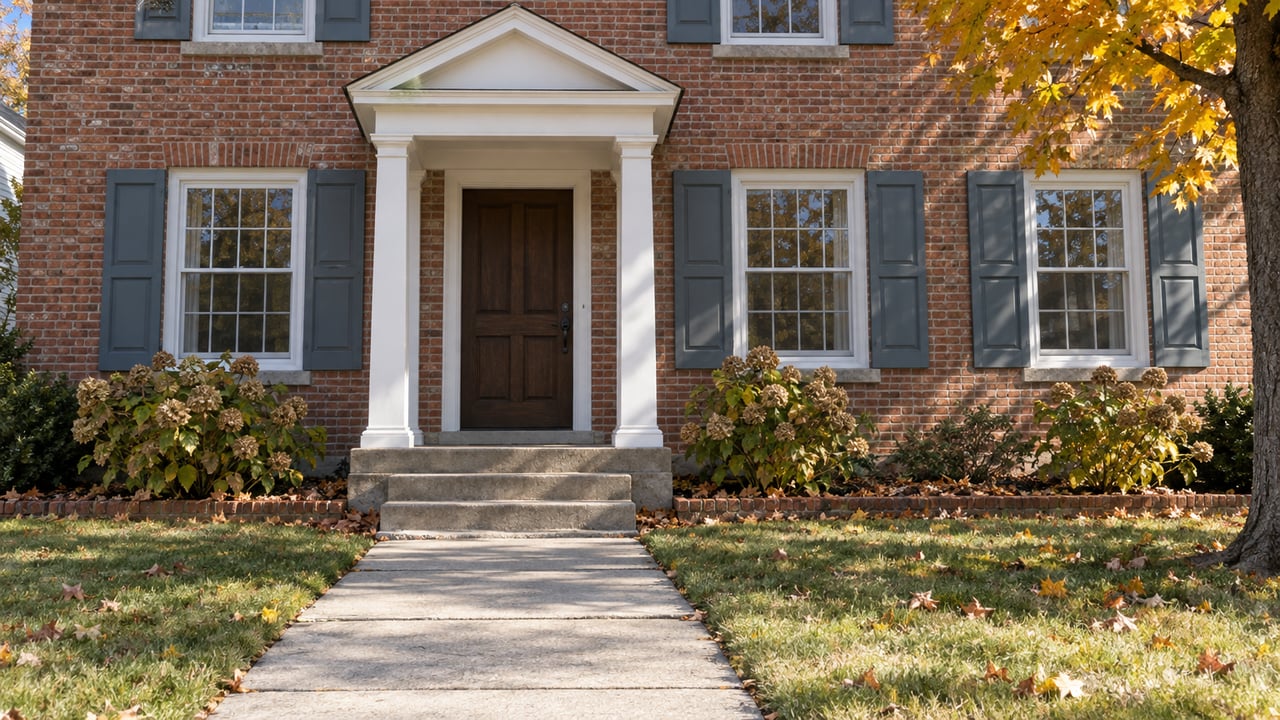
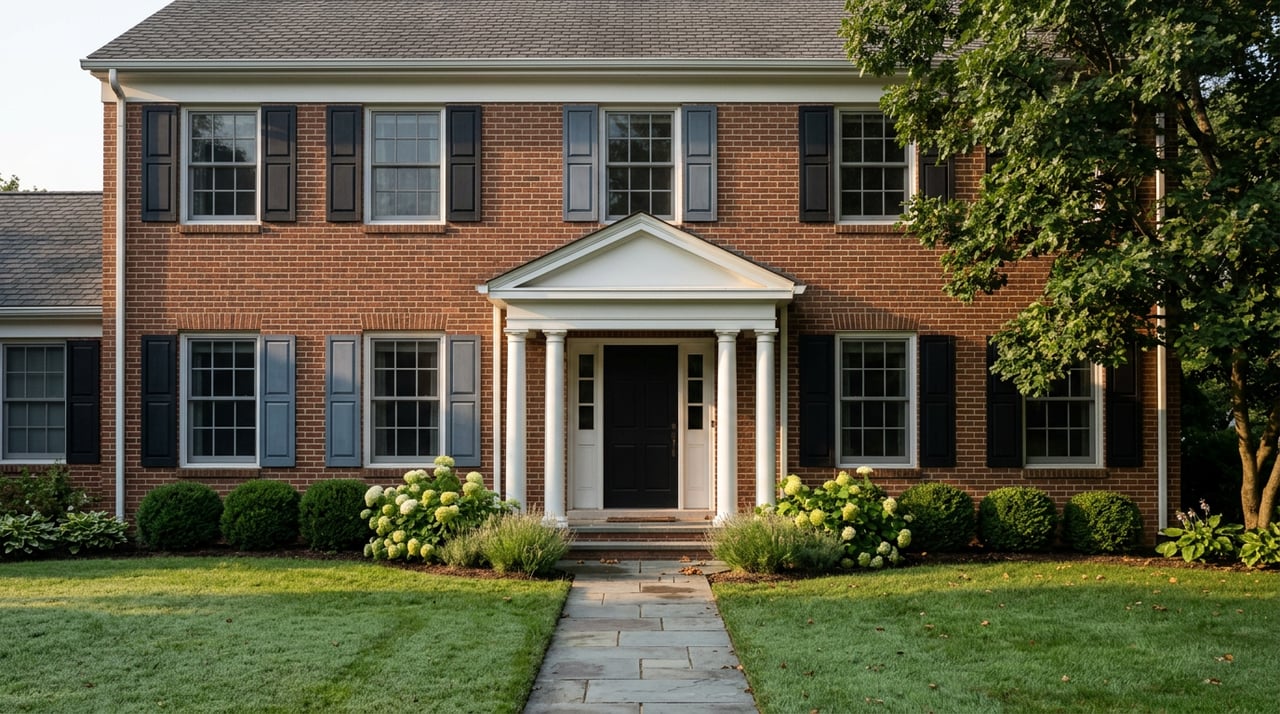
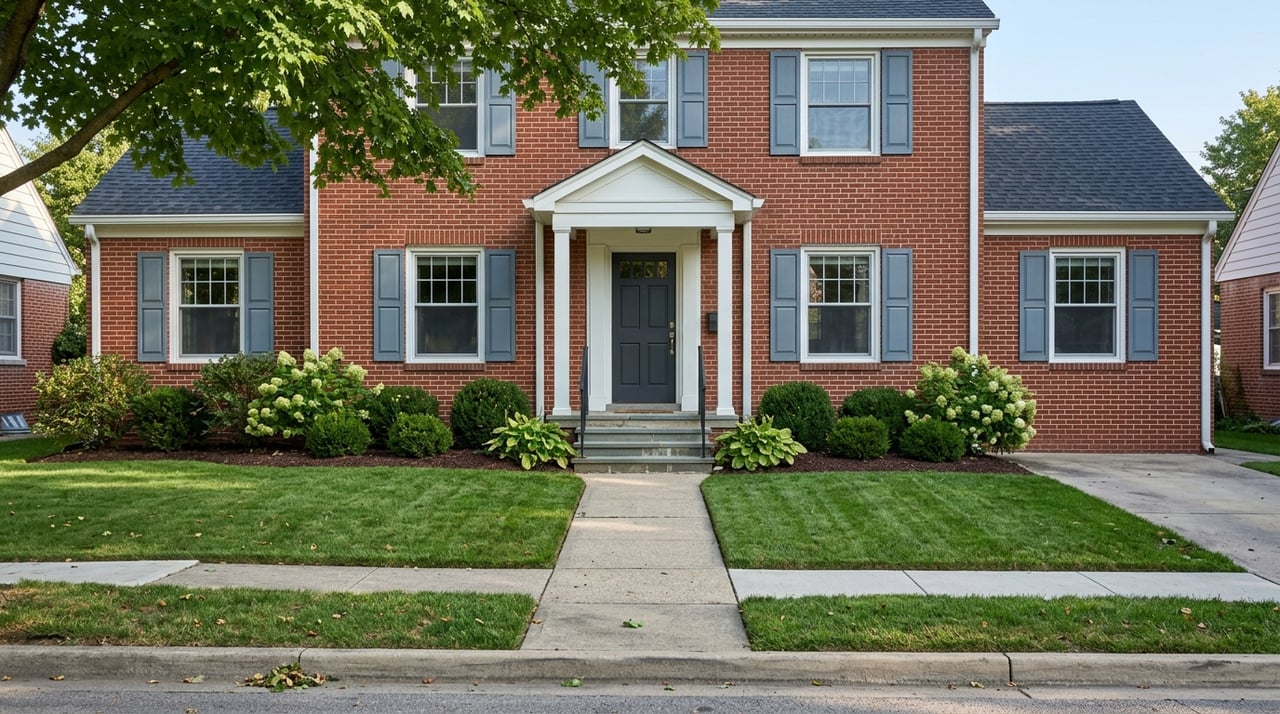
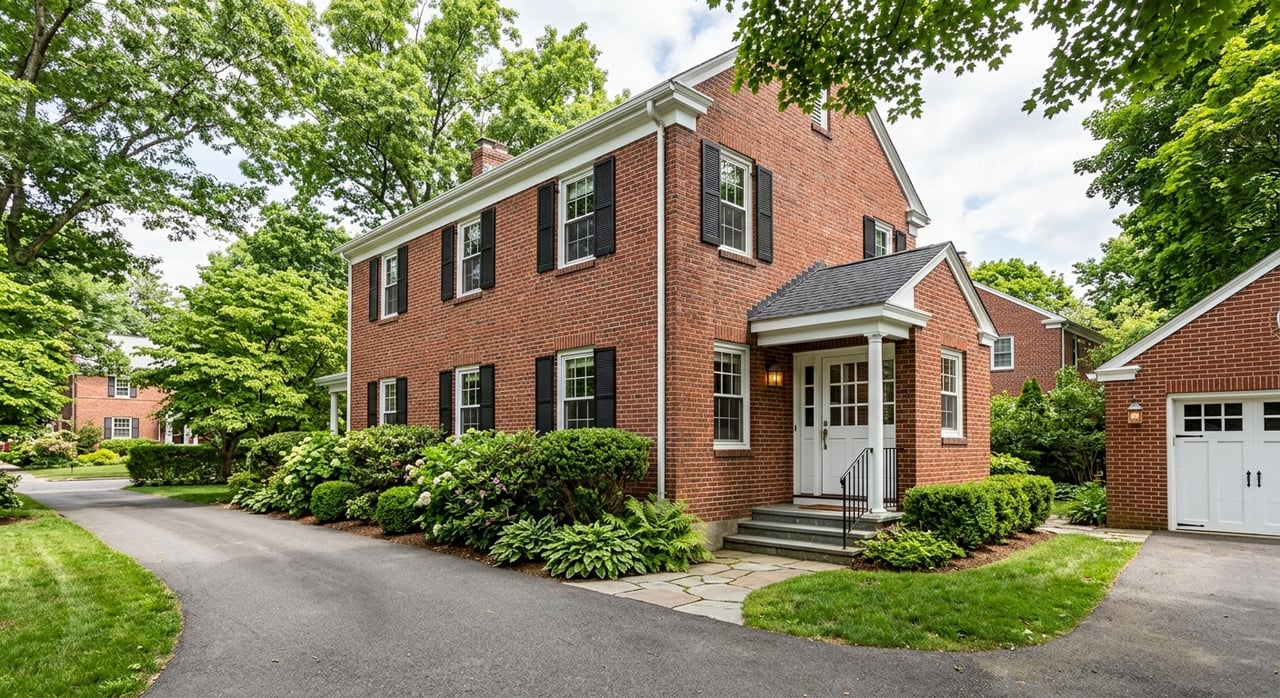
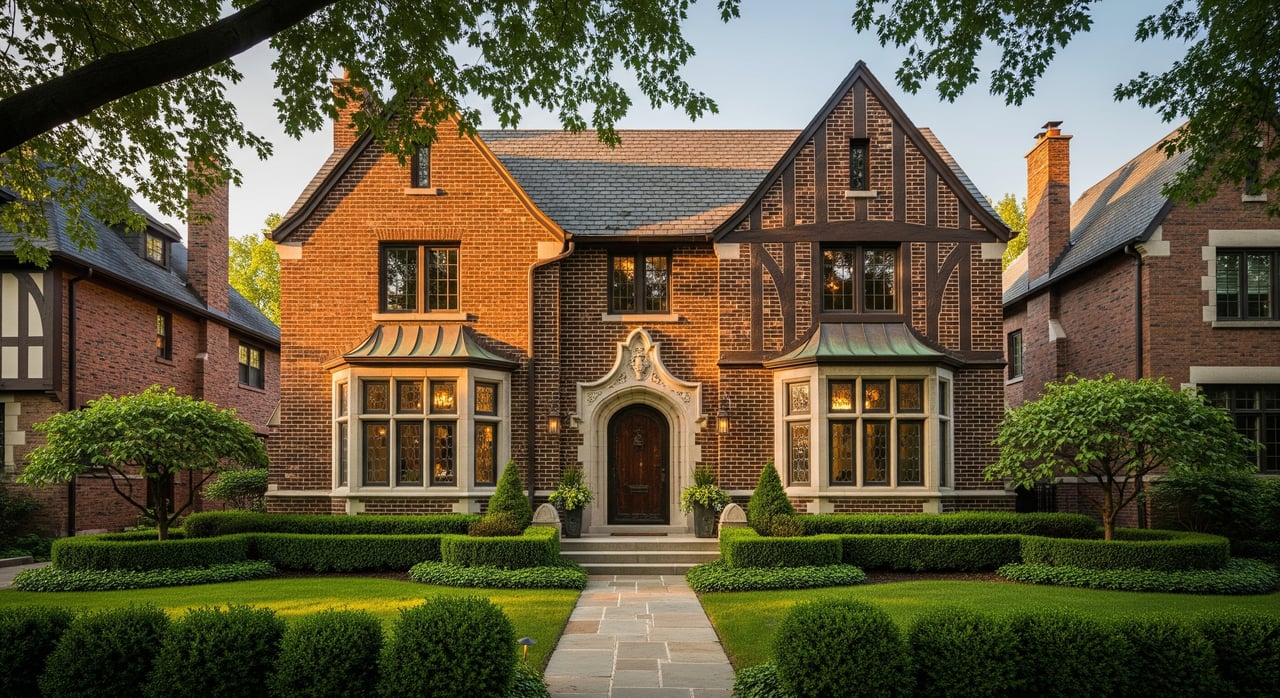
Colonial Revival and Georgian homes usually emphasize symmetry and proportion. Common exterior details may include:
- Centered front entries
- Symmetrical window placement
- Columns or pilasters
- Pronounced porches
- Fanlights or Palladian-style windows
These homes often read as polished and orderly from the curb. Inside, their room arrangements can be easier to rework than some earlier styles, especially when updates are planned with the front façade and original massing in mind.
Joern Homes, Ranches, and Split-Levels
If you are looking for a more mid-century or postwar feel, La Grange Park has that too. The village identifies many Joern homes as a local signature, dating from the 1940s through the 1960s.
On the east side of the village, postwar development is a defining part of the housing stock. This is where you are more likely to see split-level ranches and smaller brick houses built after World War II.
Ranch home characteristics
Ranch homes are generally low, horizontal, and usually one story. Buyers often notice:
- Low-pitched roofs
- Wide eaves
- Large windows
- Attached garages
- A more casual indoor-outdoor feel
These homes can be a strong fit if you want simpler circulation and less separation between daily living spaces.
Split-level home characteristics
Split-level homes keep the low roofline of a ranch but divide living space across staggered levels. That design often creates distinct zones for living, sleeping, and utility space without requiring a full two-story layout.
For many buyers, split-level homes offer a practical middle ground. They can feel efficient, functional, and easier to adapt to modern living without major exterior changes.
West Side Versus East Side
One of the most useful ways to picture La Grange Park is to think in terms of west and east. While every block is different, the village’s own planning documents describe a general pattern that can help you narrow your search.
West of La Grange Road
On the west side, you are more likely to find older character homes, including:
- Victorian homes
- Queen Anne influences
- American Foursquares
- Colonial and Georgian homes
- Farm-style homes
These houses often have more visible architectural detail, front porches, and a more formal or compartmentalized interior layout.
East of La Grange Road
On the east side, you are more likely to see homes built after World War II, including:
- Ranch homes
- Split-level houses
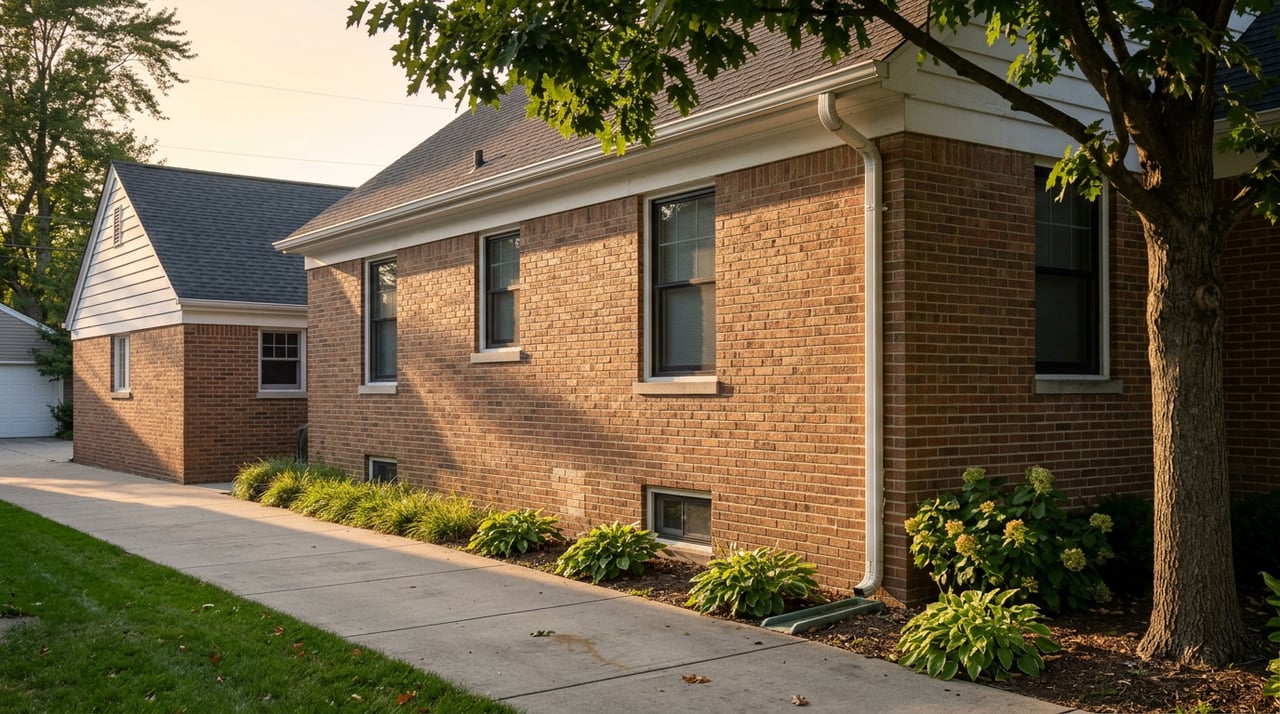
- Smaller brick houses
- Joern homes from the 1940s to 1960s
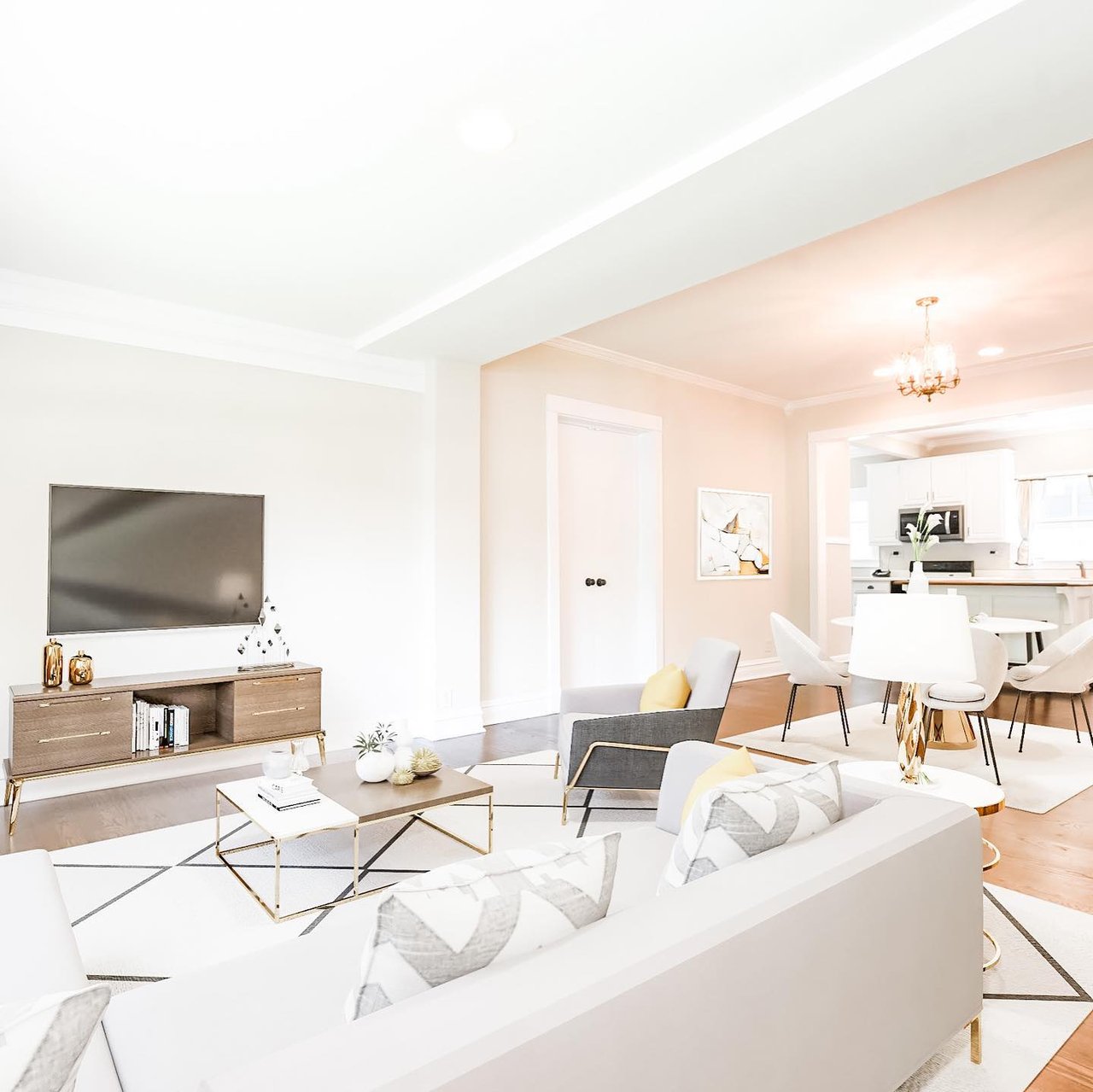
These homes often feel more practical in layout and may be easier to adapt to open-plan preferences.
What These Homes Mean for Daily Living
Style matters, but so does how a home supports your everyday routine. In La Grange Park, the visual style of a house often gives you clues about how it will live.
Older west-side homes are more likely to have formal rooms, defined entries, and a stair-centered layout. Postwar east-side homes are more likely to feel simpler, more casual, and more garage-accessible.
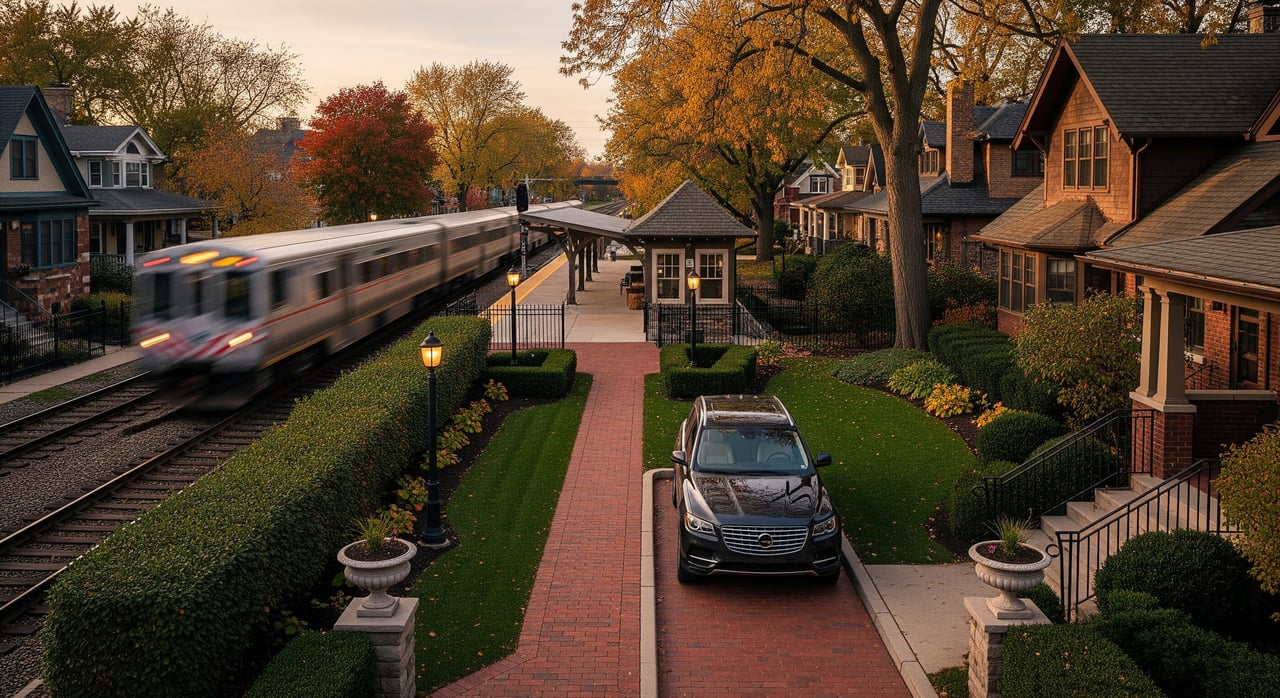
The village also describes itself as a front-porch community with walkable access to Metra, schools, and nearby retail. That means homes with welcoming porches, manageable setbacks, and usable front-yard space often fit naturally into the local rhythm of the neighborhood.
What to Watch for When Updating
If you are buying a home you plan to improve, La Grange Park’s design guidance offers a smart local framework. In general, the goal is to improve how the home functions without erasing the features that give it character.
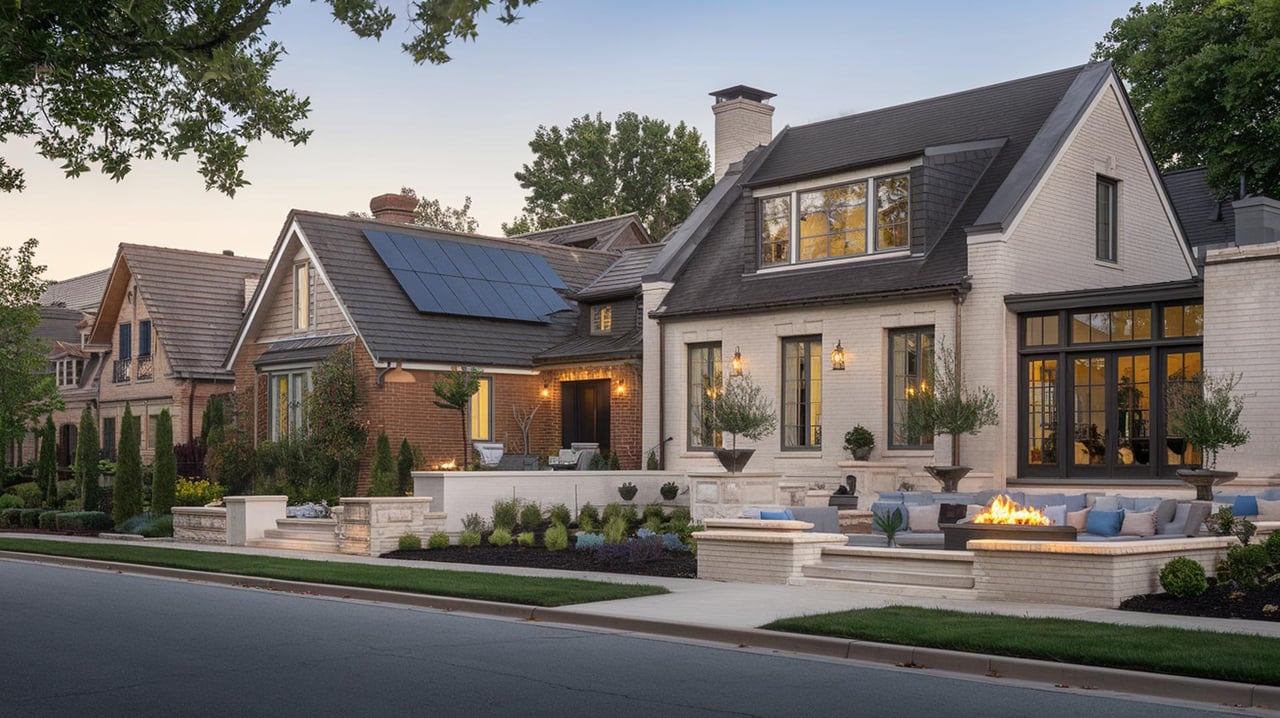
The village’s guidance suggests that additions work best when they:
- Match the original scale and massing
- Sit to the side or rear when possible
- Do not push a garage in front of the main façade
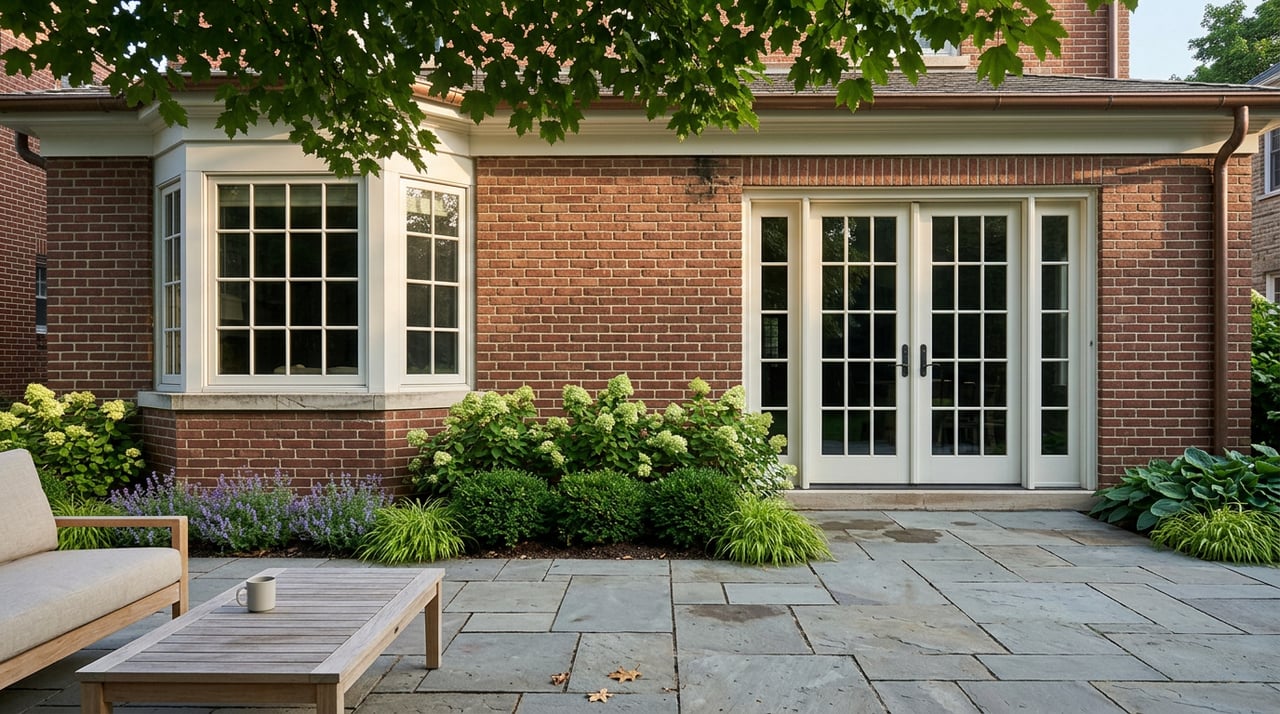
- Use roof pitches, windows, and materials that harmonize with the original home
This is especially important for older homes with strong street presence. Porch quality, window geometry, and the home’s overall silhouette all play a big role in how the house contributes to the block.
Maintenance Priorities for Older Homes
If you are considering an older single-family home, maintenance should be part of the conversation early. The village’s code guidance says exterior surfaces should be kept free of deterioration and weather-related damage, and roofs, gutters, and downspouts should be maintained in good repair.
A practical order of operations is usually to focus on the shell first. That often means looking closely at:
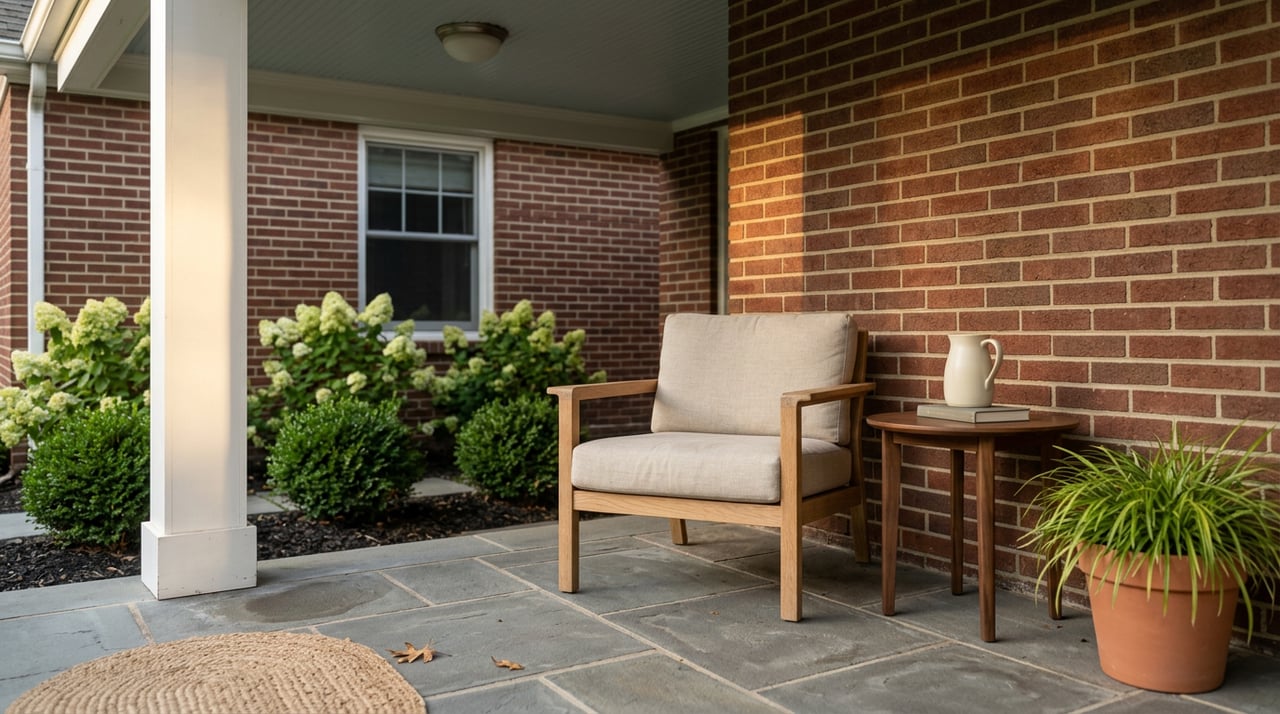
- Porches
- Masonry
- Exterior trim
- Windows
- Roofs
- Water management
Once those basics are secure, interior updates can be easier to plan with confidence.
Why This Variety Matters for Buyers
La Grange Park gives you a chance to compare very different home styles without leaving the village. If you want ornate details and historic curb appeal, you can find that. If you want a simpler postwar layout with easier day-to-day flow, you can find that too.
That range is valuable because it lets you match the home not just to your budget, but to your lifestyle. The right fit may come down to whether you prefer a grand front porch, a formal floor plan, attic expansion potential, or the simplicity of a ranch or split-level.
When you know what to look for, touring becomes much more productive. You can quickly tell whether a home’s style, layout, and update path line up with what you want long term.
If you are comparing home styles in La Grange Park and want help narrowing in on the right fit, The Anne Monckton Group can help you evaluate architecture, layout, and neighborhood context with a local perspective.
FAQs
What single-family home styles are common in La Grange Park?
- Common styles in La Grange Park include Victorian, Queen Anne, bungalow, Craftsman, Arts and Crafts, American Foursquare, Colonial Revival, Georgian, ranch, split-level, and Joern homes.
Where are older homes typically located in La Grange Park?
- Older homes are generally more common west of La Grange Road, where you are more likely to see Victorians, four-squares, colonials, Georgians, and other early housing stock.
Where are ranch and split-level homes typically found in La Grange Park?
- Ranches, split-level homes, and smaller brick postwar houses are generally more common east of La Grange Road.
What should buyers look for in an older La Grange Park home?
- Buyers should pay close attention to porches, masonry, trim, windows, roofs, gutters, downspouts, and overall water management before planning major interior updates.
What makes bungalow and Craftsman homes appealing in La Grange Park?
- Bungalow and Craftsman homes often combine character, efficient layouts, front-porch appeal, and the potential for attic or lower-level updates while keeping their original exterior charm.
How should updates be handled on older La Grange Park homes?
- The village’s guidance supports updates that respect the original scale, massing, rooflines, windows, materials, and front-facing character, with additions typically placed to the side or rear.