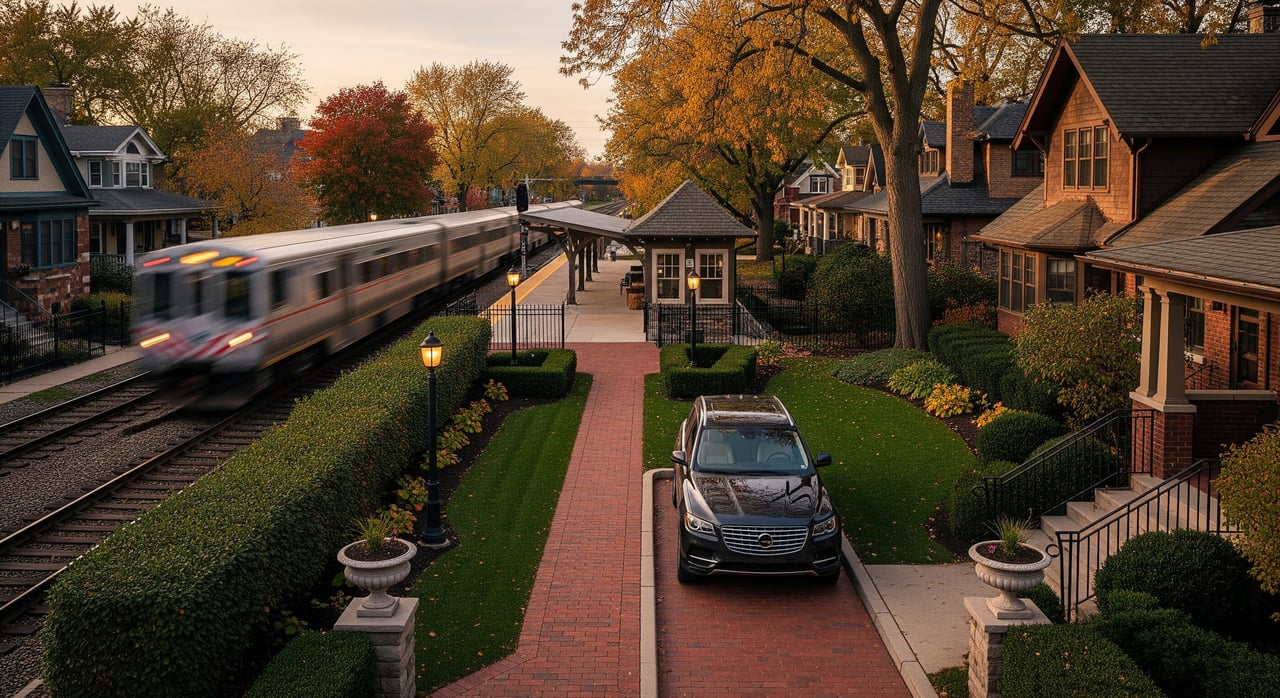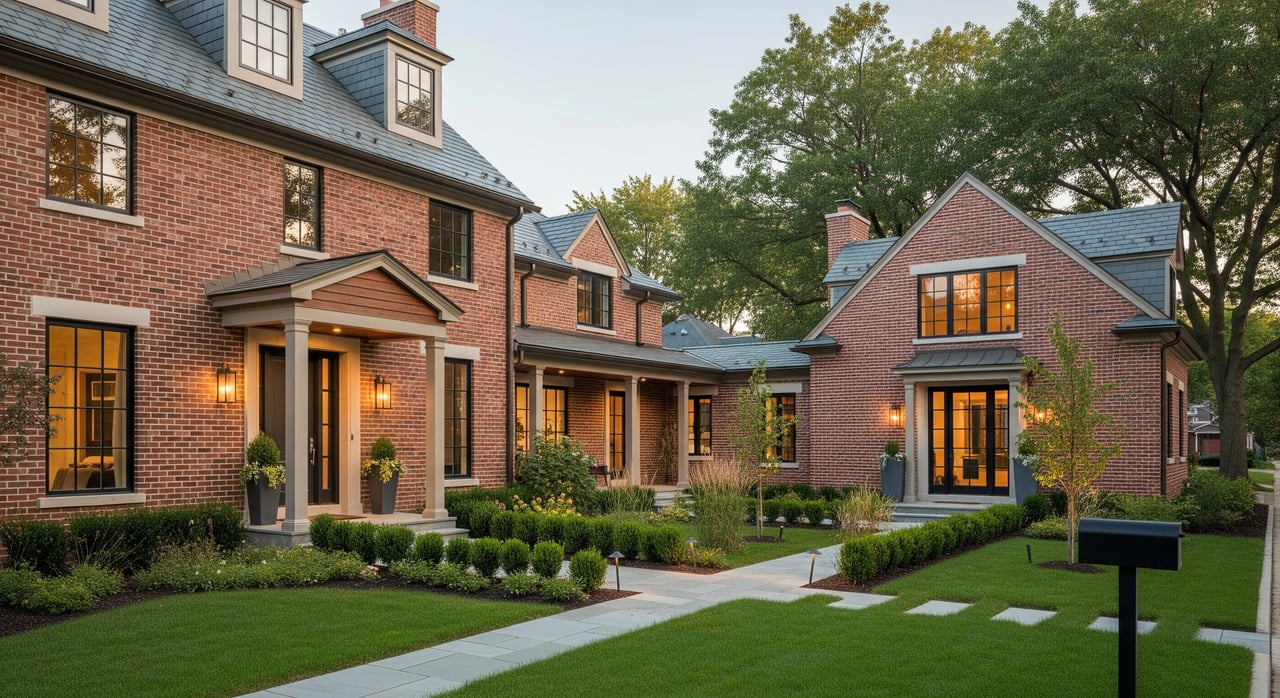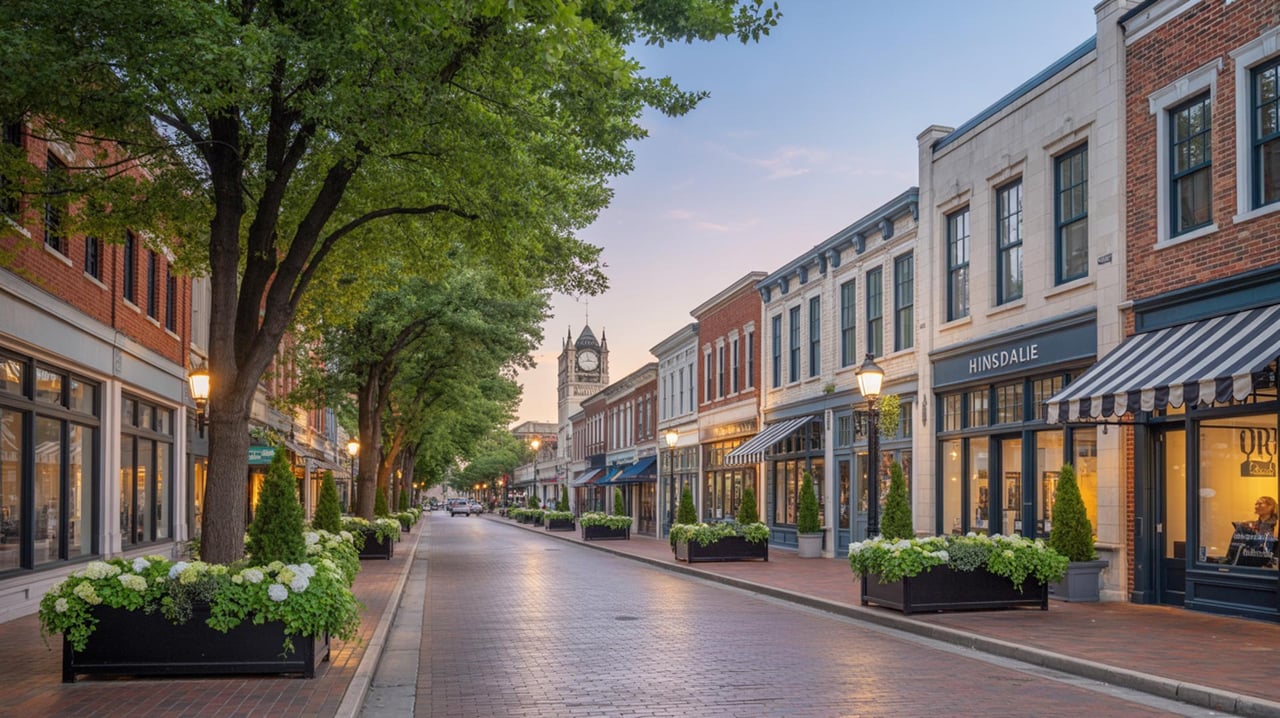
If you have ever walked through La Grange and felt like every block tells a slightly different story, you are not imagining it. This village stands out for its well-preserved homes from the late 19th and early 20th centuries, with a historic district recognized on the National Register of Historic Places in 1979. For buyers and sellers, that means you are not looking at one predictable housing type. You are seeing a layered mix of styles, details, and eras that give La Grange its character. Let’s dive in.
Why La Grange Architecture Stands Out
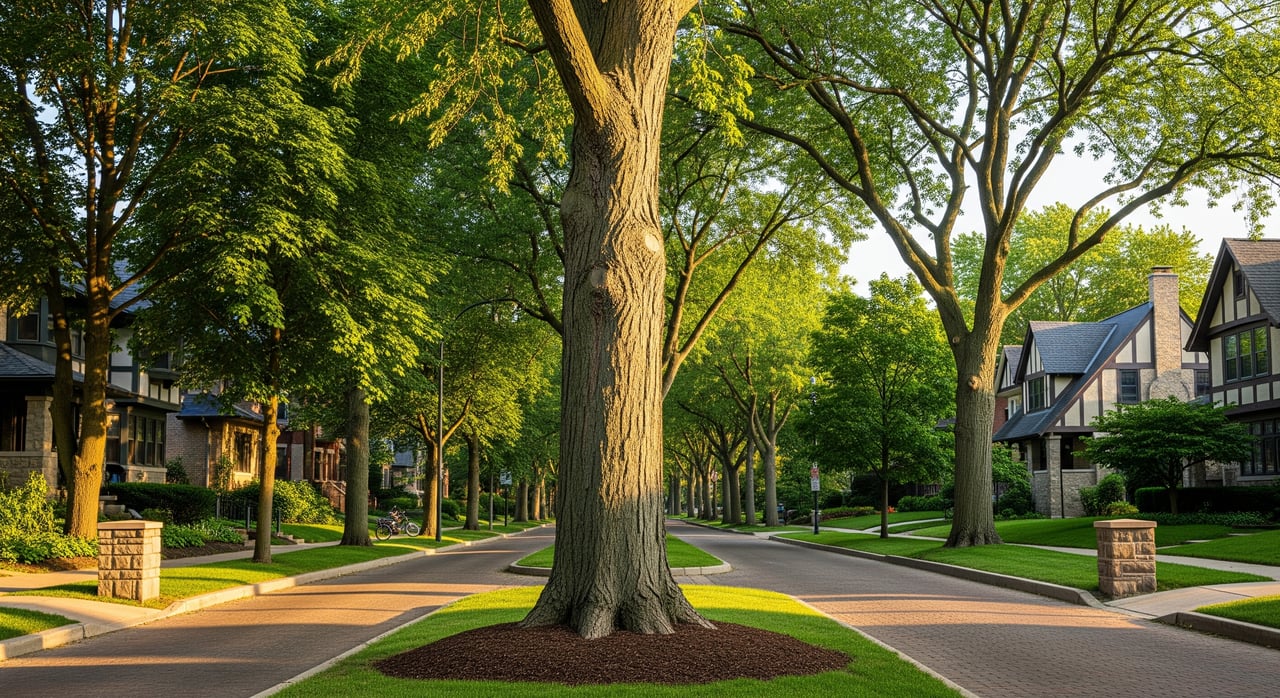
La Grange was incorporated in 1879, and the Village describes its housing stock as well-preserved and architecturally significant. In its older sections, you will find homes dating from the late 1800s into the early 1900s. That long building period helps explain why the streetscape feels so varied.
The Village of La Grange Historic District includes periods of significance from 1850 through 1924. National Park Service records identify Prairie School, Late Victorian, and Queen Anne as key architectural styles in the district. Local historical tour materials also describe the area as a well-preserved suburban community with notable domestic architecture, including homes designed by Frank Lloyd Wright.
The big takeaway is simple: La Grange is not defined by a single look. Instead, it is defined by a collection of styles that often sit side by side, and sometimes even blend within the same home.
Queen Anne and Late Victorian Homes
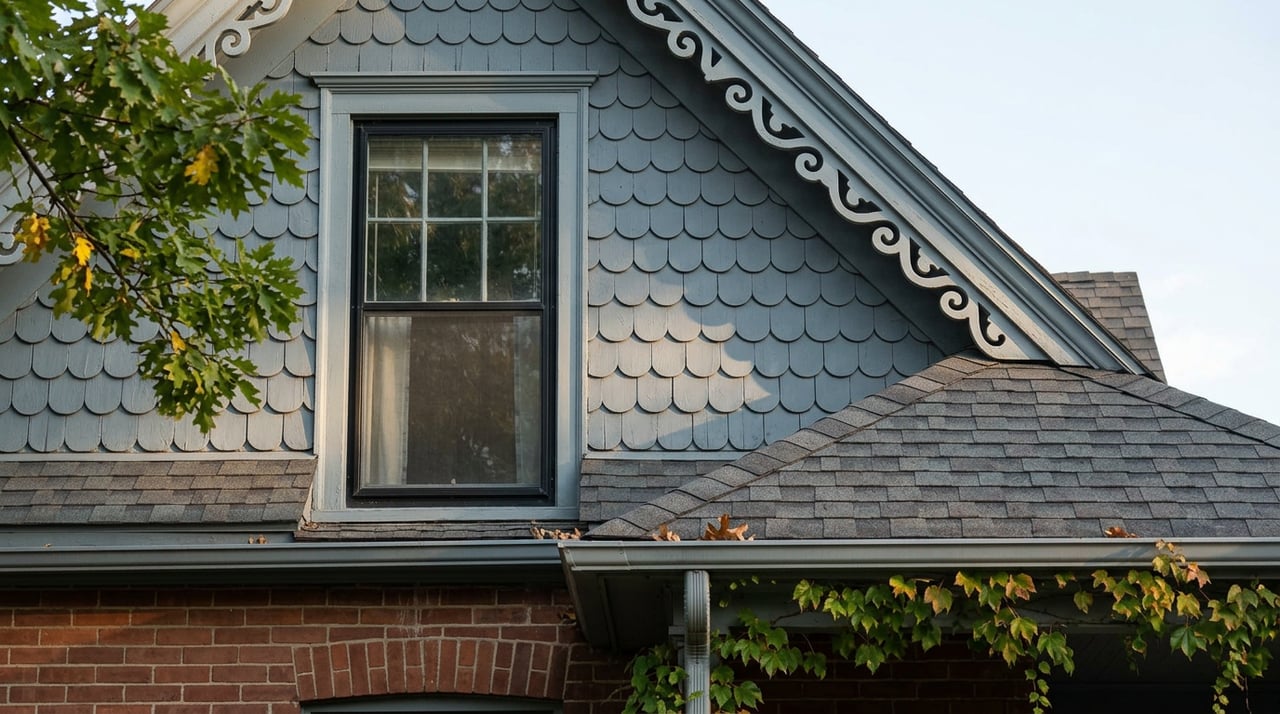
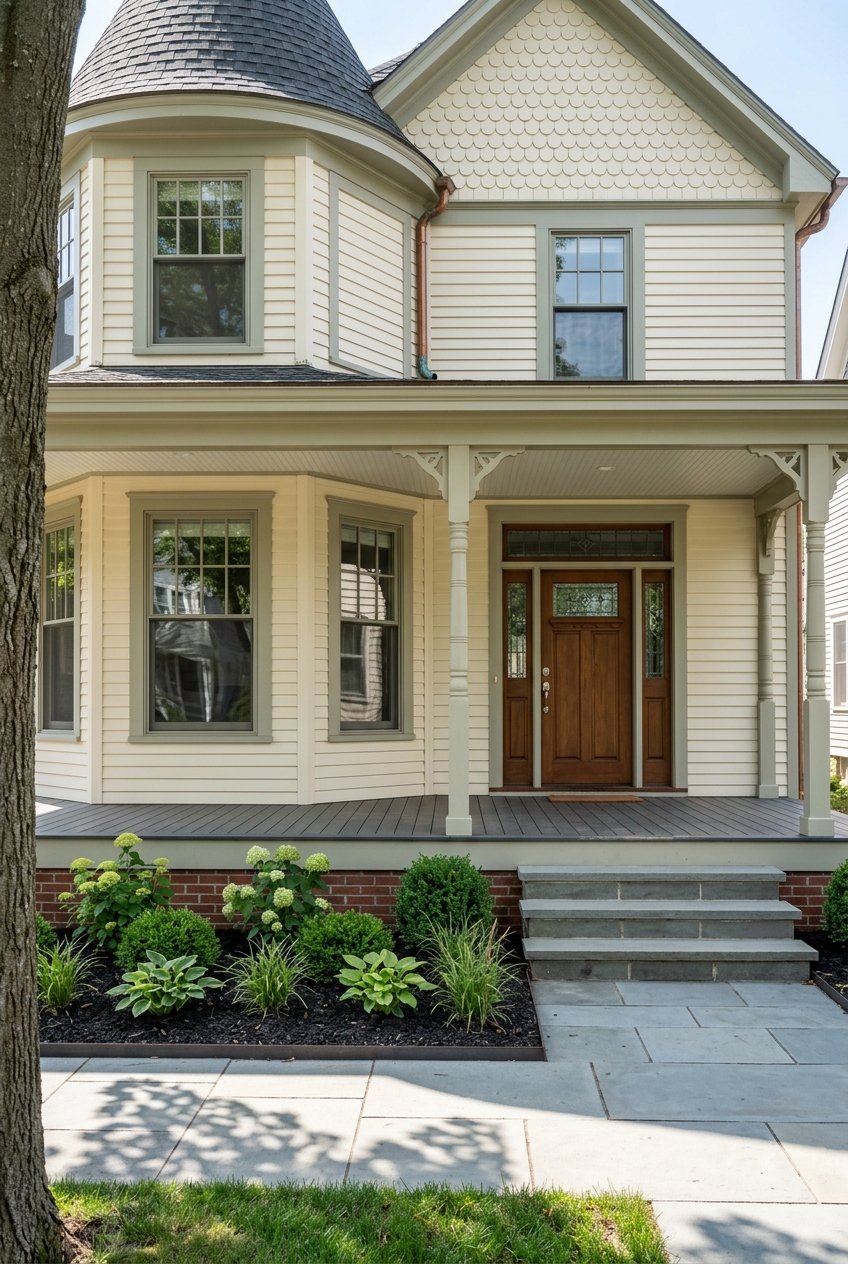
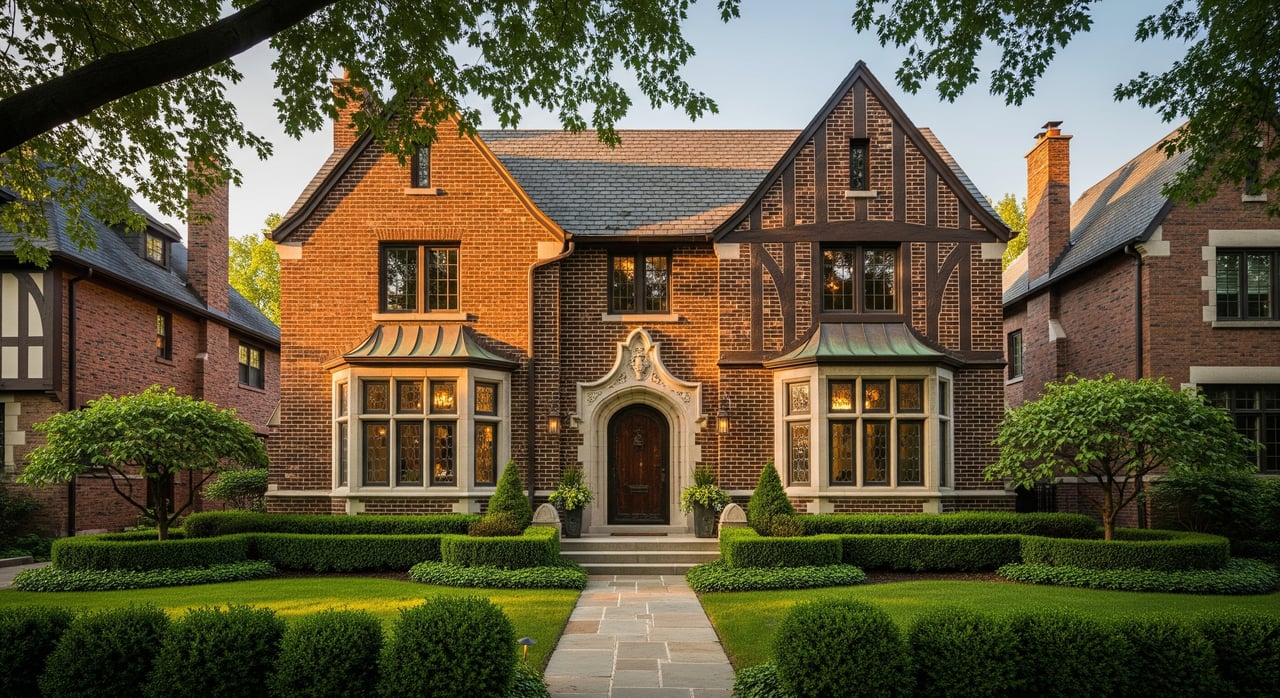
If you picture a classic storybook historic home, you may be thinking of Queen Anne. This style is known for asymmetrical shapes, wrap-around porches, turrets, intersecting rooflines, decorative shingles, spindlework, and a mix of materials. In La Grange, local tours point to homes with fishscale shingles, narrow windows, elaborate railings, and eye-catching corner towers.
These homes often feel lively and highly detailed from the street. Instead of a calm, balanced facade, they tend to create visual movement through changing rooflines, textures, and ornament. That is part of what makes them memorable on a walking tour and appealing to buyers who want a home with strong architectural personality.
In La Grange, the term late Victorian often works as a broader label rather than one exact style. Local tour descriptions use it for homes that mix Queen Anne, Italianate, Second Empire, Shingle, and classical elements. So if a house feels richly detailed but does not fit neatly into one category, that is not unusual here.
Prairie School in La Grange
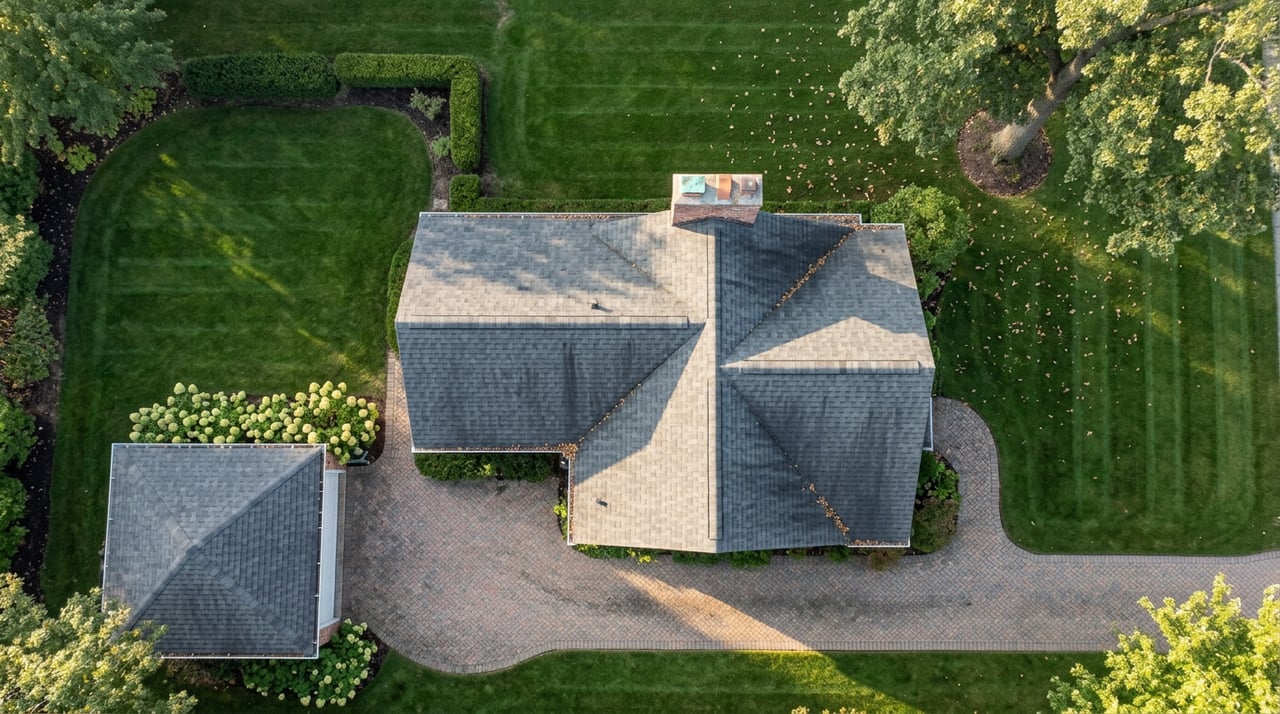
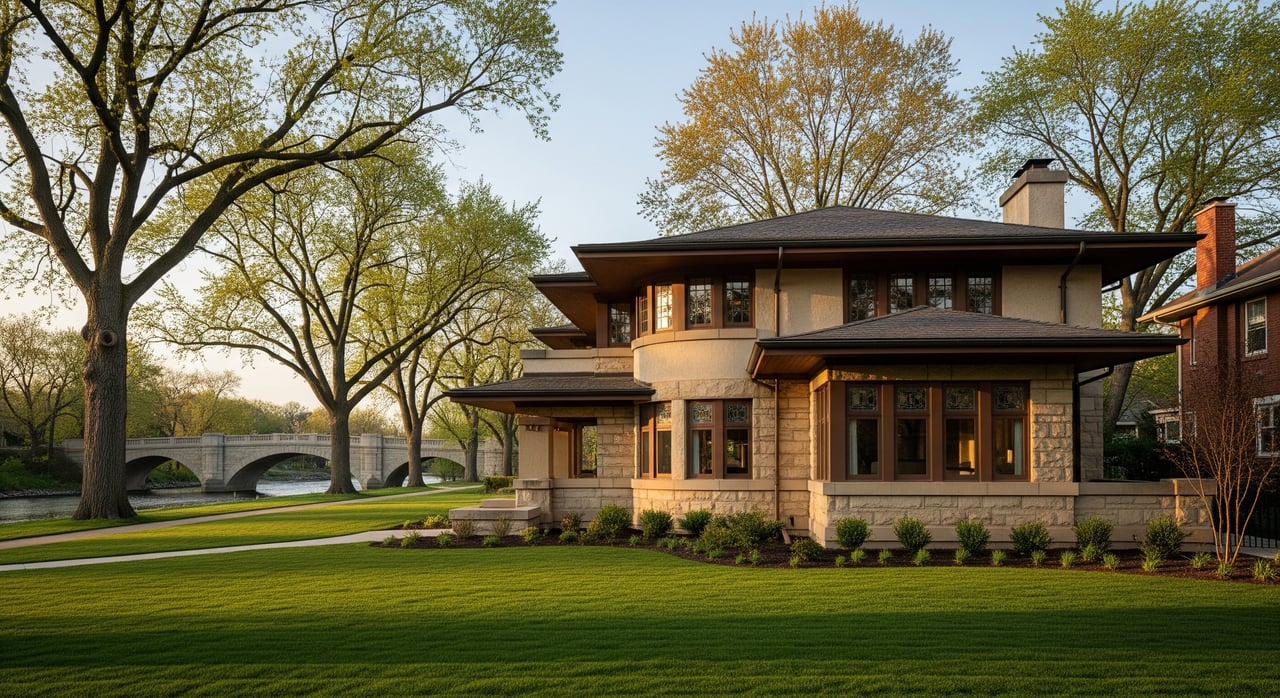
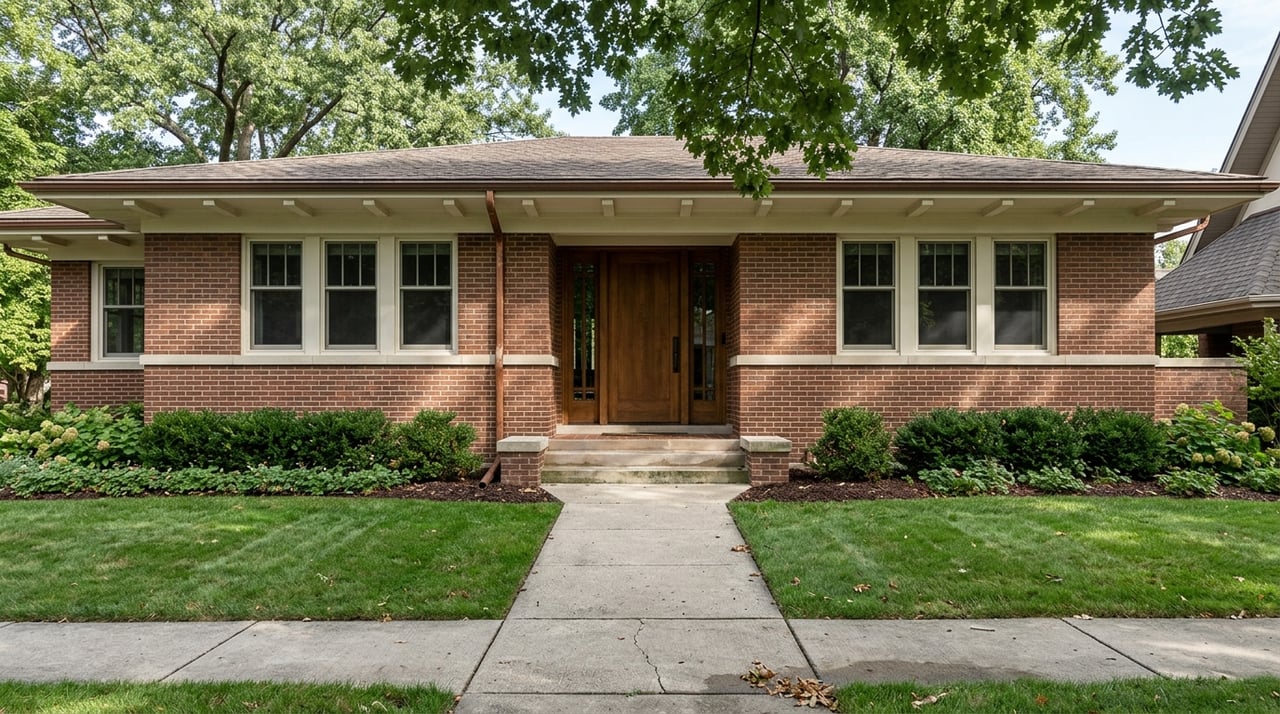
Prairie School homes bring a very different look to the streetscape. This style is characterized by low-pitched hipped roofs, wide overhanging eaves, strong horizontal lines, and one-story wings or porches. In many classic examples, the design also creates a strong connection between the house and its setting.
In La Grange, local tours describe Prairie houses with leaded windows, decorative horizontal strips, broad porches, and a distinctly Wrightian sense of horizontality. These houses often feel calmer and more grounded than their Victorian-era neighbors. Where Queen Anne homes tend to reach up and outward with ornament, Prairie homes often stretch across the lot with a more unified, low-slung form.
That contrast is part of what makes La Grange so interesting for architecture lovers. You can move from a highly decorative late-19th-century home to a restrained early-20th-century Prairie house within the same general area and still feel a clear sense of place.
Bungalows and American Foursquares
Not every defining La Grange home is grand or highly formal. Bungalows and American Foursquares play a major role in the village’s architectural identity, especially for buyers who value practical layouts and classic early-20th-century design.
Bungalow and Craftsman homes usually feature low-pitched gable roofs, wide eaves, exposed rafters or braces, and broad front porches with square or tapered columns. In La Grange, local tours identify examples on streets including South Stone, South Waiola, and South Kensington. These homes often give off a comfortable, approachable feel while still showing strong architectural detail.
American Foursquares are typically more cubic and straightforward. Local materials describe them as typical Chicago suburban homes built roughly between 1910 and 1930. Compared with Queen Anne homes, Foursquares and bungalows often feel more compact, efficient, and plan-driven, which is one reason they remain appealing to many buyers today.
Italianate and Second Empire Details
Some of La Grange’s most distinctive houses show earlier architectural influences. Italianate homes emphasize verticality, tall narrow windows, low overhanging roofs, and decorative brackets. In local tours, one Italianate example is called out on South Waiola.
Second Empire homes are usually easiest to spot by their mansard roofs and dormers. A local tour also describes a South Spring house with both Italianate and Second Empire influences, including a mansard roof, elaborate windows, paired brackets, and a rounded entrance tower. If you notice a home that feels more vertical and formal than a Prairie or bungalow house, these influences may be part of what you are seeing.
Colonial Revival and Classical Influences
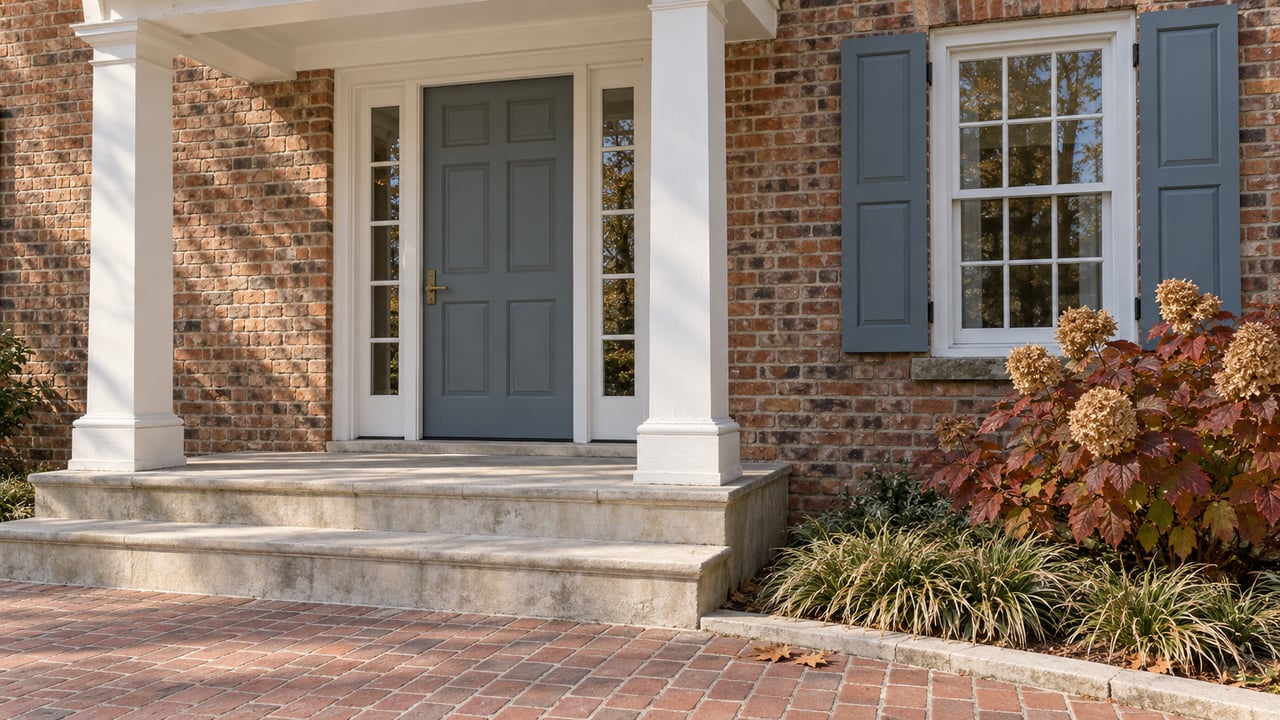
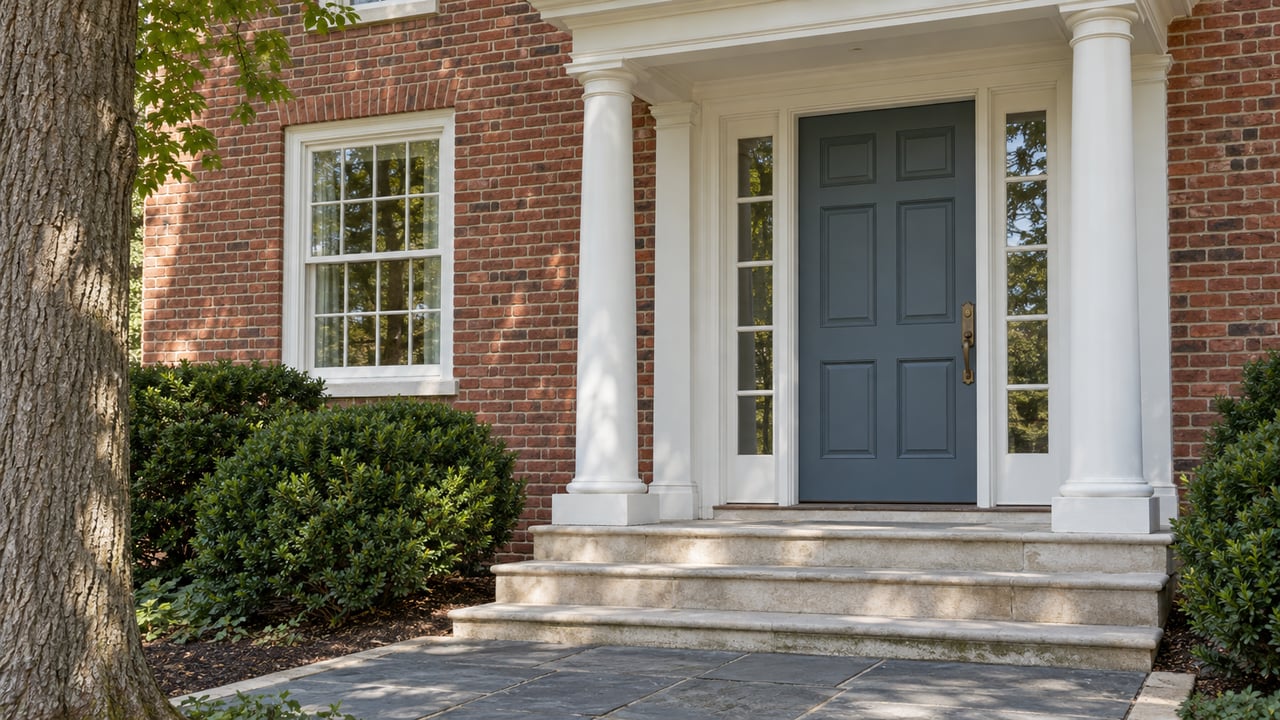
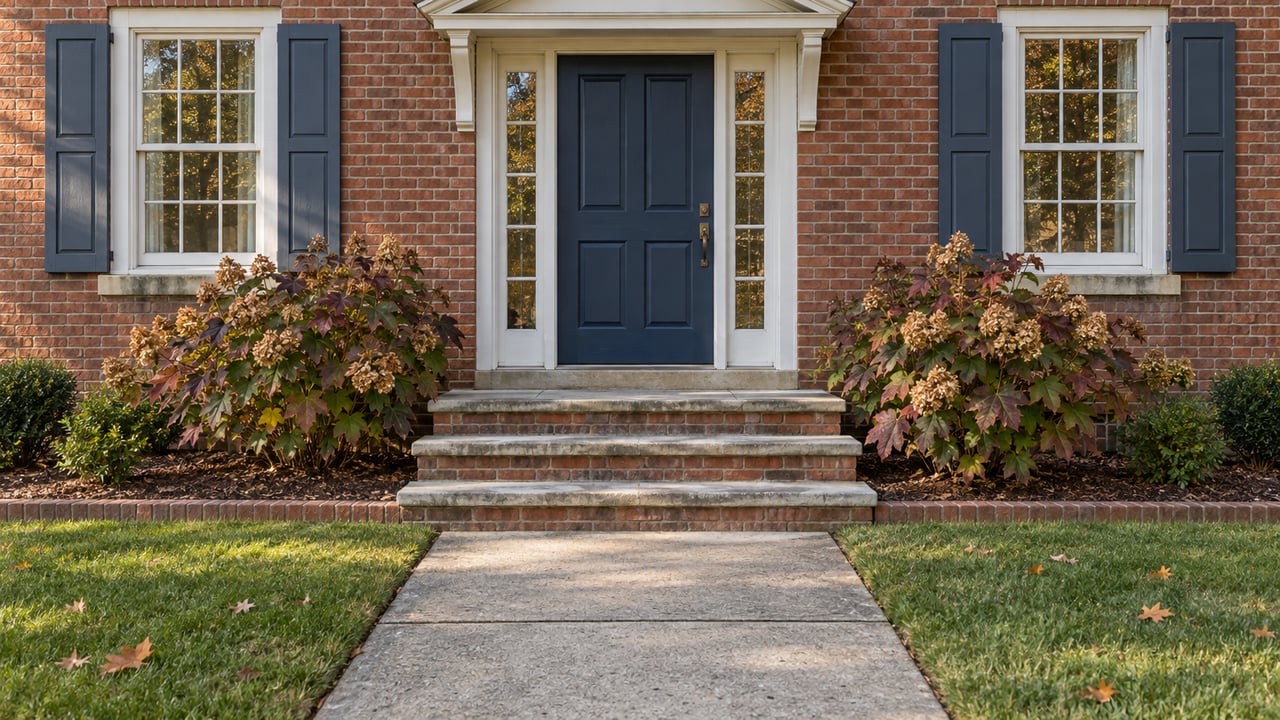
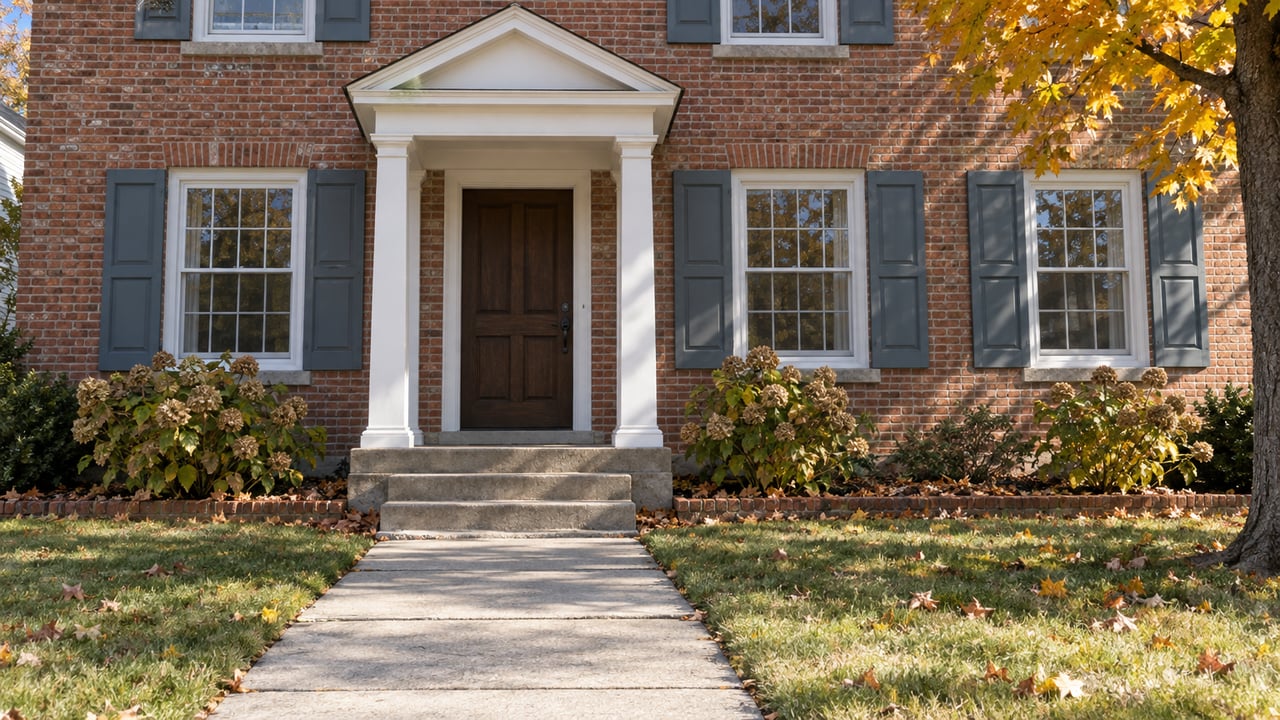
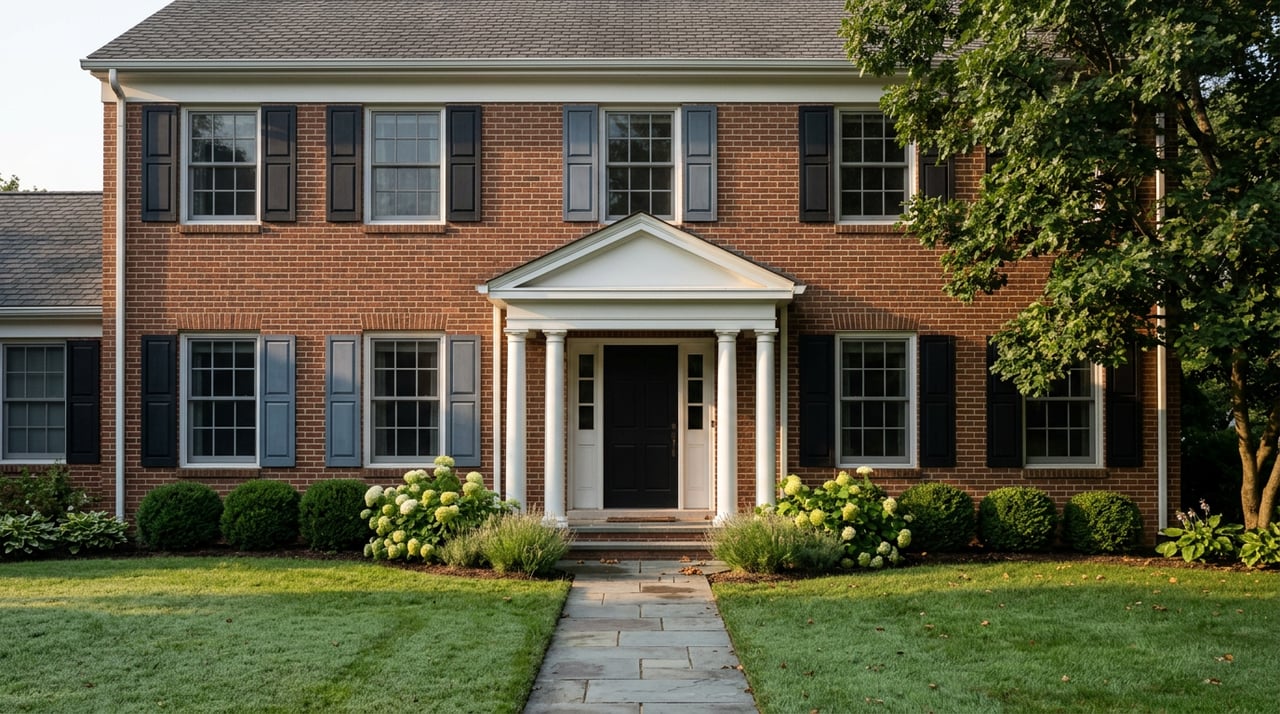
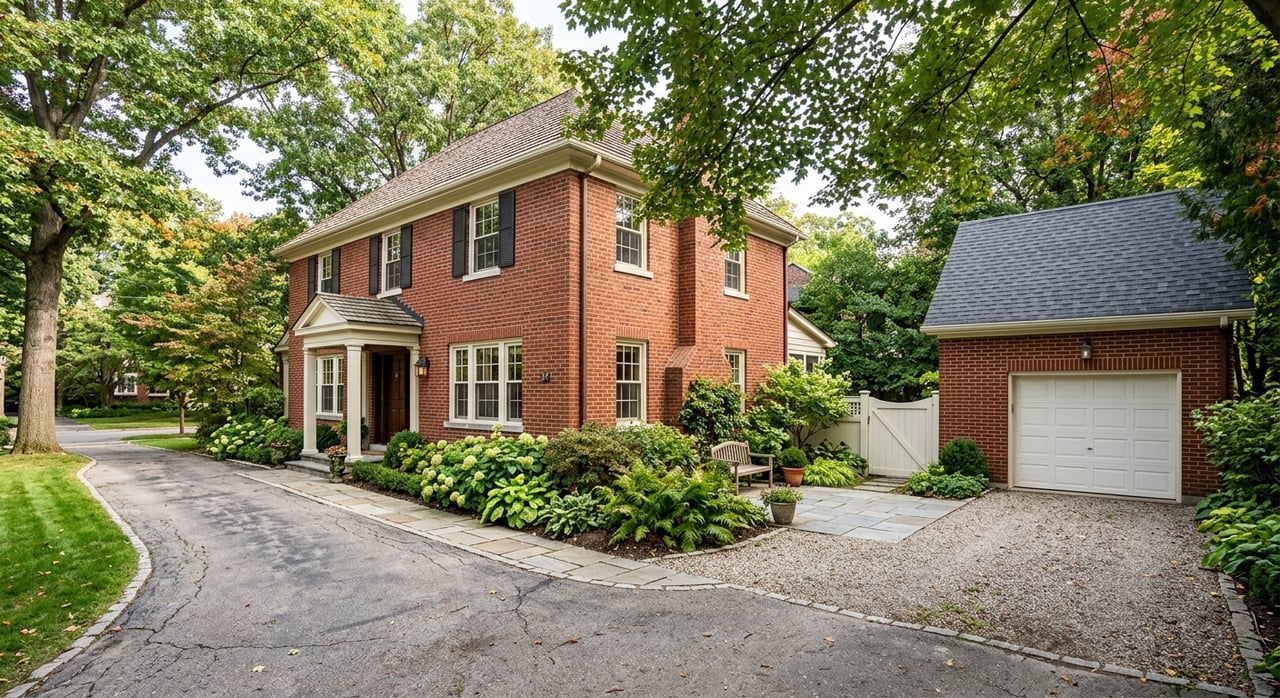
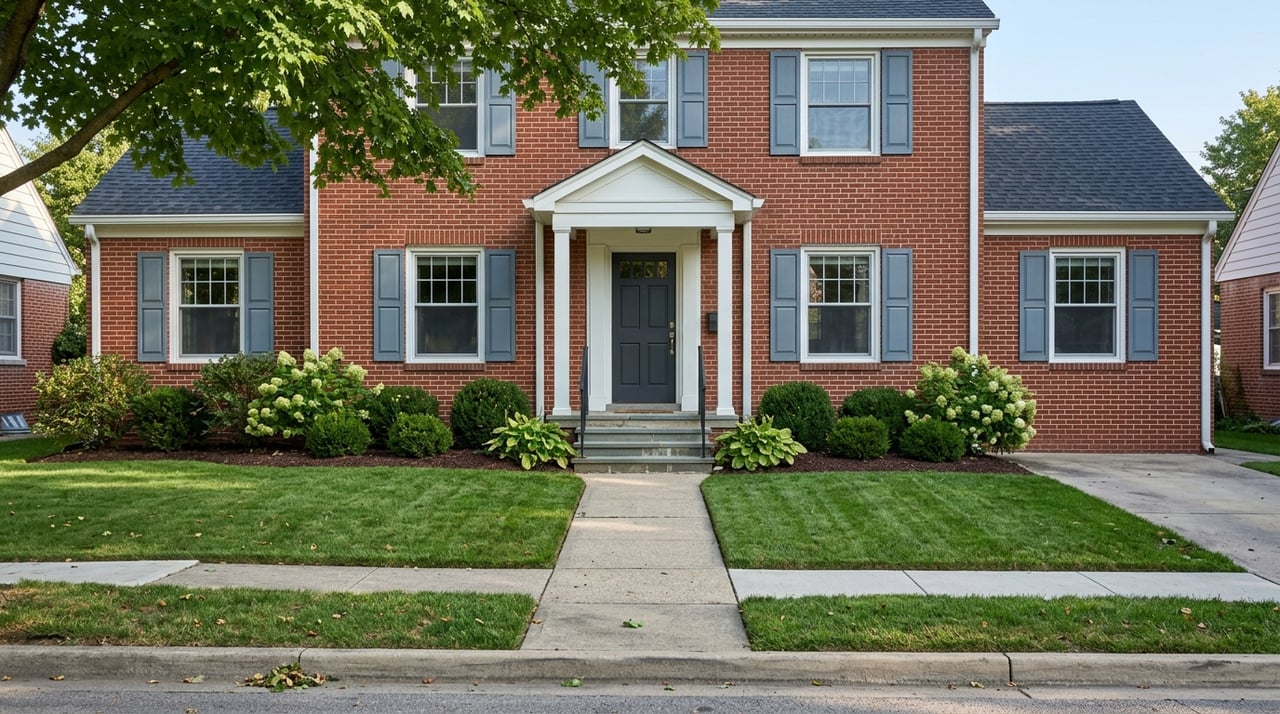
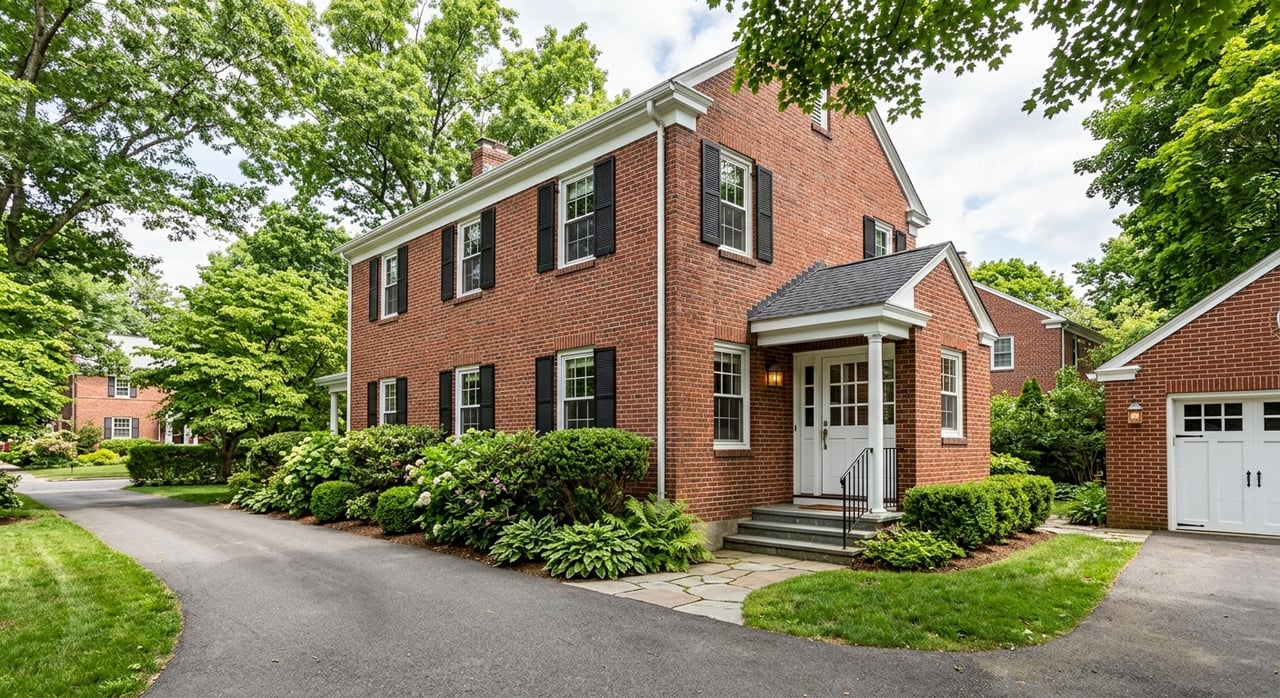
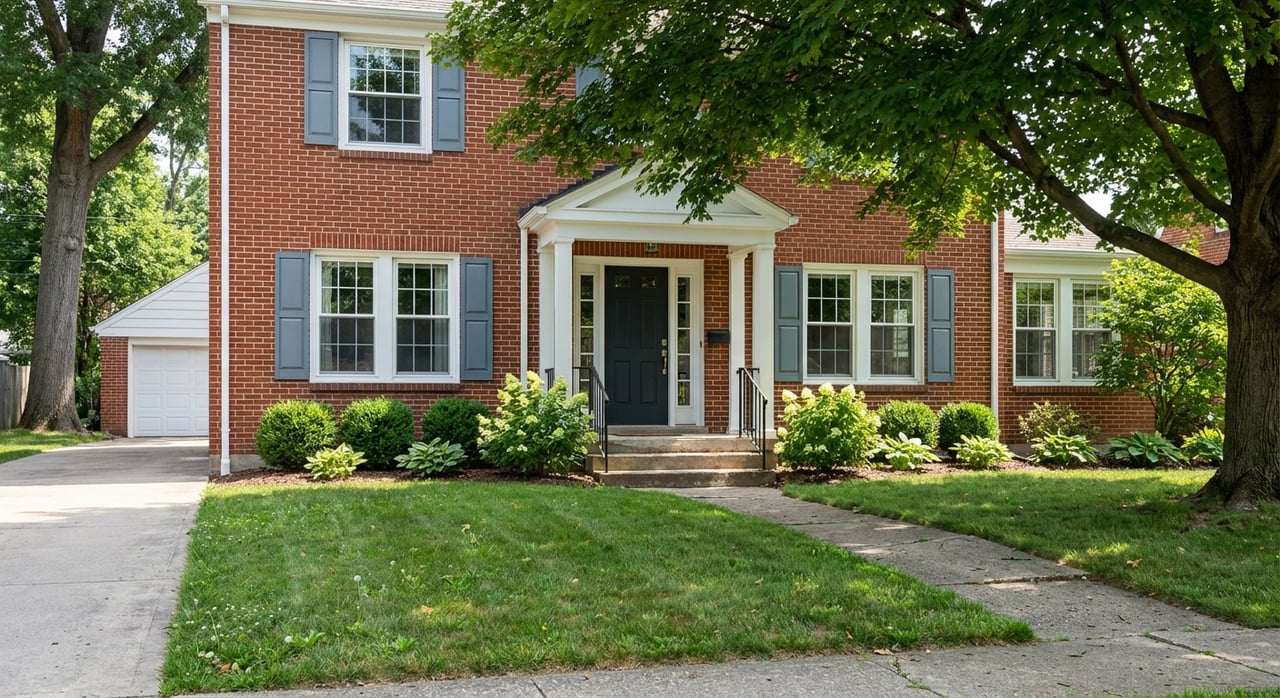
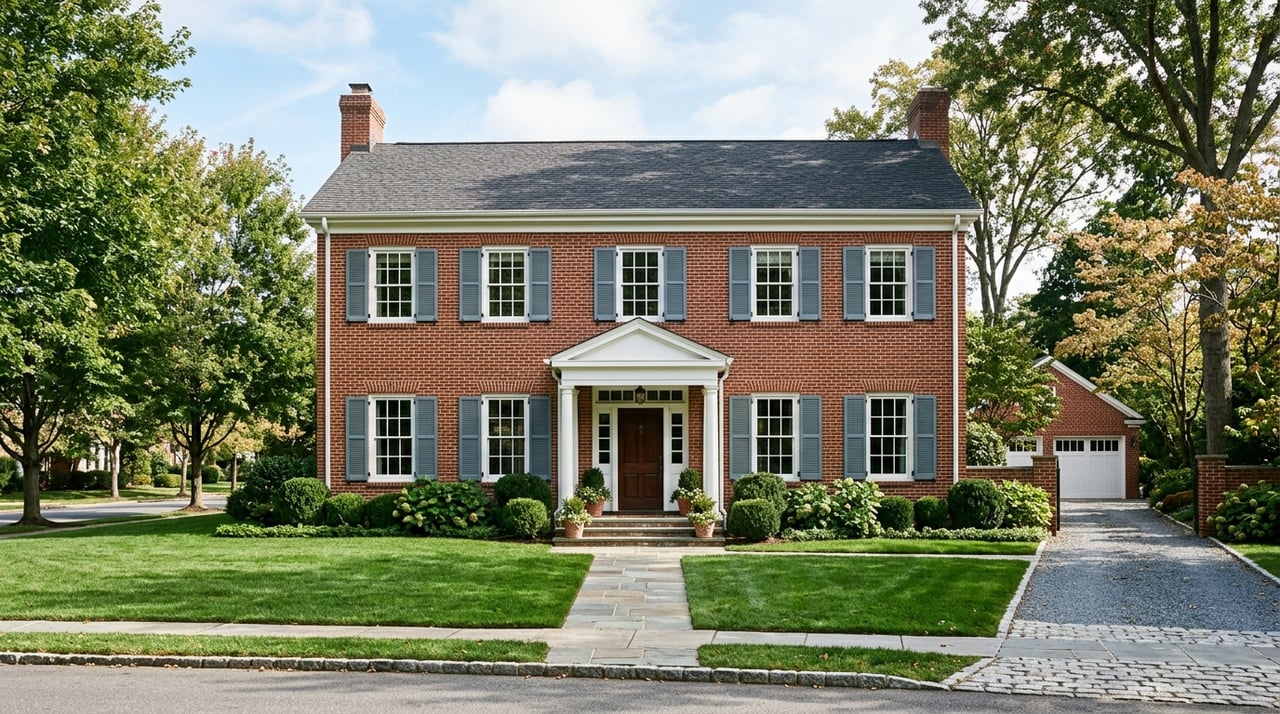
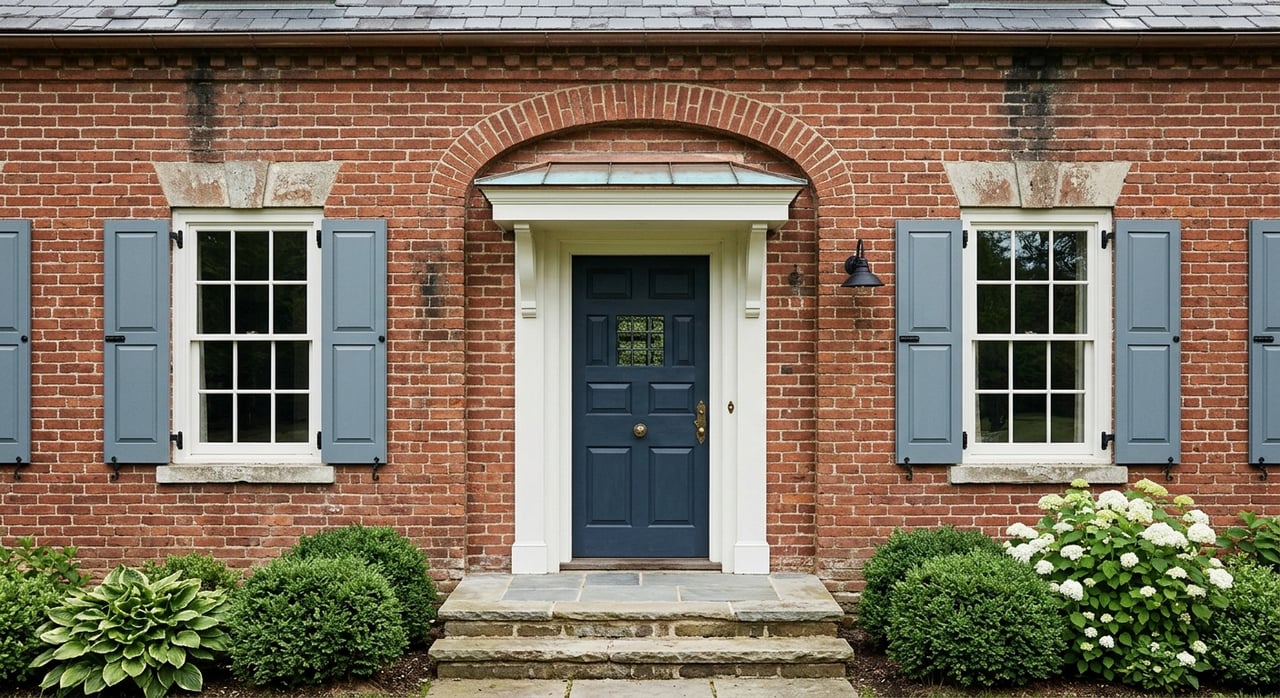
La Grange also includes homes shaped by Colonial Revival, Classical Revival, and Neo-Classical ideas. These houses often lean into symmetry, formal facades, columns or pilasters, pedimented porches, and details like fanlights or Palladian windows.
Local tours point to homes with cross gambrel roofs, classical columns, pedimented porticos, loggias, and other formal features. In some cases, a Colonial Revival-influenced vernacular home may sit near a Prairie-style home on the same block. That side-by-side variety is one of the clearest signs that La Grange developed over time rather than through one short building boom.
For buyers, these homes can feel especially recognizable because many of their features still influence suburban residential design today. For sellers, clearly identifying these details can help frame a home’s architectural story in a meaningful way.
Shingle Style and Vernacular Homes
Not every La Grange home follows a strict architectural rulebook. Local tour materials identify both shingle-style houses and vernacular homes, and that matters because many houses in older suburbs evolve through blended influences.
In this context, vernacular usually means a home that borrows from several styles instead of fitting neatly into one category. That does not make it less important or less attractive. In fact, these homes often stand out because of their scale, materials, and visible craftsmanship.
This mixed-house reality is a major part of La Grange’s appeal. You are not just seeing pure textbook examples. You are seeing a neighborhood shaped by changing tastes, building methods, and homeowner preferences across decades.
Architectural Features to Notice on Tour
If you are touring homes in La Grange, a little vocabulary can go a long way. Local materials repeatedly use a handful of terms to describe the features that define the village’s housing stock.
Here are some of the most useful ones to know:
- Asymmetrical facade: a front exterior that is intentionally unbalanced
- Turret: a small tower-like projection, often round or polygonal
- Mansard roof: a roof with steep lower slopes, common in Second Empire design
- Hipped roof: a roof that slopes downward on all sides
- Wrap-around porch: a porch that extends around more than one side of the house
- Belt course: a horizontal band or trim line across the exterior
- Fishscale shingles: rounded decorative shingles often seen on Queen Anne homes
- Leaded glass: glass panes joined with lead, often used in Prairie-style windows
- Dormer: a roof projection that contains a window
- Pediment: a triangular decorative element above a porch or entry
- Pilaster: a shallow, column-like decorative feature on a wall
- Loggia: a covered exterior gallery or recessed porch
- Vernacular: a home shaped by local building traditions or mixed influences
When you know what to look for, home tours become much more revealing. You can move beyond liking a home’s “feel” and start understanding why it feels distinctive.
What This Means for Buyers and Sellers
For buyers, understanding architectural style can help you narrow your search more quickly. If you love wrap-around porches, turrets, and decorative detail, you may be drawn to Queen Anne or late Victorian homes. If you prefer horizontal lines, leaded windows, and a more restrained exterior, Prairie homes may feel like a better fit.
If your priorities lean toward efficiency and straightforward early-suburban design, bungalows and Foursquares may be especially appealing. And if you appreciate a formal facade and symmetrical curb appeal, Colonial Revival or Neo-Classical influences may stand out to you.
For sellers, your home’s style is more than a label. It helps shape how your property is presented, photographed, staged, and marketed. In a place like La Grange, where architectural identity is part of the local appeal, telling that story clearly can help buyers understand what makes your home special.
La Grange’s housing stock is best understood as a layered streetscape. You will see late-Victorian showpieces, Prairie-era horizontality, early-20th-century bungalows and Foursquares, and formal revival homes, often blended with vernacular elements. That variety is not random. It is one of the clearest reasons La Grange continues to stand out among Chicago’s western suburbs.
If you are buying or selling a home with architectural character in La Grange, working with a team that understands how style, presentation, and neighborhood context fit together can make a real difference. The Anne Monckton Group helps buyers and sellers navigate La Grange’s distinctive housing stock with local insight, tailored strategy, and a concierge-level approach.
FAQs
What architectural styles define homes in La Grange?
- La Grange is known for Queen Anne, Late Victorian, Prairie School, bungalow, American Foursquare, Italianate, Second Empire, Colonial Revival, Classical Revival, Neo-Classical, shingle-style, and vernacular homes.
What makes Queen Anne homes in La Grange easy to spot?
- Queen Anne homes in La Grange often feature asymmetrical facades, wrap-around porches, turrets, decorative shingles, spindlework, and complex rooflines.
What are Prairie School features in La Grange homes?
- Prairie School homes in La Grange often show low-pitched hipped roofs, wide eaves, strong horizontal lines, broad porches, leaded windows, and horizontal massing.
Are bungalow and Foursquare homes common in La Grange?
- Yes. Local tour materials identify both bungalows and American Foursquares as important parts of La Grange’s early-20th-century housing stock.
What does vernacular mean in La Grange architecture?
- In La Grange, vernacular usually refers to a home that blends elements from multiple styles rather than following one strict architectural model.
Why does architectural style matter when buying or selling in La Grange?
- Architectural style can help buyers identify the homes that fit their preferences and helps sellers present a property’s character more clearly in marketing and showings.