If you want a suburb that feels established, connected, and easy to settle into, Clarendon Hills deserves a close look. Buying a home here is not just about square footage or commute times. It is also about how the village lives day to day, from its walkable downtown to its mix of classic homes, local parks, and Metra access. This guide will help you understand what makes Clarendon Hills distinct so you can decide whether it fits your next move. Let’s dive in.
Why Clarendon Hills Stands Out
Clarendon Hills is a long-established community in eastern DuPage County with about 8,900 residents and more than 100 businesses, according to the Village of Clarendon Hills. Its location near I-294, Route 83, I-88, and Ogden Avenue gives you practical access to the broader western suburbs and beyond.
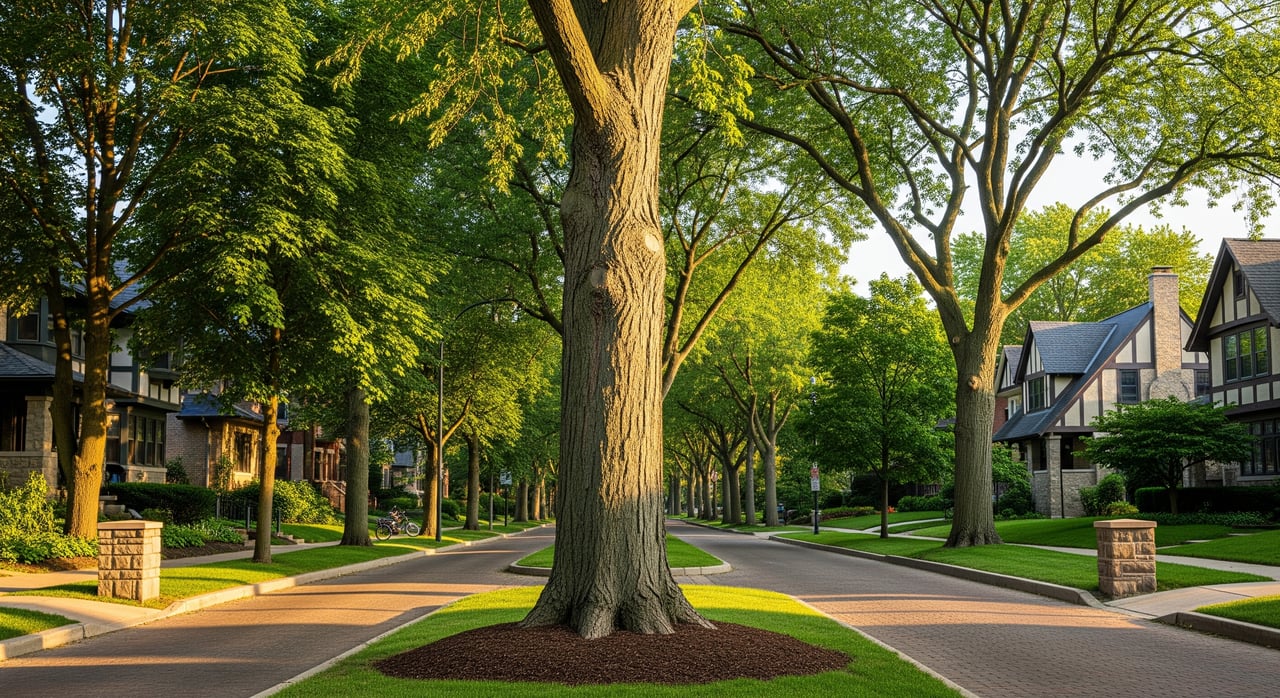
What often feels different here is the layout. The Clarendon Hills Historical Society notes that the original 1874 plat used curvilinear streets that followed the terrain, rather than a simple grid. As a buyer, that helps explain why the village can feel more organic and varied than many nearby suburbs.
The village also speaks clearly about its priorities. Its mission statement emphasizes preserving small-town character while supporting reinvestment and a diversity of housing opportunities. That balance matters if you are looking for a place with a strong existing identity and visible long-term care.
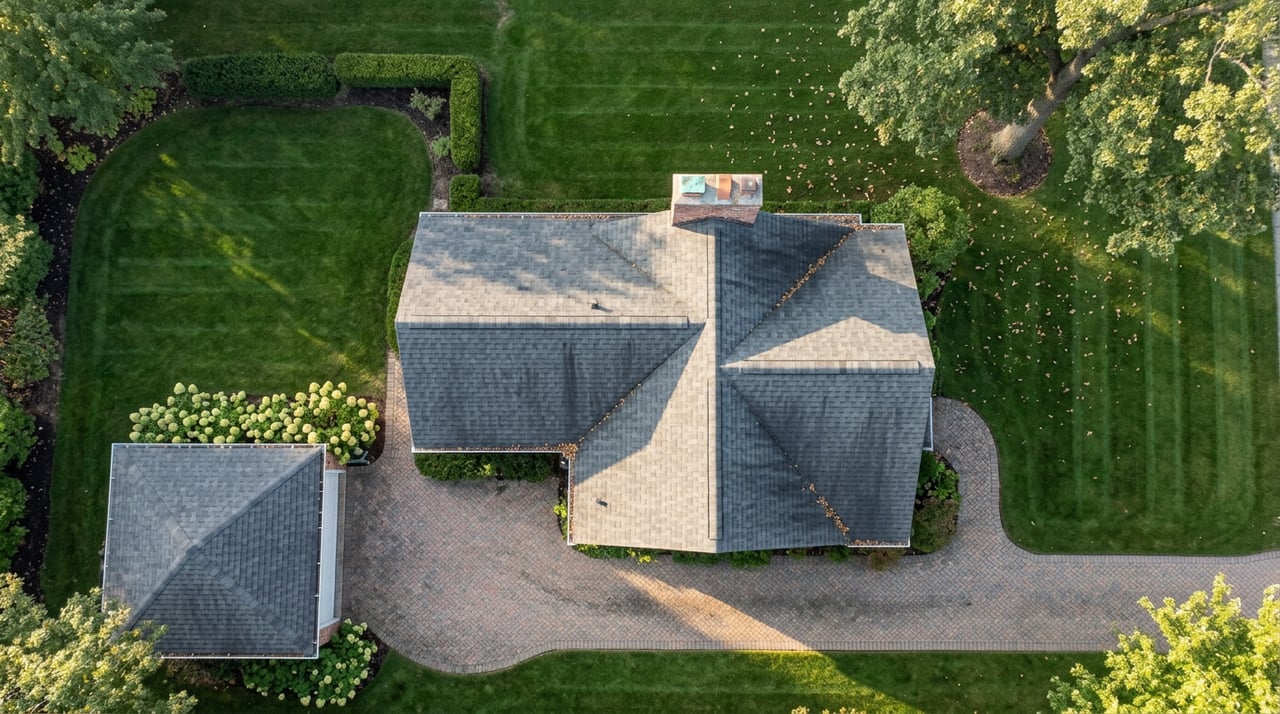
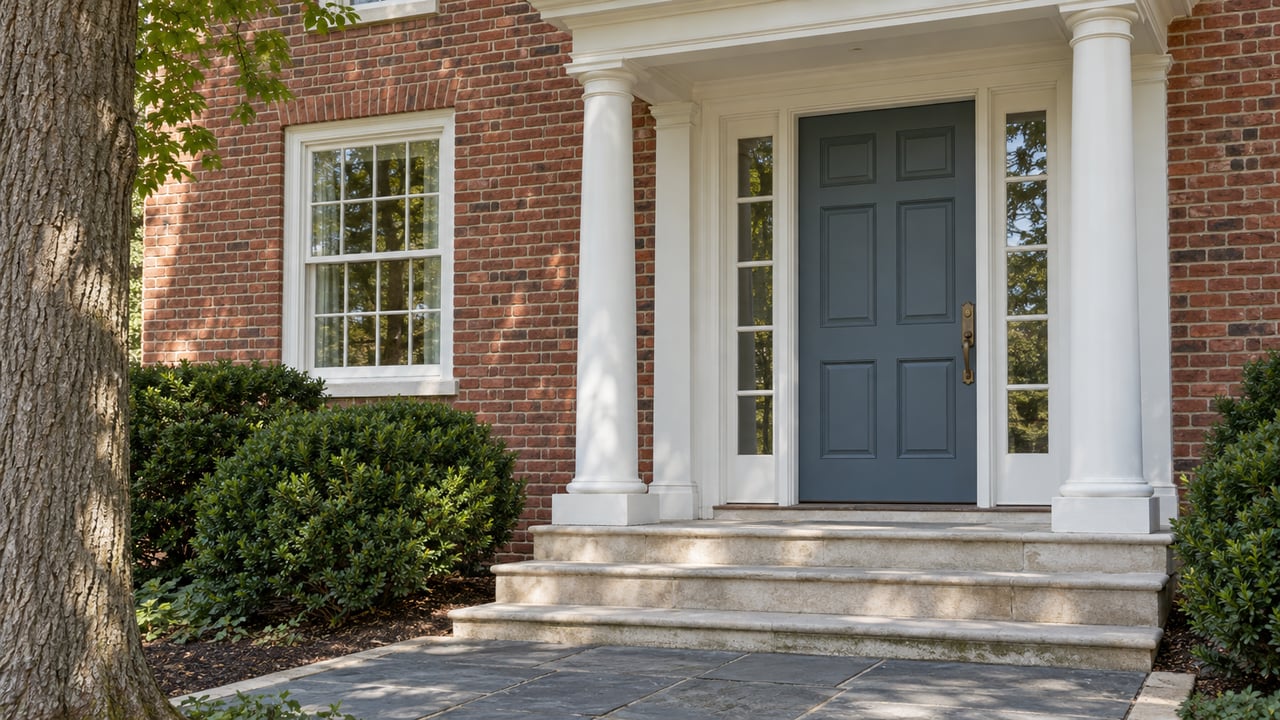
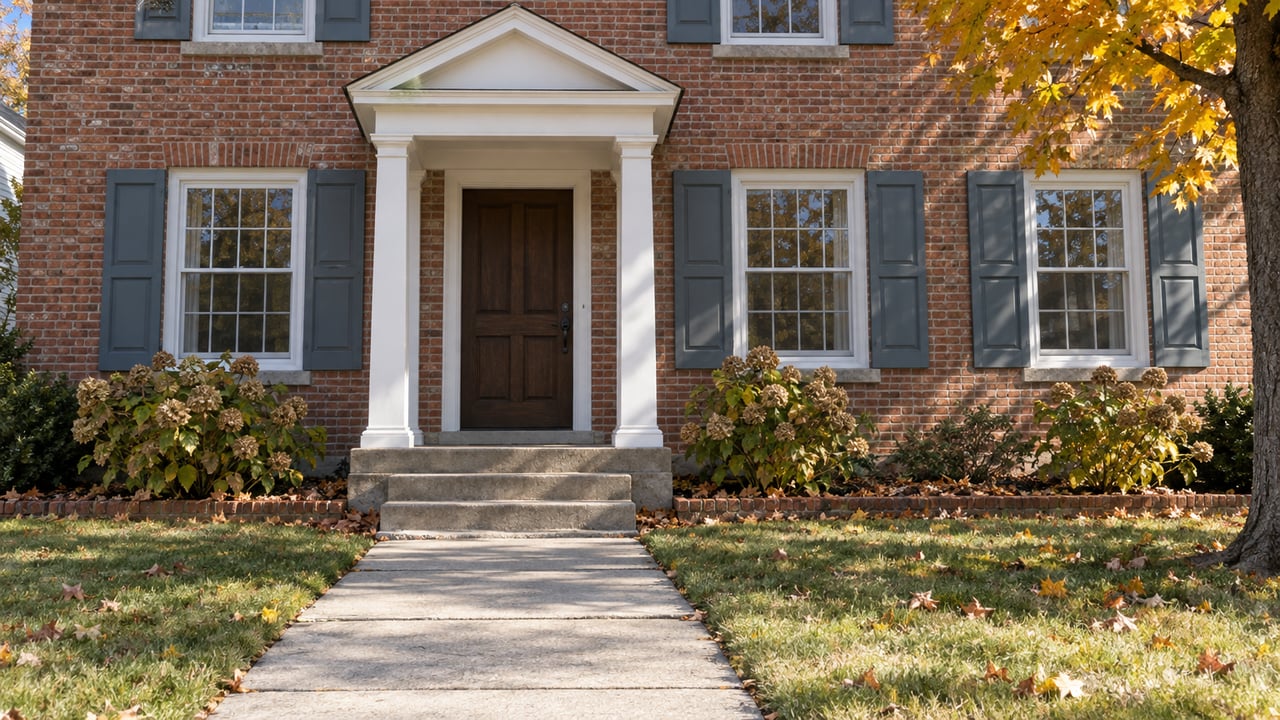
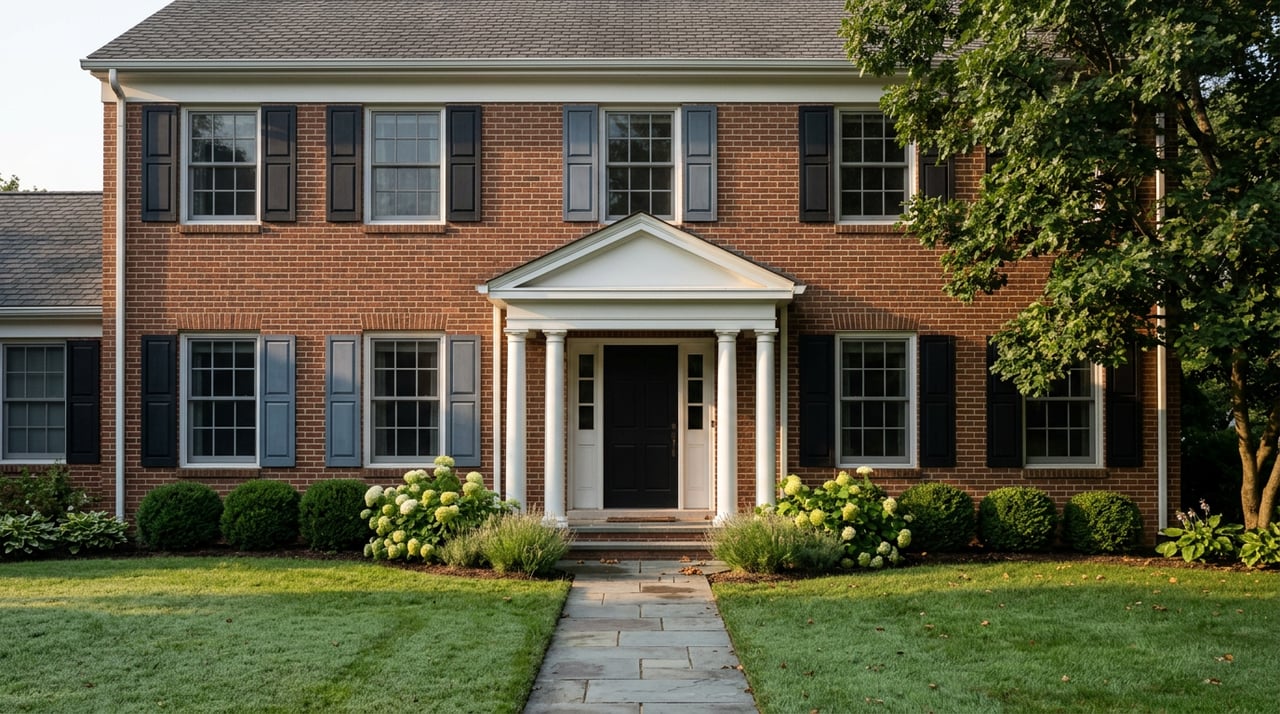
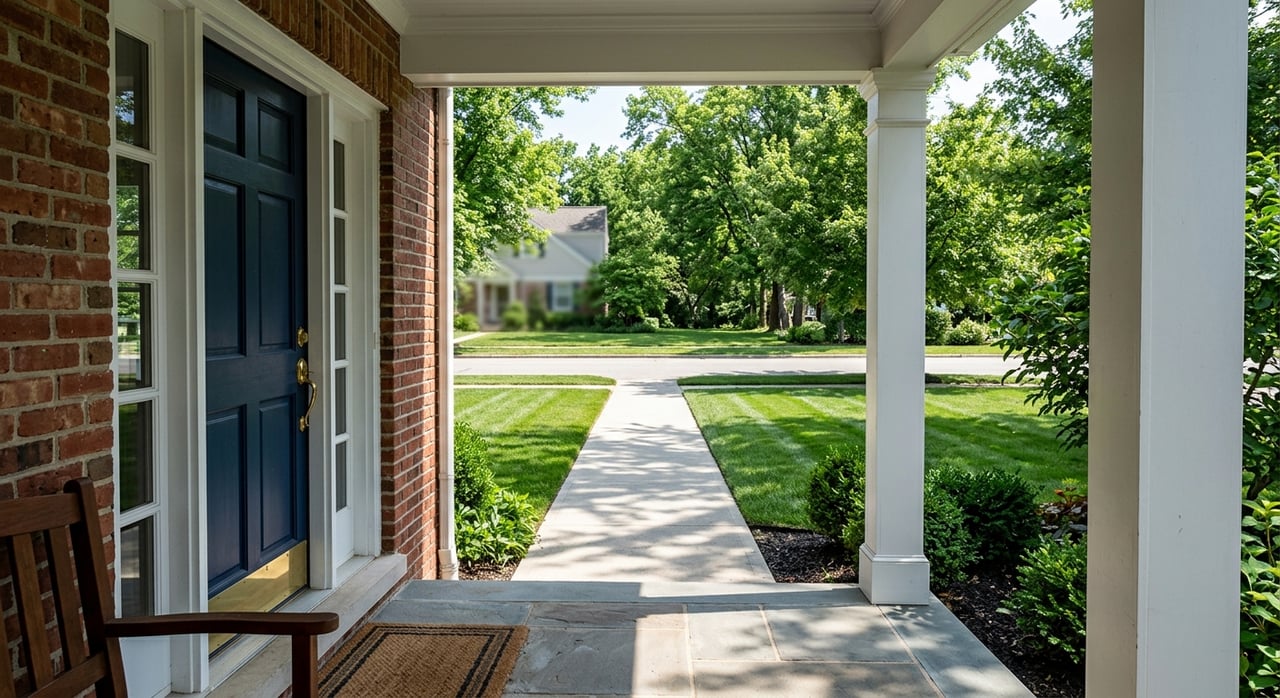
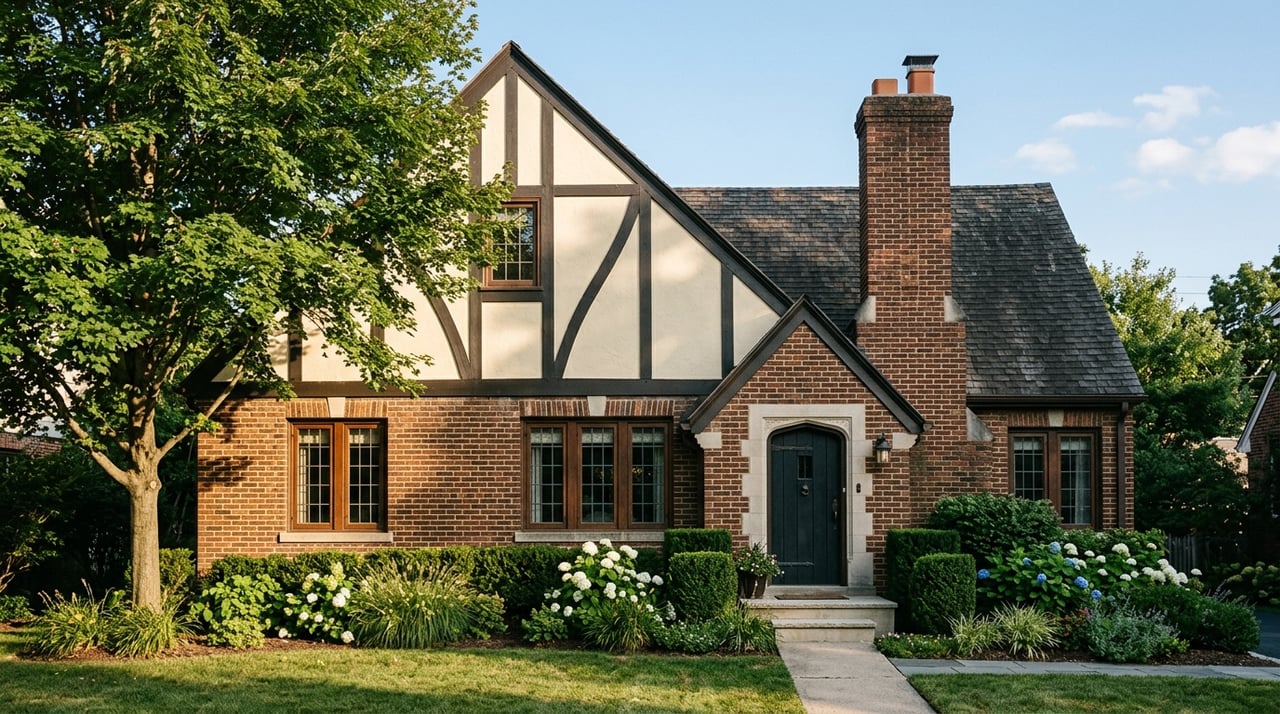
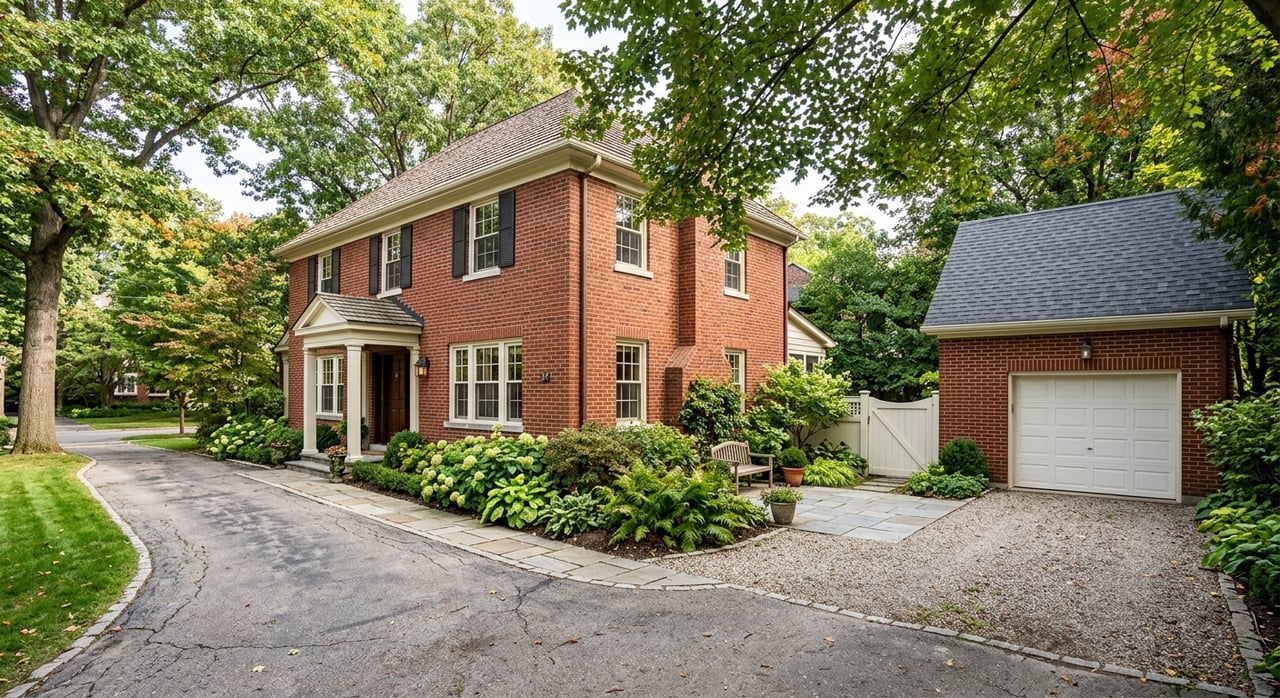
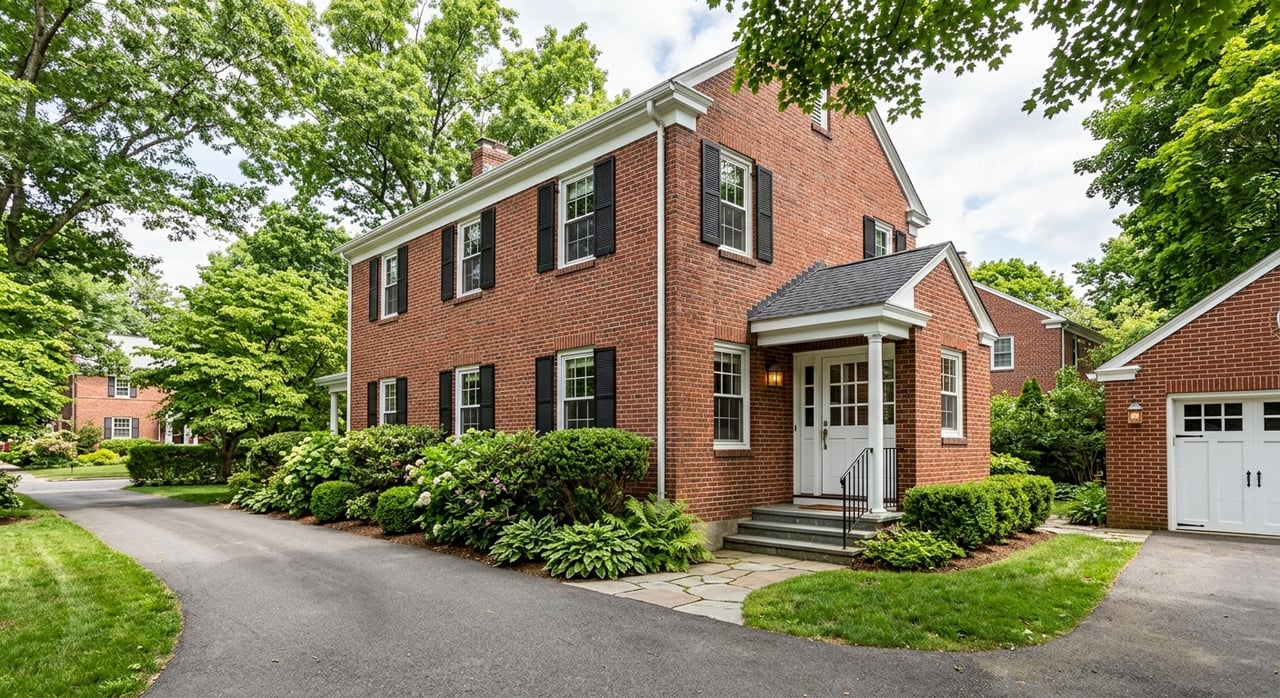
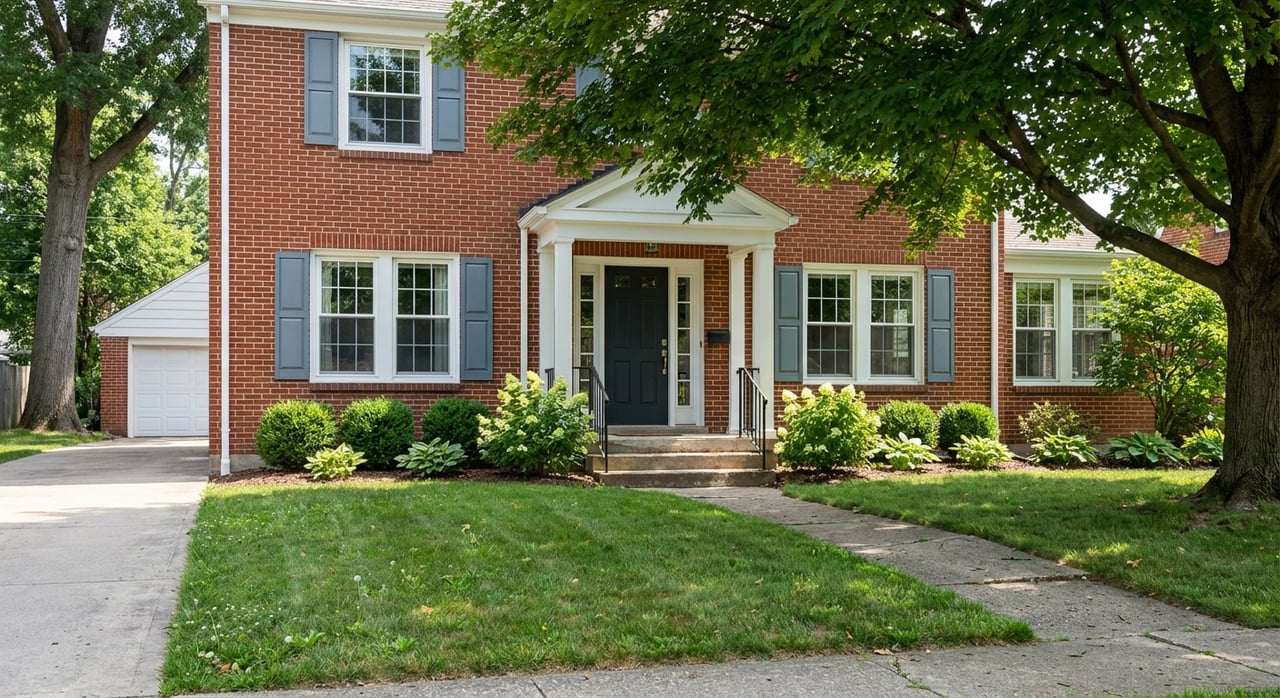
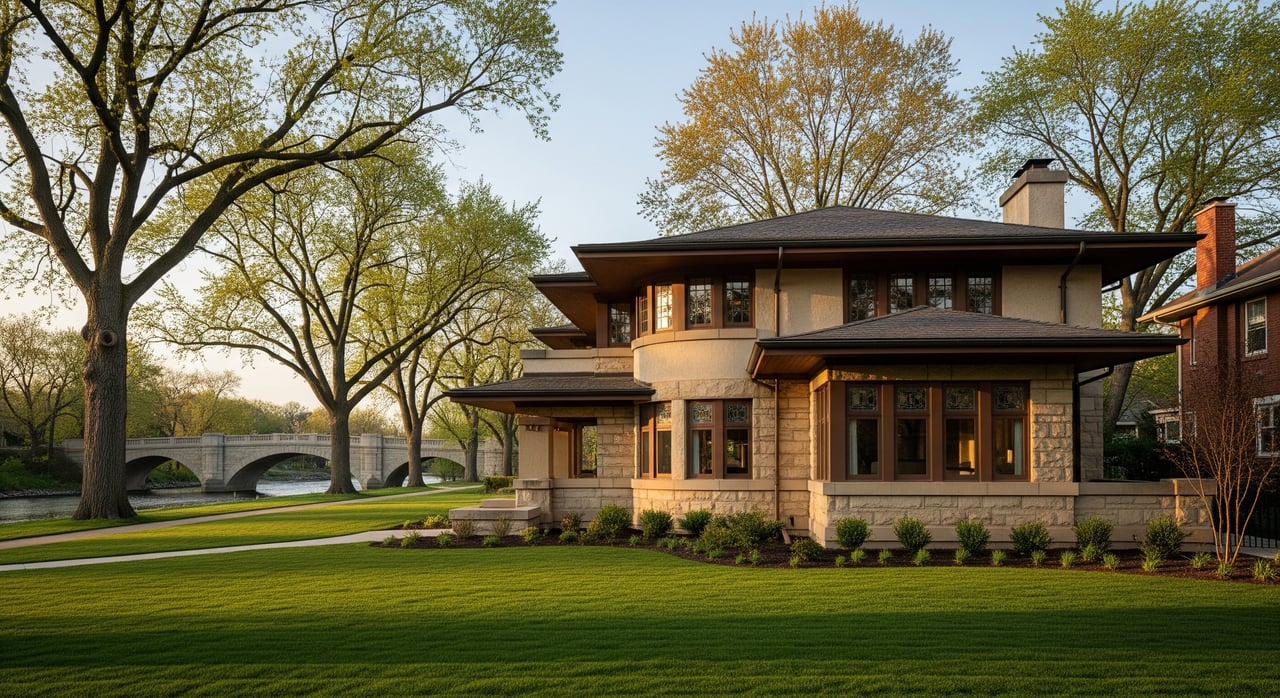
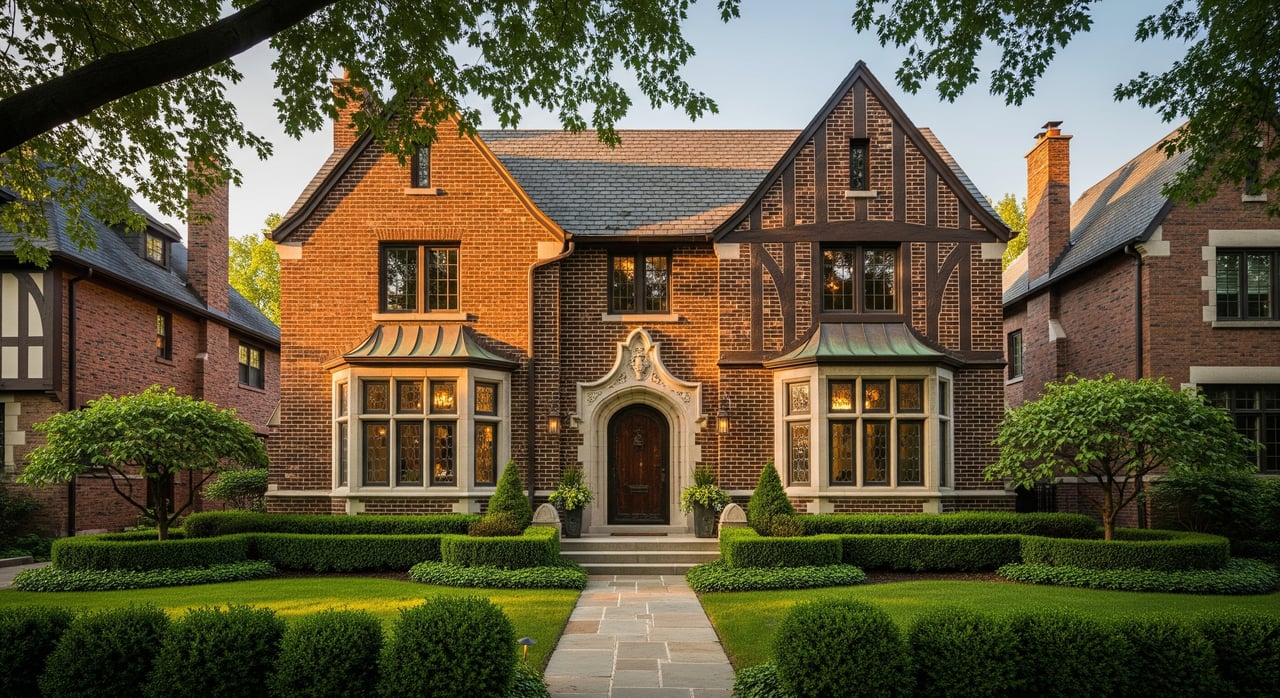
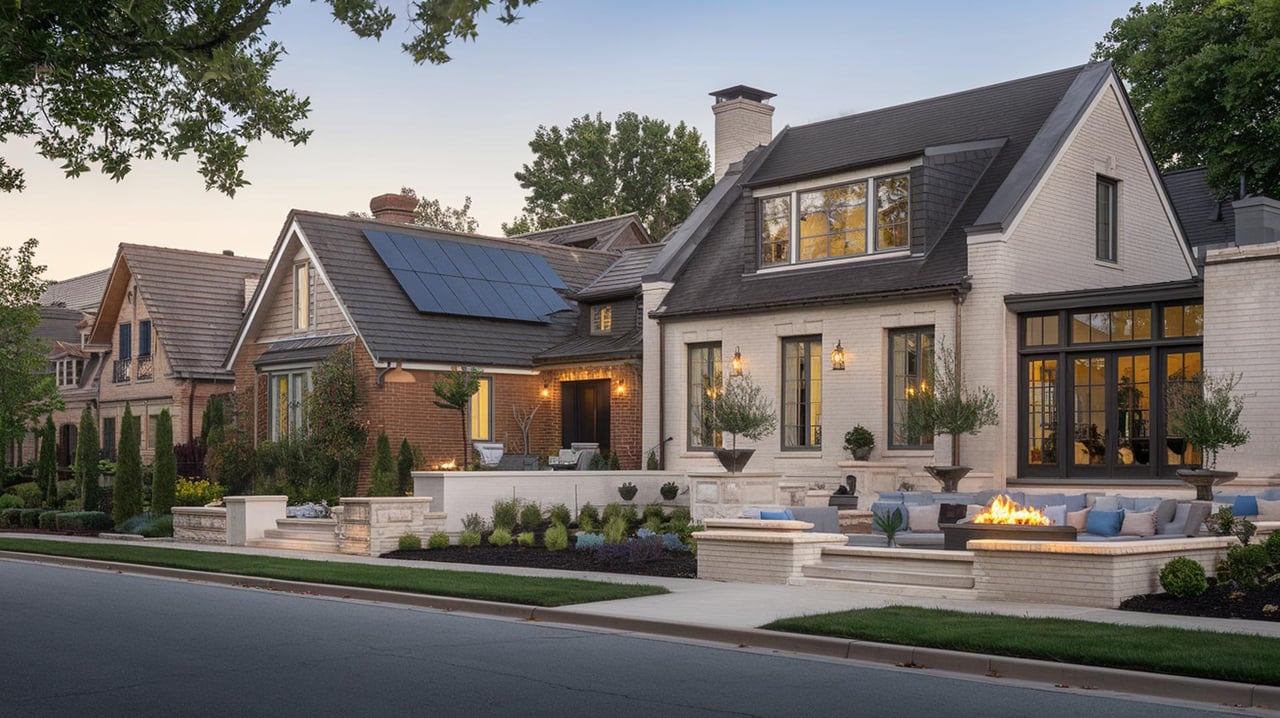
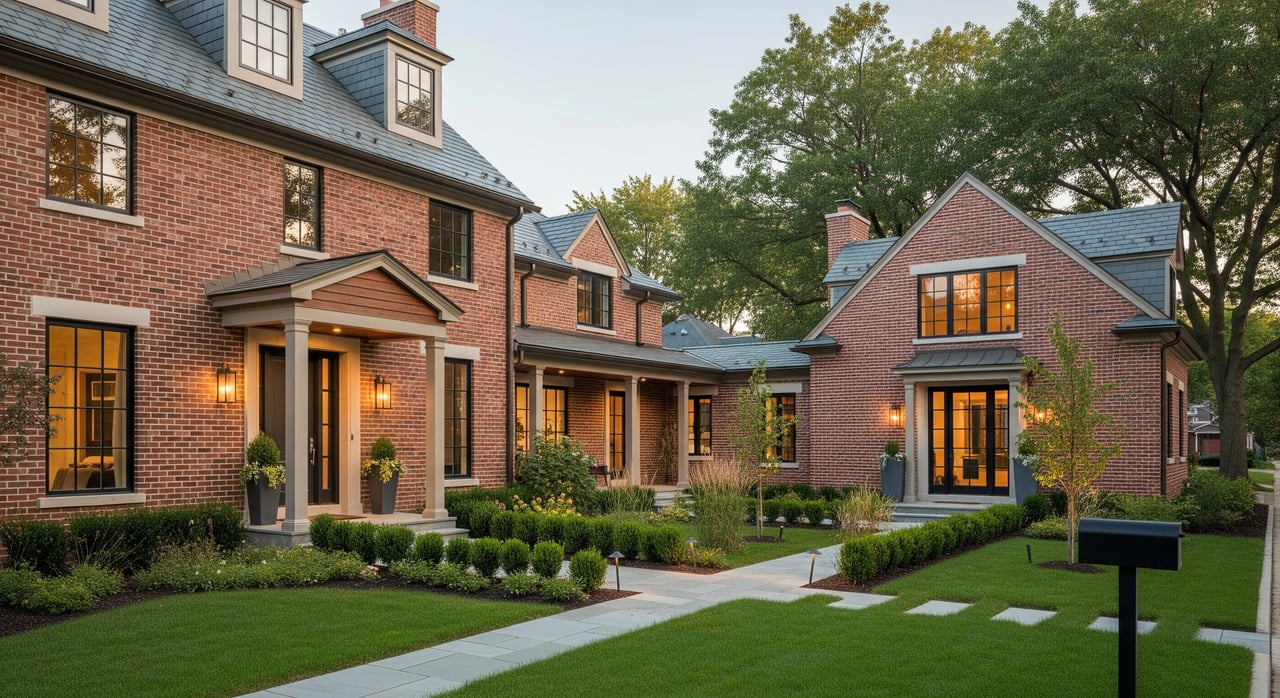
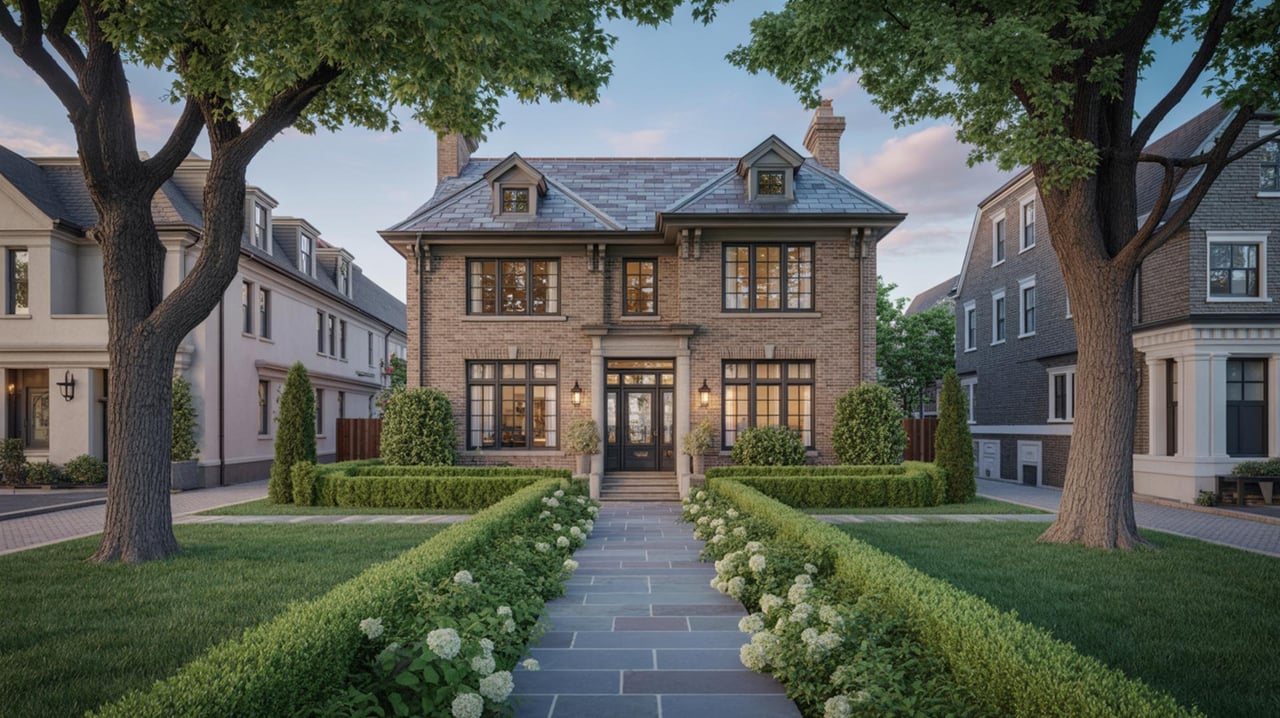
What Homes Look Like Here
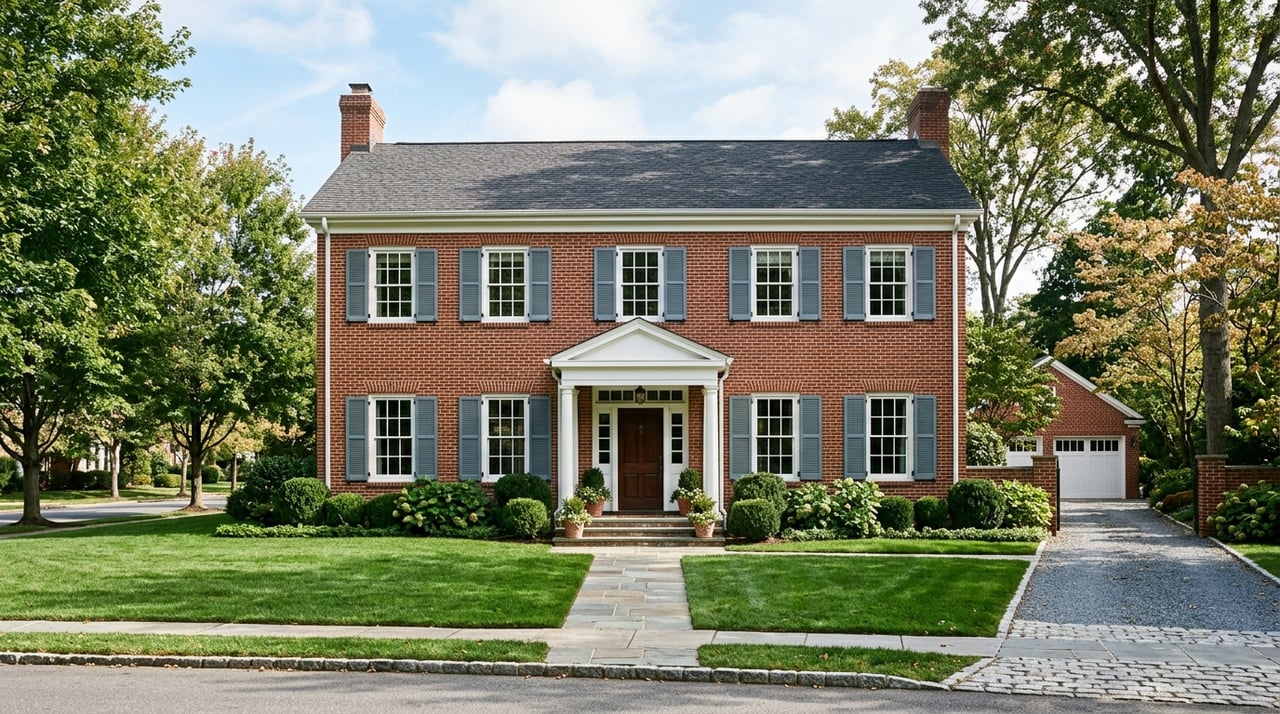
Clarendon Hills is still largely a single-family market. The village’s CMAP community snapshot shows that 73.3% of housing units are single-family detached, and 53.1% of village land is dedicated to single-family residential use.
For many buyers, that means you will spend most of your search comparing detached homes with different ages, lot sizes, and levels of updating. You are less likely to see the housing mix feel heavily urban or dominated by larger multifamily buildings.
The age of the housing stock adds another layer. The same CMAP snapshot reports that 39.9% of homes were built from 1940 to 1969, 35.2% from 1970 to 1999, and 20.2% in 2000 or later, with a median year built of 1976. In practical terms, you may find everything from older homes with original character to newer construction and rebuilt properties.
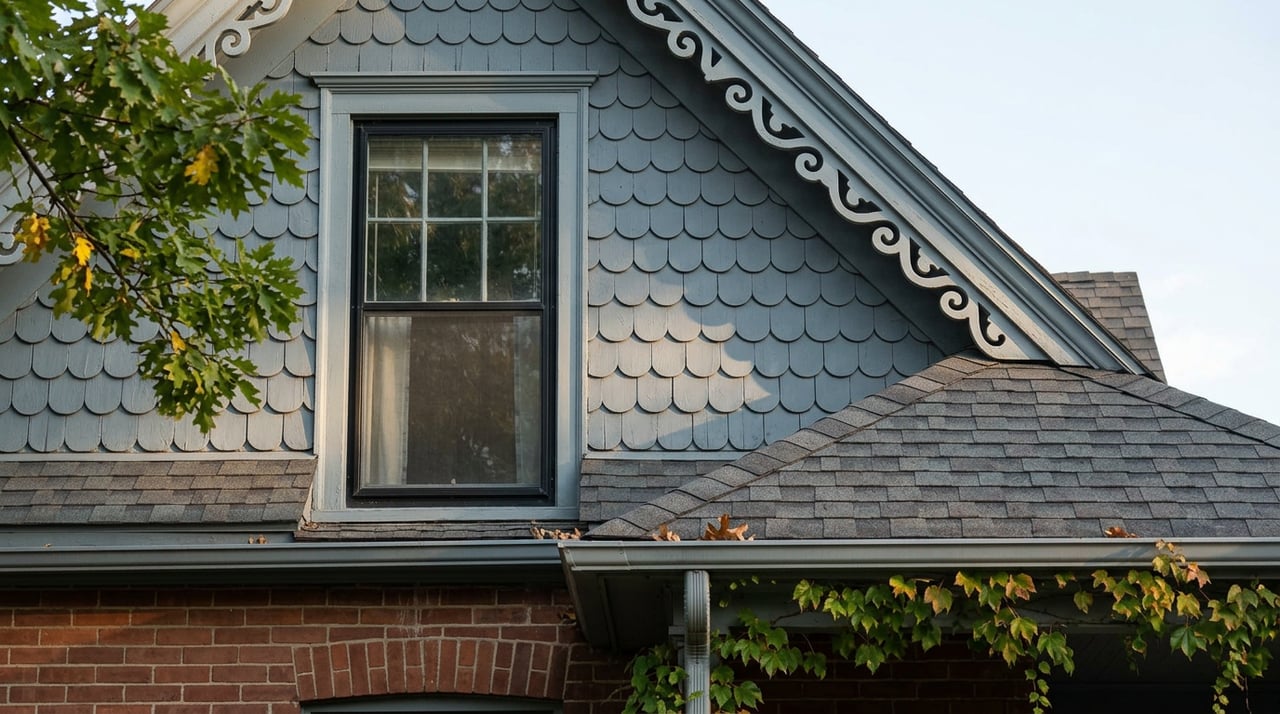
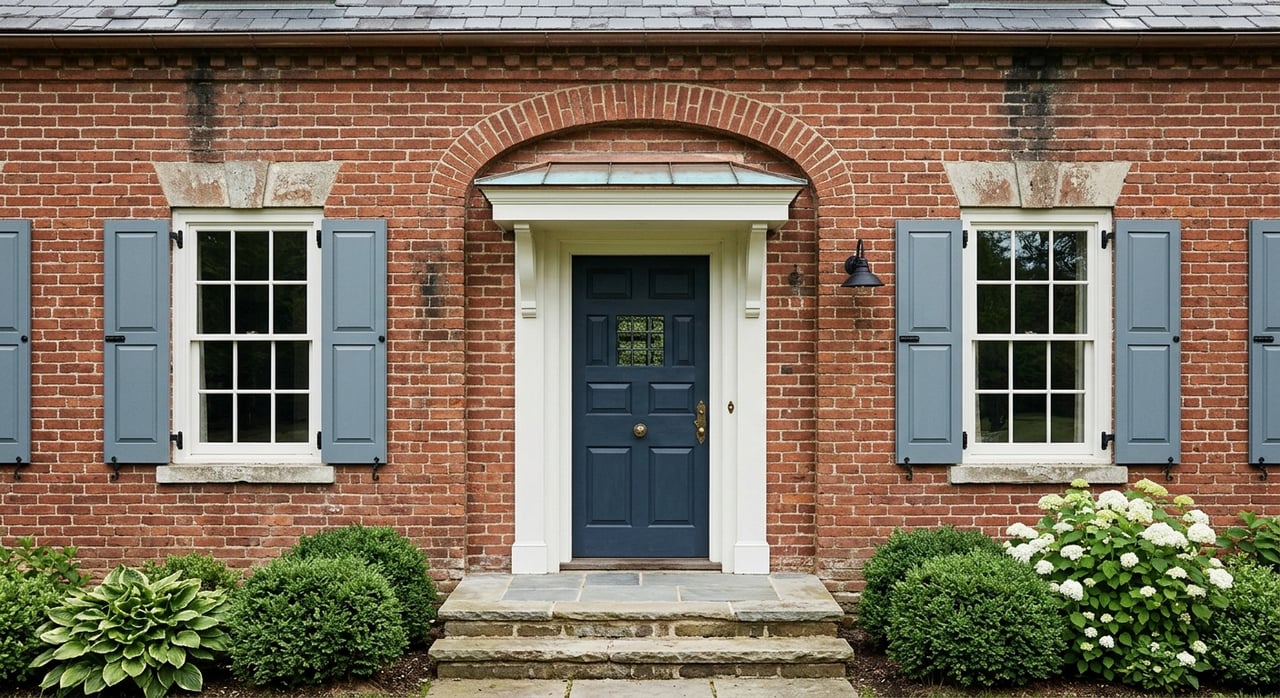
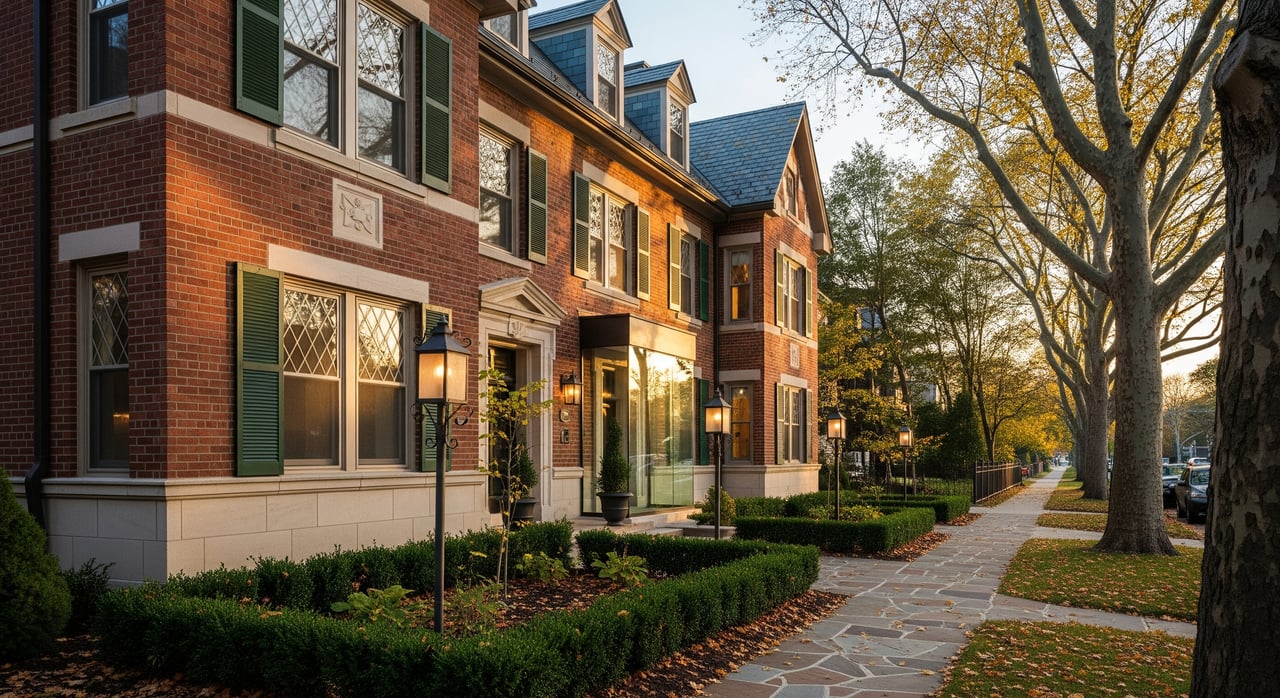
There is also a visible historic layer in town. The Clarendon Hills Historical Society house tour program highlights homes that are more than 100 years old, which confirms that older housing is still part of the village fabric.
What the Market Feels Like
Clarendon Hills is a largely owner-occupied community. The village demographics page reports that 84% of households are owner-occupied, with a median home value of $493,800 and a median household income of $115,923.
For you as a buyer, those numbers help frame the village as an established, higher-value suburban market where many residents have long-term ownership ties. That can shape everything from inventory levels to the overall feel of neighborhood upkeep and reinvestment.
This is also a useful place to be realistic about your search. In a market with a strong owner-occupied base and a meaningful mix of older and newer homes, the right fit often comes down to tradeoffs between location, condition, lot, and architectural style.
Downtown Living and Daily Routine
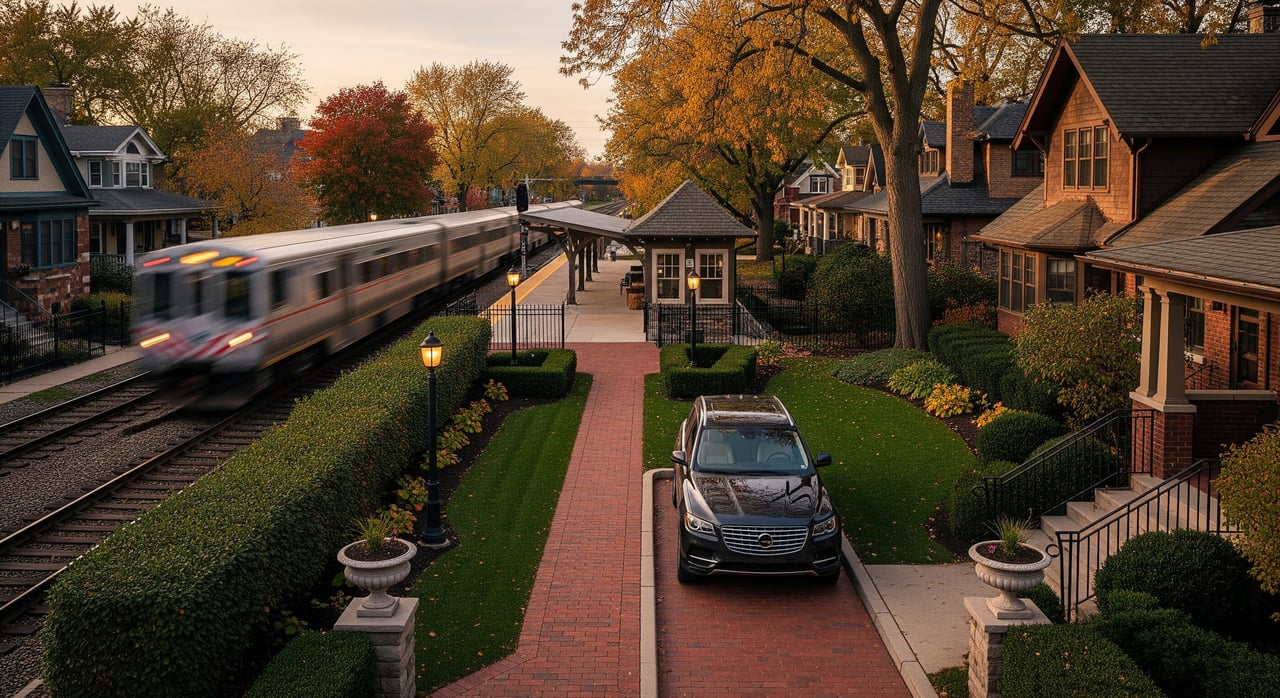
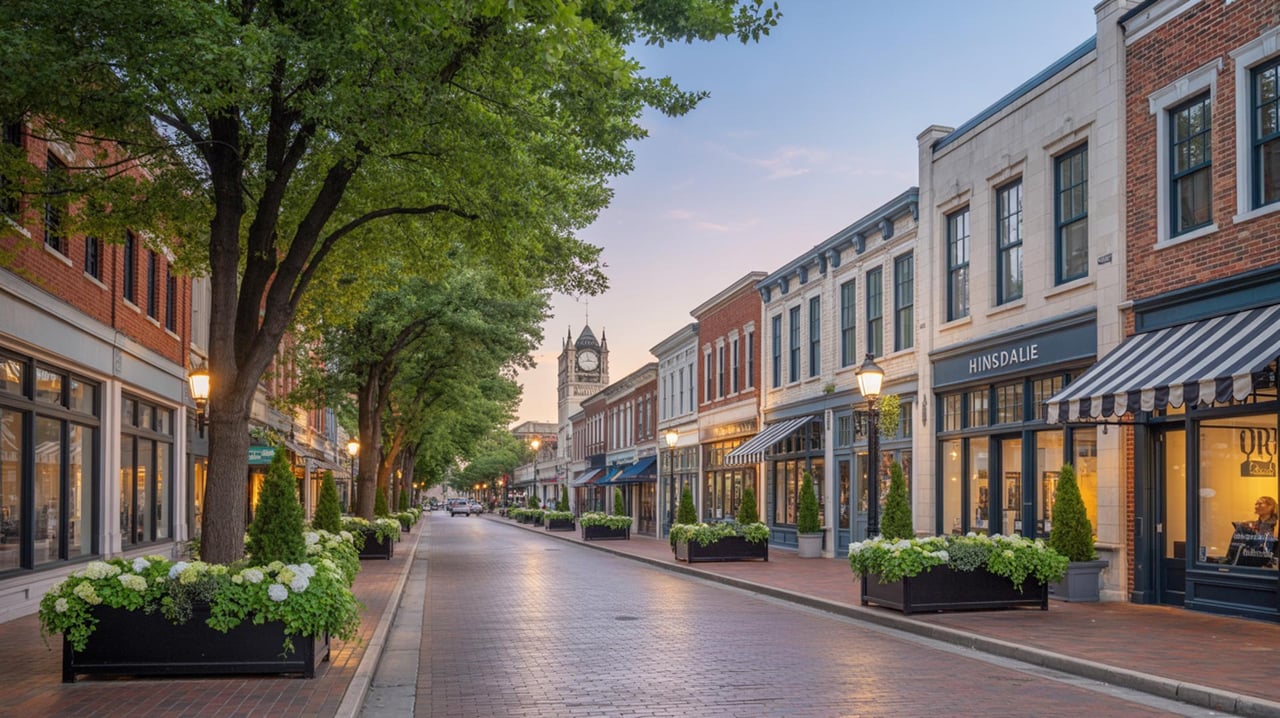
One of Clarendon Hills’ strongest lifestyle advantages is its compact downtown. The village describes the downtown revitalization project, completed in Fall 2022, as a way to improve pedestrian safety and support downtown viability.
Those improvements were not cosmetic alone. The village says the project included station, crossing, and streetscape upgrades such as canopies, enclosed waiting areas, bike shelters, bump-outs, new crosswalks, and plaza work. If you value being able to walk to the train, local businesses, or community events, that investment is worth paying attention to.
Clarendon Hills also has a recurring calendar of downtown events that gives the village an active local rhythm. The village highlights traditions such as Farmers Market, Dancin’ in the Street, Daisy Days, Oktoberfest, Holiday Walk, and the Annual Tree Lighting Ceremony on its community overview page.
Daisy Days, in particular, has local roots. The historical society explains that the area was once called Daisy Fields because people came to gather the flowers. That backstory helps these events feel tied to place rather than generic programming.
Parks and Recreation in Clarendon Hills
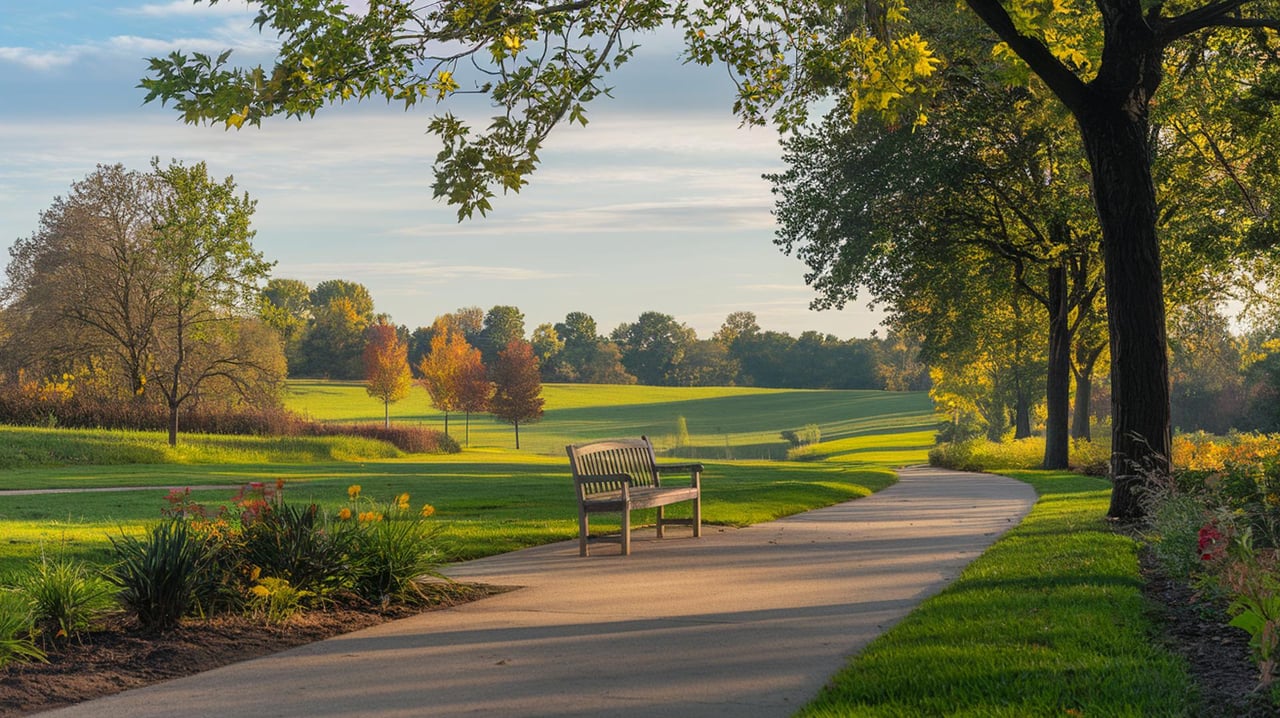
If you want a suburb where parks are part of your weekly routine, Clarendon Hills offers a strong local system. The Clarendon Hills Park District operates eight park sites totaling about 45 acres, along with a community center that serves as its main hub.
The district’s largest park is Prospect Park, which spans 23 acres. Amenities include baseball fields, a basketball court, batting cages, a fishing pond, a paved walking path, a playground, picnic pavilion, soccer and softball fields, tennis courts, a natural prairie area, and a sled hill.
Hosek Park adds another practical neighborhood option with playgrounds, basketball, soccer, softball, tennis, and ice skating. Together, these spaces help support a lifestyle that goes beyond commuting. They create places for exercise, outdoor time, seasonal recreation, and everyday routines close to home.
Commuting From Clarendon Hills
Clarendon Hills is a Metra village, and that is a major draw for many buyers. The Clarendon Hills Metra station is on the BNSF line at 1 South Prospect Avenue and includes 335 parking spaces, ticket vending machines, Zone 3 fare status, and a waiting room open from 4:45 a.m. to 7 p.m.
Rail access is only part of the story. The village also highlights convenient access to I-88, I-294, I-55, and I-355, along with regional access between O’Hare and Midway airports. That flexibility can matter whether you commute daily, work hybrid, or travel often.
The CMAP snapshot offers a grounded picture of how residents actually get around. Mean commute time is 30.5 minutes, 14.2% of workers use transit, 57.3% drive alone, and 25.0% work from home. It also identifies Chicago as the top employment location for residents, followed by Westmont, Downers Grove, Oak Brook, and Naperville.
What Buyers Should Consider
If you are comparing Clarendon Hills with other western suburbs, focus on how you want your day-to-day life to work. This village stands out for its blend of single-family homes, a walkable core, local events, park access, and strong regional transportation options.
It may be especially appealing if you want:
- A mostly single-family, owner-occupied setting
- A mix of older homes, updated homes, and newer builds
- A downtown you can actually use for daily errands or commuting
- Metra access paired with expressway convenience
- Community events and park amenities that support a year-round local routine
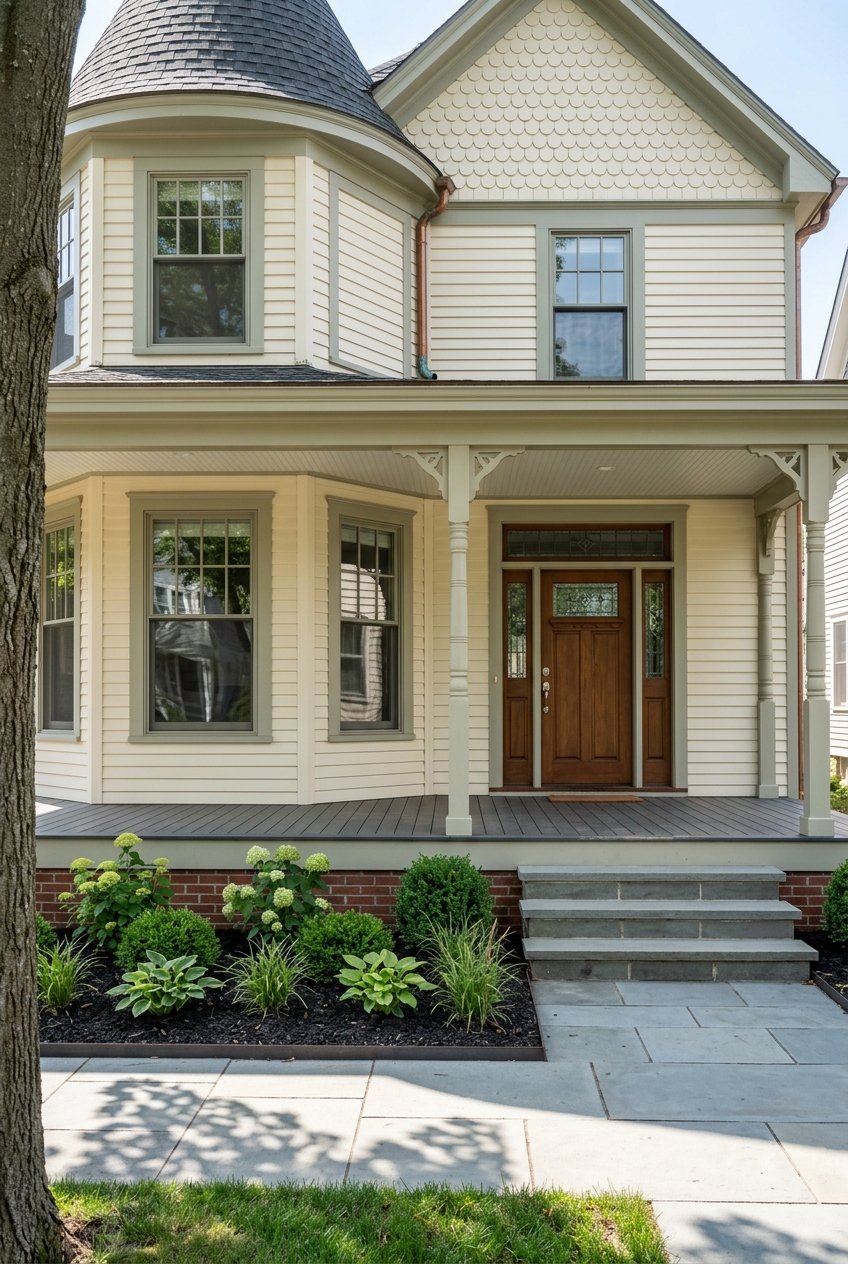
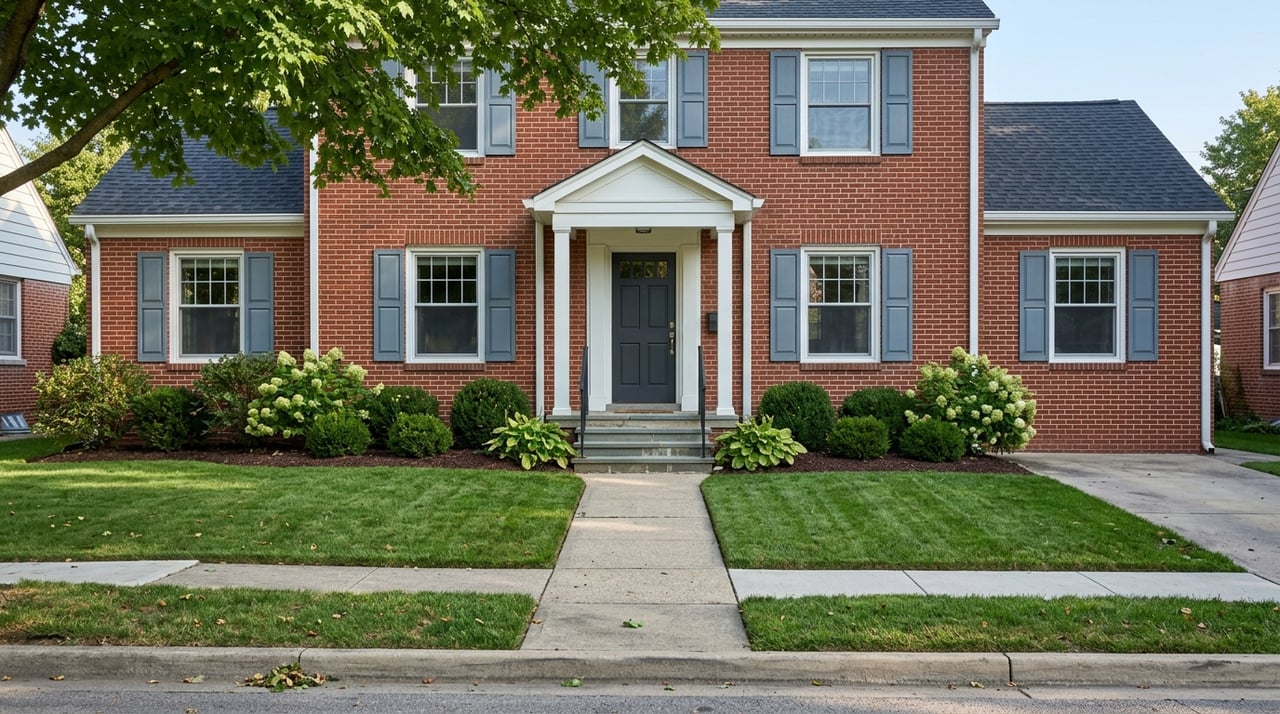
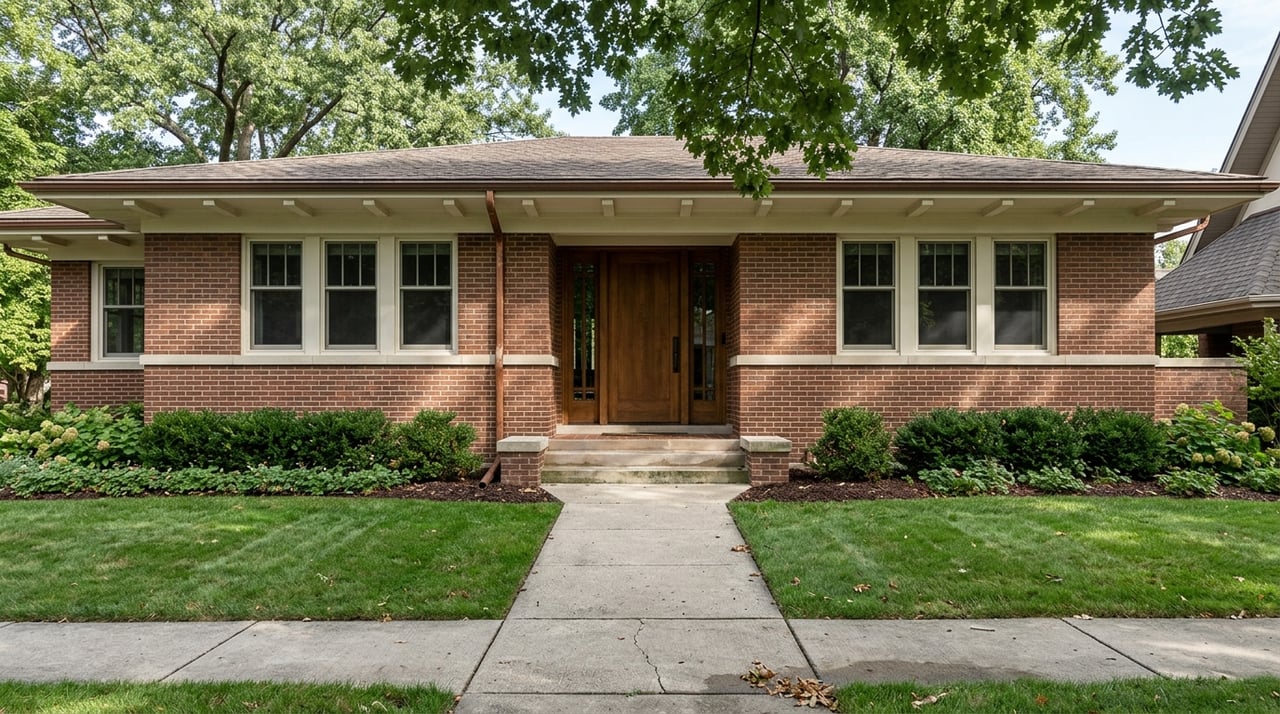
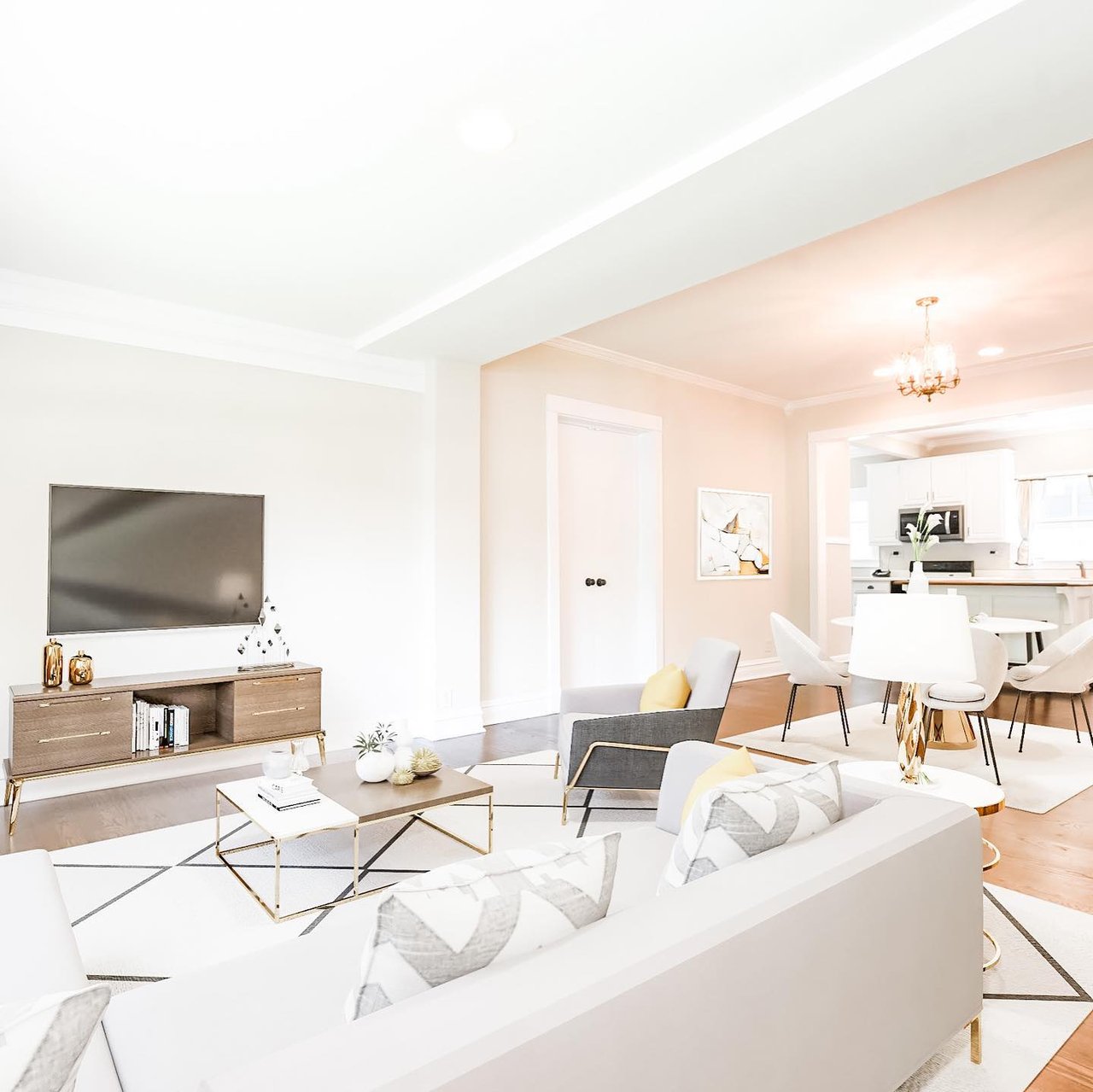
It is also smart to think carefully about the type of home you want. In Clarendon Hills, your search may include homes with historic details, mid-century or late-20th-century layouts, and newer construction with more modern floor plans. Seeing those options in person can make a big difference.
How to Approach a Home Search Here
A successful search in Clarendon Hills usually starts with clarity. Before touring, define your must-haves around commute, downtown proximity, lot size, home age, and renovation tolerance.
It also helps to look beyond the listing photos. In a village with a varied housing stock, two homes at a similar price point can offer very different tradeoffs in layout, updates, and long-term maintenance.
Most importantly, give yourself room to compare the lifestyle as much as the house. In Clarendon Hills, the value often comes from the combination of neighborhood character, community infrastructure, and everyday convenience.
If you are thinking about a move to Clarendon Hills or another western suburb, The Anne Monckton Group can help you narrow your options, evaluate home styles and locations, and move forward with confidence.
FAQs
What type of housing is most common in Clarendon Hills?
- According to the village’s CMAP snapshot, 73.3% of housing units in Clarendon Hills are single-family detached homes.
What is the commute like from Clarendon Hills to Chicago and nearby job centers?
- Clarendon Hills has a Metra station on the BNSF line, access to several major expressways, and a mean commute time of 30.5 minutes based on the village CMAP snapshot.
What is the downtown area like in Clarendon Hills?
- Clarendon Hills has a compact downtown with pedestrian-focused improvements completed in Fall 2022, plus recurring events such as Farmers Market, Daisy Days, Oktoberfest, and Holiday Walk.
What parks and recreation options are available in Clarendon Hills?
- The Clarendon Hills Park District operates eight park sites totaling about 45 acres, including Prospect Park and Hosek Park, with amenities for walking, sports, playgrounds, and seasonal recreation.
What should homebuyers know about Clarendon Hills housing stock?
- Buyers can expect a mix of older homes, later 20th-century homes, and newer construction or rebuilds, with a median year built of 1976 according to the village CMAP snapshot.