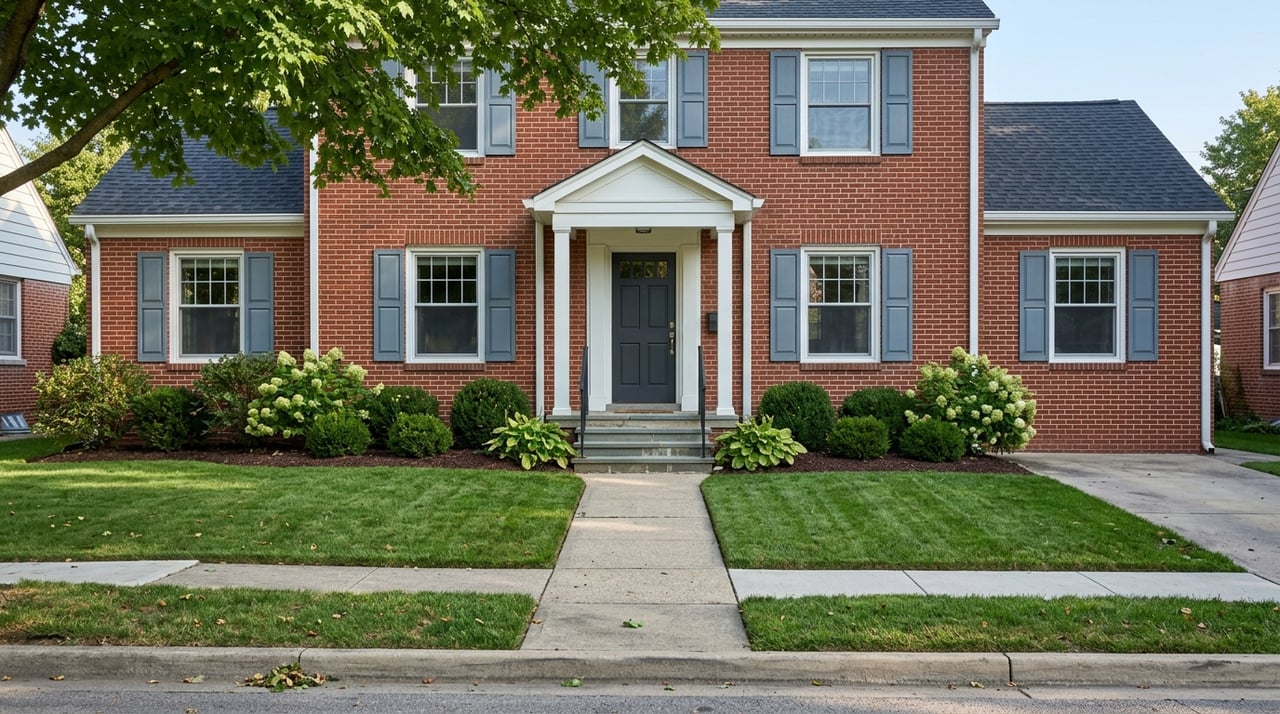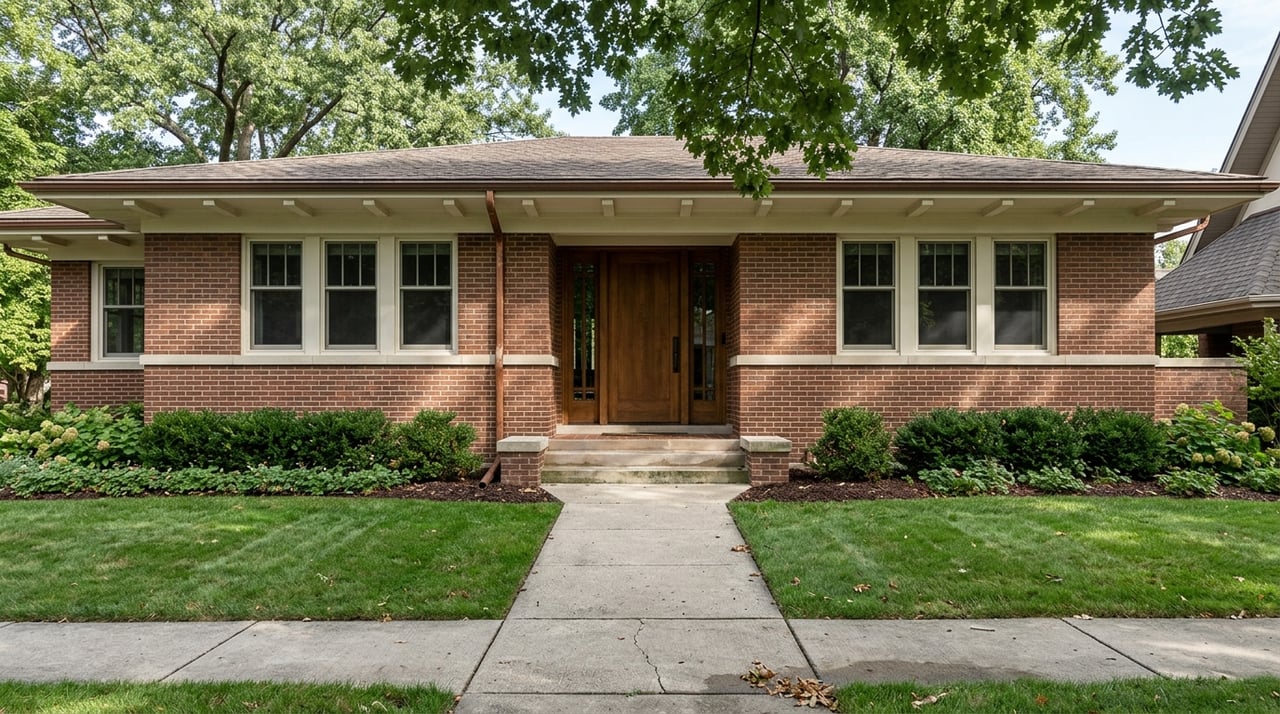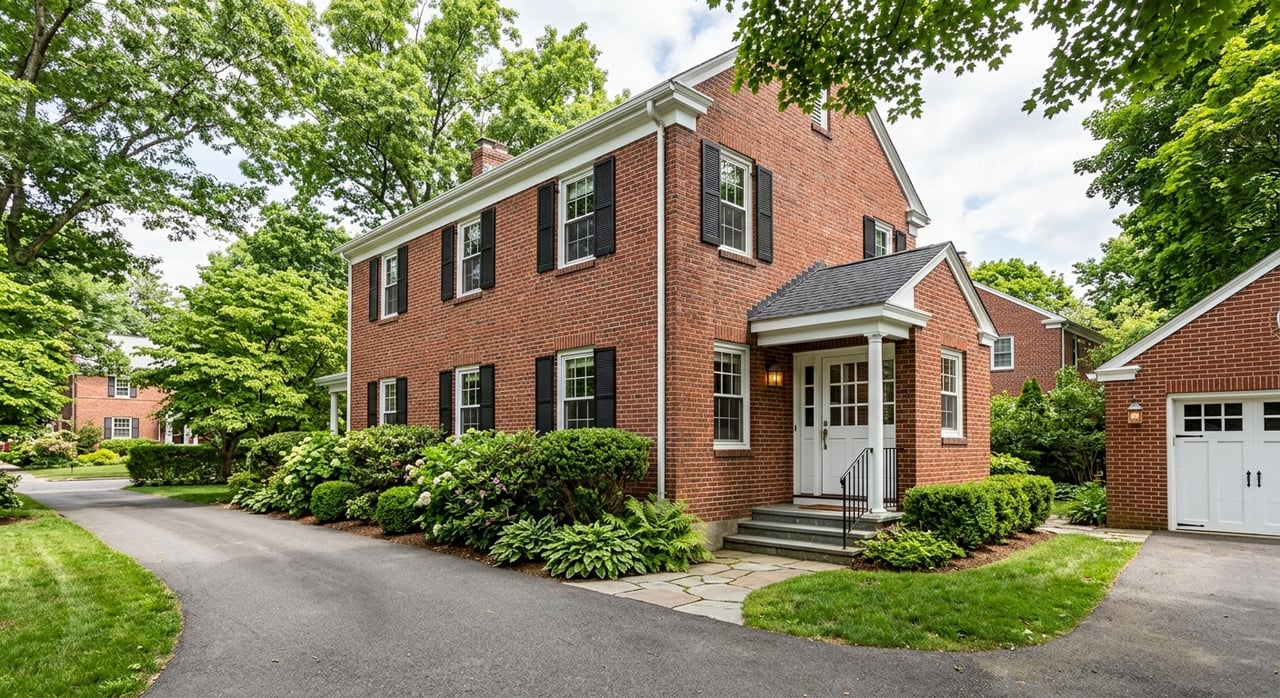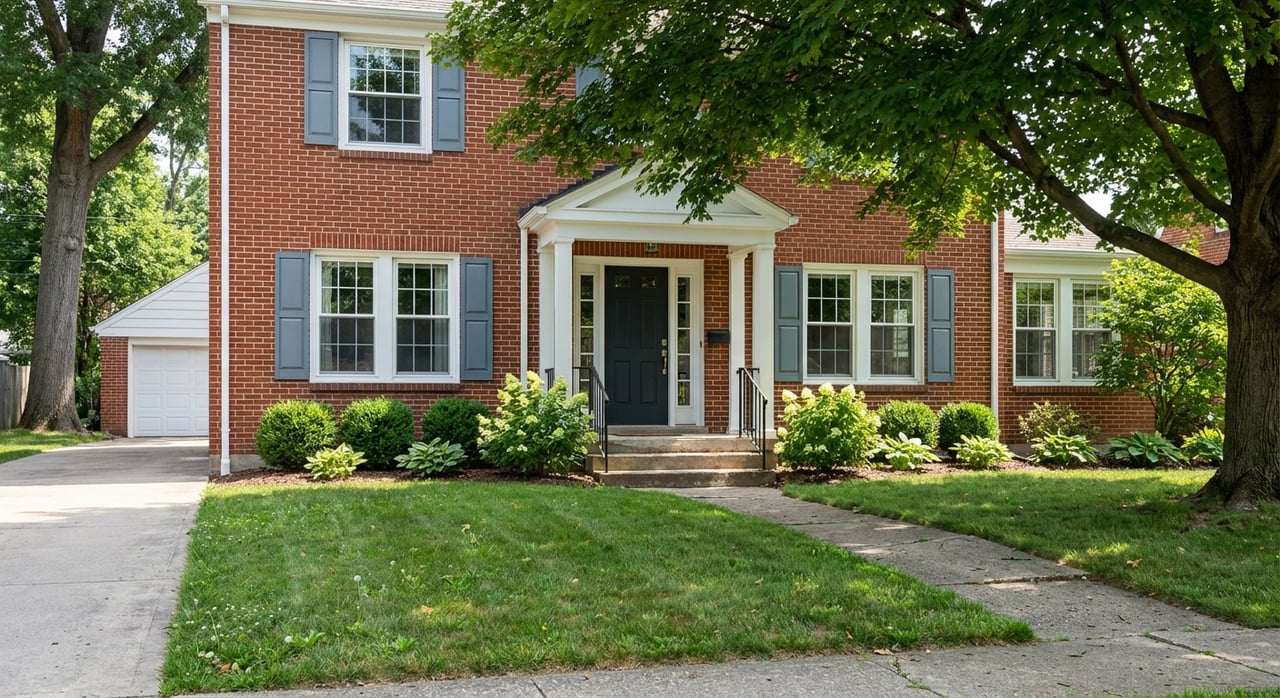
Every three years, Cook County reassesses land values across the south and west suburbs, and this year's numbers landed with a specific kind of clarity for anyone comparing Brookfield to its more expensive neighbor next door. According to Riverside Township Assessor Mary Jo Miller, land values in the village of Riverside grew 75 percent on average in the 2026 reassessment. In Brookfield, land grew 33 percent. North Riverside came in at 17.5 percent, and Lyons and Riverside Lawn landed at 29 percent.
Same township. Same commuter rail corridor. Same zoo drawing visitors through both towns' downtowns. Different math entirely on what the ground underneath a house is worth.
The gap doesn't trace back to school ratings or walk scores. It traces back to how wide the lots were cut when these towns were first platted, and to a zoning code that Brookfield has been quietly trying to rewrite since 2023. That rewrite is now sitting in its most public stage yet, and it matters directly to anyone shopping Brookfield with renovation or addition plans in mind.
The Reassessment Numbers Nobody's Listing Photos Will Show You
Township reassessments happen on a rotating three-year cycle, and the last one before this round was 2023. Miller's office compiles market data from the prior several years and runs it through a mass appraisal model, then breaks the results down by home class. Class 2-05 homes, the older two-story houses under 2,200 square feet that make up a lot of Brookfield's housing stock, grew 25 percent in valuation on average this cycle. Class 2-06 homes, the larger version of that same category, grew 34 percent.
None of that means Brookfield is cooling off. Sale prices tell a different story: the median sale price in Brookfield hit $390,000 in January 2026, up 14.7 percent year over year. Brookfield is appreciating. It's appreciating from a lower base, and the land underneath it is appreciating more slowly than the land in Riverside, even though the two villages share a rail line, a zip code cluster, and a zoo.
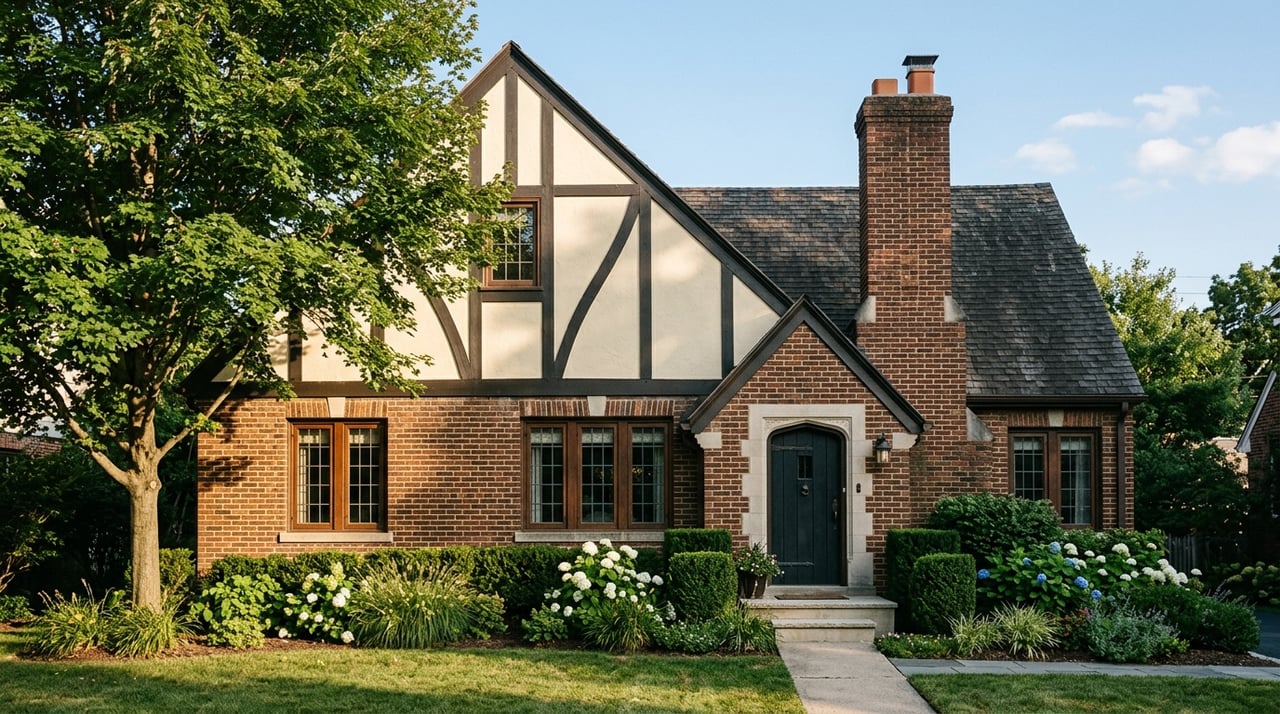
That's the puzzle worth sitting with before you write an offer here. The difference isn't the houses. Plenty of Brookfield's bungalows and Craftsman-style two-stories are every bit as well kept as what you'll find a few blocks over in Riverside. The difference is what you're legally allowed to do with the dirt.
Why the Ground Was Cut So Narrow in the First Place
Brookfield exists because of a Chicago developer named S.E. Gross, who opened his Grossdale subdivision in 1889 and built the area's first train station before he built much of anything else. He followed it with Hollywood in 1893 and West Grossdale in 1895, each one anchored by its own stop on what's now the Metra BNSF line.
Gross was selling homesites at scale, and the era's standard lot width, 25 to 30 feet wide by around 125 feet deep, is the same dimension that shaped Chicago's bungalow belt more broadly. Brookfield's own zoning ordinance still references those original plats by name when it defines residential district boundaries. Blocks are described as falling within Oliver Salinger and Company's Bungalow Park, or Auspitz and Oakes' Brookfield Park subdivision, language written into the code decades after Gross sold the last lot.
That platting pattern built a town fast. It also means a meaningful share of Brookfield's residential lots are narrower than the minimums the village adopted later, as its zoning rules modernized around a built environment that had already been laid out.
What "Nonconforming" Actually Restricts Today
Brookfield's current zoning ordinance, Chapter 62 of the village code, addresses this directly. A nonconforming single-family home, meaning one that sits on a lot or has a footprint that no longer meets today's standards, can still be expanded. But the addition can't increase the extent of the nonconformity, and the whole project still has to meet current bulk, height, yard, and lot coverage requirements.
In practice, that means a homeowner on a narrow, historically platted lot can often add height or push toward the back of the property, but can't build any closer to a side property line than today's rules allow, even if the original house, and half the block around it, was built closer than that decades ago under different rules. The burden of proving a nonconformity is legal falls on the property owner, not the village.
That's the friction hiding behind Brookfield's lower price per square foot. A garage rebuild or a modest bump-out that would sail through in a town platted at wider standard widths can require a variance hearing here, purely because of when and how the lot was originally cut.
The Rewrite Working Through Village Hall Right Now
The village has been aware of this mismatch for a while, and it's actively rewriting the code to address it.
- 2023: Brookfield issued a request for proposals for a zoning consultant, after an earlier attempt at a unified development ordinance failed to attract bids.
- 2024: Camiros, a Chicago-based planning, zoning, and urban design firm, delivered a 56-page Technical Review Report identifying where the existing code clashes with what's already built on the ground.
- August 2025: The village released Draft 1.0 of the new zoning code for public comment.
- January 2026: Draft 2.0 followed, reviewed at a Planning and Zoning Commission workshop led by PZC Chairman Charles Grund, with Trustee Jennifer Hendricks serving as the board's liaison to the commission.
- July 2026: The village released a Public Hearing Draft along with a proposed zoning map, its most recent milestone as of this writing.
Among the substantive changes under discussion is a new "traditional lot" designation, aimed at matching the actual width many Brookfield blocks were platted at from the start, so those parcels could add square footage without triggering a variance hearing every time. The village's own planning department has said plainly that current rules create nonconformities that don't reflect the town's built reality and can block the kinds of development residents actually want.
As of September 2026, none of this has been formally adopted. The Public Hearing Draft is a draft. Chapter 62, with its nonconforming lot restrictions intact, is still the ordinance governing any permit pulled today.
What This Means If You're Comparing Brookfield to Its Neighbors
A lower price per square foot in Brookfield isn't a red flag. It's partly the price of building friction that's baked into the land itself, friction that predates the current owner and will likely still be there in some form on closing day, regardless of how the rewrite eventually lands.
A few things worth doing before you fall in love with an addition plan here:
- Confirm whether the specific lot you're considering is classified nonconforming before budgeting for a bump-out, garage rebuild, or second story. This is a factual question the village's community development office can answer, not a guess.
- Don't assume a neighbor's addition sets precedent. Every permit is evaluated against the rules in effect at the time of application, not against what's already standing on the block.
- If your plans lean on the new code, particularly the traditional lot category or revised coverage limits, build a timeline buffer into your decision. Adoption isn't final, and a public hearing draft can still change before a vote.
- When you're weighing long-term appreciation between Brookfield and pricier neighbors like Riverside, look at land value growth alongside list price. The 2026 reassessment numbers suggest the land itself is catching up more slowly here, which is a different question than whether the houses are.
A Few Straight Answers
Does the nonconforming lot rule affect homes that aren't being expanded? No. A legal nonconforming home can be bought, sold, insured, and lived in exactly as it stands. The rule only comes into play once you apply for a permit that changes the footprint, height, or coverage.
How do I find out if a specific address is affected right now? The village's Community Development Department maintains zoning district records tied to the Chapter 62 map. A call to that office, or a request through your agent before you write an offer, will confirm the district and any documented nonconformities on file for that parcel.
When does the new code actually take effect? Not yet. The Public Hearing Draft released in July 2026 is the most recent step in the process. A formal hearing and adoption vote still have to happen before it replaces the ordinance currently on the books.
Brookfield's price gap with Riverside is real, and it's measurable in the township's own reassessment data, not just in what's listed for sale this month. If you're weighing that gap against a specific renovation plan, the lot's zoning history matters as much as its square footage. The Anne Monckton Group works these western suburbs block by block, and we're glad to walk through what a specific Brookfield address can and can't support under the current code, and what the pending rewrite might change once it's final. Book an appointment and let's look at the parcel, not just the price.